

For rural land buyers, opportunities rarely arrive at the perfect financial moment. A neighboring tract might hit the market when your cash is tied up, or the ideal recreational property might only surface once in a lifetime. Many buyers find themselves needing to act quickly because “you may not get that opportunity again while you’re alive.” That’s why understanding land equity loans and flexible financing options is critical — especially for anyone searching for land loan lenders who actually understand rural property instead of suburban subdivisions.
One of the clearest voices on this topic is Brandon Simpson of First South Farm Credit, a lender who has spent 18 years helping people purchase hunting land, timber tracts, farms, and rural recreational properties. Simpson joked that lending is “the only trick I’ve got,” but his insight reveals the playbook that everyday buyers can use to secure land even when cash is tight.

Understanding Loan-to-Value: Why Down Payments Matter So Much
Most buyers are surprised to learn that land loans almost always require a down payment. Simpson explains that “in the land business, you’re usually only looking at lenders that lend up to about 80 to 85 percent of their collateral position,” which means buyers typically need 15 to 20 percent down. For many would-be landowners, that hurdle stops them before they even ask for help.
But the truth is: you don’t have to pay that down payment out of pocket. The most successful rural buyers often use alternative methods to satisfy this requirement — methods Simpson works with every day.
Using Gift Money as Your Down Payment
One of the simplest and most overlooked strategies is using gift funds from a parent or family member. According to Simpson, the scenario plays out constantly. He sees many cases where parents help their children purchase their first land by providing the down payment. He explains that “parents gifting the down payment to their children is the most common situation I see,” and while First South often requires a gift letter, it’s only to clarify that the money isn’t a loan that must be repaid.
This is one of the cleanest paths into land ownership — especially for young or first-time buyers — and it still satisfies the underwriting rules of a land equity loan.
Using a Co-Signer or Family Land to Secure the Loan
Another common and powerful option is bringing in a co-signer who pledges land they already own. Simpson frequently works with situations where a parent or relative has a paid-off tract, and the adjoining property suddenly becomes available. He noted that “you’ll see where somebody may pledge the collateral that’s paid for in order to help someone else buy the property,” especially when that neighboring tract might never come on the market again.
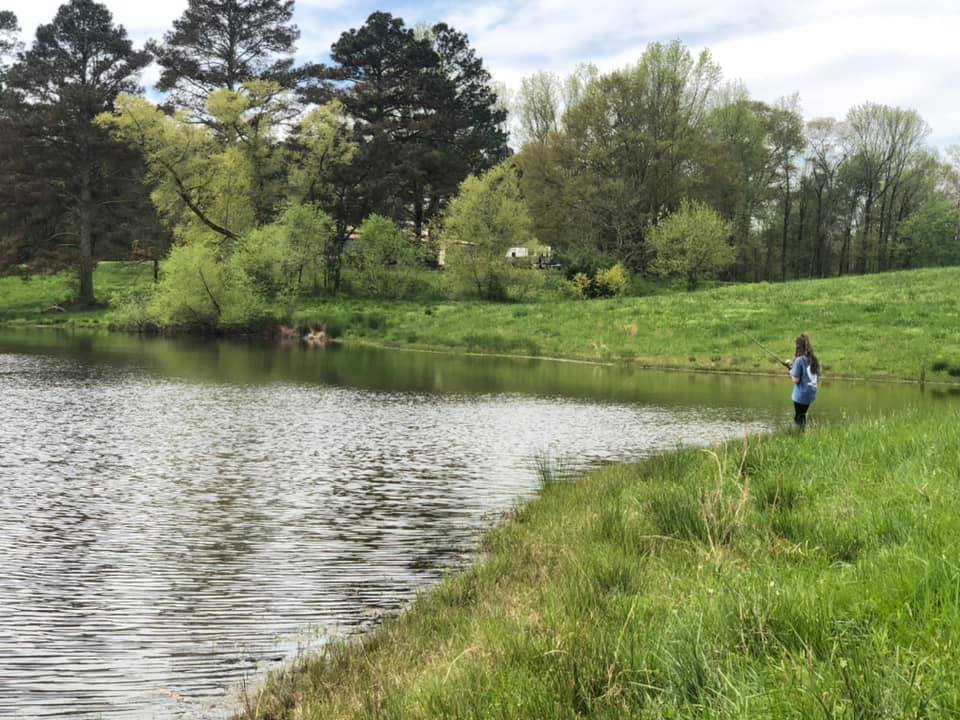
It’s a strategy rooted in family legacy, and it’s extremely common among buyers trying to keep surrounding acreage together.
Using Your Own Land as Collateral: The Core of Land Equity Loans
This is where land equity loans shine. If you already own land — whether it’s paid off or has significant equity — you can use that value to acquire a second property without paying cash. Simpson said that this is “extremely common for adjoining property owners,” because timing is rarely convenient when a neighbor decides to sell.
Many successful landowners leveraged their first tract to acquire the next, using the land itself as the down payment. First South Farm Credit specializes in this approach because it’s one of the most efficient ways to expand acreage.
Consolidating Mortgages to Unlock More Land
Another advanced approach — and one of the best-kept secrets in rural financing — is combining your existing land mortgage with a new purchase. Simpson explained how common this strategy is, saying that First South can “look at refinancing an existing debt on a piece of property and rolling that equity into the purchase of another property.”
First South appraises both properties and evaluates them together. As long as the combined loan-to-value remains in the 80 to 85 percent range, buyers can secure the new land without writing a down-payment check. It’s one of the most powerful ways to buy the land that touches yours.
Borrowing the Down Payment Through Lines of Credit
Some buyers borrow their down payment rather than paying it out of savings. Simpson said it’s “not uncommon for us to see situations where somebody may get an equity line or second mortgage on their home to help with the down payment.”
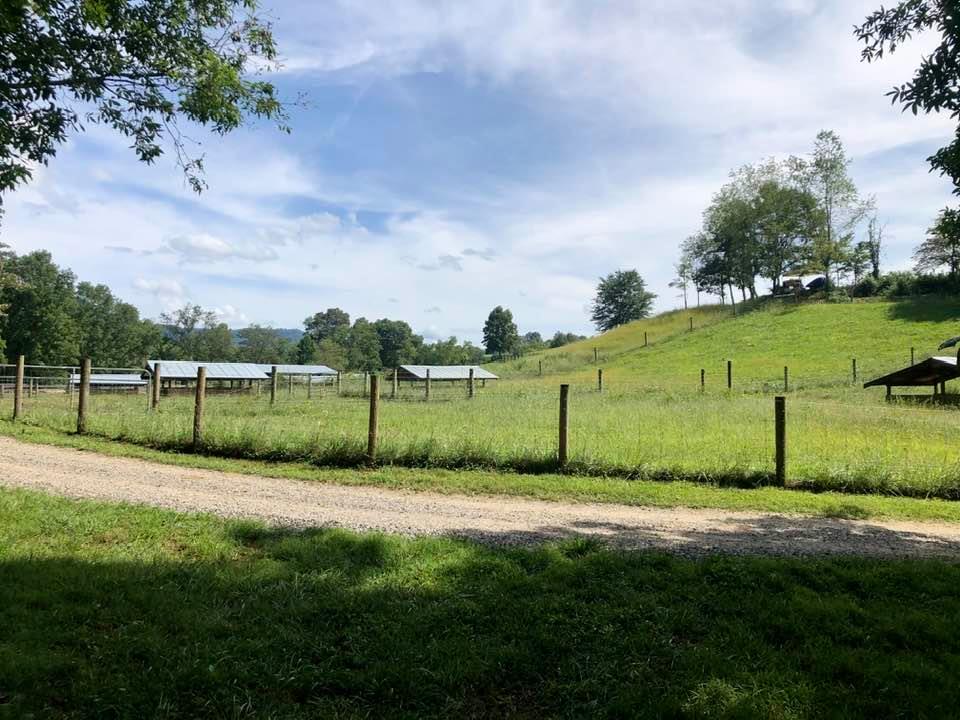
Land equity lines can also be used, though Simpson noted that because First South is part of the Farm Credit System, the funds must be used for rural or agricultural purposes. Still, for the right buyer, this can dramatically accelerate the process.
Using Retirement Funds: A Hard Decision That Many Make
Perhaps the most emotionally challenging option is using retirement savings to cover a down payment — yet Simpson sees it regularly. He said that “liquidation of retirement, IRA, and money market accounts is one of the more common” ways people secure the cash they need.
It’s a difficult decision, but one that many landowners ultimately feel is worth it. When you’re standing beside your child as they take their first deer on land your family owns, you’re not thinking about that 10 percent penalty. For many, buying land isn’t just an investment — it’s a legacy.
The Key: Talk to a Lender Before the Land Hits the Market
The biggest mistake land buyers make is waiting until a property becomes available before talking to a lender. The seller will almost always choose the buyer who already has financing lined up, even if their offer is slightly lower but with fewer contingencies. Simpson echoed this, saying that buyers who come in openly and early allow First South to “provide such a better product and a better service to meet those people’s financial needs.”
If you’re searching for land loan lenders near me, the best move you can make is contacting a lender before you find the land you want to buy.
Why First South Farm Credit Stands Out
First South Farm Credit is uniquely positioned for rural borrowers, with 44–45 offices across Alabama, Mississippi, and Louisiana. Simpson says, “I’m in the business to lend money, and I want to make loans… I want to make good loans to good people.” Their focus is entirely on agricultural and rural land, and they understand scenarios that traditional banks simply do not.
Whether you’re trying to buy your first rural lot or expand a family legacy, they have the tools, insight, and flexibility to make it happen.
Final Thoughts: Land Equity Loans Make Landownership Possible
Land ownership is one of the most meaningful investments a person can make — financially, emotionally, and for the legacy it leaves behind. Opportunities to buy the right tract are rare, and the timing is almost never perfect. But with land equity loans, buyers have far more flexibility than they often realize.
From gift money and co-signers to land-as-collateral strategies, mortgage consolidation, equity lines, and even retirement liquidation, there are multiple proven ways to secure the acreage you want. The key is understanding your options early and talking openly with a lender who knows rural property.
With First South Farm Credit guiding the process, you may already have more purchasing power than you think — and the land you’ve been dreaming of could be closer than you realize.