

Finding and buying a sub-compact tractor is no simple task. It requires sifting through a variety of specifications, needs, wants, and more. Some tractor manufacturers offer hundreds of SKUs each year. Even within the sub-compact tractor category, there can be several per brand. Here is your sub-compact tractor buying guide.
Understanding Sub-Compact Tractors
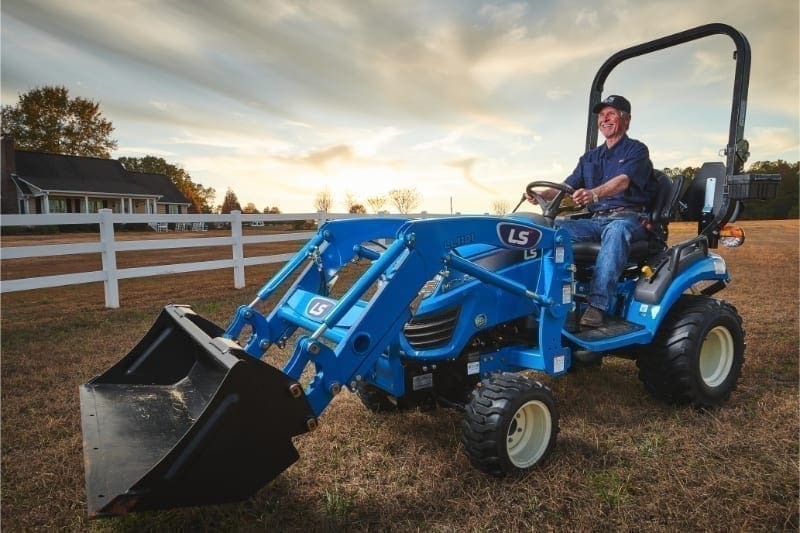
Sub-compact tractors are smaller versions of larger tractors. These are machines that are 25 horsepower or less. The MT1 by LS Tractor is one example.
The factors and specifications below are just some of the things that matter when choosing a sub-compact tractor. These things and more impact what tractor you should and should not purchase.
Of course, different sub-compact tractors can offer a wide variety of abilities, task completions, and task completion times. Other factors to think about include personal (or business) finances, property size, property type, tasks at hand, physical frame size, overall tractor configuration, maintenance costs, operator comfort, implement compatibility, and more. Specifications to study include axle capacity, horsepower, PTO horsepower, hydraulic capabilities, transmission types, fuel range, chassis size, hitch type, lift capacity, wheelbase, and more.
Furthermore, before buying a sub-compact tractor, it’s crucial to walk around different tractor offerings. Look them over in person (or walk around one with comparable sizing) to ensure it meets physical expectations, offers needed features, etc.
Sub Compact Tractor Specifications To Consider
When looking to purchase a sub-compact tractor, there are numerous specifications to consider. Some of these include the following.
Axle Capacity: The front and rear axle capacities are different for each tractor. For example, a tractor’s front axle capacity might be 1,000 pounds and rear axle capacity might be 1,200 (or more).
Engine Type: Sub-compact tractors might offer different engine types. For example, the LS MT125 (24.7 HP) has a 3-cylinder, indirect injection, water-cooled engine.
Horsepower: More accurately described as engine power, horsepower is the indicator of how much a tractor can pull, load, take on, etc. Because of EPA restrictions and other guidelines, very few (if any) newer sub-compact tractors are offered with greater than 24 or 25 horsepower.
Drivetrain: This factor offers two options. Buyers will select a two- or four-wheel drive sub-compact tractor. The latter is ideal for more challenging terrain, such as elevation change or wet ground.
Power Take-Off (PTO) Power: Similarly, PTO power describes how much juice a tractor can take on in its PTO. This number is usually several horsepowers less than the overall engine horsepower.
Hydraulic Capacities: A tractor’s hydraulic capacities impact what it can pull and lift. Finding one that matches, or preferably exceeds, your projected tasks is crucial.
Transmission Types: Generally, smaller tractors are offered only with hydrostatic transmissions. Under 30HP, gear drive transmissions and variances are uncommon. Once over that number of horsepower, you enter the compact tractor category, and other options come into play. Most hydrostatic transmissions come as general HST, HST two-range, etc.
Fuel Ranges: Rising fuel costs make selecting a tractor with a better fuel range even more important. Fortunately, some sub-compact tractors offer better fuel efficiency thanks to lower RPMs, smaller frame sizes, and other factors.
Chassis Sizes: The tractor’s chassis supports the powertrain. It’s important to choose a chassis that best fits the tasks you plan to complete with the unit.
Hitch Type: Different hitch types make certain objectives attainable or not. There are different options, including category 1, limited category 1, etc.
Lift Capacity: Lift capacities range greatly from one sub-compact tractor to the next. The LS MT125 (24.7 HP) has a loader lift capacity of 1,007 pounds and a three-point hitch capacity of 966 pounds.
Rated Speed: The rated speed is the RPM. An example is 3,000 RPMs.
Wheelbase: Wheelbases vary from tractor to tractor. For example, the LS MT125 (24.7 HP) has a 56-inch wheelbase.
In addition to the above, don’t forget to study alternators, brake types, displacement, steering, and more.
Choosing The Best Sub Compact Tractor For Your Needs
When choosing the best sub-compact tractor for your needs, it’s important to consider more than just specifications. Gauge your needs, wants, and limitations and compare these to tractor offerings.
Finances: The first step in entering the sub-compact tractor market is analyzing your finances. What can you afford? What is the total budget for the tractor and needed implements? Answer these questions prior to entering into a purchase agreement. Some might afford a new tractor, while others might consider the used sub-compact tractor market.
Property Size: The size of your property, and the number of tasks to be completed within annual, monthly, and weekly timeframes, are important considerations. In general, larger tracts require larger tractors and smaller tracts are best served with smaller tractors. For example, sub-compact tractors are ideal for small properties, and around the home, such as for landscaping. Oftentimes, from a property size standpoint, sub-compact tractors are ideal for tracts under 50 acres.
Property Type: In addition to property size, property type is important as well. For example, flat-land tracts can be paired with a tractor with a few fewer horsepower. In contrast, hills and steeper terrain might require a little more horsepower to tackle the terrain and still complete tasks at hand.
Tasks at Hand: The tasks you hope to accomplish with the tractor are very important. Most tractors can accomplish most tasks. In fact, sub-compact tractors can do many of the same tasks that a large tractor can complete. That said, how long it takes each tractor varies greatly. (Other exceptions are implement compatibility, weight-lifting limitations, weight-pulling limitations, etc.)
Model Numbers: A tractor’s model number is usually associated with its size and horsepower. Keep that in mind when scanning through offerings.
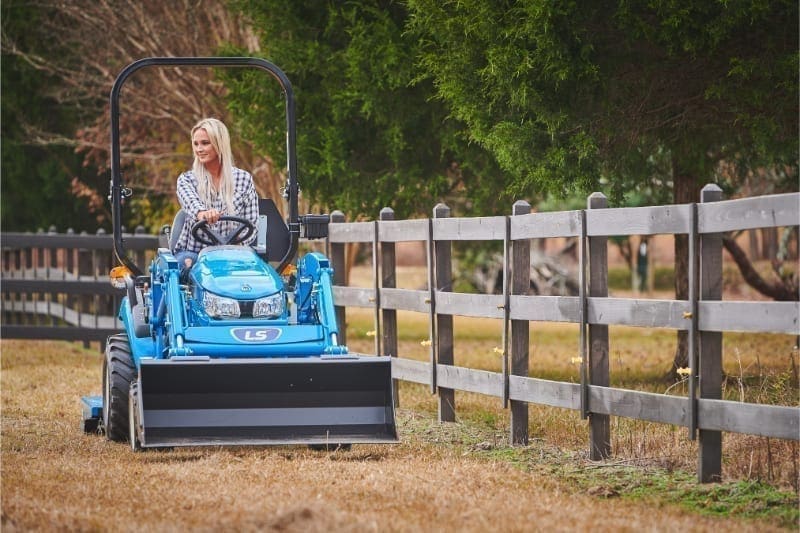
Physical Frame Size: The physical size of the tractor matters. This impacts what it can do, where you can store it, and more. Frame sizes can be significantly larger or smaller (even within the same horsepower number). Oftentimes, a 25-HP sub-compact tractor will have more difficulty performing with ground-engaging (discs, plows, etc.) and PTO-demanding (brush cutters, hay equipment, etc.) implements, especially in the larger frame sizes. This is because, with larger frames, the tractor must allocate more of its horsepower to pull itself, and less can be dedicated to the implement.
Overall Tractor Configuration: Other things factor into the overall tractor build and configuration. Wheel and tire sizes, fuel tank capacity, turning radius, and more.
Maintenance Costs: Some sub-compact tractors cost more to repair than others. Study how much a tractor typically costs for typical repairs and parts replacements and factor these things into the equation. Furthermore, some models include dash panels that provide timely alerts to fix smaller issues, so they don’t become bigger, more expensive problems.
Operator Comfort: Tractors come in different shapes and sizes. These come with different features that offer convenience and comfort. Examples include cabs, turning seats, air-suspension seats, foldable armrests, and more.
Implement Compatibility: A tractor with a higher PTO horsepower will be better suited for PTO-focused implements, such as brush cutters, hay equipment, etc. The same is true for ground-engaging implements, such as discs or plows.
Sub Compact Tractor Must-Have Features And Implements
When considering the purchase of a tractor, it’s essential to think about the must-have features and implements that align with your specific needs. Some of the key features to consider include a cab for shelter and comfort, a drawbar for towing, and extra work lights for better visibility in low-light conditions, among others.

In terms of implements, there are several options depending on the tasks you plan to tackle. A front-end loader and backhoe are great for digging and moving materials, while a mid-mount mower, finishing mower, and grass catcher are perfect for lawn care. Other useful implements include a box blade for grading and leveling, rake grapple, root grapple for handling debris, and a tiller for preparing soil. Depending on your tasks and landscape, these features and implements can enhance your tractor’s functionality and efficiency.
Other Sub Compact Tractor Buying Tips To Know
Some sub-compact tractor buying tips are more obscure. Keep in mind the following tips to remember.
- Know what you need and want from a base tractor.
- Understand the different elements of tractor configuration.
- Decide what attachments and implements you need (prior to buying a tractor).
- Ensure the attachments and implements you need are compatible with the tractor.
- Look into financing options prior to the purchase.
- Know the ins and outs of tractor insurance.
- Study up on warranties, and extended warranties, for each tractor in question.
- Look closely into the dealer network so that you have an option for repairs close to home.
Who Should Buy A Sub-Compact Tractor?
A sub-compact tractor isn’t for everyone. This is a good option for those in the following situations.
- Small chores around the home.
- Small tasks around the farm.
- Small maintenance tasks.
- Landscaping.
- Yard work.
- Those with limited storage space.
- Those with smaller properties.
All things considered, it’s important to find the right sub-compact tractor for your situation. Find the right match for you and your property and don’t forget to allow capacity for some project creep that inevitably comes from the enjoyment of using a tractor to handle your bigger tasks.