

You can’t hit what you can’t see.
This is true regardless of what weapon or what species you’re hunting with. Whether it’s ducks coming into the decoys at first light, a buck in the back of a dimly-lit food plot, or a gobbler on the shady side of a ridge, months of planning can go out the window if you can’t get a proper sight picture at the moment of truth.
As middle-age creeps up on me, I’m slowly realizing that my vision isn’t getting any better. This was painfully obvious to me last fall when zeroing a .22 WMR for hog hunting the local WMA. I’ve always been a tolerable shot with irons, and for stalk hunting pigs prefer them because they’re bulletproof and light weight. But iron sights are blurrier than they used to be. Even at 50 yards offhand, I was able to shoot my scoped squirrel gun much more accurately than my unscoped “bacon-maker.” I’ve noticed a similar issue with the pins on a compound bow. The world is just blurrier in general, I suppose.
We’ve talked about blurry bow sight pins and the issues they cause in the past. One of the great advantages a crossbow provides over a compound bow is that they can be scoped, and scopes provide much better sight pictures than pins, especially for the visually challenged. Much has been written over the years about how to choose the perfect rifle scope, but a crossbow is not a rifle, and the things that make a rifle scope good can actually cost you deer in the field. In this article, we’ll go over the basics of choosing a good, hunting crossbow scope, and discuss some exciting new tech developments in the world of hunting optics.
Understanding the Basics of Crossbow Scopes
Crossbow scopes differ from rifle-specific ones in several ways. Pick one up off-the-shelf, and you’ll notice it’s smaller. Manufacturers can get away with making crossbow scopes smaller because they typically need less magnification than rifle scopes. The lower the magnification, the smaller the objective lens needs to be, and the shorter the scope can be.
Look through a crossbow scope, and you’re likely to notice that instead of a simple, duplex reticle, there are multiple crosshairs. These are there to provide various holdovers for different yardages. Crossbow scopes, especially ones packaged with higher-end bows from a manufacturer’s lineup, are also more likely than rifle scopes to have illuminated reticles.
Key Features to Look for in a Crossbow Scope
There’s definitely nothing wrong with a crossbow scope being shorter and lighter. Crossbows are heavy beasts; there’s little sense in compounding that problem with a heavy scope. There’s also little need for high levels of magnification, since crossbow shots are typically close-in affairs and deer vitals are relatively large targets. While deer hunting doesn’t require the lightning-fast reflexes needed for wing shooting, fast target acquisition is still important in the deer woods, and low light performance is perhaps the single most important trait of a good crossbow scope.
Unfortunately, you’re unlikely to find large, 40-50mm objective lenses on crossbow scopes. With smaller objective lenses the norm, it’s crucial that you don’t push the magnification on these smaller scopes. Less is definitely more here. Lens and prism quality is also important. When you’re limited in the amount of light you can let in, you definitely don’t need to lose any of it as it makes its way through cloudy glass. The best way to hedge against cheap glass is to spend some money. Higher-end optics typically use better components, and will be water, shock, and fogproof as well. Crossbows are subject to a lot of vibration, both when fired and when bouncing around in the backs of pickups or on UTV racks. Cheap units usually fail at inopportune times.
Types of Crossbow Scopes
Over the years, I’ve owned and hunted with a variety of crossbow scopes. To make a long story short, all of them that I’ve hunted with have performed adequately at worst. I have, along the way, parted with a few paperweights that I didn’t even bother trying to sight in, but assuming that you have at least $150 or so to spend (a relatively small sum in the grands scheme of a hunter’s budget) you can buy a scope that will perform well from first to last light, and do so for the rest of your life.
That said, I’ve preferred some scopes to others. My current favorite is a small, simple reflex sight zeroed to 30 yards. With the flat trajectories provided by today’s fast bows, a very small amount of Kentucky windage allows me to quickly put bolts on deer in the dense woods of the American Southeast. It’s not a conventional choice, but the extreme light weight, excellent low-light performance, and unparalleled field-of-view has really grown on me over the past several years.
My second favorite crossbow scope was a very plain, 3×32 model produced by a well-known entry-to-mid level brand. It was water, shock, and fog proof, and the 3 crosshairs on the reticle were close enough for government work at 20, 30, and 40 yards.
As you might can tell, I have a personal preference for lightweight and simple. The variable power scopes I’ve hunted with usually end up with the dial parked on the lowest magnification settings. This is simply a function of how and where I hunt. Alabama public land is not known for wide-open spaces and long range shot opportunities, but if you spend a lot of time on large food plots, features like variable magnification, multiple reticles, and integrated range-finding capabilities can be useful.
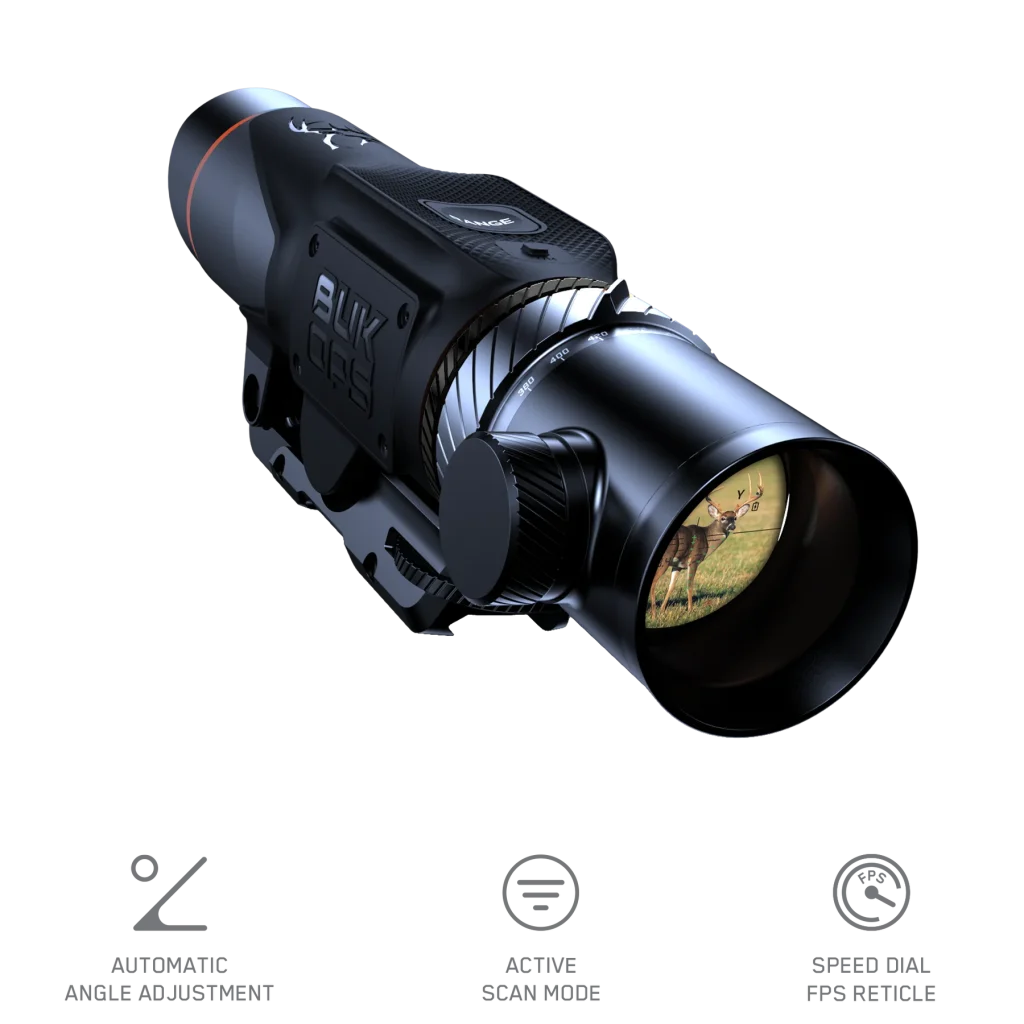
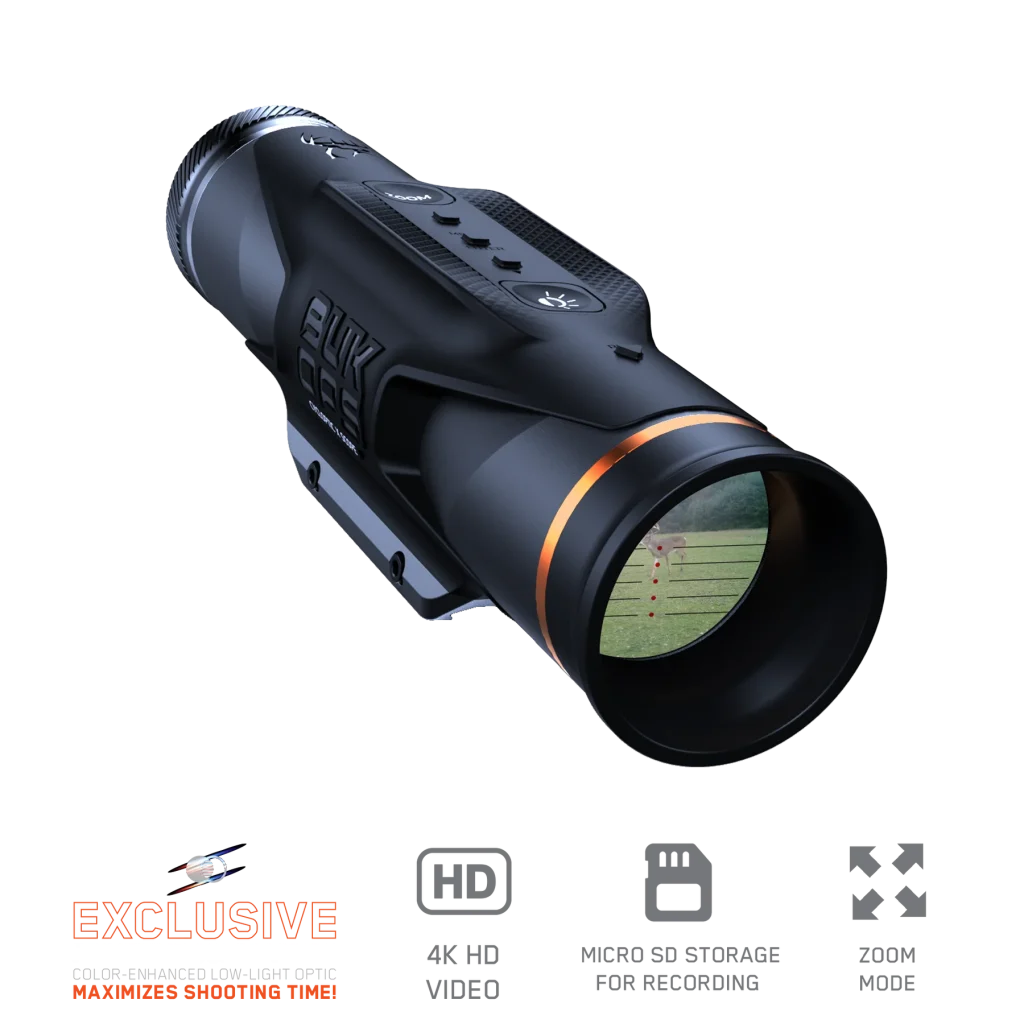
As crossbows have become more popular, neat features historically reserved for the larger firearms market have crossed over. Companies like Buk Ops now offer scopes with onboard, digital rangefinders. Another Buk Ops innovation is their Primetime Crossbow Scope, which offers digitally-enhanced low-light performance without relying on (usually illegal for hunting) infrared or thermal imaging. In addition to offering some truly impressive low light images, the scope also allows hunters the ability to record their shots with the press of a button. This is obviously a cool feature for hunters who like to share their hunts, but it also can be of great practical use. I have had many hunts where I wished that I could replay shot footage as a first step in a lengthy recovery effort.
Tips for Zeroing and Maintaining Your Crossbow Scope
Regardless of the model you choose and the money you spend, a scope’s performance is largely dependent on its mounting job. The same advice for mounting a rifle scope applies to mounting a crossbow model. Use good mounting hardware, tighten it to the manufacturer’s recommendations using a good torque wrench, make sure everything is level, and Loctite everything. If you don’t have a torque wrench or the tools to make sure your scope is level to your weapon, money spent having the scope installed by a professional is money very well spent. It’s also an excellent idea to scratch or paint witness marks on mounting screws so that you can quickly perform a visual inspection before a hunt to make sure that nothing is rattling loose.
Once properly installed and zeroed, a scope should be pretty maintenance-free. A neoprene scope cover is cheap insurance against scratched glass and light knocks. Nitrogen-purged models will not allow condensation to gather inside the scope, but some sort of coating (Cat Crap is a favorite of mine) will help to prevent it from collecting on the exterior.
Conclusion
While most crossbows come with cheap scopes pre-installed, they’re mostly eye-candy. Remember, you can’t hit what you can’t see. A good scope might seem like a big expense at first blush, but it’s a one-time buy that performs an extremely important job. My advice would be to think about your scope a lot up-front so that you never have to think about it at all when you’re in the field.