

For duck hunters in the Southeast, the best shot at world-class waterfowl hunting is to head west, especially toward the Mississippi River. Each fall, a flood of ducks and geese follow the river south to their wintering grounds, and hunters have a wealth of options along this migration path. While some driving may be required for hunters living in larger metropolitan areas, the good news is you don’t have to go far to find excellent hunting spots. In fact, you might not need to go farther than Mississippi. With plenty of public areas, easy access, and great accommodations, it’s a fantastic destination for duck hunting.
Let’s explore some top waterfowl hunting locations for Southeast hunters.
Arkansas
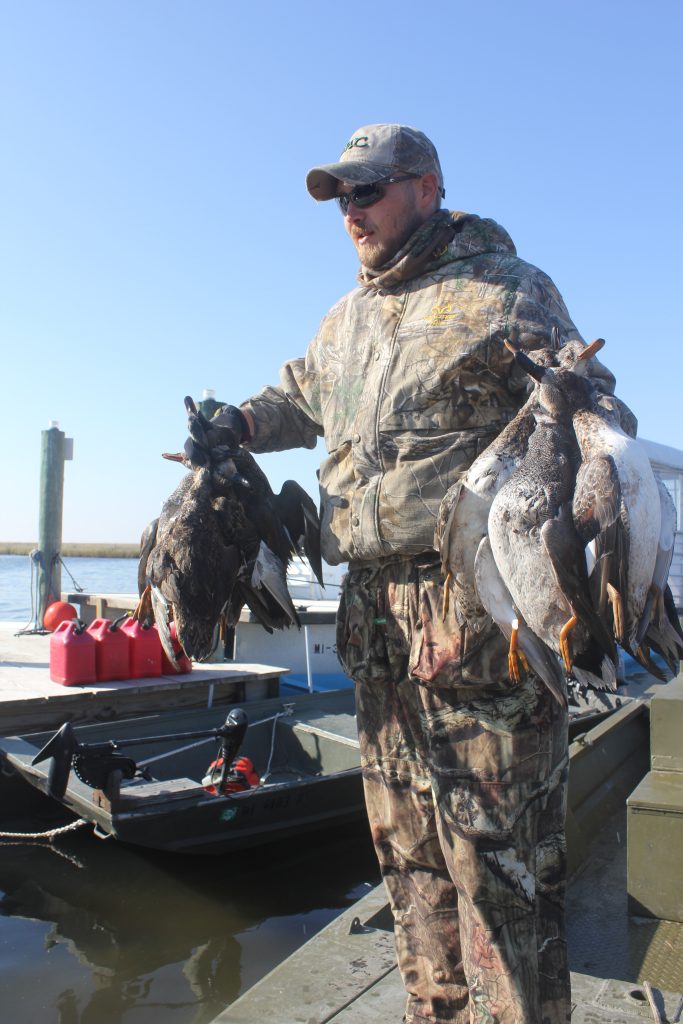
Arkansas, known as the “Land of Opportunity,” is home to some of the world’s most famous flooded-timber duck hunting. Every fall and winter, thousands of mallards and other ducks pour into the state’s eastern flooded lands, offering excellent hunting. Weather conditions up north play a key role in migration patterns, so hunters should monitor these closely to time their trips for peak migration.
Top Spots
The Bayou Meto Wildlife Management Area is renowned for its green-timber duck hunting. While the opening days of the season can see crowds of 1,500 to 2,000 hunters, the average drops to about 350 hunters daily as the season progresses. Duck numbers vary based on the mast crop and water levels each year.
Another iconic spot is the White River National Wildlife Refuge, where hunters can experience uncrowded, wild flooded timberlands. Spanning 90 miles along the lower White River, this refuge covers 154,000 acres of forest, 4,000 acres of water across 356 lakes, and 1,000 acres of grasslands. It’s a prime spot for waterfowl.

Louisiana
Louisiana’s deep duck hunting heritage still thrives today. The Mississippi Flyway, the nation’s largest waterfowl migration pathway, funnels thousands of ducks and geese into Louisiana’s bayous and backwaters, making it a hotspot for duck hunters.
Top Spots
The Atchafalaya Basin is a famous duck hunting area. As the country’s largest river swamp, it covers nearly one-half million acres of hardwood swamps, lakes, and bayous, providing habitat for a rich variety of wildlife. Located 30 miles from Baton Rouge, it’s easily accessible by boat.
Cameron Parish offers fantastic duck hunting in its wide-open marshes and bayous. Established in 1988, the Cameron Prairie National Wildlife Refuge was the first refuge created under the North American Waterfowl Management Plan. Positioned at the convergence of two major flyways, it plays a vital role in supporting migratory birds.

Mississippi
Mississippi’s prime duck hunting locations along the eastern banks of the Mississippi River are closer to Southeast hunters than many other premier spots, making it an accessible and convenient destination.
Top Areas
The Delta National Forest offers great duck hunting during the state waterfowl season, especially in areas north of Main Pass and south of Raphael Pass. The splays and bayous north of Main Pass are particularly productive, while other sections of the refuge are closed to hunting, providing sanctuary for wintering waterfowl.
Noxubee National Wildlife Refuge, located just 20 minutes from Starkville, was established for the conservation of migratory birds, especially waterfowl. Once over-farmed land, it’s now home to a diverse range of wildlife and offers hunters a chance to explore its hardwood forests and marshlands.
Additionally, the Mississippi Flyway is a critical migration route, attracting millions of waterfowl each year. With its abundant wetlands and varied habitats, Mississippi provides excellent opportunities for both novice and experienced duck hunters. According to Visit Mississippi, hunters can also enjoy guided hunts that enhance their experience while ensuring they have access to the best locations and techniques for a successful outing.
Missouri
Missouri’s river bottomlands along the Mississippi and Missouri Rivers present an awe-inspiring sight for duck hunters, with tens of thousands of waterfowl passing through during their southward migration. At times, snow geese and other species can cover the landscape, making it appear as if snow has blanketed the fields.
Top Hunting Areas
The Duck Creek Conservation Area, located in southeastern Missouri, is a remnant of the bottomland hardwood forest that once covered much of the state. It provides ideal habitat for waterfowl and offers diverse hunting opportunities across its 6,318-acre expanse.
Grand Pass Conservation Area, situated in the famous “Golden Triangle” of Missouri, is another top location. This area along the Missouri River is home to thousands of migrating ducks and geese each fall, with a variety of landscapes and waterfowl species available to hunters.
North Dakota
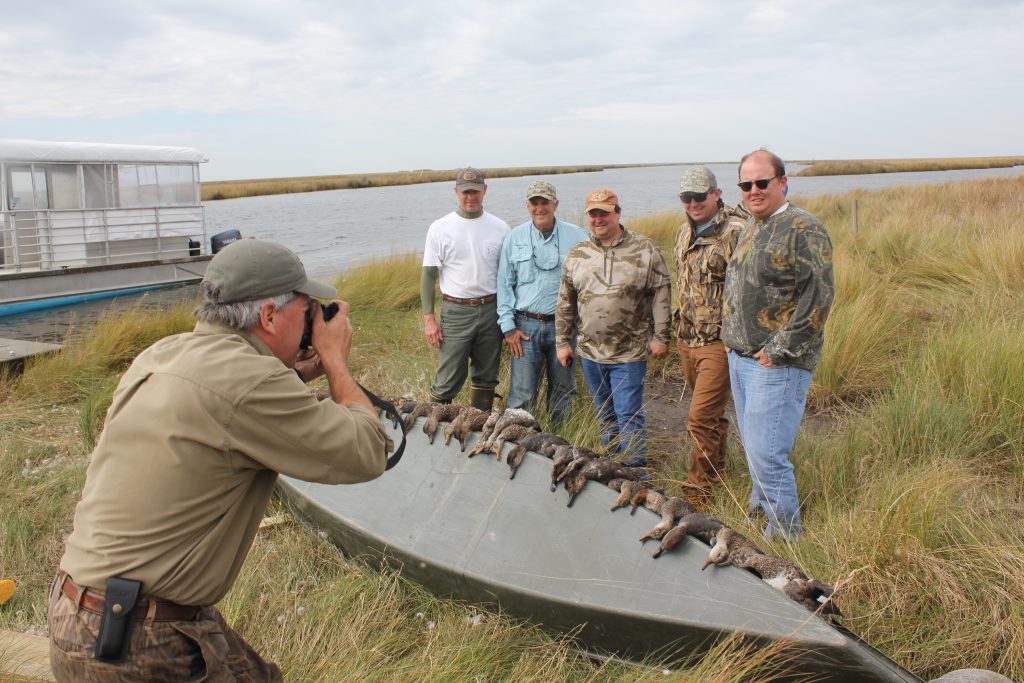
North Dakota offers a unique experience for late-season duck hunters, but reaching these hunting grounds is no small task. From Birmingham, it’s about 1,400 miles—more than 20 hours of driving. While a North Dakota hunt isn’t a quick trip, it’s a bucket-list destination for many waterfowlers, offering world-class hunting in the Prairie Pothole Region.
Best Hunting Areas
Devils Lake is a prime destination for ducks and geese migrating south from Canada’s prairie provinces. Rising waters in recent years have expanded the lake, providing even more habitat for waterfowl.
The Prairie Pothole Region, known for its rich wetlands, supports globally significant populations of breeding waterfowl. Hunters in this region can expect to shoot mixed bags of mallards, teal, gadwall, wigeon, and pintails from late September through mid-February.
Fianl Thoughts
For Southeast duck hunters, accessing world-class waterfowl hunting doesn’t have to be difficult or expensive. The Mississippi River region, in particular, offers a wealth of public and private hunting areas within a short drive from major metropolitan areas. While a North Dakota hunt may be a dream for many, looking closer to home at destinations like Mississippi and Louisiana makes perfect sense for duck hunters in the Southeast.