
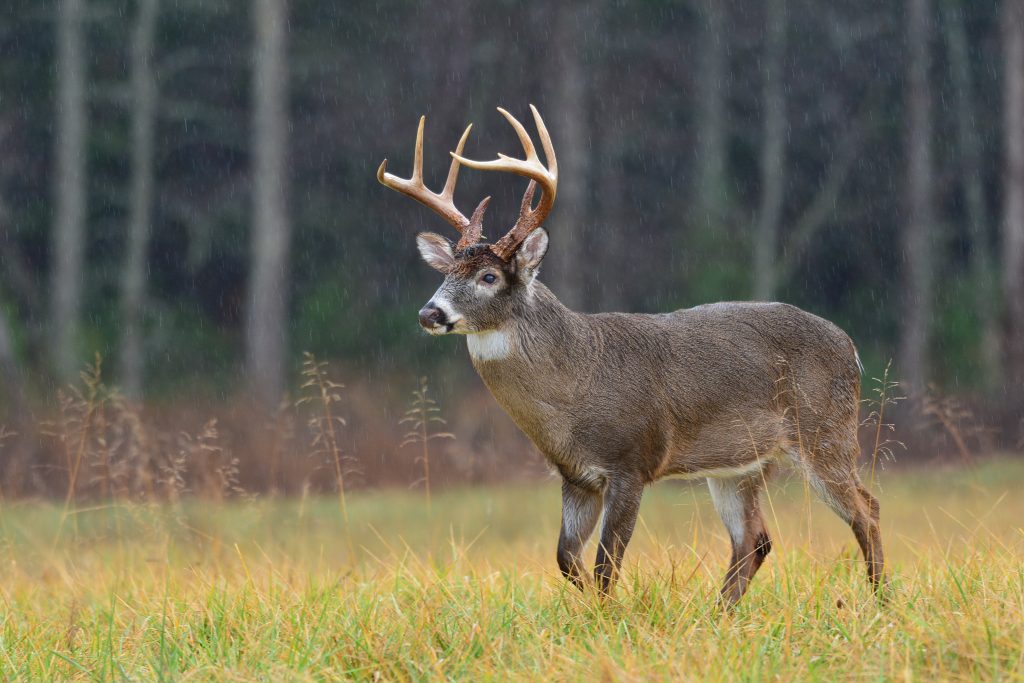
When it comes to managing land for deer hunting, many hunters instinctively zero in on food plots. But according to Dr. Bronson Strickland, a longtime deer researcher, Extension Wildlife Specialist, and former Co-Director of the MSU Deer Lab, that is only half the equation. In a conversation with Great Days Outdoors, he unpacked several deer habitat projects that hunters and landowners can do themselves to create more huntable, deer-friendly properties without needing a fleet of heavy machinery.
“Food’s important,” Strickland said, “but cover is often the missing piece. When you combine both and hunt smart you start to see consistent daylight movement.”
Here are six DIY-friendly deer habitat projects drawn from Strickland’s insights, plus an additional tip for the habitat managers who want to go above-and-beyond.
1. Rethink Food Plot Access: Planting Your Path
If you’re only able to visit your property a few weekends a year, make your hunting pressure count. Strickland emphasized minimizing disturbance in food plots, especially entry and exit routes.
“Access is something you can control,” he said. “Even if you’re hunting food, how you get in and out without deer seeing or smelling you can make or break a hunt.”
Planting or leaving screening cover like tall native grasses along access trails can help you move to and from stands undetected. Likewise, positioning stands to hunt the edges or ends of plots instead of directly over them can reduce pressure and increase the effectiveness of your setups.
2. Create Bedding Sanctuaries with Sunlight and a Chainsaw
Every property needs places where deer can bed down undisturbed, and you don’t need heavy machinery to make it happen. Strickland recommends starting with remote, low-traffic areas that already see little human interference for your deer habitat. These make ideal “sanctuaries,” or zones where deer feel safe moving and bedding throughout the day.
“Start with areas you don’t already use,” he said. “If it’s already out of the way, just let sunlight in. That’s all it takes to grow cover.”
Improving these areas is simple and highly effective. Use a chainsaw to selectively drop trees and open up the canopy, letting sunlight hit the forest floor. That light jump-starts thick, protective vegetation—everything from blackberry thickets to saplings to native grasses. What matters most isn’t the species of plant, but the structure it provides. If a deer can lie down and stay hidden from all sides, it’s quality cover.
In short, sunlight creates growth, and structure creates security. Together, they build the kind of sanctuary deer will return to again and again.
3. Build Soft Edges and Feathered Transitions
Hard edges where open fields meet dense woods can make deer hesitate. A soft edge is a gradual blend of habitat types, often 20–30 yards wide, that eases the transition from cover to open space.
“Think of it like the shallow end of a pool,” Strickland said. “Deer don’t have to jump into the deep end. They can ease out, look around, and decide whether it’s safe.”
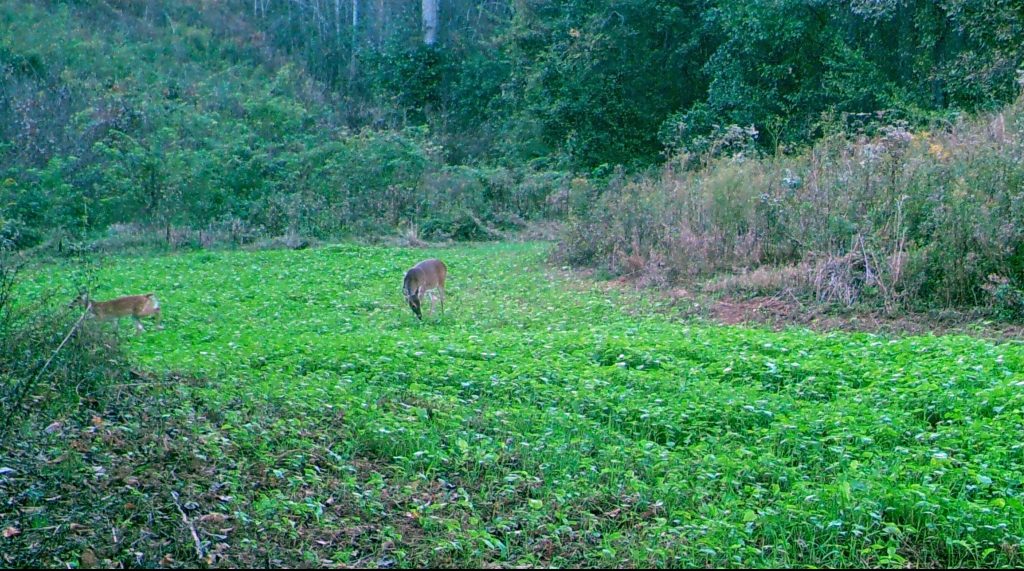
You can create soft edges by disking field borders, letting vegetation grow in layers of height and density. These transitions make deer feel more secure when stepping out to feed, and they often stop just long enough for a perfect shot opportunity.
4. Establish Travel Corridors with Cover
Deer, like people, take the path of least resistance, but only if they feel safe. You can use downed trees (again, with your handy chainsaw) or brush piles to steer deer toward desired travel routes. These corridors lined with thick cover just a few feet off the trail encourage daylight movement, and offer outstanding bowhunting opportunities.
“Three feet to the right or left, they’ve got cover to dive into,” Strickland said. “But until then, they’ve got a clear path and a sense of security.”
5. Thin Oak Stands to Boost Acorn Production and Ground Cover
It might sound counterintuitive, but you can actually increase acorn production on your property by removing oak trees—specifically, the ones that aren’t producing.
Strickland referenced long-term research showing that when low-producing oaks are removed and better-producing trees are given more sunlight, water, and growing space, overall mast production can be maintained and potentially increased over time. “You’re freeing up sunlight, water, and nutrients for the ones that matter,” Strickland explained. “The result is more food, not less.”
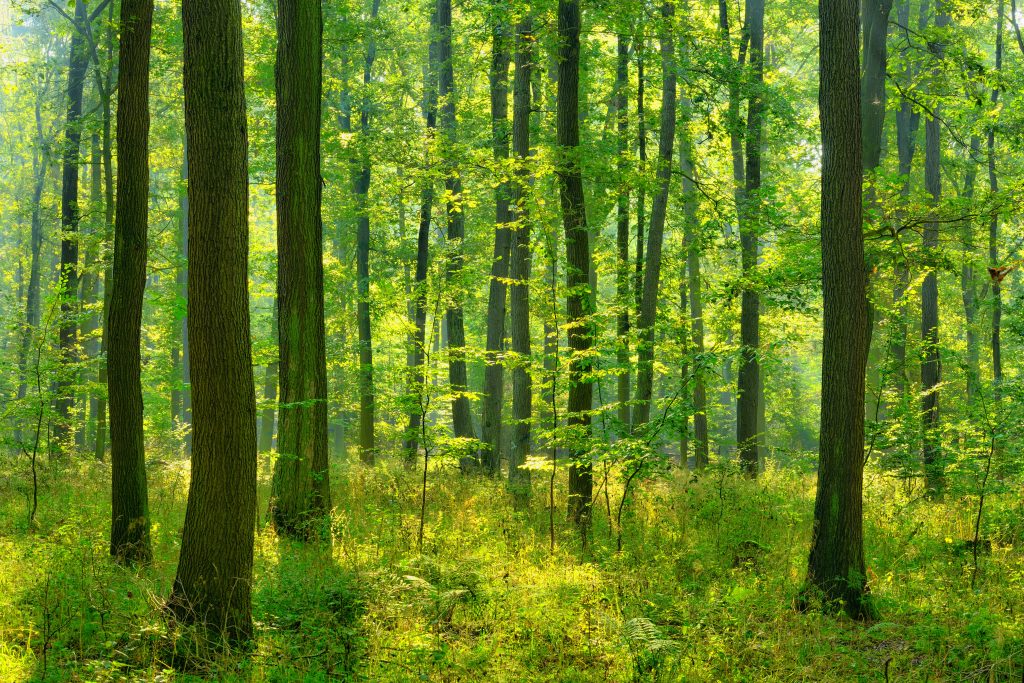
Thinning hardwood stands doesn’t just help the canopy layer. It also jump-starts growth on the forest floor. With more sunlight reaching the ground, herbaceous plants and browse species flourish—giving deer both food and cover in the same area.
“You can do this in a uniform thin, or with patch cuts,” Strickland said. “Either way, you’re increasing habitat quality across layers. And if you’re not comfortable using prescribed fire in hardwoods, this is one of the best ways to still manage vegetation safely and effectively.”
It’s a win-win: more acorns above, more forage and bedding below—all from a few thoughtful cuts.
In addition to Strickland’s suggestions for enhancing native mast production through thinning, another way to boost both the quantity and consistency of food on your property is to plant additional mast-producing species in select areas. While mature oaks can provide strong fall forage, layering in soft mast and early-dropping species helps extend the availability of high-value food throughout the year, especially on properties that lack native hardwoods. It’s a long-term investment, but one that pays dividends in wildlife attraction and movement predictability.
6. Create a Year-Round Mast Plan
If you want deer to treat your property as a permanent address rather than just a seasonal stopover, a well-designed, year-round mast plan is a game-changer. Mast refers to the nuts and fruits produced by trees and shrubs, categorized as hard mast (like chestnuts and acorns) and soft mast (such as persimmons, mulberries, and plums). Unlike annual food plots, mast trees provide dependable, low-maintenance food for decades once established.
The key is timing. By planting a mix of species that produce from spring through fall (mulberries in early spring, figs and berries in summer, chestnuts and persimmons in fall) you create a seamless food calendar that keeps wildlife coming back. This staggered approach not only supports healthy deer populations but also encourages more predictable movement patterns.
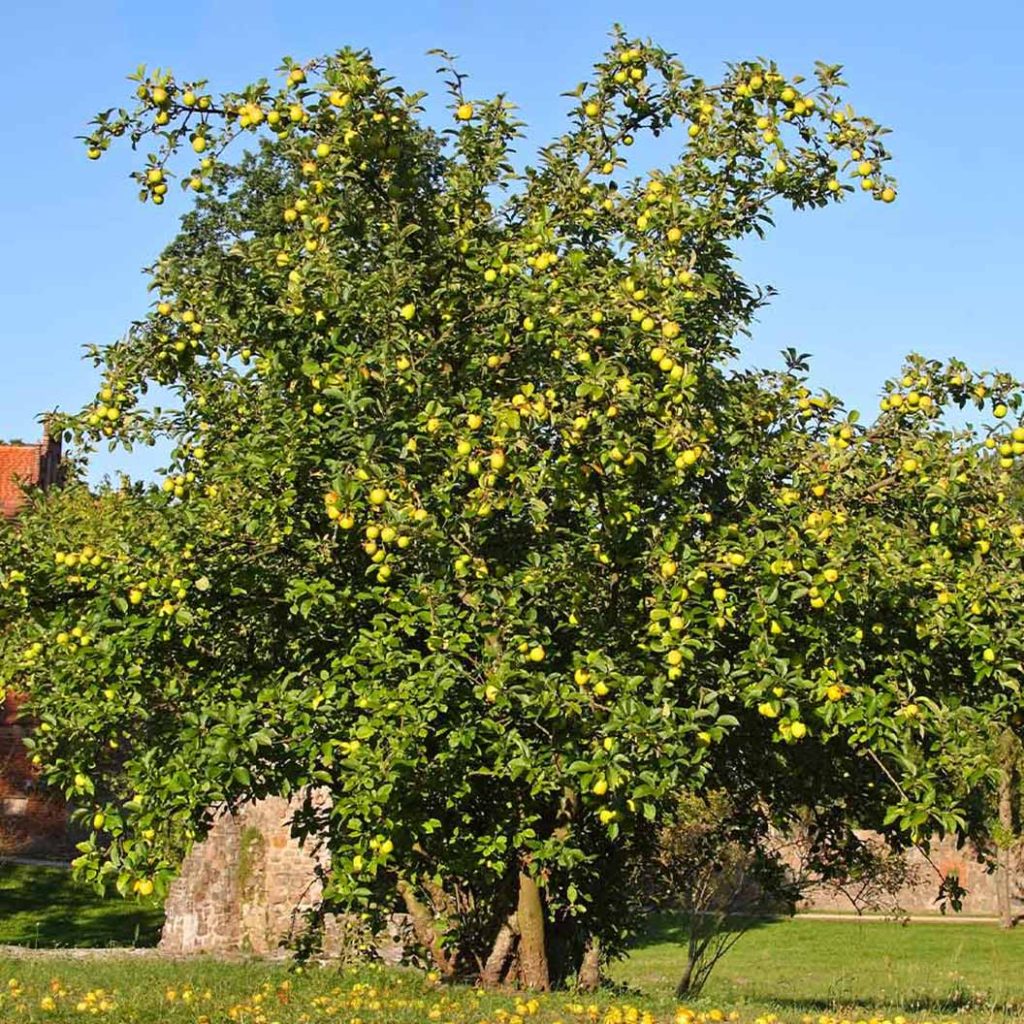
For expert guidance, Chestnut Hill Outdoors is one of the top authorities on mast tree selection and planting. Their team offers region-specific advice, and their nursery provides high-quality, fast-producing trees like Dunstan chestnuts, which start bearing nuts in as little as three to five years.
As Iain Wallace of Chestnut Hill puts it, “A well-planned mast calendar isn’t just good for wildlife. It’s good for your land. It attracts game, creates predictable patterns, and adds beauty and productivity to your property.” He also recommends planting diverse species together rather than in separate blocks, so wildlife learns to rely on specific areas for year-round food.
Final Thoughts: Hunt Smart, Not Just Hard
Whether you own 50 acres or 500, many of the most effective habitat improvements don’t require big budgets or big machines—just a strategic mindset. As Strickland emphasized, managing hunting pressure, planning for access, and diversifying your habitat with cover and structure can make your property more attractive to deer, especially during daylight hours.
“So much time and energy goes into food plots,” he said, “but we often overlook cover. Both are critical. When you pair the two and reduce pressure, that’s when the real magic happens.”
Want help planning your deer habitat? Strickland is now Co-Founder and Lead Wildlife Biologist with Wildlife Investments, a collaborative group of experts in deer, timber, waterfowl, and land management, a collaborative group of experts in deer, timber, waterfowl, and land management.