
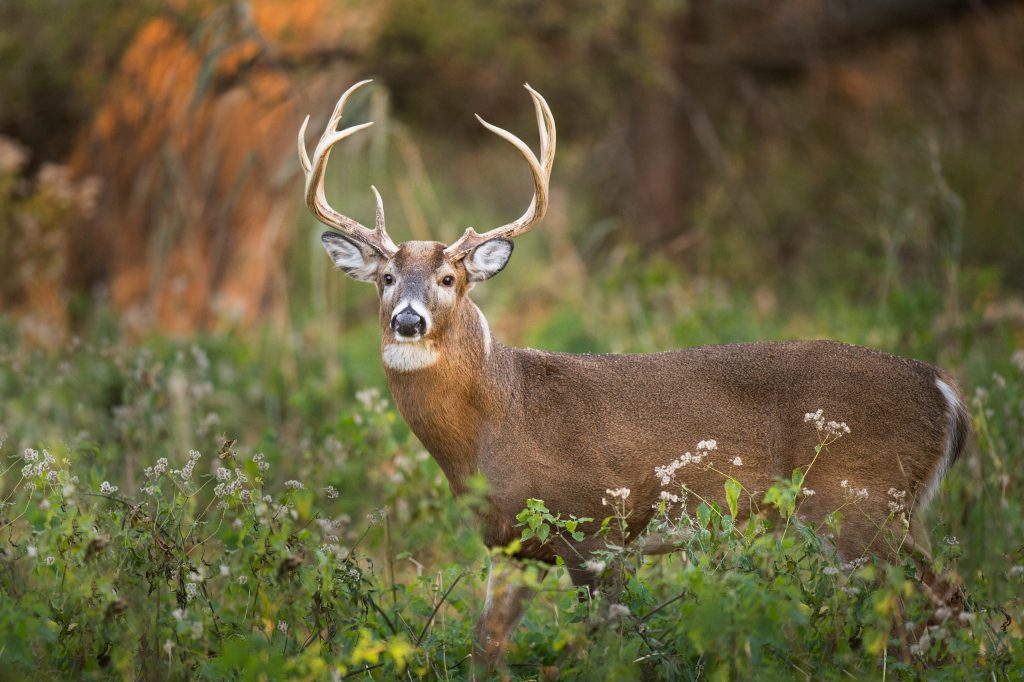
If you want a better hunting season, it starts long before the leaves change color. Caleb Weaver of Southern Seed and Feed knows this better than most. As a lifelong land manager and seed expert who works directly with hunters and landowners across the Deep South, Caleb’s advice goes beyond bag recommendations. He offers a detailed, boots-on-the-ground playbook for planning your fall food plot the right way.
Getting Started Early
“It’s never too early to start doing some research and thinking about your goals,” Caleb said. He encourages folks to begin their planning as early as July, even if planting won’t happen until October or November. “Start by just getting out there. Take a look at your plots, check your mineral sites, and get a feel for the property. You need to know what you’re working with.”
Assessing the Condition of Your Plots
One of the first things Caleb suggests is grabbing a shovel and pulling soil samples. “Soil testing is the foundation of everything you want to do,” he emphasized. For about $10 through your Extension office or local feed store, you can get detailed results showing your pH, phosphorus, potassium, magnesium, and more. “Think of the food plot as a vessel. If the soil doesn’t have the nutrients, then it doesn’t matter how good your seed is—the deer aren’t getting what they need.”
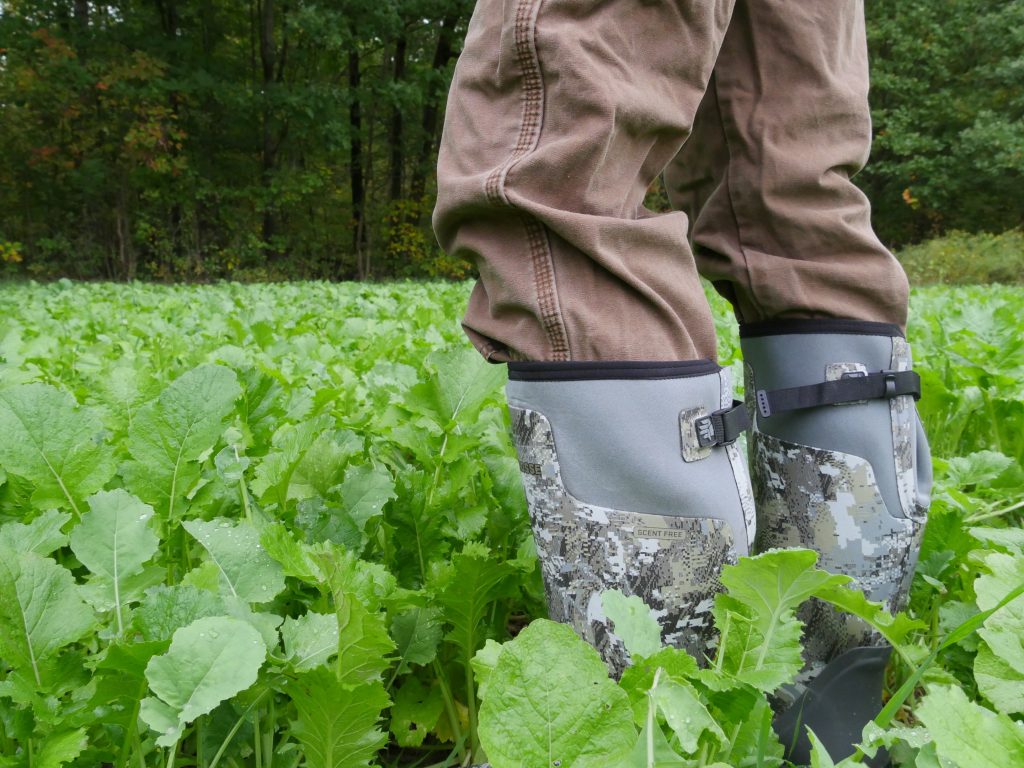
It’s also a great time to scout for weed pressure or lingering forage. Caleb encourages landowners to take photos of any plants they can’t identify and bring them to a feed store or Extension agent for advice. “Be specific about your goals,” he said. “That changes what kind of herbicide or mechanical method you should use.”
Soil Amendments
When it comes to amending your soil, Caleb is quick to point out that not everyone has the budget to make everything perfect. “Ag lime is the best, but if you can’t get a buggy into your spot or can’t afford to apply enough right away, you’ve got options.” One of those is pelletized lime, which is more expensive but easier to apply. Another is using liquid calcium sprays that can provide a quicker pH bump. “They won’t last as long, but they can get you through the season.”
Fertilizer mistakes are common, too. Caleb warns against applying it without understanding what your soil is lacking. “If your phosphorus is already high and you dump more on, you’re not helping. You’re wasting money.”
Terminating Existing Vegetation
After assessment and amendment, the next big step is vegetation control. Caleb breaks this down into three strategies: chemical, mechanical, and alternatives like crimping or mowing.
“Chemical is effective and targeted, but be careful around your property lines or sensitive plantings,” he said. Mechanical termination—like bush hogging—is a great way to get started, especially for clearing lanes and opening space. But he cautions that mowing alone might not stop aggressive weeds. For those interested in a more regenerative approach, Caleb recommends crimping or planting green, but only if you’re familiar with those systems.
Preparing the Seedbed
Once the vegetation is down and amendments are added, seedbed prep comes next. “I’m a fan of bush hogging first, just to get a clean slate and see what you’re dealing with,” Caleb said. Then, if you have access to a disc, tilling can help create good soil contact—but don’t overdo it, especially in sandy soils. “Dragging your seed too deep is a fast way to fail. Clover, brassicas, and small seeds won’t come up if they’re buried too far.”

For those with limited equipment, Caleb says throw-and-mow can still work—especially for smaller “kill plots.” “Just plan to use 25 to 50% more seed, especially if you’re seeding into heavy vegetation. And be smart about how you mow—you want the clippings to create a protective layer, not a smothering mat.”
Choosing the Right Seed Blend
Selecting the best seed blend for you fall food plot comes down to your goals, your soil, and your method of planting. “We start with your budget and your objectives,” Caleb said. “Do you want to try something new like brassicas? Are you aiming for tonnage or attraction during a certain part of the season?”

Southern Seed and Feed offers blends tailored to just about every situation. Super Buck is a favorite, featuring eight plant varieties: wheat, forage oats, Austrian winter peas, trophy rape, Balansa clover, crimson clover, Daikon radish, and turnip. For low pH and bottomlands, Buck Magnet performs well, it comprises wheat, forage oats, rye, elite II berseem clover, appin turnip, and balansa clover.
I’ve had good success from planting a mix of Super Buck and Ideal Plus at my property in central Alabama. Ideal Plus clover blend is built for Southern climates and coated with Delta AG for enhanced resilience. “Those coatings help preserve the seed if it sits waiting on rain,” Caleb explained. “It can make the difference between failure and success.” But with that said, coatings like this can cause problems from DIY plotters who want to mix their own seed.
How Seed Coatings Can Throw Off Your Seeding Rates (and How to Avoid a Costly Mistake)
One of the biggest pitfalls when blending your own fall food plot seed—or even when simply applying a pre-made blend—is not accounting for the weight of seed coatings when calculating your seeding rate. Many modern seed varieties, especially premium blends, are coated with protective substances that help seeds survive stress, improve germination, and establish better. While these coatings are a huge benefit for plant success, they add considerable weight to the bag.
Here’s where the trouble starts: when a seed tag lists the bag weight (say, 50 lbs), it’s easy to assume you’re getting 50 lbs of seed. But in many cases, only a percentage of that weight is actual seed. The rest is coating. So if a recommended planting rate calls for 5 lbs per acre, and you calculate based on total bag weight, you’ll be under-seeding your plot by a wide margin—sometimes by as much as half. Even worse, germination rates can vary, further reducing the effective planting density.
The solution? Always check the tag for Pure Live Seed (PLS), which factors in both the proportion of actual seed and the germination percentage. Use the PLS weight—not total bag weight, when calculating how many acres your seed will cover. Blends from reputable companies like Southern Seed & Feed have already factored this into their seeding rate recommendations, saving you the math. And if you’ve ever spent a hot summer day trying to weigh seed in the field and make calculations, you’ll quickly see why it pays to let the professionals blend your seed for you. Ask me how I know.
Timing & Planting Strategy
While frost dates are a useful guide, and it’s generally recommended to plant 45-60 days before your average first frost, Caleb stresses the importance of rainfall. “In a perfect year, I’d plant the first week of October. But last year, I had to wait until November.” Being flexible is key, especially if you can only get to your land on weekends. “Have your soil prepped so you’re ready when the rain comes.”
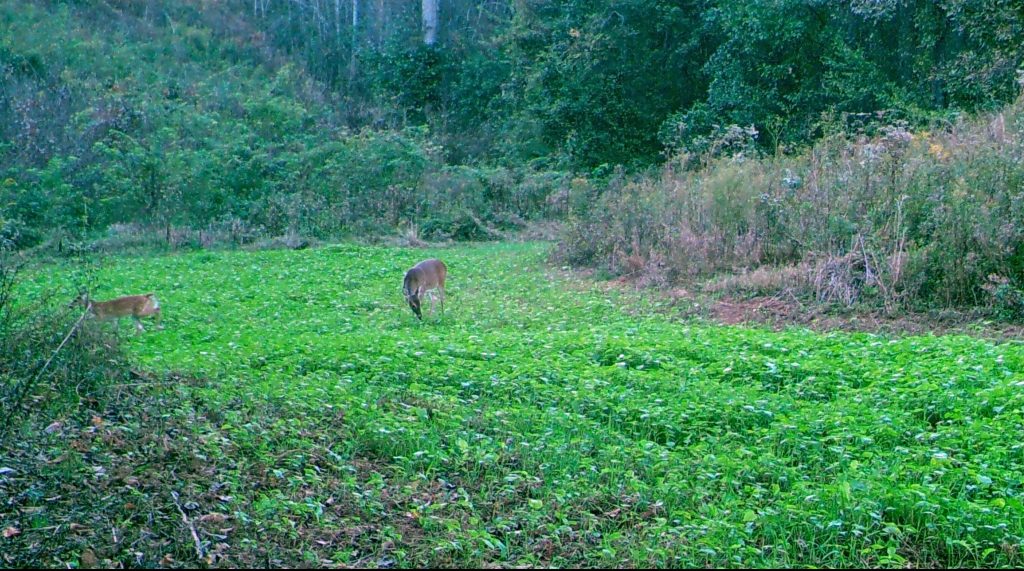
He recommends layering seed applications when broadcasting. “Put your large seed down first, then come back over with small seed like clovers,” Caleb said. “That way you’re not burying them too deep, and everything gets a fair shot.”
What Success Really Looks Like
Success isn’t about how green your plot is on day one. It’s about whether it feeds your deer when they need it most. Caleb encourages hunters to install exclusion cages to see just how much deer are actually eating. “You might think your plot failed, but inside the cage it’s 8 inches tall and outside it’s chewed to the dirt. That’s a successful fall food plot.”
In the end, Caleb believes time is your most valuable resource when it comes to a fall food plot. “You can fix a lot with the right seed and a good plan. That’s what we’re here for. We test every blend in multiple soil types, under real-world conditions, and we want to put people in the best seat possible for success.”