
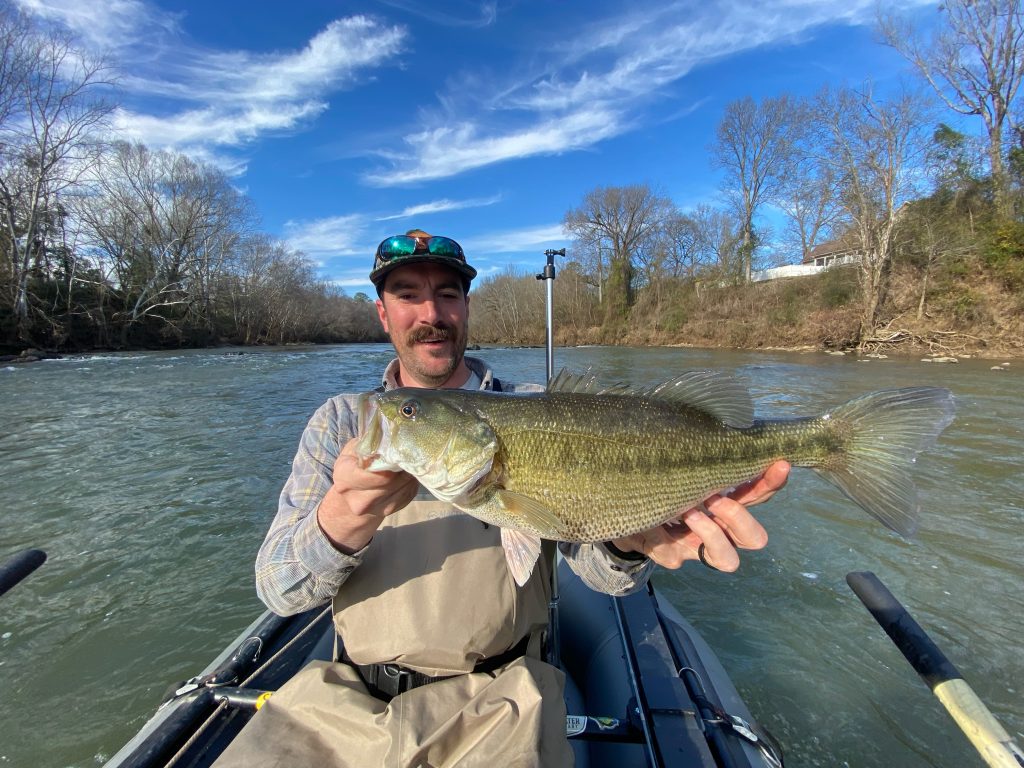
Selecting the right bass fishing rods can be overwhelming, especially with so many options available. To simplify, we spoke with three experts: Steve “Graz” Graziano, Captain Wayne Miller, and Alex Davis. Each of these seasoned anglers narrowed down their choices to just three rods that cover the majority of bass fishing scenarios, whether you’re a beginner or an experienced angler.
The Medium-Heavy Baitcasting Rod: “The All-Purpose Workhorse”
Graziano’s Pick: Graziano, a well-respected guide who operates in the Lake Eufaula region, recommends a 7’2″ to 7’6″ medium-heavy baitcasting rod as the ideal all-purpose choice. This rod offers versatility for a range of techniques and lure types, from crankbaits to spinnerbaits and chatterbaits. “A medium-heavy baitcasting rod can do it all,” Graziano explains. He particularly favors options from Lew’s, Shimano, and the Daiwa Tatula lineup, with the Tatula rods noted for their balance of performance and affordability. “For the money, the Tatula rods are hard to beat,” he adds.
Davis’s Take: Professional angler Alex Davis, who mainly fishes the Tennessee River Lake systems in North Alabama, agrees on the medium-heavy baitcasting rod but opts for a 7’2″ Shimano Curado rod. “A seven-two can do just about anything,” he says, highlighting its ability to handle spinnerbaits, rattle traps, and chatterbaits. Davis values the versatility of this rod, emphasizing that it’s an excellent starting point for bass anglers who need one rod that performs in multiple situations.
Miller’s Input: Captain Wayne Miller, who guides on the Mobile-Tensaw Delta, also supports the utility of a medium-heavy baitcasting rod. For Miller, a 7’2″ to 7’3″ rod works perfectly for heavier plastics and creature baits, especially when fishing grass beds along shallow areas. Miller values the medium-heavy’s strength and believes it gives enough power for bass while avoiding the tendency to overpower fish in shallow water setups. “It softens it up just enough,” he notes, “and you don’t lose as many fish with it.”
The Spinning Rod: “Finesse for Finicky Fish”
Graziano’s Recommendation: For finesse techniques, Graziano suggests a 7’2″ spinning rod, essential for fishing pressured waters or clear conditions where bass are likely to shy away from heavy tackle. “An excellent spinning rod can be your best friend when bass are picky,” he explains. Graziano’s pick from the Daiwa Tatula lineup is a medium-light or medium-power rod with strong sensitivity, ideal for drop shots, shaky heads, and small swimbaits. According to him, the spinning rod’s sensitivity helps detect subtle bites that a baitcaster might miss.
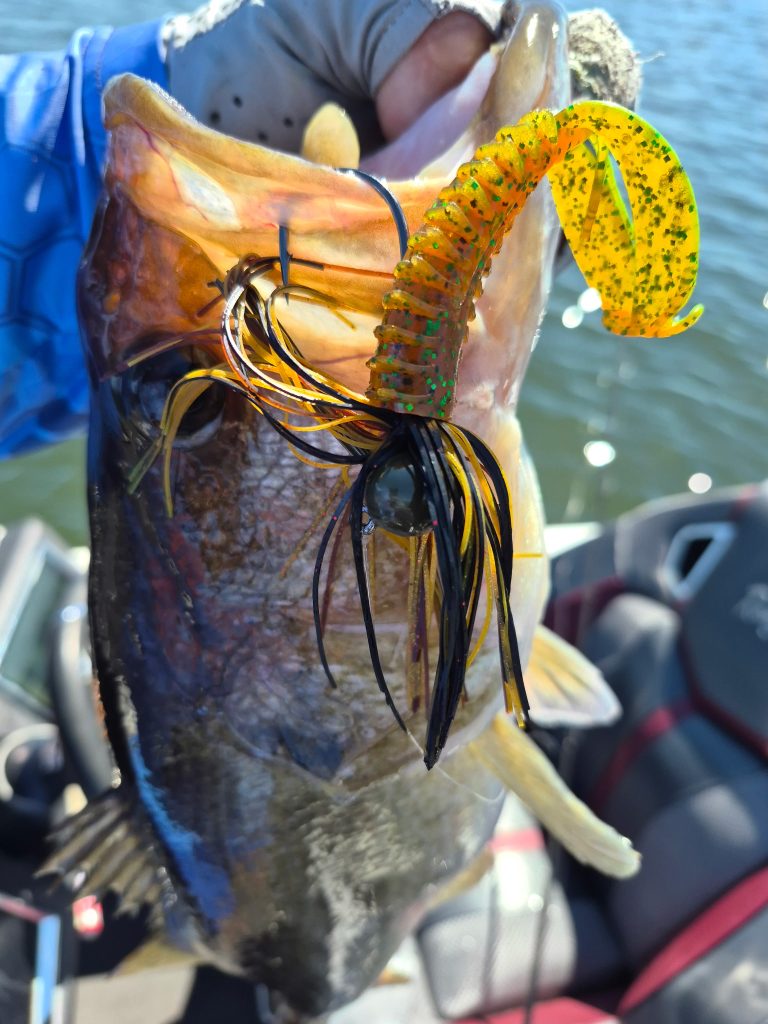
Miller’s Essential Tool: In contrast, Captain Wayne Miller relies heavily on spinning rods for the majority of his fishing. For him, a medium-heavy spinning rod between 6’6″ and 7’2″ with a fast tip is versatile enough for both bass and other species, like redfish and trout. He values the spinning rod’s casting distance and versatility, noting that it’s perfect for casting small plastics, crankbaits, and light spinnerbaits along grass edges. “Spinning rods throw so much better,” he says, adding that he encourages anglers to have at least one well-rounded spinning setup.
Davis’s Perspective: Unlike the other two, Davis prefers an all-baitcasting setup, even for finesse applications. He chooses a 6’10” medium-action baitcasting rod instead of a spinning rod, noting that he can still finesse lighter baits effectively with this setup. Based on his experience fishing on Lake Guntersville, Davis finds that he can handle drop shots and wacky rigs on a lighter-action baitcaster, making a spinning rod less critical in his setup.
The Heavy Baitcasting Rod: “Power When You Need It Most”
Graziano’s Heavy-Hitter: For challenging conditions or larger fish, Graziano’s go-to is a 7’6″ heavy-action baitcasting rod. This rod provides the power to fish heavy cover, whether using jigs or Texas rigs. Graziano emphasizes the importance of having a rod that can handle tough hooksets and thick vegetation. “A heavy rod gives you the power to fish in tough spots,” he explains, making it essential when bass are holding in dense underwater structures.
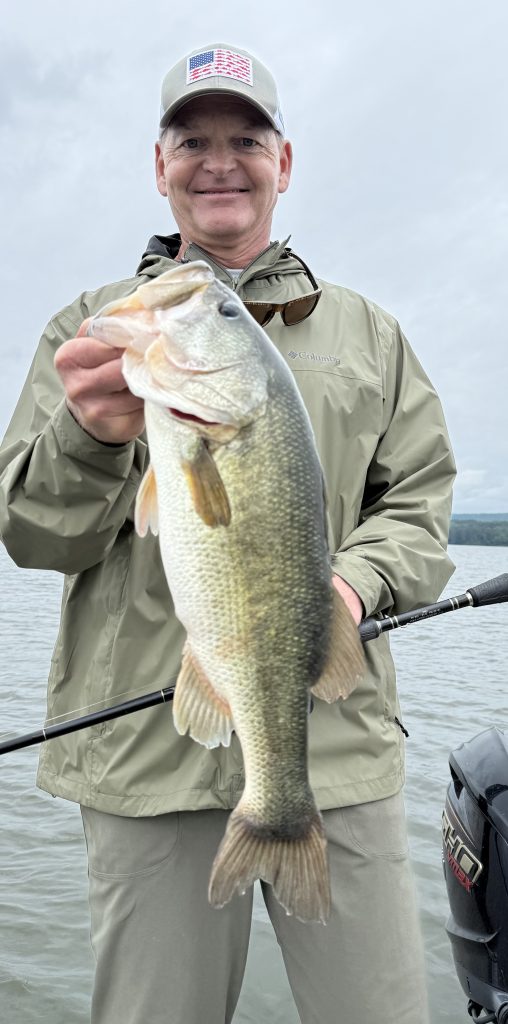
Davis’s Heavy Pick: For Davis, the 7’2″ heavy-action Shimano Curado rod is a similar choice. “It’s a jack of all trades,” he says, noting that this rod can cast worms, handle flips, and excel in heavy-action scenarios. Although slightly shorter than Graziano’s preference, Davis’s 7’2″ rod suits his style of fishing, giving him flexibility without the need for a longer setup.
Miller’s Power Setup: Miller, too, values a powerful rod in his arsenal, specifically for fishing thicker grass and heavier plastics. He leans towards a 7’3″ to 7’6″ medium-heavy baitcaster with braided line, explaining that the medium-heavy provides enough give without overdoing it. Miller highlights that in shallow water, a heavy setup combined with strong braided line can be overkill, so he prefers medium-heavy for a more balanced approach.
Your Fourth Rod: Choosing a Fly Rod for Bass Fishing
For bass anglers looking to expand their toolkit, adding a fly rod can bring an exciting new dimension to the sport. According to Stephen Rockarts, a guide at Fly Fishing Alabama, a well-chosen fly rod lets you target bass with finesse, whether they’re hiding near structure or cruising open water. Rockarts explains that bass fly fishing isn’t just about pursuing big catches; it’s about the thrill of landing a fish that puts up a good fight. His recommended setup combines power with sensitivity to handle bass of all sizes.
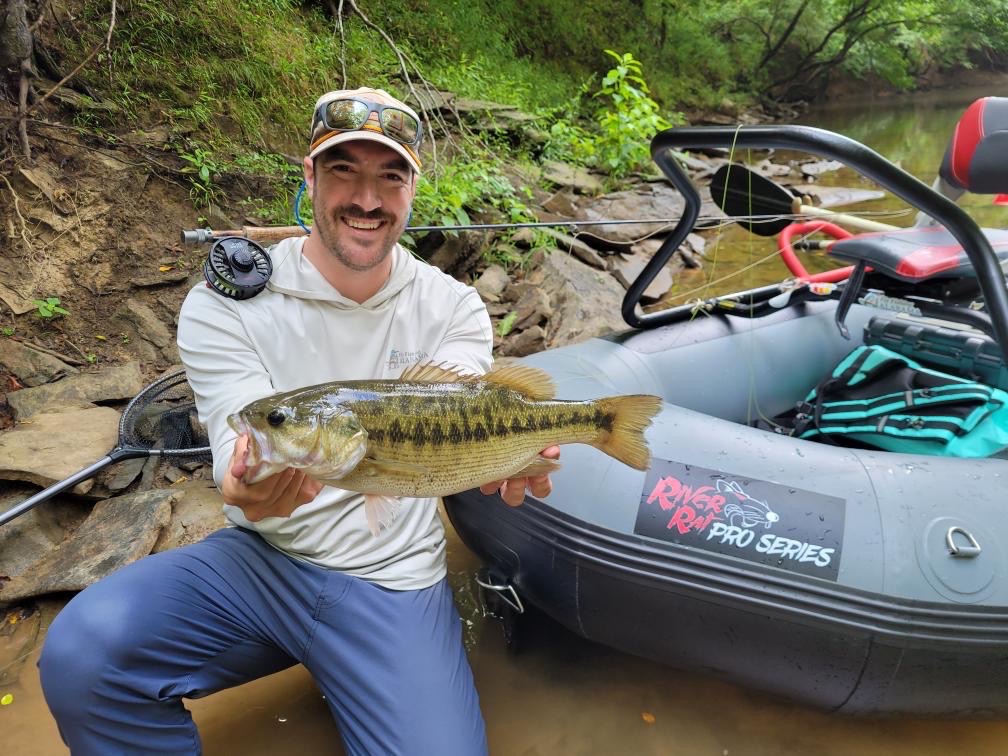
Rockarts suggests a six to eight-weight rod as the sweet spot for bass fishing. A six-weight is ideal for lighter flies and smaller bass, while an eight-weight provides enough muscle for larger fish and bigger flies. For most anglers, he recommends a balanced middle ground—a seven-weight rod, which offers flexibility for various techniques. “A seven weight is probably your perfect bass rod,” he says, capable of casting both smaller, finesse flies and heavier streamers without sacrificing control.
When it comes to rod action, Rockarts favors medium to fast-action rods, which offer both power and responsiveness. Fast-action graphite rods provide the strength needed to reel in larger fish, while medium-action rods make it easier to throw bigger flies without overwhelming the fish or tiring your arm. This balance ensures you can pull a fish out of cover or turn it in the water without snapping your leader or losing control.
Final Thoughts
Building a lineup of effective bass rods doesn’t have to mean stocking up on every rod in the tackle shop. Following the advice of seasoned anglers like Graziano, Miller, Davis, and Rockarts, you can keep it simple and still be prepared for nearly any bass fishing scenario. The medium-heavy baitcasting rod handles most situations with ease, serving as a reliable go-to for everything from crankbaits to spinnerbaits. A spinning rod (or for some, a lighter baitcasting setup) adds finesse for finicky fish or clear waters where a gentler approach matters. When you need extra muscle—whether it’s to pull a fish from dense cover or throw heavier baits—a heavy-action baitcasting rod gives you that extra edge. For those willing to experiment, adding a fly rod into the mix brings a fresh approach and lets you explore new techniques with an entirely different feel. With these rods at hand, you’ll be set for all kinds of bass fishing, from quiet ponds to big lakes and everything in between.