

If you own a truck, you should own a winch. Over the years, my winch has helped me out of countless jams—both on and off the road. But it’s also been my secret weapon for unexpected jobs, from pulling deep-rooted shrubs out of my yard to loading broken-down heavy equipment onto trailers. The versatility of a truck winch is unmatched, and once you have one, you’ll wonder how you managed without it.
To dig deeper into winches and what you should know before buying one, I spoke with Tom Paasch, an industry veteran and product manager for truck winches at Warn Industries. Warn makes all of their truck winches right here in the USA, in Clackamas, Oregon, and Tom has spent over a decade designing, testing, and refining recovery tools, combining his engineering background with a lifelong passion for off-roading.
Tom’s insights go far beyond product recommendations. His goal? To educate consumers so they can make the best choices for their needs—whether that’s a Warn winch or another brand. Here’s what Tom shared about winch selection, use, and maintenance to help you maximize this essential tool.
Why Every Truck Owner Needs a Winch
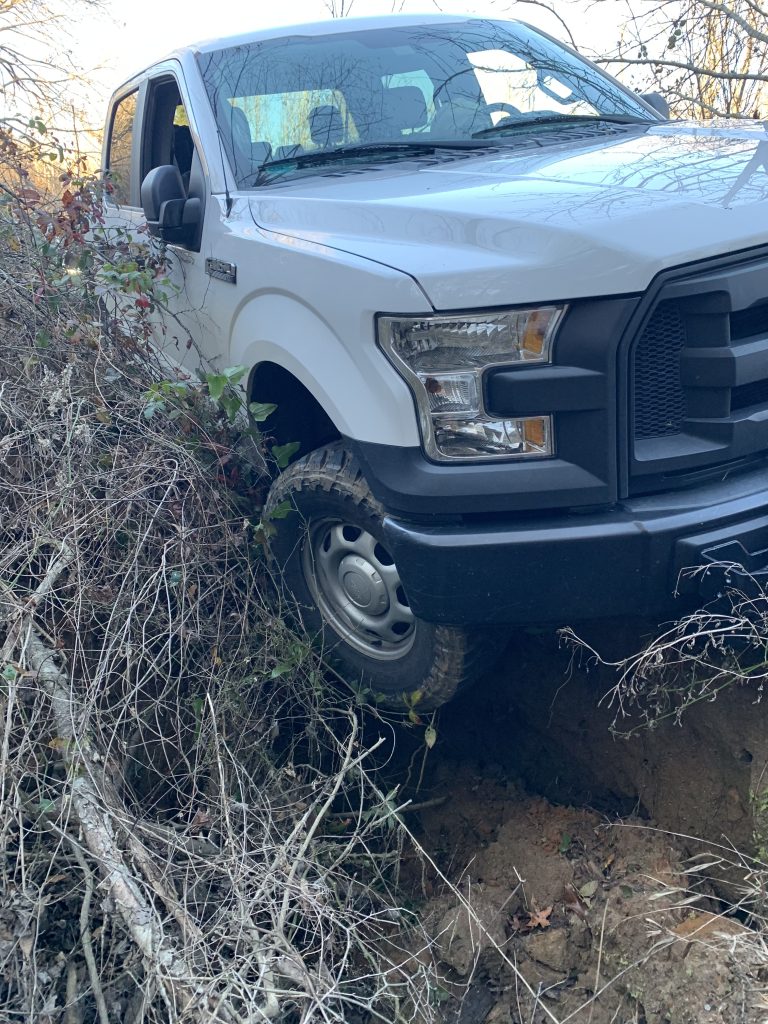
“A winch is more than just a recovery tool,” Tom explained. “It’s a pulling tool. You buy it for one reason, but then you discover all these creative uses for it.” Tom shared examples of customers using winches for everything from operating UTV-mounted snow plows to moving chicken coops across fields. And, of course, a winch is a lifeline in those critical moments when you’re stuck—whether it’s a snowy ditch, deep mud, or precarious terrain.

“One of the more creative uses I’ve seen is a customer who used a winch to move chicken coops across a field daily so the chickens always had fresh grass to graze on,” Tom shared. “Of course, the primary use is still recovery—whether it’s pulling yourself out of a snowy ditch, deep mud when no one else is around. A winch really is your lifeline in those critical moments.”
Key Factors to Consider When Choosing a Winch
Durability
A winch sits on your truck, exposed to the elements, often for years before being used. Tom emphasized that durability is one of the most critical factors to consider when choosing a winch. “The winch is your lifeline in the worst-case scenario,” he said. “It has to work the first time and every time, even if you haven’t touched it in years.”
Warn Industries prioritizes what Tom calls “reliable durability,” ensuring winches perform just as well after years of exposure to harsh elements as they do right out of the box. He explained: “We focus on sealing to keep water, dirt, and debris out. Paint quality, fasteners, and the overall construction are critical too. If a winch isn’t designed to handle the elements, it’s going to let you down when it matters most.”
For example, Warn’s Zeon XD series winches are rated IP68 and IP69K, meaning they can operate underwater and withstand high-pressure, high-temperature pressure washing. “You don’t plan to get stuck in water, but if it happens, you need to trust your winch will work,” Tom said. When evaluating durability, Tom also advised considering warranty coverage. “The length of a warranty reflects the manufacturer’s confidence in their product. That’s why we offer lifetime mechanical and seven-year electrical warranties. We believe in what we build.”
Capacity
Match your winch to your vehicle and its likely use cases. The general guideline is to select a winch with a pulling capacity of at least 1.5 times your vehicle’s gross vehicle weight (GVWR). However, if you frequently encounter extreme conditions or have a heavily modified vehicle, consider sizing up.
Motor and Gear System
Not all winches are created equal. “The winch needs to be more than the sum of its parts,” Tom explained. “Every component—motor, gears, seals—has to work together seamlessly for maximum efficiency and reliability.” Warn uses series-wound motors in their truck winches, a design that balances torque, speed, and heat management. “Duty cycle is a key consideration,” Tom said. “How long can the winch pull before the motor gets too hot? We design our motors with thicker insulation on the windings to handle heat better and last longer.”
Another critical factor is the gear ratio. “Think of it like your truck’s axle ratio,” Tom said. “A higher gear ratio gives you more pulling power but sacrifices efficiency. Too high, and you start losing performance.” Warn balances their winches’ gear ratios to maintain efficiency while delivering ample pulling power. “Some budget winches might boast higher gear ratios for more pulling power, but they’re inefficient and can drain your battery faster,” he explained. “We optimize our systems to deliver both power and efficiency.”
Rope Type
The choice between synthetic and wire rope depends on your needs: Synthetic rope is Lightweight, easier to handle, and safer due to less energy recoil if it breaks. It requires more maintenance to prevent UV and abrasion damage. Wire rope is durable and abrasion-resistant, making it ideal for heavy-duty applications like hauling vehicles onto a trailer. However, it’s heavier, harder to handle, and more prone to sharp burrs.
Convenience Features
A wireless remote can be a game-changer, especially for solo recoveries or tricky situations. “Wireless gives you the freedom to move around the recovery area, ensuring you’re in the safest and most effective position,” Tom said. Warn’s wireless systems use Bluetooth technology to offer extended range and reliability. “Some wireless remotes on the market have limited range or lag, which can be frustrating and unsafe,” Tom explained. “We designed our system to have instant response time and enough range to work from anywhere around the vehicle—even beyond the length of the rope. And if you move out of range, the winch stops automatically, so you’re always in control.”
One innovative solution Warn offers is the Hub Wireless Control System, which pairs with a smartphone app. “I’m terrible at keeping remotes charged, but I always have my phone charged,” Tom admitted. “Using the app ensures your remote is always ready to go without worrying about proprietary batteries or dead remotes in your glovebox.” For those concerned about reliability, nearly all Warn winches with wireless options also include a wired remote backup. “It’s all about redundancy,” Tom said. “If the wireless fails—or if you’re in a situation where water blocks the Bluetooth signal—you still have a wired remote to fall back on.”
Maintenance Tips for Longevity
Proper maintenance ensures your winch works when you need it most:
- Synthetic Rope: Clean regularly with soapy water to remove dirt and debris. Protect from UV exposure when not in use.
- Wire Rope: Periodically inspect for rust and lubricate with a light oil like WD-40.
- Winch Components: Inspect for unusual noises or wear, especially the brake system, which can wear out over time.
Beyond the Winch: Essential Recovery Gear
“Think of the winch as one part of a complete recovery system,” Tom advised. Recovery gear like snatch blocks, straps, and shackles expands your winch’s versatility, enabling techniques like redirects or increasing pulling power. Many beginners overlook these tools, only to realize their value when they’re already stuck. Investing in a recovery kit early can save you frustration and expand your winch’s capabilities. Warn Industries provides a wealth of educational content on its YouTube channel and blog at warn.com, from installation tutorials to safe winching techniques.
New Gear: Warn ZEON XD
The ZEON XD winch from WARN Industries brings upgraded performance and durability to recovery scenarios. Designed for challenging conditions, it features improved waterproof sealing (IP68 and IP69K ratings), a faster line speed of up to 40 feet per minute, and a heavy-duty three-stage planetary geartrain for efficiency and reliability. The ZEON XD also includes durable components like a six-segment cone brake and Spydura synthetic rope, which offers abrasion resistance and UV protection.
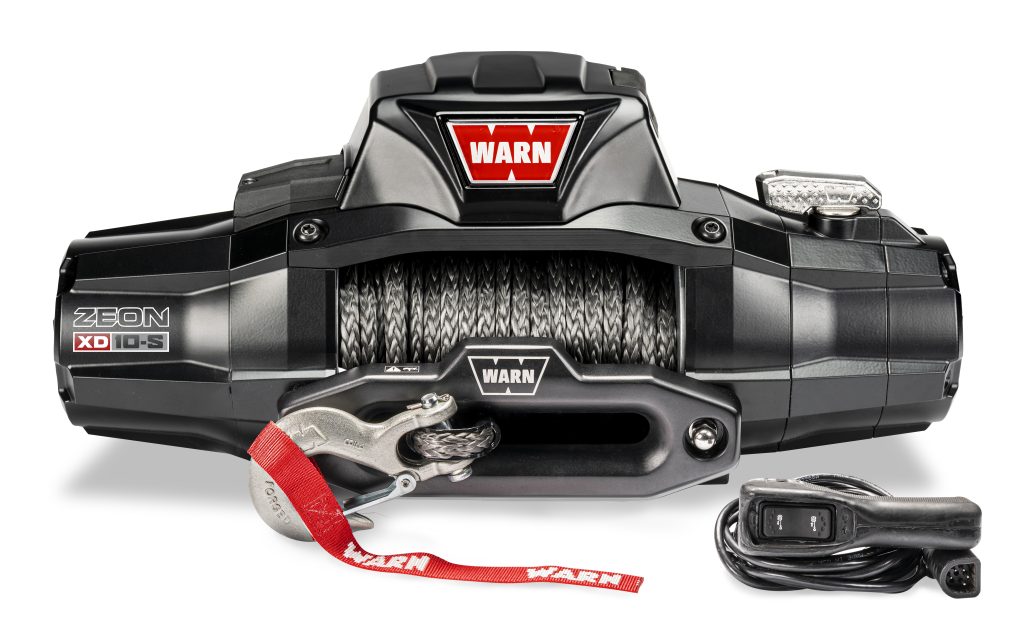
Available in three capacities—10,000 lb., 12,000 lb., and 14,000 lb.—the ZEON XD accommodates a range of vehicles, from lighter SUVs to fully loaded trucks. Manufactured in the U.S. at WARN’s ISO-certified facility, it combines robust engineering with practical features, such as both wired and wireless controls. These updates make the ZEON XD a versatile option for truck owners seeking a dependable winch.
Final Advice
Whether traveling rutted-up logging roads, managing a farm, or preparing for the unexpected, the right winch and recovery gear can make all the difference. It’s one of those tools that once you have, you’ll wonder how you did without it. This is not a tool you want to go cheap on. If your budget is limited, invest in your recovery tools first, and save your money for a winch that you can count on in the harshest conditions for years to come.