
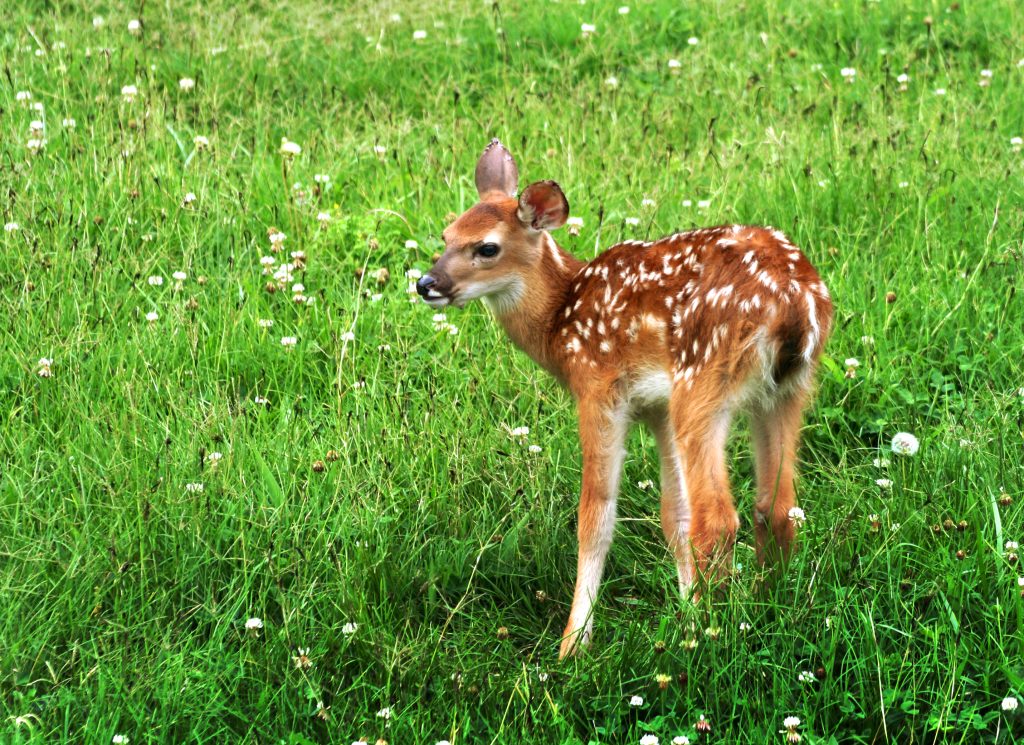
Many wildlife managers today incorporate clover into their comprehensive deer management strategies. It is widely planted in states like Georgia, Alabama, and Mississippi, where large hunting properties are prevalent. Researchers and seed companies have developed newer clover varieties explicitly bred for wildlife plots, emphasizing drought resistance, persistence, and palatability.
I recently spoke with Caleb Weaver of Southern Feed & Seed about clover varieties used in forage crops across the Southeast. With extensive experience in deer management, Weaver shared the benefits and challenges of using various clover types to provide year-round whitetail forage.
Understanding Clover Types for Deer Food Plots
Overview of Common Clover Types
Weaver explained that the most commonly used clovers for deer forage fall into three categories: perennial, annual, and short-lived perennial. Each variety offers unique benefits depending on soil, climate, and regional conditions. White clover (Trifolium repens) is a perennial variety known for its resilience and palatability, making it adaptable to a range of soil types, particularly moist or well-drained areas. Red clover (Trifolium pratense), a short-lived perennial, thrives in slightly acidic to neutral soils with pH levels between 5.5 and 6.5. It grows taller than white clover, reaching heights of 2–3 feet, and its deep roots enhance drought tolerance. Crimson clover (Trifolium incarnatum) is an annual that grows quickly in cooler months, establishing rapidly and reaching about 18 inches. Its ability to provide moderate protein makes it especially valuable in late fall and winter food plots when other vegetation is scarce.
Key Factors in Selecting Clover for Deer
Soil Type and Quality
Matching clover types to soil conditions is essential for successful growth. Weaver noted that Southern Feed & Seed balances seed volumes in their mixes to maximize forage production and remove the guesswork for landowners. White clover performs best in moist, well-drained soils with a pH of 6–7, making it an ideal choice for fertile lowlands or areas near water sources.

Red clover, on the other hand, is more tolerant of acidic soils and thrives when pH levels range between 5.5 and 6.5, offering a reliable option when soil correction is a challenge. Crimson clover prefers well-drained, mildly acidic soils and establishes quickly, even in areas unsuitable for perennials. Clover relies heavily on phosphorus and potassium for vigorous growth and nitrogen-fixing capabilities, which improve both plant health and the soil for future crops.
Climate and Seasonal Considerations
Climate and seasonal timing also influence the success of clover food plots. Weaver recommends waiting until nighttime soil temperatures reach between 50 and 65 degrees before planting clover. White clover thrives in regions with mild winters and, due to its perennial nature, can remain green year-round in temperate climates. However, its limited frost tolerance makes it less ideal for areas with harsh winters. Red clover, while more cold and drought tolerant than white clover, may still struggle in extreme winter conditions or prolonged dry periods. Its resilience to variable weather makes it suitable for areas with fluctuating climates. Crimson clover, best suited for cooler months, grows rapidly in fall and winter and provides essential forage when other plants are dormant. However, it dies off during hot summers or severe cold spells.
Deer Population and Feeding Patterns
Understanding local deer density and feeding habits helps determine the right clover variety and planting area size. In regions with high deer activity, white clover is an excellent choice due to its palatability, high protein content, and spreading habit, which allows it to withstand regular browsing. In areas with moderate deer populations and alternative food sources, adding red or crimson clover diversifies forage options and helps prevent over-browsing. Red clover’s taller growth provides significant biomass and works well when mixed with white clover, creating multi-layered foliage to accommodate varying deer preferences. Crimson clover’s rapid fall growth makes it particularly valuable when natural forage is scarce.
Best Clover Varieties for Deer: Pros and Cons
White clover offers excellent protein content and palatability, making it ideal for high-traffic deer areas. Its perennial nature ensures long-term forage, and its low-growing, spreading habit withstands frequent browsing. However, it requires fertile, well-drained soils and struggles in regions with harsh winters due to its limited frost tolerance.
Red clover is highly resilient, with better cold and drought tolerance compared to white clover. Its taller growth produces substantial forage yield, and it thrives in moderately acidic soils. While versatile, it may struggle in extreme winters or prolonged dry conditions and is slightly less palatable than white clover.
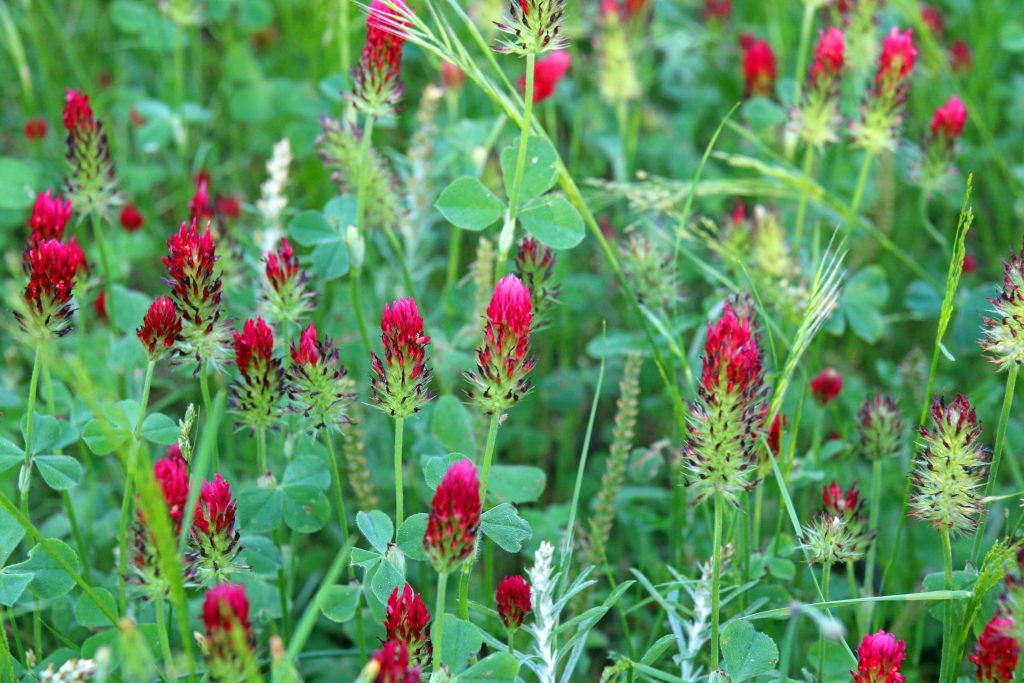
Crimson clover establishes quickly and thrives during fall and winter, providing crucial nutrition when other forage is unavailable. It grows well in less-than-ideal soils, making it a valuable option for seasonal plots. However, as an annual, it requires reseeding each season and dies off during hot summers or severe winters.
In addition to these main types, Weaver highlighted other varieties like Yuchi arrowleaf clover, a drought-tolerant annual that extends grazing into summer and produces up to 4 tons per acre of forage. Balansa clover, another annual, adapts to a wide range of soils, tolerates both drought and water-logging, and survives temperatures as low as 14°F when established. Finally, Berseem clover stands out for its forage quality and adaptability, thriving in moderately saline soils with a pH range of 6.0–8.0 while delivering protein content between 18% and 26%.
Tips for Establishing and Maintaining Clover Food Plots
To establish successful clover plots, soil preparation is key. Begin with a soil test and amend pH and nutrient levels as needed. Proper seedbed preparation and planting at a depth of 1/4 inch promote healthy establishment. No-till methods are also effective for efficient planting. Once established, use clover-specific herbicides to suppress weeds and encourage reseeding. Mowing after flowering, when seeds harden, stimulates regrowth and plot persistence.
Common mistakes to avoid include skipping soil tests, over-seeding, and choosing varieties unsuited to the local soil or climate. Neglecting maintenance or failing to control weeds can also reduce productivity.
Long-Term Management and Sustainability
To ensure long-term success, incorporate rotational planting strategies. Mixing clover with other crops prevents soil nutrient depletion and helps control pests. Annuals or cover crops can rejuvenate soil between perennial clover cycles. Overgrazing can be mitigated by planting multiple plots to distribute browsing pressure or by temporarily restricting deer access during peak growth. Periodic over-seeding in late winter or early spring fills bare spots, while proper liming and fertilization maintain ideal soil conditions.
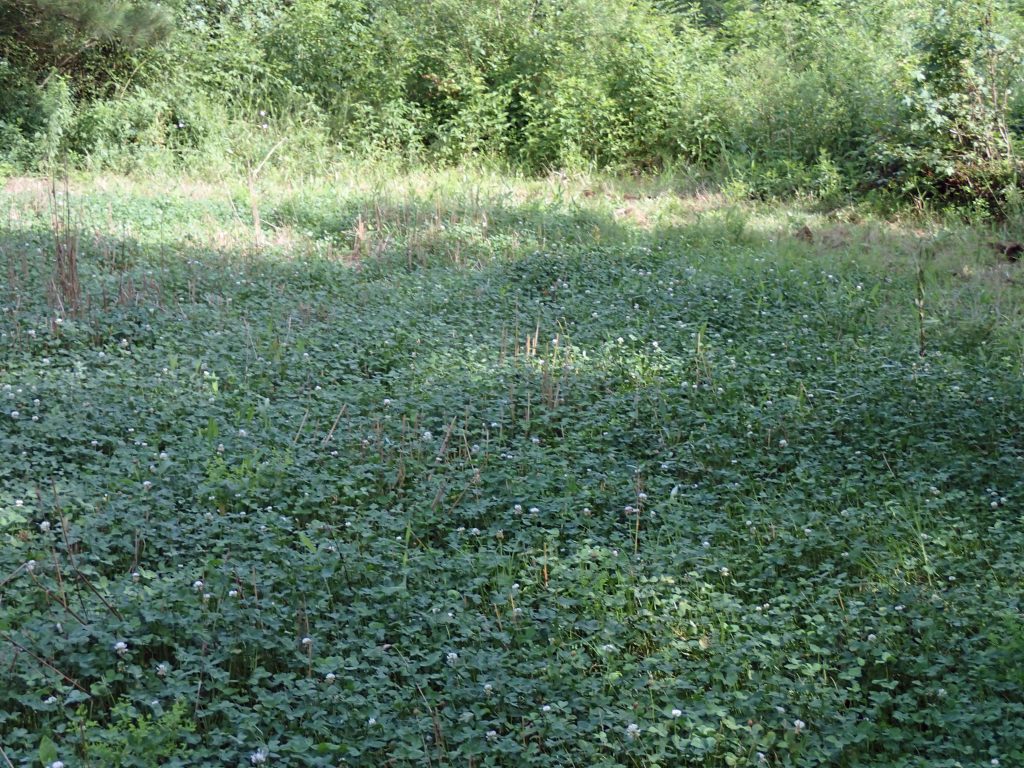
Monitoring deer activity with trail cameras and growth cages allows for adjustments to plot size and planting strategies. Deer feeding habits change seasonally; focus on varieties like crimson clover for fall and winter, while prioritizing perennials like white or red clover in spring and summer to ensure consistent nutrition.
Conclusion
Selecting the right clover variety for your deer food plot ensures sustainable, high-quality forage while improving soil health. By understanding each variety’s strengths, preparing the soil properly, and implementing thoughtful maintenance practices, you can establish productive, year-round plots.
For expert advice, contact Southern Feed & Seed, Mississippi’s premier family-owned supplier. Their carefully formulated clover mixes are designed to thrive in all Southeastern soil types, helping you achieve lasting success in your deer management efforts.