

By the time Albert Trousdale turned sixty, he had seen North Alabama evolve from “be glad to get a spike” to routinely producing four-year-old bucks that turn heads at the processor. The single biggest driver of that change, he insists, wasn’t genetics, expensive feed, or even the clover plots he now swears by—it was neighbor cooperative management.
Trousdale learned the hard way that whitetails ignore property lines. They bed, feed, and breed wherever they please, so a buck you pass today could just as easily step in front of your neighbor tomorrow. The only way to raise the quality of the entire local herd is to get everyone pulling in the same direction. Below is a practical, field-tested playbook—grounded in Trousdale’s experience—for turning fence lines into handshake lines.
1. Start With Your Own Back Yard
Before asking anyone else to change, show that you mean business. Trousdale and his family committed to three non-negotiables:
- Age-based buck harvest. No deer under four years old.
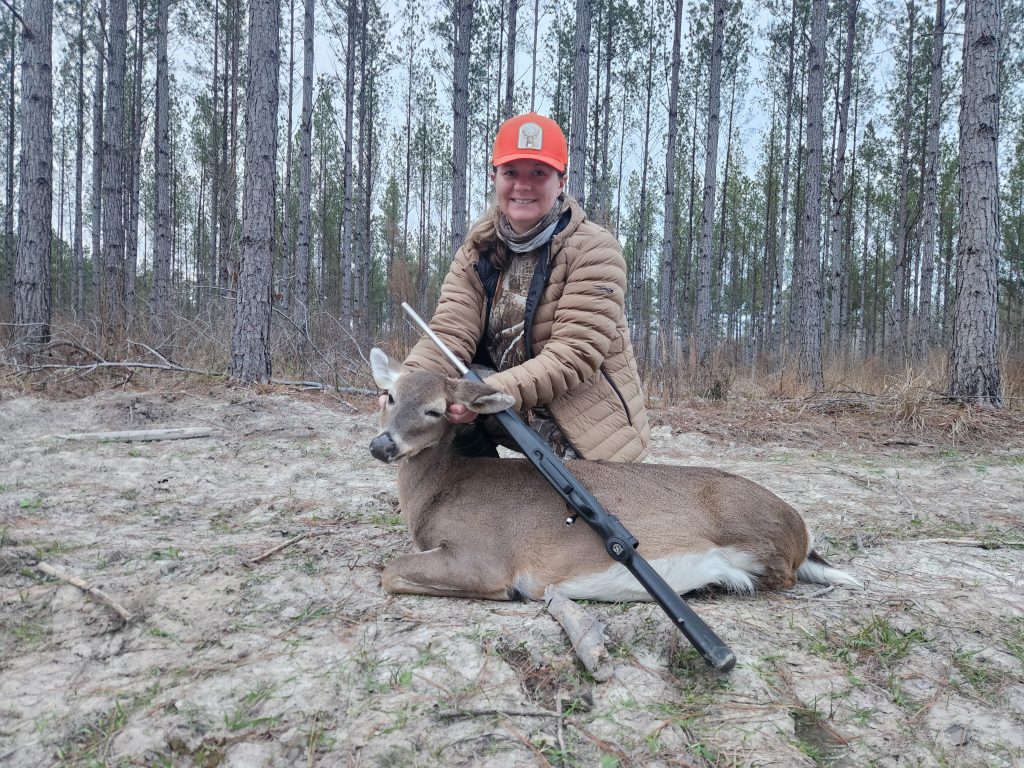
- Aggressive doe management. Fifty does came off their farm last season.
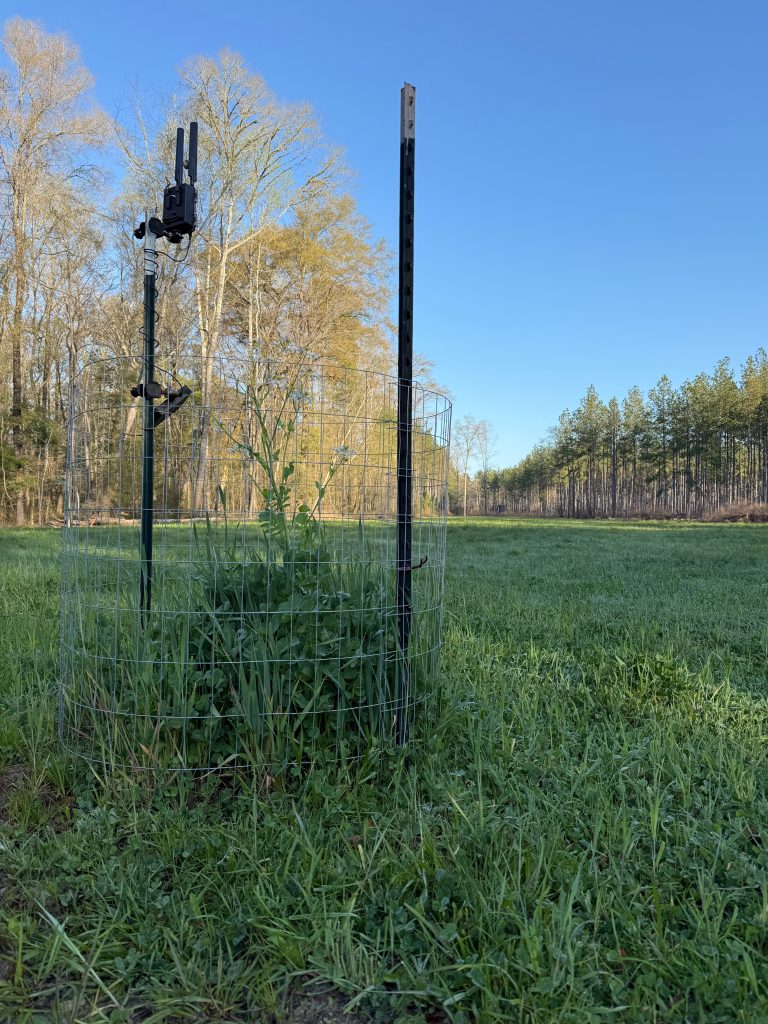
- Year-round nutrition. Clover plots in spring and summer, cereal grains in fall and winter, minimal soil disturbance in between.
Acting first does two things. It produces quick, visible results—bigger bodies, heavier racks—and it gives you credibility. As Trousdale puts it, “If I shoot that three-year-old deer … I know with certainty he’s not going to see four.” Let neighbors watch you walk that talk for a season, and you’ll have proof in the game-cam photos and on the meat pole.
2. Gather Hard Evidence
Data trumps opinion. Trousdale shares trail-cam photos of the same buck at ages three and four, jaw-bone aging charts, and body-weight records from his processor. Neighbors can see, not just hear, the payoff of patience. Bring:
- Before-and-after photos. Nothing sells like a side-by-side comparison.
- Tag counts. Show how many does you removed and how many shooter bucks are on the hit list.
- Body weights. Bigger bodies tell the nutrition story at a glance.
Concrete numbers make the conversation objective and keep it from feeling like a lecture.
3. Make the First Move—and Keep It Simple
Walk the fence line or pick up the phone; don’t wait for the other landowner. Trousdale’s cooperative management opener is disarmingly straightforward: “It really starts with having a level of trust with your neighbor to show him your pictures.”
When you talk, resist the urge to unload a biology thesis. Stick to one or two immediately actionable ideas:
- Pass 3-year-old bucks.
- Shoot a balanced quota of does.
Complex score-sheet formulas or antler point minimums lose people fast. A clear age goal and an agreed-upon doe number are enough.
4. Offer Immediate, Mutual Benefits
Your neighbor needs to see how cooperative management benefits him this season, not just five years out. Trousdale trades in tangible perks:
- Sightings intel. Everyone shares real-time updates on rut activity and shooter appearances.
Those small favors build reciprocal goodwill—and they’re far cheaper than losing a four-year-old because a fence-line feud flared up.
5. Establish Clear, Contagious Rules
Trousdale’s crew adopted a “one-and-done” policy: once a member kills a designated shooter, his buck season is over, unless it’s a cull. The clarity of that rule prevents arguments about who gets the next big deer and underscores that age structure, not individual ego, drives the program.
Craft rules that are:
- Visible. Post them in the skinning shed or shared group chat.
- Measurable. “Four years or older” and “30 does property-wide” leave no gray area.
- Equitable. A 40-acre owner should harvest proportionally fewer does than the 400-acre farmer next door.
6. Celebrate Shared Successes Publicly
Nobody likes watching the neighbor drag off a buck you passed—unless you feel involved in the win. Whenever a partner tags a target deer, Trousdale circulates the photos and a quick backstory: where the buck spent summer, how old it was, and what it weighed.
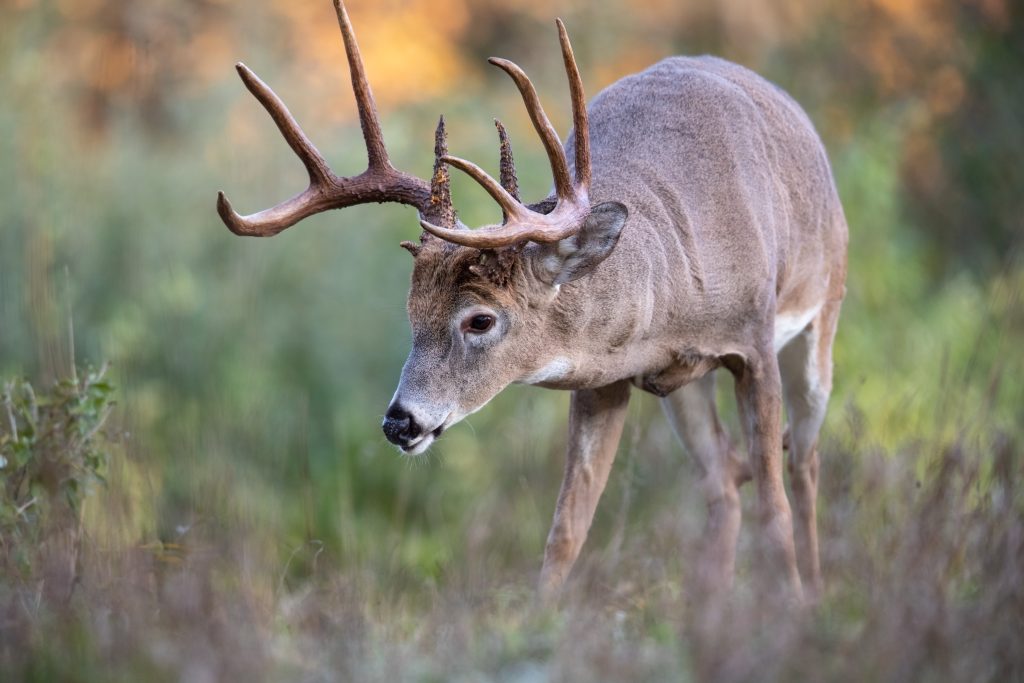
“It doesn’t hurt my feelings if my neighbor kills a deer I would like to kill myself,” he says. “What I’m proud of is the fact that that deer got to age.” Turn each harvested trophy into a collective victory lap, and jealousy evaporates.
7. Keep Talking All Year
A once-a-season meeting won’t cut it. Bucks roam, food plots fail, new members join leases. Trousdale’s circle runs a standing group text for:
- In-season sightings
- Post-season harvest tallies
- Summer habitat projects
- Velvet-trail-cam photo dumps
Frequent, low-stakes updates maintain momentum and nip misunderstandings before they blow up.
8. Accept Imperfection and Play the Long Game
Even the tightest cooperative loses a good deer now and then. That’s baked into a wild animal that can cover miles overnight. Trousdale’s mindset: “If I let him go, he’s got a chance.” Year after year, those chances accumulate into measurably better hunting for everyone.
Final Thoughts
Approaching neighbors for cooperative management isn’t a sales pitch; it’s an invitation to share in something bigger than any single property. Show results first, use pictures and numbers, offer immediate benefits, and write rules everyone can remember.
Do that, and you’ll replace boundary disputes with group text high-fives—and watch the quality of your local herd rise faster than a Ladino clover plot after a March rain.