

On July 2, 2022, a peaceful Fourth of July weekend at a hunting camp in Barbour County, Alabama, quickly turned into a life-threatening emergency. After a long day of work, my family and I—my wife and two young sons—decided to cool off in Martin Creek. The water, normally clear with a sandy bottom, was murky after recent rain, but we pressed on. The heat was relentless, and the creek offered a chance to escape it.
We loaded up the buggy and made our way down to the creek. As I waded into the water, I checked for any debris that might hurt someone. We had just enjoyed the cool water a couple of weeks before, watching our toddler splash on the sandy bank. Confident the area was safe, I grabbed my four-year-old son and placed him in the shin deep water next to me. In a split second, our calm afternoon turned into chaos. My son screamed—a sound that, as a parent, you sometimes brush off as minor. This time was different.
The Incident
Initially, I thought my son had stepped on something sharp. But as I lifted him from the water, I saw two small puncture wounds on his calf, swelling quickly. My stomach elevated into my throat as I realized what had happened—he had been bitten by a snake. I knew from the distinct fang marks and rapid swelling that it was venomous, likely a cottonmouth. The urgency hit me like a truck. There was no time to waste.

The Race to the Emergency Room
Adrenaline took over. I don’t remember many details after I realized the situation. My focus narrowed to one thing: getting my son to a hospital as fast as possible. Despite trying to stay calm outwardly, I was anything but. Inside, I kept replaying advice I’d been given as a child—stay calm after a snakebite to keep your heart rate down. Venom spreads faster when the heart pumps harder. It was difficult to keep that in mind while speeding down dirt roads toward the nearest emergency room.
We reached the camp, jumped into the truck, and my wife called ahead to the nearest hospital. They didn’t have the necessary anti-venom. Panic started to set in again, but I had no choice but to push forward. We called a hospital in Auburn, which had the anti-venom we desperately needed, and I drove there as fast as I could safely, covering what should have been a 45-minute drive in just under 30.
Medical Treatment
At Auburn’s emergency room, the staff quickly took over, administering anti-venom and keeping both my son and wife calm. The doctors informed us that, fortunately, my son hadn’t been fully envenomated, but they transferred him by ambulance to a snakebite specialist at the University of Alabama in Birmingham for further observation.
In Birmingham, he received another round of anti-venom under the care of one of the top snakebite specialists in the Southeast. The entire ordeal—from the cottonmouth bite to reaching Auburn’s emergency room where he received his first round of anti-venom—took about an hour. Considering how remote we were, that was quick. The trip to Birmingham took another two hours, but that journey was much more “relaxed” than the initial rush to the ER. Thankfully, my son was out of the hospital within 24 hours, but the experience left a lasting impact.

How Much Time Do You Have? – How Pit Viper Venom Works
In the aftermath of my son’s cottonmouth bite, Great Days Outdoors had a chance to speak with herpetologist Jimmy Stiles, A PhD student in the College of Forestry, Wildlife, and the Environment at Auburn University. In his own words, Jimmy’s area of expertise is “minimizing human/snake conflict.” For the past seven years, Jimmy has taught workshops on venomous snakes to first responders and others likely to encounter snake bites.
I started by asking Jimmy what exactly a pit viper is. He explained, “In Alabama, we have six venomous snakes, five of which are considered pit vipers. These include three types of rattlesnakes—the pygmy, timber, and eastern diamondback—along with the cottonmouth and the copperhead.” Jimmy clarified that pit vipers get their name from the heat-sensing pits located on their faces, which help them “see” infrared heat signatures.
Pit Viper Antivenom
Pit vipers are far and away the most common venomous snake in my home state, and this is true throughout North America. As I learned in the hospital, the same antivenom is effective on all pit viper species.
“A lot of people have heard that you need to positively ID a snake if you’re bitten,” Jimmy said, “but that’s really not the case. If you can quickly and safely get a picture of the snake, then that can be helpful, but it’s not going to impact your treatment. There are basically two types of antivenom out there, and while there are some differences between them, what the facility has on-hand is what you’ll get, and either will be effective. There’s definitely no need to put yourself at risk of another bite by trying to capture the snake, and whatever you do, don’t bring it to the hospital with you! It’s just not true that they need to know exactly what snake bit you to provide treatment.”
How Pit Viper Venom Affects the Body
Jimmy went on to break down how pit viper venom works. Years ago, people used to categorize venom as either hemotoxic (affecting blood) or neurotoxic (affecting nerves), but research has since shown it’s much more complex. “Pit viper venom is a mix of many different compounds,” he said. “Some affect blood pressure, some break down tissue, and others can impact the nervous system.” This complexity explains why bites can be so dangerous, with effects ranging from tissue damage to blood clotting problems.
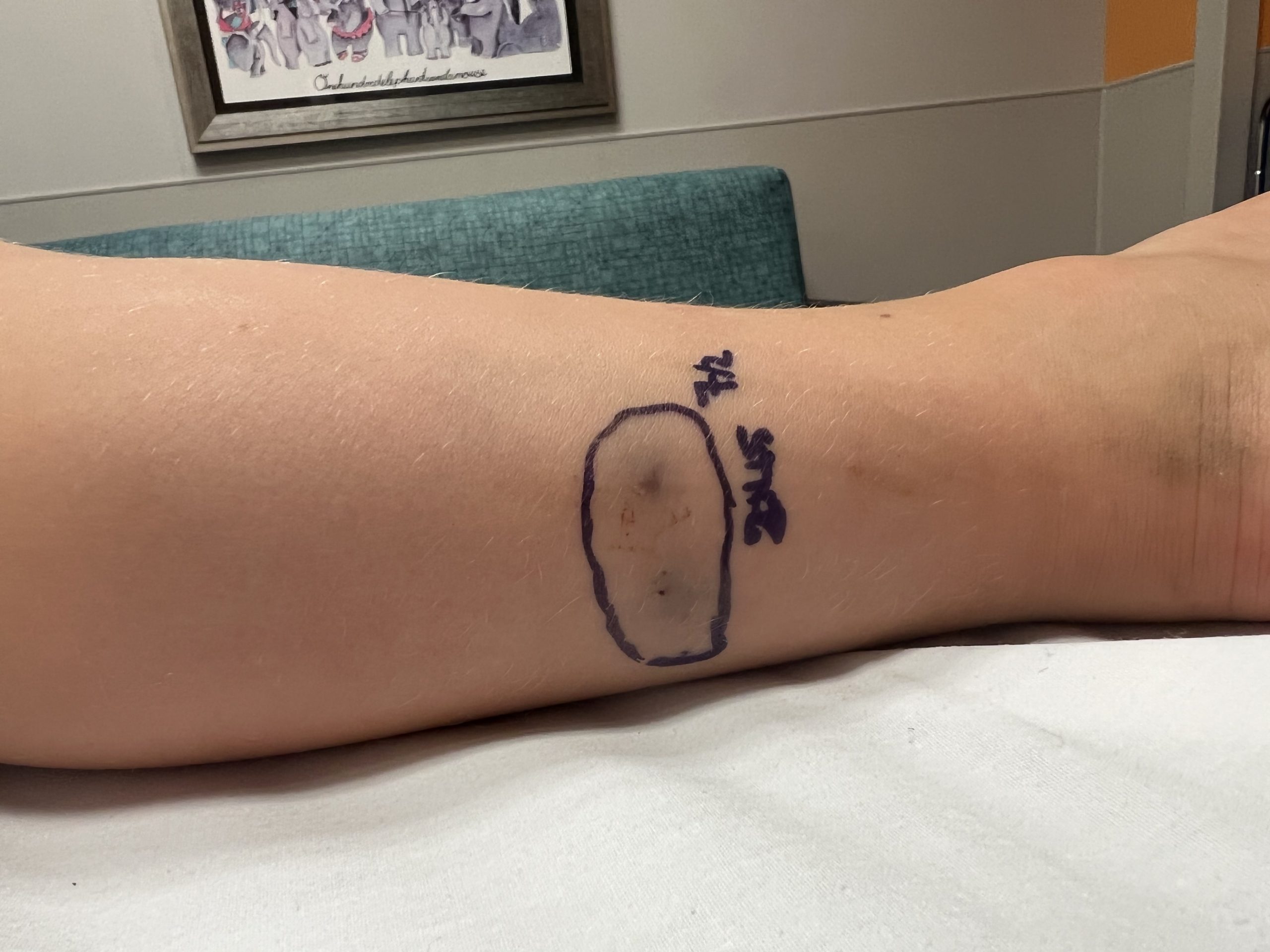
I asked Jimmy what a cottonmouth bite looks like initially. He explained that the first sign is often swelling, which can occur rapidly. Another typical indicator is bleeding from the puncture marks, as many pit vipers have anticoagulants in their venom. “If you wipe the cottonmouth bite and it continues to bleed, that’s a pretty good sign you’ve been bitten by a pit viper,” he noted.
Timing and Medical Intervention
For those wondering how soon you should get to the hospital, Jimmy said, “As quickly as possible, but if it takes an hour or two, that’s fine. Most people are within a couple of hours of a hospital.” He reassured me that while a snakebite is a serious medical emergency, not all cottonmouth bites are life-threatening, especially those from cottonmouths or copperheads, which tend to have less potent venom compared to rattlesnakes.
Misconceptions and Snake Safety
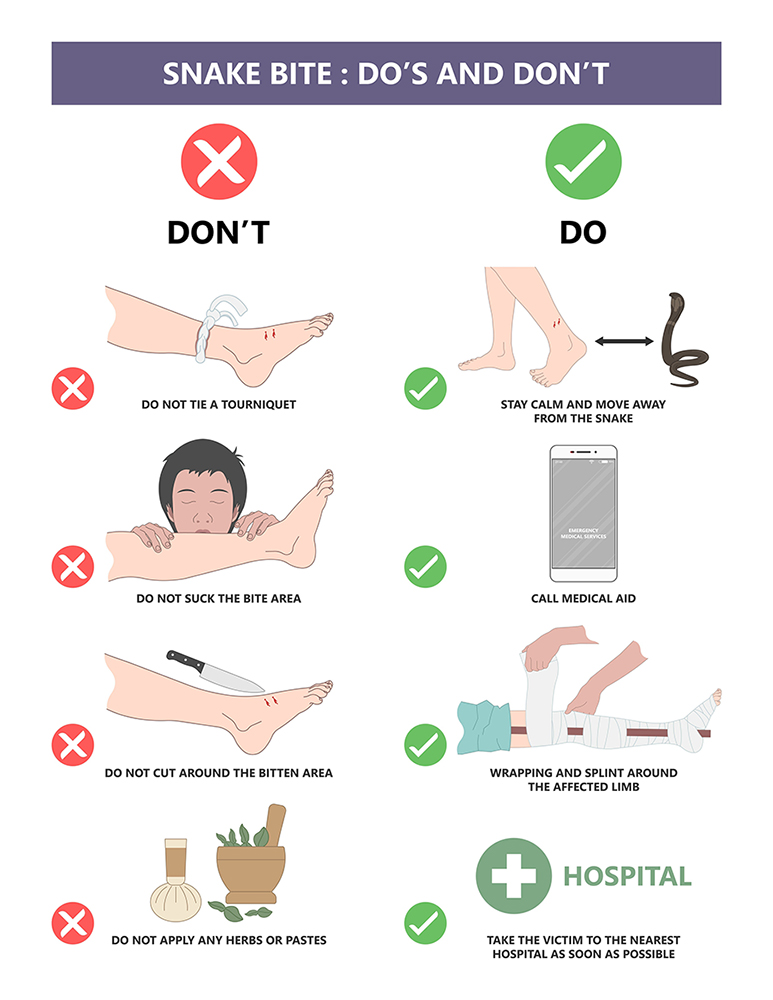
Lastly, Jimmy outlined what not to do after a cottonmouth bite. “Forget about snakebite kits, tourniquets, or trying to suck out venom,” he advised. “Those kits that they sell with the razor and the syringe are ineffective at best, and there’s actually a push to make them illegal.” These methods don’t work and can actually make the situation worse. He also warned against an old myth that electrical shocks can neutralize venom—this is both ineffective and dangerous.
From our conversation, one of the clearest lessons was how important it is to act quickly but calmly after a cottonmouth bite. Getting to a hospital that has anti-venom is crucial, but there’s no need to panic or rush in a way that endangers yourself or others. The priority is to avoid any additional harm while seeking treatment. Jimmy also offered one final piece of advice if bitten by a venomous snake.
“People don’t think about this, but cottonmouth bites cause a lot of swelling. It’s a good idea to go ahead and remove any tight-fitting clothing, such as boots or a wedding band, as soon as possible if you’re bitten. Otherwise, there’s a good chance that they’re going to have to cut those items off of you.”
Key Lessons Learned
In this article, I’ve told you my own personal snake bite “horror story,” and we’ve also talked with one of the leading experts on snake and human conflict. So the question now is, “What can we learn from this information?”
The biggest takeaway, in my mind, should be the importance of having an emergency action plan in place when spending time in remote areas. If you’re hunting, fishing, or simply enjoying the outdoors in a secluded place, a plan is critical. Everyone in your group should know what to do in an emergency, particularly if the injured person is incapacitated.
One key takeaway from this incident is the need for access to timely medical care in remote locations. My son was lucky in many ways. Had the snake fully injected its venom, if my son had been younger, or if he had been bitten closer to his heart, the situation could have been much worse.
We were also fortunate that the cottonmouth bite happened just a few feet away from our buggy and that we were only a few minutes away from my truck. On my small acreage, getting back to the truck could sometimes entail a 30-minute walk. While we were fortunate to be able to drive to the nearest hospital quickly, many people are much further from help when accidents happen. I have hunted in areas where we were potentially an hour or more walk away from the nearest vehicle.
What to Teach Children About Snakes
After this incident, conversations about snake safety became a regular topic with my children. It’s not about instilling fear, but respect. Snakes aren’t something to fear irrationally, but they are certainly something to be cautious of, especially in areas where they are common. We now talk about the places snakes like to frequent—under woodpiles, near water, but most importantly we’ve taught our boys to always stay vigilant. It’s also important to keep in mind that snakes are particularly active at night. Even in areas where you feel comfortable, like around camp and even in your own backyard, it’s a great idea to keep a flashlight handy for walking around at night.
Creating a Plan for Next Time
In addition to having an emergency action plan, it’s important to know the nearest hospitals, particularly those that carry anti-venom. Not every facility is equipped for specific emergencies like cottonmouth bites, and time is of the essence when dealing with venom. At my camp, we share a note on our phones with all visitors that contains information about the nearest ERs, as well as other pertinent emergency details such as tornado protocol and who to call when limb falls on a power line. The first thing I do when I have guests at my camp is make sure that they know where this information is.
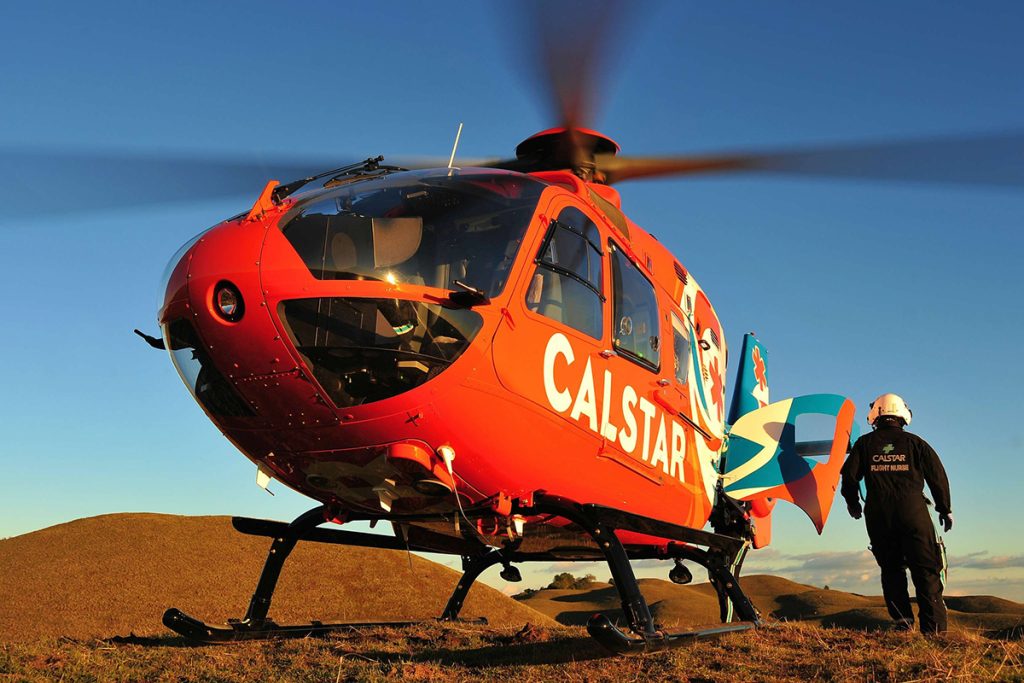
Snakebites are just one of the emergencies that can happen in remote areas. Thankfully, we were able to make our way to the emergency room quickly in our vehicle. If you find yourself in a more debilitating circumstance, an air ambulance ride may be the fastest way to get yourself to emergency care. Air ambulance rides can be incredibly costly, and I’ve recently learned that insurance doesn’t typically cover them, but that should be the last thing on your mind in a crisis.
One element of an emergency action plan you should consider is an air ambulance network membership. Recreating in remote areas brings the potential for needing a life flight to reach care quickly. An air ambulance membership, like the one offered by AirMedCare Network (AMCN), becomes invaluable. AMCN is the country’s largest air ambulance membership provider. When treated and transported by their qualified emergency medical crews, you pay nothing out of pocket. You can get peace of mind now for a relatively low cost compared to the potential out-of-pocket expense.
Looking back, it’s clear how fortunate we were. Had we been deeper in the woods, further from our vehicle, or in a more isolated location, the outcome could have been worse. Emergencies happen when you least expect them. The key to minimizing risk is having a solid plan in place and staying calm under pressure.
Being prepared—mentally and logistically—can make all the difference when the unthinkable happens. I hope this article encourages you to take the time to make an emergency action plan for your family and to think about what you can do to keep your family safe in the great outdoors.
The Next Step (Watch It)
If you’d like to learn more about venomous snakes and how to stay safe around them, Jimmy Stiles shared some resources with us in our interview.
“There are some great resources out there when it comes to snake identification and what to avoid,” he said. “One important resource for Alabamians is the Alabama Reptile and Amphibian ID and Education page on Facebook. Another invaluable resource for snake bites is the National Snakebite Support Group. This group is run by the nation’s leading toxicologists and experts who deal with snake bites daily. They provide a wealth of knowledge and can even guide you through what to do if you’re bitten. They’ll consult with your doctor and, in cases where you’re in a rural hospital or a place unfamiliar with cottonmouth bites, they can advise you on what treatments should be administered and what questions to ask to advocate for yourself. The National Snakebite Support Group is an incredible resource. Additionally, your state’s Poison Control group can be another excellent source of information.”
For first responders in the Alabama area, Jimmy offered some additional resources
“Alabama Cooperative Extension System is also offering free workshops to emergency responders, including law enforcement, EMS, and fire departments,” he told us. “These workshops cover how to handle venomous snakes and snake bites. We have workshops scheduled in Springville and Montgomery right now, and you can find details on the Alabama Extension website.”