
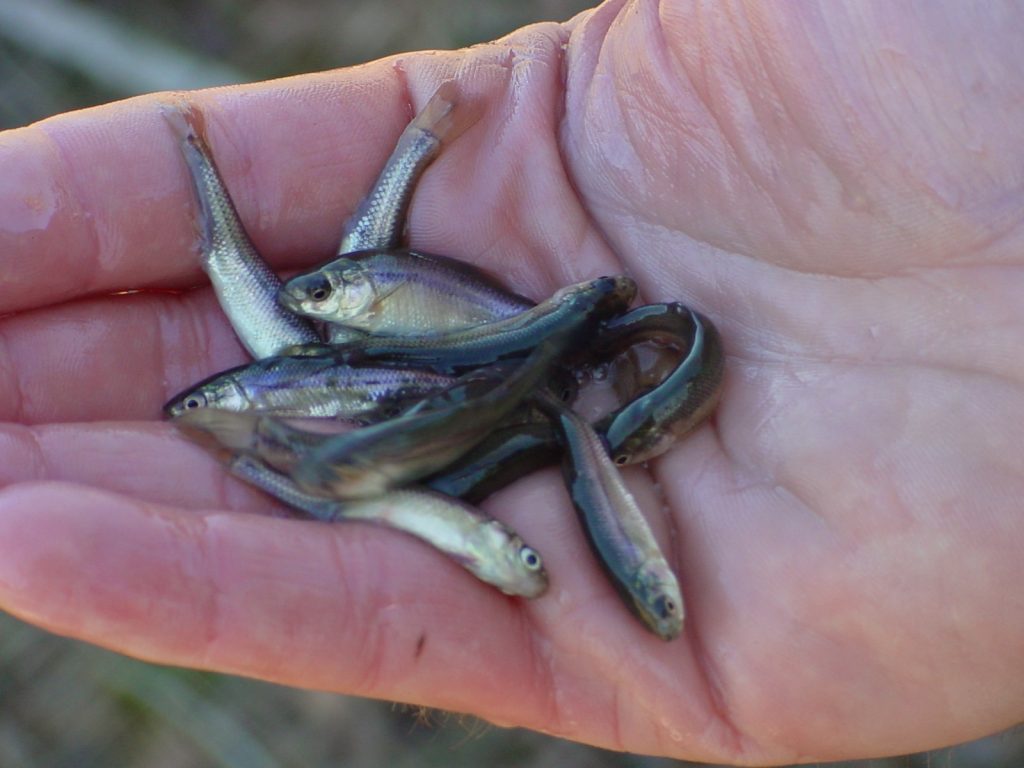
Fathead minnows can play an important role in maintaining your pond’s healthy aquatic ecosystem. The small, hardy fish, which are often used in pond management and aquaculture, are highly adaptable and able to thrive in a variety of water conditions.
Fathead provide an important food source for larger sportfish, such as bass, promoting a balanced predator-prey relationship. Their rapid reproduction rates and resilience make them an ideal choice for enhancing biodiversity and supporting overall pond health.
Benefits of Stocking Fathead Minnows
Norman Latona of Southeastern Pond Management says fathead minnows are great forage for predatory fish.
“The are prolific spawners and produce an abundance of forage for bass,” Latona said.
“Fathead minnows grow rapidly to roughly 2 inches. They are fantastic forage for young (small) bass but do not provide much benefit to the bass once they begin to grow. In most situations, bass fingerlings virtually eradicate them in a matter of months. This is by design, as once the bass get a little bigger, they need to transition to more suitable-size prey.”
Their small size and plentiful population support the predatory fish’s growth and development. This natural food chain helps balance the ecosystem. A healthy population of fathead minnows provides predators with a consistent food supply, which can lead to more fishing success and improved biodiversity.
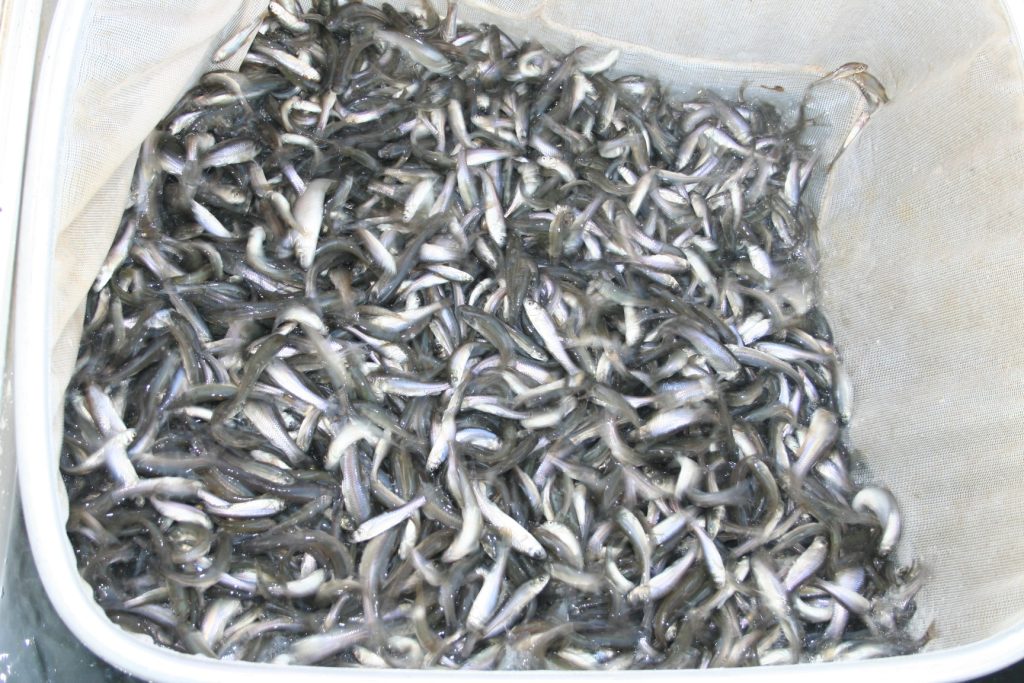
Fathead minnows are extremely resilient and reproduce quickly. They’re a low-maintenance and grow quickly, adapting easily to various water conditions.
Latona said it’s important to understand that fathead minnows, when stocked into ponds with adult predator populations, are not really sustainable.
“These fish are prolific spawners; however, they have no chance of keeping up with the voracious predatory habits of predator species such as adult largemouth bass. When stocked in concert with adult largemouth bass, the fathead minnows will quickly disappear, the result of intense predation. Restocking them is futile, as the bass will almost certainly eliminate the newly stocked individuals before they have an opportunity to reproduce. There are far more suitable options for supplemental stocking into ponds with largemouth bass, such as shiners, tilapia, crawfish or threadfin shad,” Latona said.
When to Stock Fathead Minnows in Your Pond
It’s best to stock fathead minnows during cooler weather, such as the early spring to allow the minnows to acclimate to the pond before the summer heat sets in and provides them with the ideal conditions to reproduce. If you stock them in the spring, the minnows will have a full growing season ahead of them, which improves breeding success and population establishment. Early spring is also the natural breeding season for many fish species, which allows the minnows to thrive in an ecosystem that is becoming more active with other aquatic species.
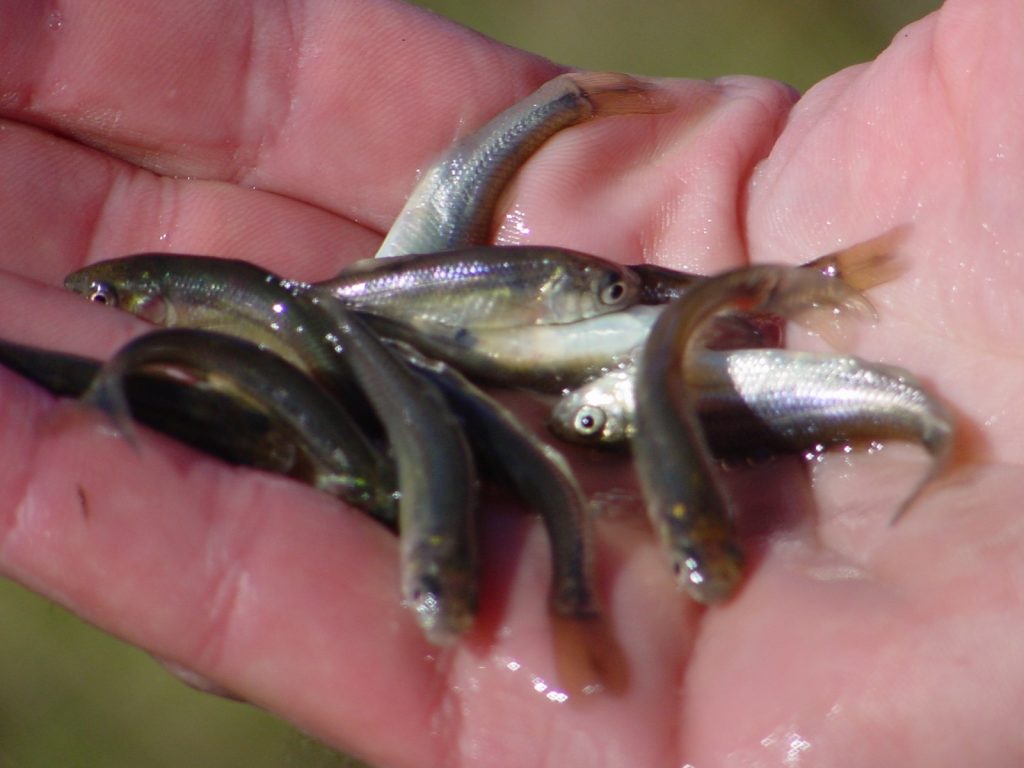
(Photo courtesy Southeastern Pond Management)
You can also stock fathead minnows in the fall, after the summer heat has diminished but before temperatures drop too low. This allows minnows to establish a population in the cooler water, where they can grow without the stress of high temperatures. Fall stocking is especially useful if you’re preparing your pond for a strong fishery the following spring, because the minnows will have time to acclimate and begin breeding early in the next season.
How to Stock Your Pond With Fathead Minnows
“Fathead minnows are typically stocked at a rate of roughly 1,000 per acre,” Latona said.
Before stocking the pond, check the pH, oxygen levels, and temperature to make sure the pond conditions fall within the ideal range for fathead minnows. They typically thrive in temperatures between 50 to 75 degrees Fahrenheit. Make sure the pond has plenty of food, such as algae and small invertebrates, for the minnows to eat.
Purchase minnows from a reputable supplier and stock them in small groups, as they reproduce quickly and will grow in numbers over time. Before stocking them in the pond, acclimate the minnows by placing them in a container with water from the pond and allow them to gradually adjust for 15 to 20 minutes to reduce the risk of shock due to sudden temperature changes.

Long-Term Management and Maintenance
To manage and maintain fathead minnows in your pond, you must ensure stable water quality and a balanced ecosystem. Regularly monitor oxygen levels, pH, temperature, and nutrient concentration to maintain a healthy environment for the small fish. Fathead minnows are especially sensitive to low oxygen levels and extreme temperature fluctuations, so aeration systems or fountains can help prevent oxygen depletion. Controlled fertilization can manage nutrient levels and regularly checking for signs of stress or disease due to overcrowding or poor water quality can help prevent health issues.
Fathead minnows require an abundance of invertebrates, algae, and aquatic plants for both food and breeding grounds. But overgrowth of vegetation can reduce oxygen levels and limit space for fish to thrive. Keep predators, such as bass and other large fish in check to avoid excessive predation on the minnows and their fry.
Keep up with pond maintenance, which includes debris removal, sediment management, and vegetation control, to support the overall health of the pond and the fish population, to create a balanced environment for long-term success.
Stocking fathead minnows in your pond provides a number of ecological and recreational benefits. These minnows serve as an excellent food source for smaller predatory fish species, promoting a balanced food chain and supporting the overall health of the aquatic ecosystem. Hardy fathead minnows easily adapt to various water conditions, and are low maintenance, making them ideal for enhancing your pond’s biodiversity and health.