

When landowners talk about timber, pine usually dominates the conversation. But there’s another forest type—less talked about, far more complex, and arguably just as valuable: bottomland hardwoods.
Jody Pagan, a seasoned wetlands biologist and bottomland hardwood restoration expert, broke down how to identify, manage, and protect these vital ecosystems—not just for timber production, but for their unmatched wildlife value.
What Are Bottomland Hardwoods?
Bottomland hardwoods are forested wetlands found along river floodplains, periodically inundated by surface or groundwater during the growing season. These ecosystems are defined as much by water as by trees.
As Pagan explains, the key to identifying bottomland hardwoods lies in their hydrology. “You’re looking for areas that stay saturated or flooded for parts of the year. The trees growing there, like overcup oak and water oak, are adapted to handle those wet conditions,” he said. If the forest floor is dominated by hydrophilic vegetation and if upland species tend to retreat from those areas, chances are you’re standing in a bottomland hardwood site.
This hydrological fingerprint doesn’t just help classify forests, it shapes what grows there, how it grows, and what wildlife calls it home.
Why Bottomland Hardwoods Matter
For Pagan, managing these ecosystems is personal. A lifelong waterfowl hunter, he sees these wetlands as the backbone of migratory bird habitat in the Mississippi Alluvial Valley. “We’ve already lost about 72% of Arkansas’s bottomland hardwoods,” he noted. “That kind of destruction isn’t just bad for ducks, it’s catastrophic for dozens of other species.”
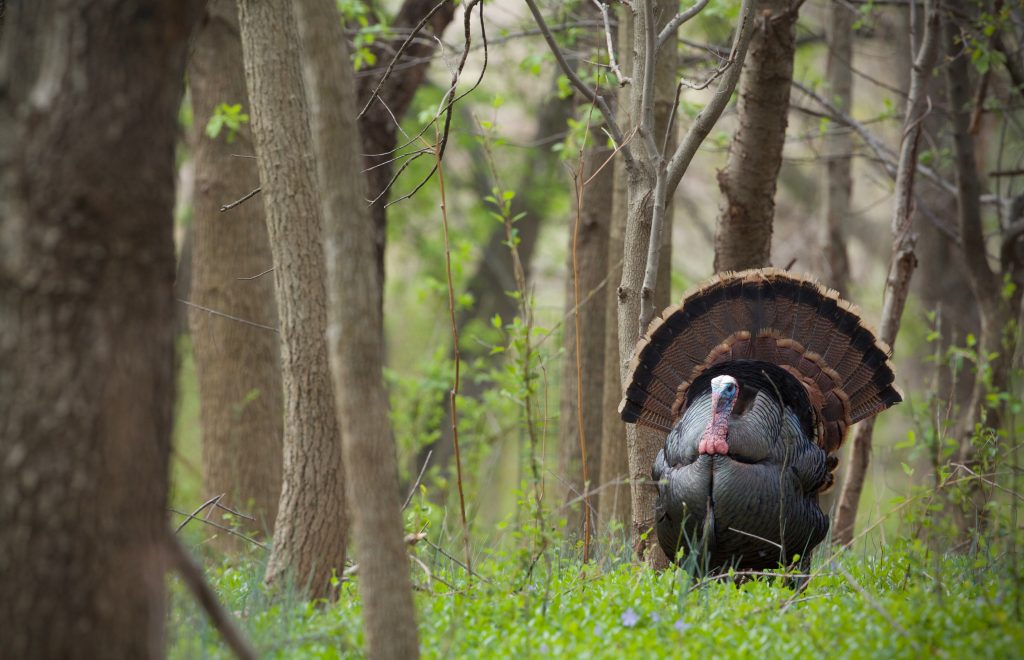
Indeed, the loss of bottomland habitat affects everything from deer and turkeys to neotropical songbirds. And while the timber value of these forests can be significant, it’s their role in supporting ecosystem diversity that makes them truly irreplaceable.
Managing Bottomland Hardwood Forests the Right Way
Managing bottomland hardwoods is not for the faint of heart. These aren’t your standard pine stands. They’re slow to recover, highly sensitive to disturbance, and deeply interconnected with water systems.
Pagan emphasizes a deliberate, multidisciplinary approach. “You’ve got to know where you are before you know where you’re going,” he said. That means starting with a thorough assessment—identifying stand structure, tree species, hydrology, and overall forest health.
Some key considerations include:
- Canopy Cover: Ideally 60–80%. Anything over 90% could merit thinning.
- Basal Area: A good target is 70–90 square feet per acre. Above 100? Time to consider a strategic cut.
- Ground Cover: A healthy stand supports herbaceous vegetation. Less than 20% ground cover is a red flag.
- Species Mix: Focus on hard mast producers like oak and hickory. Low diversity often signals poor management or past missteps.
Timber Harvesting Without Harming the Habitat
The idea of cutting into a stand of century-old hardwoods understandably unnerves many landowners. Pagan gets it. “Mistakes in bottomland management take decades to fix—sometimes longer than your lifetime.”
But that doesn’t mean logging is off the table. With a solid plan and the right professionals (specifically, a forester with bottomland hardwood expertise) it’s possible to both profit and preserve.
Pagan favors uneven-aged management in most healthy stands, using single-tree selection or small patch cuts to mimic natural gap dynamics. “This kind of structure supports more wildlife and regenerates desired species like red oaks,” he said. “But only if you understand the site’s hydrology.”
That last part is key. Even subtle changes in water flow, like a new ditch or increased runoff from development, can dramatically alter a stand’s ability to support red oak and other species. Landowners who don’t account for this often replant only to see those trees fail, replaced by more water-tolerant species like overcup oak and bitter pecan.
One Acre at a Time: Ecosystem-Based Management
Whether you’ve got five acres or 10,000, Pagan’s philosophy remains the same: manage every acre for its highest and best use. That might mean prioritizing timber production in one area, managing for ducks in another, and leaving other parts untouched to support cavity-nesting birds or rare plant species.
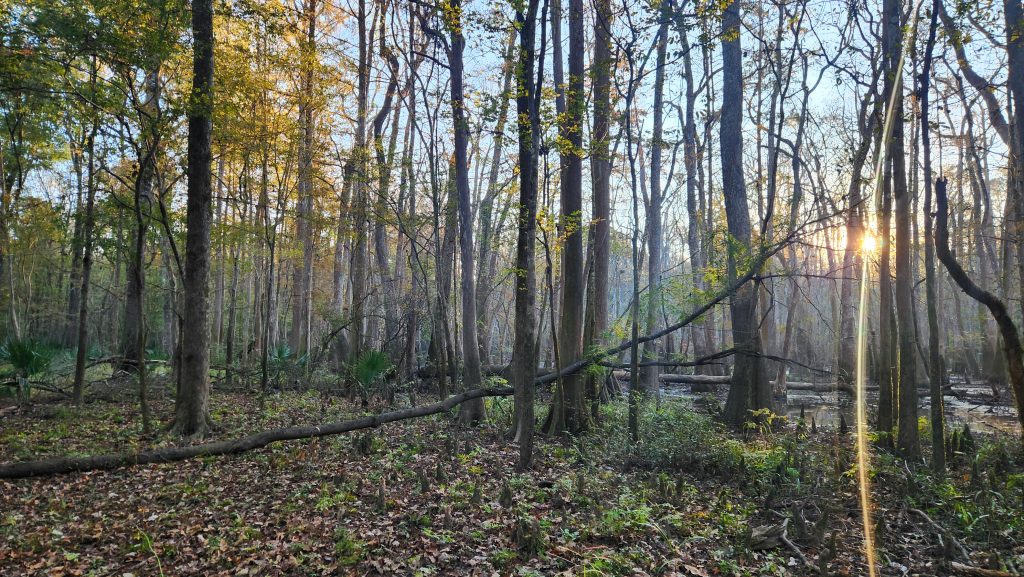
This holistic, ecosystem-based management style focuses not just on what’s profitable, but on what’s ecologically appropriate. “If you try to fight the system, the system will win,” Pagan warned. “But if you work with it, you’ll get better outcomes both for wildlife and for your wallet.”
Don’t Go It Alone
Perhaps the most important takeaway? You don’t have to figure this out yourself, and you shouldn’t. Bottomland hardwoods are too complex, and the stakes too high, to trust to guesswork.
Pagan surrounds himself with a network of specialized professionals—engineers, soil scientists, wildlife biologists, and foresters—because no one person knows it all. Landowners, he argues, should do the same. “The guy with the paint gun matters more than anyone else in the woods,” he said, referring to the forester who marks which trees to cut. “He can either make you money and enhance your land, or set you back 50 years.”
Final Thoughts
Bottomland hardwoods are both among the most ecologically rich and ecologically fragile forests in North America. Thoughtful, science-based management can ensure they continue to support both wildlife and landowners for generations.
But it starts with humility. Know what you’ve got. Work with people who understand it better than you. And manage every acre with intention.
