

Acorns are a valuable but often underutilized resource for landowners looking to improve their wildlife habitat. When I consider planting oaks on my property, it’s not only to create variety within my habitat and provide a food source for wildlife, it’s also to provide oaks that drop at various times throughout the season. To provide expert insights on harvesting and planting acorns, we spoke with Iain Wallace from Chestnut Hill Outdoors, a leading authority on oak trees, Dunstan chestnuts, and other wildlife-friendly species. This guide offers step-by-step advice to help you successfully grow oak trees from acorns, turning your property into a year-round haven for wildlife.
The Importance of Oak Trees and Acorns
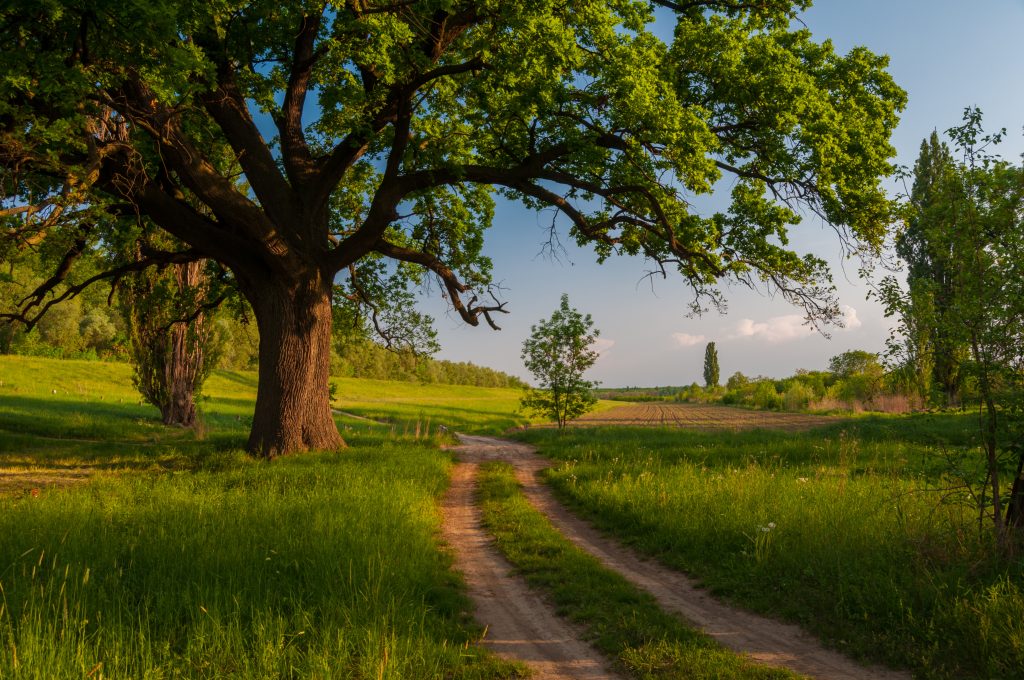
Oak trees play a central role in creating thriving ecosystems, providing essential food sources—known as hard mast—for a wide range of wildlife, including deer, turkey, and squirrels. According to Iain, “Oaks are a keystone species for all kinds of wildlife, not just deer. Squirrels, turkeys, hogs, and even birds, all benefit from the acorns. Healthy bird communities, for example, rely on the insect populations that live in oak trees, feeding thousands of caterpillars to their chicks during nesting season.”
Many landowners favor oak trees because of the wide variety of acorns they produce, which drop at different times of the year. Iain explains, “The different oak species drop their acorns at various times. For example, white oaks tend to drop early in the fall, while red oaks can last well into the winter. This variation helps provide food throughout the year for wildlife on your property.”
When comparing oak trees to other mast-producing trees, like the Dunstan chestnut, Iain highlights the differences: “Dunstan chestnuts are much more palatable than acorns because they have almost no tannin. Acorns, especially from red oaks, can be quite bitter due to their tannins, whereas chestnuts are sweet and high in carbohydrates. Deer can smell a chestnut from far away and will choose it over most acorns.”
Harvesting Acorns: Best Practices
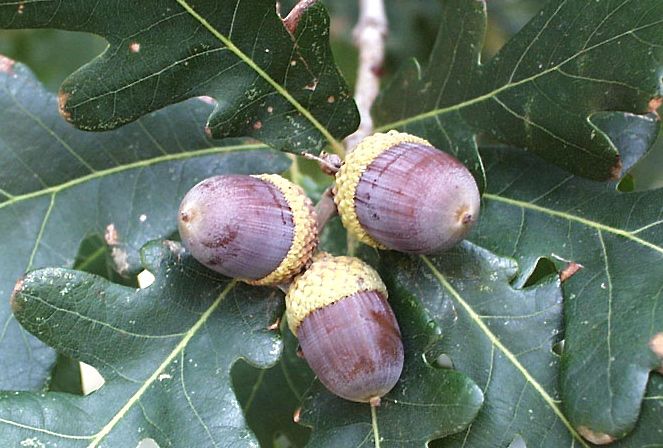
Timing is everything when it comes to harvesting acorns. “You want to collect them as soon as they fall,” Iain advises. “If they sit on the ground too long, they can rot or become infested with weevils.” A common method for ensuring acorn viability is the float test. “Healthy acorns will sink in water, while damaged or hollow ones float,” he explains. This simple test can help you sort through a large batch of acorns to find the best ones for planting.
Collecting acorns in bulk is encouraged, as not all of them will sprout successfully. “It’s always good to gather more than you think you’ll need,” Iain says. “Acorns are like eggs; they hold the potential to become trees, but not every one will make it.”
Preparing and Planting Acorns
Once you’ve harvested your acorns, proper storage is critical. “Acorns need to be kept cool and in a breathable environment. If they’re stored in a sealed plastic bag, moisture can build up and kill them,” Iain warns. Instead, he recommends placing them in a shady area in moist potting soil to keep them viable until you’re ready to plant.
You can plant acorns directly into the ground or in containers, but Iain suggests starting them in pots for better control. “By growing them in pots first, you can manage the water and soil conditions better. Ideally, you want to wait until the seedlings are at least 18 to 36 inches tall before transplanting them into their final location,” he says.
Site selection is crucial for the long-term success of your oak trees. “Make sure you choose a spot with good sunlight and well-drained soil,” Iain advises. “For wetter areas, species like the swamp chestnut oak are ideal because they can tolerate the moisture better than other oaks.” He also stresses the importance of protecting young trees from wildlife: “Deer love to browse on tender new growth, so using tree tubes or fencing around your seedlings is a good idea.”
Overcoming Challenges and Applying Best Practices
Growing oak trees from acorns requires patience and careful attention. Iain points out that common mistakes can significantly reduce success rates. “The most frequent problem we see is improper storage,” he says. “If acorns dry out or get too wet, they won’t survive. Keeping them in the right conditions is essential.”
Another challenge is ensuring that the acorns sprout successfully. “If you watch them closely and manage the stratification process properly—keeping them cool and moist through the winter—you can achieve an 80-90% success rate in getting them to sprout,” Iain shares. However, he notes that this can vary depending on the quality of the acorns and environmental conditions.
For some landowners, buying oak seedlings from a nursery may be a more practical option. “It’s a long game with acorns,” Iain says. “Oak trees can take 10 to 20 years to produce acorns, but if you buy established seedlings, you’re already a few years ahead. It’s a good option if you want faster results or if you’re looking for specific oak varieties that aren’t native to your property.”
Chestnut Hill Outdoors: Your Resource for Oak Trees
Chestnut Hill Outdoors offers a wide variety of oak species, including white oaks, swamp chestnuts, and sawtooth oaks. As Iain highlights, “We provide different oak varieties because diversity is important. You want trees that will drop acorns at different times to keep wildlife fed year-round. Plus, oak trees support so many other parts of the ecosystem, like insects and birds.”
For those looking to improve their land’s habitat, Chestnut Hill Outdoors’ Learning Center is a valuable resource. “We have detailed guides on everything from soil preparation to caring for young trees,” Iain says. “Whether you’re starting from acorns or buying seedlings, we can help you create a thriving environment for wildlife.”
In conclusion, harvesting and planting acorns is a rewarding process that requires careful planning and patience. By following Iain’s expert advice, you can successfully propagate oak trees and create a lasting habitat that will benefit your property for generations. For more detailed information and resources, visit Chestnut Hill Outdoors and explore their Learning Center to get started on planting oaks on your property.