
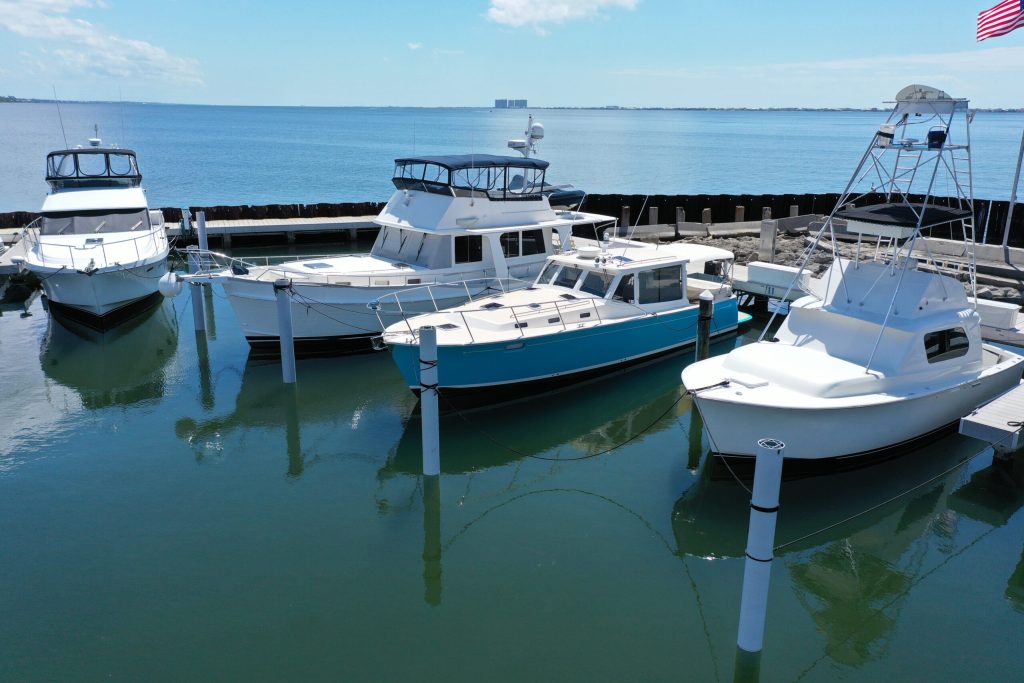
Boat docks are invaluable for waterfront property owners, especially on the Gulf Coast. Docks provide essential storage for boats and gear, facilitate access to water for recreational activities, and offer a secure area for loading and unloading watercraft. However, once constructed, docks face rapid wear from wind, water, sun, and storms. Without proactive maintenance, a stable dock can quickly become hazardous. Fortunately, there are strategies dock owners can adopt to extend the lifespan of their docks.
Common Piling Problems in Dock Building
Traditional wooden pilings are particularly vulnerable in coastal environments. Sun exposure, saltwater, and marine organisms all contribute to their degradation. Wood borers—mollusks once notorious for weakening old wooden ships—can even attack chemically treated wooden pilings, ultimately weakening them to the point of collapse. Additionally, over time, tides and storm surges can cause pilings to shift, destabilizing dock structures.
Today, dock owners have more durable options for pilings, including composite and synthetic materials. One of the most innovative choices is the EcoPile from Shoreline Plastics, a product engineered to withstand marine conditions without the maintenance challenges of wood.

(Photo courtesy Shoreline Plastics)
“A big issue today is how quickly pilings are failing,” says Austin Porter of Shoreline Plastics. “Wood just isn’t what it used to be. Previously, a new dock could last 20–30 years, but changes in wood treatments and sourcing have shortened their lifespan. Older docks were treated with creosote, an incredibly durable compound that’s now banned due to environmental concerns. Today’s treatments, like copper chromium arsenic (CCA), are less effective and are restricted further to limit toxicity, particularly in water.”
Furthermore, Porter explains, “Modern wood is less dense than in the past due to faster-growing, genetically engineered pine. This wood doesn’t hold treatment as well, allowing insects and saltwater to penetrate and degrade the pilings faster.”
Choosing EcoPile not only supports environmental sustainability but also reduces maintenance concerns. Each EcoPile saves multiple trees over its lifespan and avoids introducing harmful chemicals into marine ecosystems. Made from recycled PVC, EcoPiles contribute to sustainable practices by reusing up to 10 pounds of plastic per foot of piling, and they are fully recyclable at the end of their use.
Solutions for Rot and Decay in Wooden Pilings
To avoid rot and decay, the best approach is to skip wooden pilings altogether. Many states now restrict the use of chemically treated wood in water-contact construction. While untreated or minimally treated wood is even more susceptible to damage, replacing pilings on a damaged wooden dock can be costly and time-consuming.
For dock owners with existing wooden pilings, however, there are repair solutions. “Jacketing the poles is the best option for preserving already damaged wooden pilings,” says Porter. SnapJacket, another product by Shoreline Plastics, offers an affordable and practical solution for residential and light commercial docks. Unlike custom fiberglass jackets or specialized grouts, which can cost thousands per pole, SnapJacket involves slipping a jacket around the piling, sealing it, and filling it with concrete. This method stops decay, strengthens the piling, and fossilizes it inside a weatherproof form.
Porter warns against rewrapping pilings with the traditional black wrap nailed onto wood. “This doesn’t fully seal the piling from water, allowing rot to continue internally. A concrete-filled jacket kills the insects, and without oxygen, decay stops entirely.”
Addressing Marine Borer Infestation
Marine borers can weaken wooden pilings to a thin shell in a short time, even if they are chemically treated. Traditionally, chemicals protected wood from borers, but these compounds are toxic, wear off over time, and damage marine ecosystems. Plastic pilings like EcoPile are an effective, environmentally safe alternative, as borers do not feed on plastic.
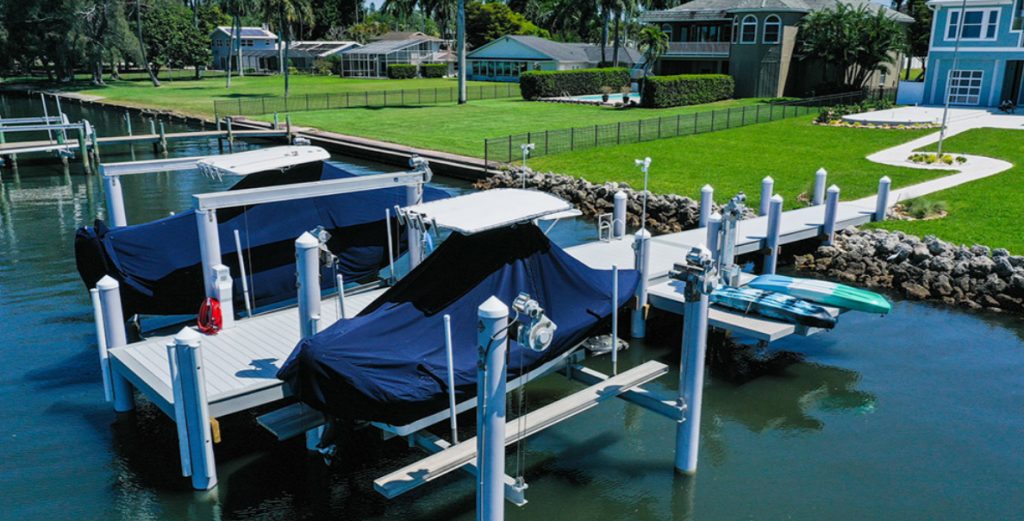
Preventing Corrosion in Metal Components
Traditional docks also face corrosion issues with metal fasteners, bolts, and braces exposed to saltwater and sunlight. These components can weaken, increasing the risk of structural failure. Composite pilings help mitigate this problem, as they typically require fewer metal components and are less susceptible to environmental degradation.
Mitigating Shifting and Settling Issues
Wooden pilings tend to shift over time due to tidal forces and storm surges, compromising dock stability. Composite pilings, such as those from Shoreline Plastics, have external grooves that help anchor them more securely, preventing movement.
“EcoPile is the first composite piling that’s budget-friendly,” Porter explains. “At less than half the price of 100% fiberglass pilings, EcoPile is an economical choice. When factoring in the reduced maintenance and replacement costs over time, the EcoPile becomes the more affordable option. Pilings are the foundation of the dock; replacing a deck in 10 years is manageable, but if pilings fail, the entire dock must be rebuilt. Investing in EcoPile ensures a durable foundation, minimizing future costs and maintenance concerns.”
By understanding common piling issues and exploring modern materials, dock owners can significantly enhance the longevity and safety of their docks. Choosing eco-friendly and low-maintenance options like EcoPile provides both environmental benefits and peace of mind.