

Those of us who have spent considerable time in the South take a few things for granted. We presume the coldest weather will hold off till after hunting season, and we’ve learned to pray for rain after planting our food plots.
Several of my relatives in rural Alabama had farms, and I remember walking barefoot through one rather long, freshly plowed field, looking for arrowheads. It had sandy soil towards the swamp side and darker soil near the center that transitioned into red clay as I walked toward a nearby dirt road.
I recently discussed Southern dirt with someone who studies our regional soils and does extensive testing to discover the best food plot seed varieties compatible with every soil type in the Southeast. He is an integral part of the Southern Seed and Feed team, and his background in wildlife management gives Caleb Weaver a unique perspective on food plot management here in the South. This family-owned, Mississippi-based company has been offering quality food plot seeds to local and regional farmers for 36 years. They constantly research newer varieties and blends for maximum production and nutrition.
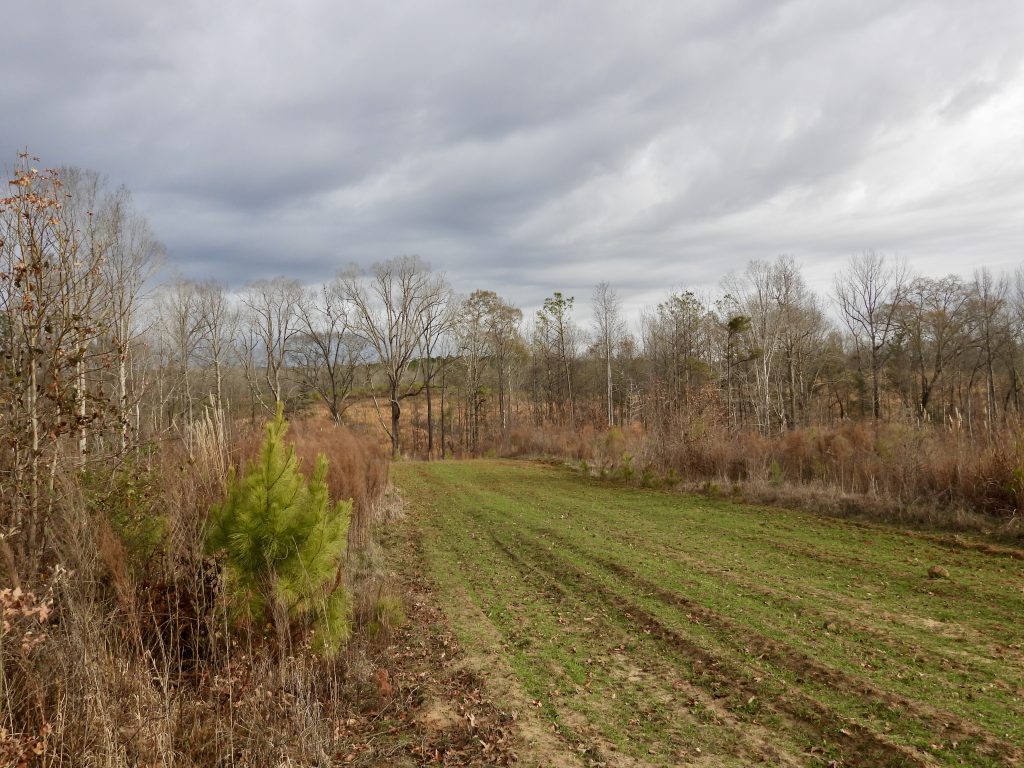
Characteristics of Southern Soils
Weaver said, “If you pick up a handful of dirt in north Alabama, it will likely contain a few rocks. As you move farther south, the soil becomes loamier and contains some clay. If you keep traveling, you’ll run into the rich prairie soil of the black belt region and then pass through the sandy surface soil of the coastal plain.” Sometimes, soil types in larger fields can change from one end to another. In other words, the typical southern soil depends on where you happen to be standing.
Southern soils are a product of specific geological formations, local weather, and past land practices. Early settlers understood that clearing woodland to create “new ground” provided a rich soil that grew bountiful crops. They also learned that yields dwindled as the years went by. Over time, our elevated rainfall can erode and leach many nutrients from open land. However, science has provided some answers as to why the quality and quantity of crops seem to decrease over time.
Today’s landowners are fortunate to have access to local county extension agents and industry experts who can guide them in understanding, evaluating, and improving their soil to increase the quantity and quality of the forage plants sowed in their food plots.
Key Considerations for Selecting Food Plot Seeds
Weaver explained the difference between two distinct varieties of plants. “Forage plants are developed and grown to withstand constant grazing by wildlife. Their leaves are usually broader, and they can handle the stress of repeated browsing,” said Weaver. “Some seed varieties are better for grain production, and their growth and seeding rate differs from the forage varieties.”
“At Southern Feed and Seed, we coat our seeds with Delta Ag seed coat to give the seedlings a jump-start and help them handle the stress of constant grazing. We hand-pick forage varieties that thrive in various soil types,” said Weaver.
Calculating Pure Live Seed (PLS)
He also explained the importance of understanding how to calculate the percentage and weight of “Pure Live Seed (PLS)” in each bag of seed.
Each seed bag has an attached label that lists Pure Seed, Inert Matter, Other Crop Seed, Weed Seed, Germination Rate, and Net Weight.
To calculate the percentage of PLS for any food plot seed, multiply pure seed times the germination rate, then by 100. Now multiply this percentage by the net weight listed on the label. The resulting number is the viable seed contained in a bag.
Often, the resulting calculations reveal that only a little over 40 lbs. of the seed in a 50 lb bag is likely to germinate. Knowing the PLS is critical because planting rates can vary by seeding methods, and it is easy to underplant using the advertised bag weight instead of the PLS.
Some foot plot seed brands have lower pure seed and germination rates than others. Therefore, buying the cheapest bag of seeds in a store is not always cost-effective. Compare pure live seed prices listed on seed bags by dividing the bag’s price by the bag’s weight, then divide this price per pound by the percentage of PLS. The result is the price per pound of PLS.
Popular Food Plot Seed Mixes for Southern Soils
Some seed blends have an excellent reputation when it comes to attracting deer. Oats, wheat, and rye are one of those combinations that many landowners use every year.
Calculating the correct proportion of PLS for each seed contained in a blend can be confusing. That’s another good reason to use mixes from a local seed distributor. They have already done their homework by precisely measuring the correct ratio of each seed type.
Southern Feed and Seed offers a variety of blends that thrive in well-drained southern soils and others better suited for damp and even shady plots. Buying food plot seed for specific soil conditions ensures maximum yield for each field.
Most Popular
Buck Magnet is a growing favorite among many landowners. This blend will perform well even in damp areas and some shade. It offers a unique blend of only the best seeds – Wheat, Forage Oats, Rye, Elite II Berseem Clover, Appin Turnip, and Balansa Clover. All seeds are treated with Delta Ag Seed Coat to ensure quick sprouting and continued growth during heavy grazing.
Southern Buck Super Buck is another excellent choice if you have a well-drained food plot location with at least six hours of sun. It contains eight specially chosen plants that work in harmony to offer your wildlife a variety of highly nutritious and palatable pants. It’s a blend of Wheat, Forage Oats, Austrian Winter Peas, Trophy Rape, Balansa Clover, Crimson Clover, Daikon Radish, & Turnip that provides early and extended forage for up to 8 months with a recommended planting rate of 50 lbs per 1/2 acre.
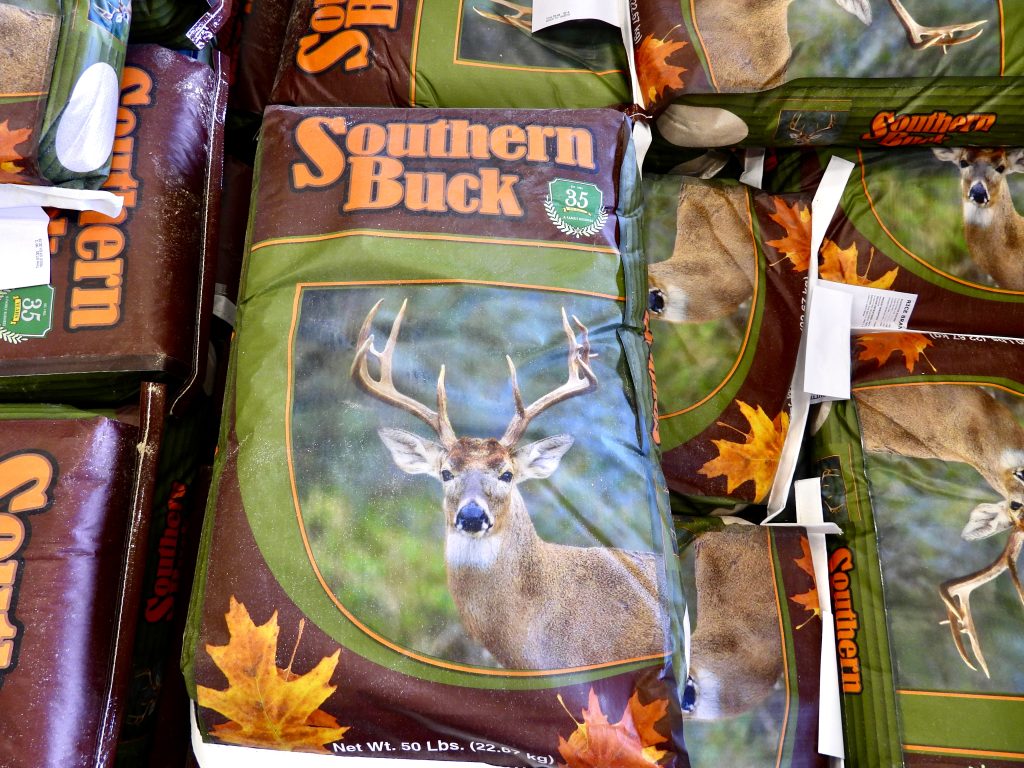
Southern Buck Ideal is an excellent blend of several clover varieties plus wheat. It contains the precise amount of each seed to ensure a healthy stand of high-protein forage that will produce up to 10 months of nutrition for both does and fawn development. This blend of Wheat, Oats, Balansa Clover, Crimson Clover, & Arrowleaf Clover is perfect for someone looking for the right mix of clovers that will thrive in a variety of soils.
The recommended planting rate is 50 lbs per 1/2 acre. In late summer, spray or cut the weeds and disk your plot. From mid-September through October, prepare your seed bed, plant, fertilize, and smooth with drag or cultipacker.
Other seed combinations can produce excellent forage volume, palatability, and nutrition. Southern Feed and Seed has developed several blends that grow well in various soils in our region and are “depth specific.”
Enhancing Southern Soil for Better Yield
The end of deer season is an excellent time to evaluate your soil with a basic soil test. On larger fields, taking multiple samples from different sections is advisable.
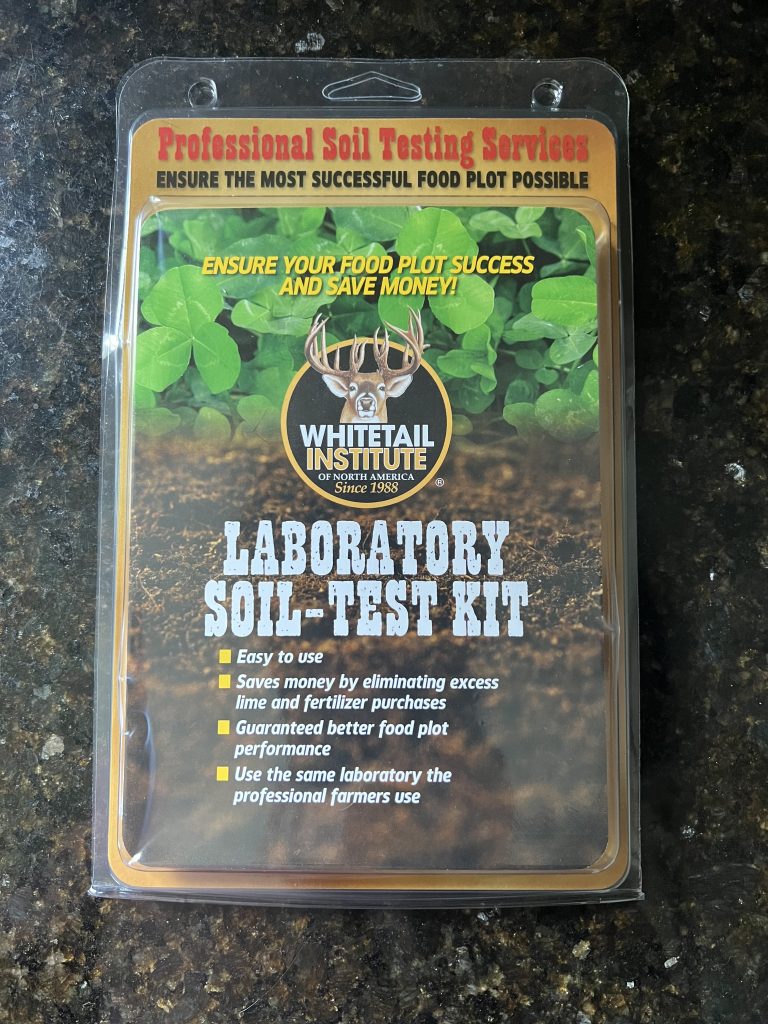
Adjusting your soil pH with lime allows plants to utilize fertilizer better. The correct soil pH will also enable herbicides to work more effectively and make a visible difference in your plants’ growth, yield, and palatability. For best results, landowners should plow lime into their soil about four months before planting. Testing in March or April will allow you time to spread the lime onto your plots by early spring.
Weaver said a soil pH of 6.5 is the optimal level to allow plant roots to absorb the maximum amount of nutrients from the soil. Annual testing of each plot is the only way to know if your soil will allow your seedlings to sprout quickly and reach their full potential. The basic $10.00 test will also determine the primary nutrients in the soil and if any additional lime, potassium, or nitrogen is needed. A comprehensive soil test is also available that will yield a more detailed analysis for about $18.00.
Lime is relatively inexpensive, and getting a soil test and following the recommendations for lime and fertilizer are easy ways to have a food plot crop that will attract and hold deer.
Further Resources
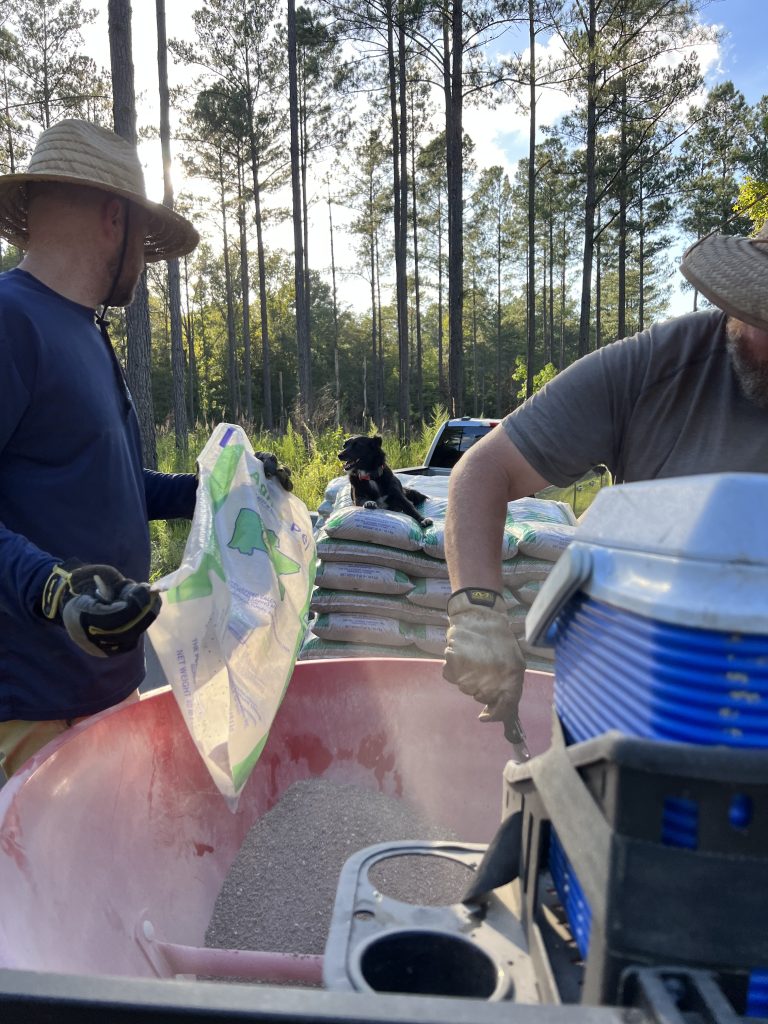
Weaver mentioned a few other concerns that landowners should consider before placing their foot plot seeds into their dirt. Armyworms! Caleb firmly believes in waiting until the first or second week in October before planting cool-weather plots. He has personally seen the devastation wrought by a multitude of hungry armyworms on newly emerged seedlings.
For more information about Southern Feed and Seed products, visit their website. You can also take a trip to Macon, Mississippi, or make a phone call.
Southern Seed & Feed
5069 Magnolia Dr.
Macon, Mississippi 39341
Office: (662) 726-2638