

Building a pond on your property can seem overwhelming, often appearing feasible only for those with deep pockets. However, with careful planning, cost-effective materials, and strategic construction techniques, it is possible to design and build an attractive, functional pond without financial strain.
Pond Planning and Design
Proper planning and site selection are crucial, especially if you need to stay within a budget. First, determine the pond’s purpose—whether for fishing, wildlife habitat, or decorative purposes—as this will dictate the pond’s size, shape, and depth.
Scott Cherones, vice president of Southeastern Pond Management, emphasizes the importance of site selection in pond construction. “Site selection is determined by where you place the dam. An expert can analyze a topographical map to determine the optimal dam location and height, which will then dictate how much area will be flooded upstream. The watershed area determines how large the pond can be. This is critical to understand. Just because you want a 10-acre lake doesn’t mean your property can support it. A good ratio is 20 watershed acres per surface acre of pond.
You can build a pond with as little as a 10-to-1 ratio, but the water level will drop significantly in summer. Conversely, if you have 30 or more acres of watershed per pond acre, you’ll have too much flushing, making it difficult to manage nutrients and fertilize properly. The ideal range is 15 to 25 acres of watershed per pond acre,” Cherones explains.
Drainage
One of the most essential aspects of pond design is the drainage system. The traditional method involves using a standpipe through the dam, allowing for controlled water release. Some pond owners also use an emergency spillway, either made of concrete or flat, undisturbed soil, on one side of the dam as a water-control device.
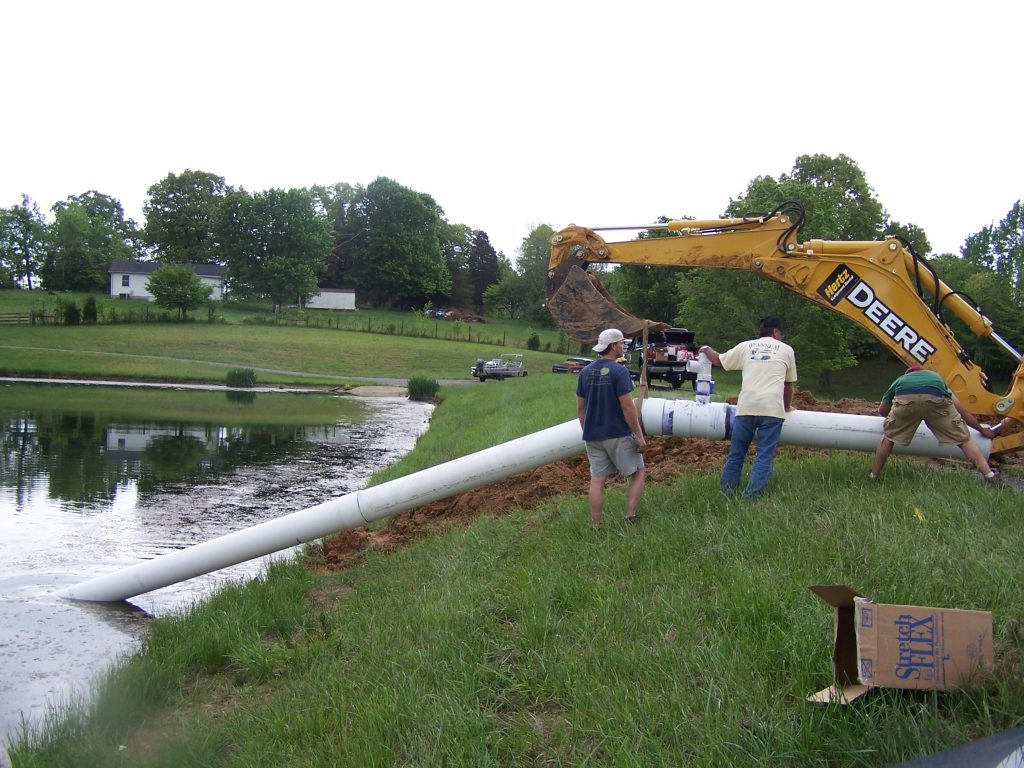
“A better solution that pond builders have adopted in the past 20 years is the siphon system. This more sophisticated method efficiently removes water without mechanical pumps. The siphon system maintains water levels and manages overflow by utilizing gravity and atmospheric pressure. A pipe connects the pond to an outflow area, such as a drainage ditch. When the water level in the pond reaches a certain height, water flows through the pipe due to the height difference between the pond and the outflow area, creating a continuous flow that siphons excess water away,” Cherones says.
Hiring a professional for site evaluation and pond design can add significant costs but often prevents expensive mistakes. Professional fees typically cover assessing soil conditions, water sources, and overall site suitability, while design services include creating detailed plans that align with your vision and the site’s unique characteristics. Costs can vary widely depending on the complexity of the design, the size of the pond, and the professional’s experience. Though this investment might seem steep, it can save money in the long run by identifying potential issues early, optimizing the pond’s functionality, and ensuring adherence to best practices.
Site Preparation
Proper site preparation not only improves the pond’s functionality but also contributes to its long-term health and ease of maintenance.
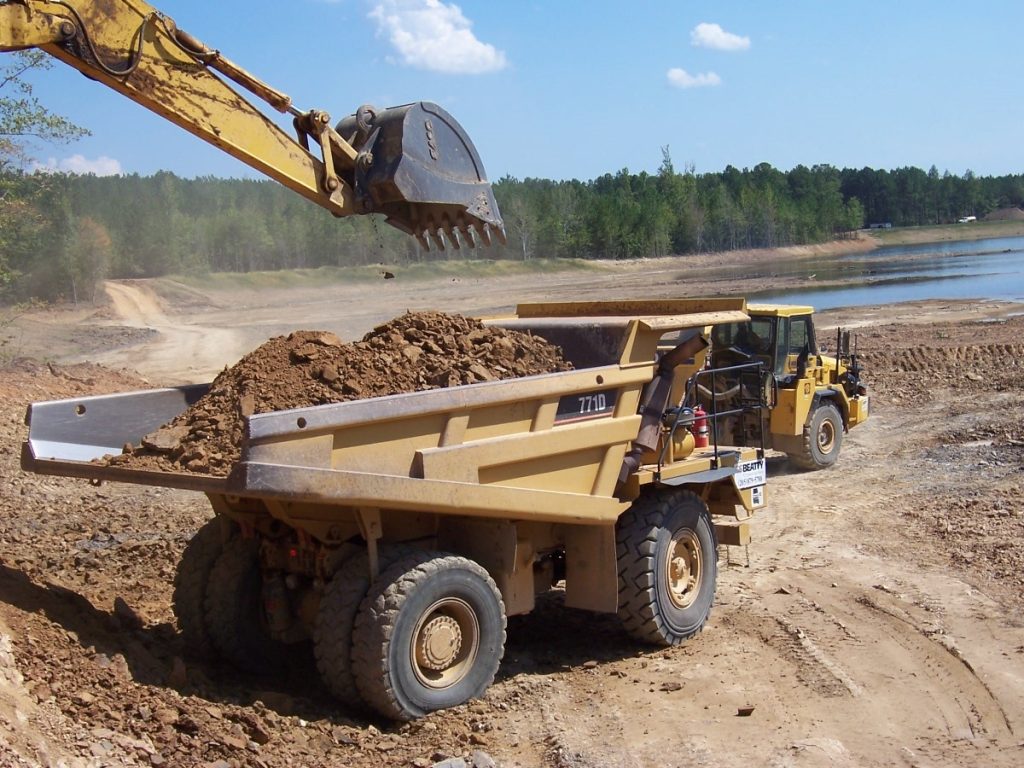
“The most critical step after site selection is digging the core and core key and packing it properly with impermeable clay. Doing this incorrectly can ruin the entire project. Many contractors know how to build pads and move dirt, but if they don’t know how to dig down to impermeable clay and pack it properly in the center below the dam, you risk the dam leaking. High-quality clay must be used in the center core to back the water up,” Cherones advises.
Clearing Vegetation
Clearing brush, debris, and trees is essential when building a pond. Removing dense vegetation ensures a clean, stable site for excavation. Trees with extensive root systems can interfere with the pond’s structure or water levels, and clearing the area helps prevent future issues with organic matter, which can lead to algae growth and maintenance problems.
“If you’re building a large pond or lake, and there’s valuable timber on the site, bring in a timber expert to assess its value. People often think they want to leave standing timber for fish structure, but this can cause problems. As trees die and limbs break off, they can become dangerous to boaters or anglers. Thick standing timber can limit access for fishing and maintenance activities.
Decomposing trees add acid to the water, lowering alkalinity and requiring more lime. I’ve seen ponds with excessive decomposing trees experience oxygen problems and fish kills. You should remove at least 90 percent of the standing trees, pile them up, and burn them. Stumps and debris can be pushed into the deep part of the pond, but decomposition issues may still arise,” Cherones explains.
Soil Testing
Landowners don’t necessarily need a soil test, but a perk test is essential.
“The pond builder will usually dig several test holes. If the holes hold water, that’s a good sign. Experienced pond builders can often tell whether the soil is suitable by observing it during excavation. High-quality clay is a good sign; abundant sand and gravel are not,” Cherones notes.
The cost of land clearing and excavation varies based on the area’s size, vegetation density, terrain, and the depth and complexity of the pond design.
“The cost largely depends on how much dirt needs to be moved, as well as fuel and time. The builder may charge by the hour or day,” Cherones says.
Pond Construction Loans
When securing a loan for pond construction, Brandon Simpson, First South Farm Credit VP branch manager, says they typically finance roughly 80 percent of the value the pond adds to the property. However, landowners must understand that while a pond can increase property value, it doesn’t necessarily add value equivalent to its construction cost.
“If the pond costs $50,000 to build, it may or may not add $50,000 in value to your property. In a perfect world, you have clay-rich soil on-site and don’t need to construct a massive dam to create a 10- or 15-acre pond. In that case, the construction cost may equal the value added. But if you need to import soil and construct a large dam just to create a small lake, the construction cost may exceed the value added,” Simpson explains.
Construction Materials
“The No. 1 material you need for constructing a pond is good clay for the dam, providing a watertight barrier. The best scenario is having good clay within the pond basin. For example, if you need 1,000 yards of clay for the dam and there’s good clay in the upper end of the pond, you can deepen that area while scooping clay for the dam. This saves costs. However, if you don’t have clay on your property, you’ll need to pay to have it brought in, which is more expensive. Alternatively, you could use a rubber liner, but that’s very costly,” Cherones says.
Installing proper drainage is essential for managing excess water, preventing erosion, and ensuring the pond’s longevity. Effective drainage systems help direct water away from the pond’s banks, reducing overflow risk and maintaining structural integrity. Drainage installation costs vary depending on the system’s complexity and site-specific needs. For example, a large siphon system can cost $20,000.
These materials are essential for creating stable pond edges and filtration, so budgeting for them is crucial.
Labor Costs
Labor costs for pond construction can vary widely, depending on the pond’s size and complexity, the area, and the contractor’s experience. These costs typically range between $30 to $50 per hour.
When budgeting for pond construction, consider labor, materials, and design costs. Labor usually accounts for the majority of the budget, while materials, including liners and pumps, add expenses. Additional costs may arise from site preparation, permits, and landscaping.
To stay within budget while building a high-quality pond, prioritize essential features like a durable liner and efficient filtration system. Focus on constructing a pond of manageable size and shape to reduce extensive excavation and expensive accessories. Consider doing some labor yourself, such as landscaping or simple installations, to save on costs. Lastly, get multiple quotes from contractors to ensure the best value.
A pond on your property can provide years of recreational and fishing opportunities, attract wildlife, and enhance your property’s aesthetics. However, it is a labor-intensive and costly project that requires realistic expectations, wise planning, and budgeting. Rely on experts for guidance and enjoy your pond for years to come.