
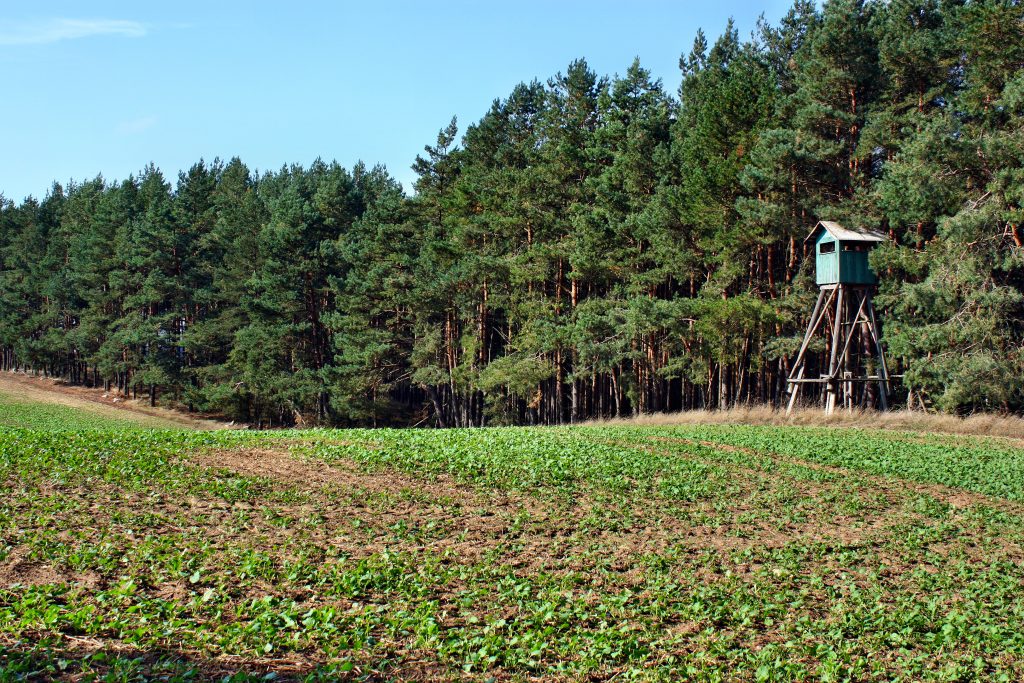
Recreational land loans refer to financial arrangements designed specifically for purchasing or developing properties intended for recreational purposes. These loans provide individuals or organizations with the necessary funds to acquire land for activities such as camping, hunting, fishing, or other outdoor recreational pursuits.
Land is a good long-term investment and can be a revenue producer depending on what you are trying to accomplish. Property that seems kind of marginal can suddenly appreciate in value depending on where it is located and where development is headed. Land that seemed in the past to be “out in the middle of nowhere” suddenly had a perception change when communities grew and expanded and had a need for additional homes, retail and warehouse/commercial space, health care facilities and public facilities such as airports and utilities.
Add to all this the demand for rural properties. Sometimes folks, for a number of reasons, want to buy themselves a piece of rural property. It may be for a rural homestead, a mini-farm, a mineral, timber or pine straw investment, or to have some recreational land just to be able to get away from our busy everyday life and camp, hike, have fun off-roading, or as hunting property.
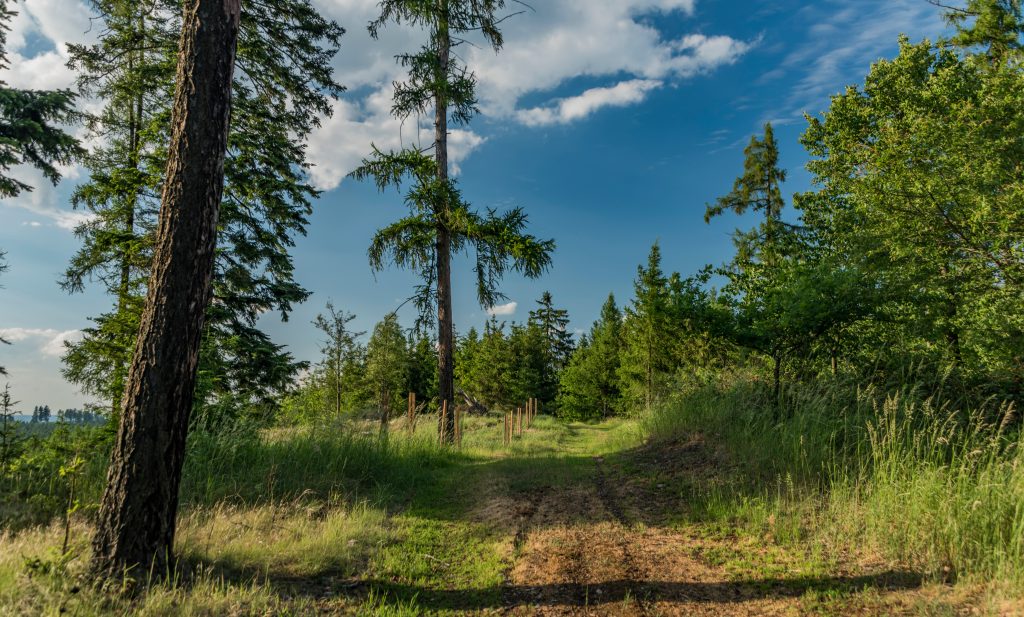
Financing hunting land has become especially popular in recent years. Many buyers want a place of their own where they can manage wildlife, set up blinds or food plots, and enjoy hunting season without relying on leases. That’s where hunting land loans come into play, providing tailored financing options to purchase land specifically for hunting use.
Recreational and hunting land loans typically have different terms and conditions compared to traditional mortgages.
Anyone who has purchased a home is familiar with the basic steps of getting a mortgage, but buying recreational land is a tad different. To find out what is entailed in getting these types of land loans, we reached out to Taylor Hart, who is the manager for the Auburn/Opelika branch of First South Farm Credit in Alabama.
First South Farm Credit is part of the National Farm Credit System and has been financing land since 1916 with 44 branches serving 11,000 members in Alabama, Louisiana and Mississippi, with loans outstanding totaling over $2.9 billion. First South specializes in providing credit for farming operations that include crops, livestock, land and timber, and finances lifestyle homes, rural home sites or rural land tracts for enjoyment or investment purposes—including those used as hunting land.
Recreational and Hunting Land Loan Interest Rates and Down Payment
“We can lend up to 85% of the value of a piece of property, which means a buyer has to come up with 15% as a down payment,” Hart pointed out. When it comes to the interest rate on the borrowed amount, Hart said that the rates are based on several factors.
“One is the financial history and strength of the borrower. The stronger the financial position of the borrower, the lower the rate will be,” Hart said. “Another factor that influences rates and terms of the loan is how much money the purchaser is willing to put into the deal, over the 15%, which results in a stronger collateral position. Rates can also be influenced by the length of terms. Typically, the shorter terms, the lower the rate.”
Hart explained that in addition to cash, a buyer can use other owned land or buildings to apply towards the down payment for recreational or hunting land loans.
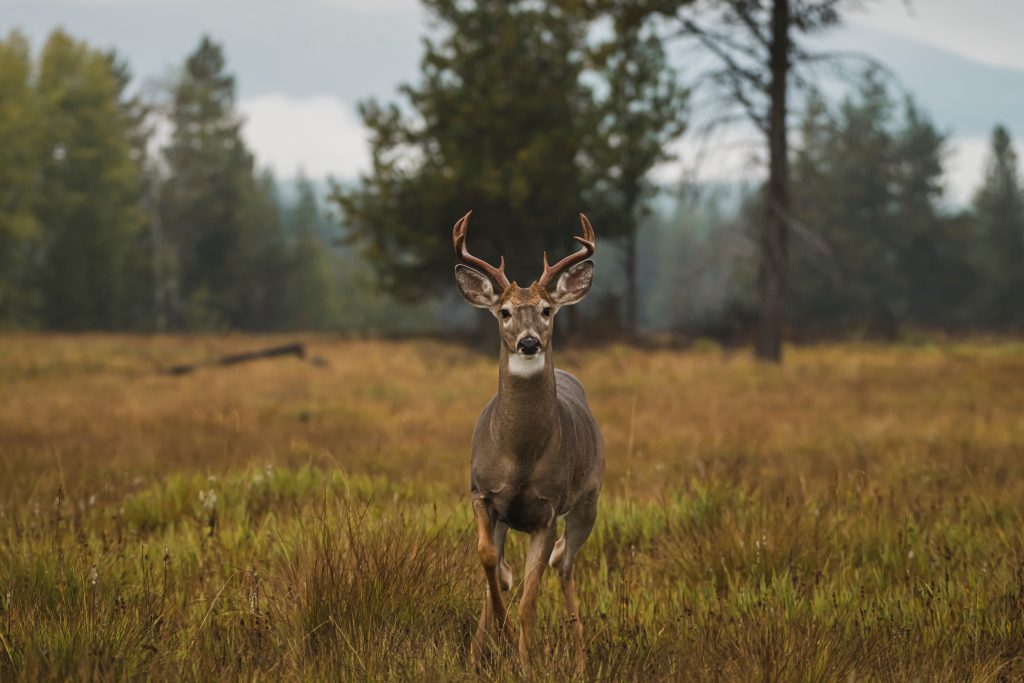
“If the purchaser has other land or agricultural collateral that is mortgage-free, we can usually take that in lieu of a down payment, allowing the purchaser to hang on to their cash for use elsewhere,” Hart advised. There are some special considerations and “wrinkles” for purchasing land, particularly when it is being acquired for hunting.
“At First South, we look at purchases over 10 acres as an Ag loan versus a consumer loan and treat it as such,” Hart said. “The advantage of Ag loans is that there are less governmental regulations and compliance issues, which means less red tape and a quicker purchase-to-close time frame.
“When a person purchases land and First South finances that purchase, the buyer is free to use the land in any way they deem fit, whether it is for income generation purposes or strictly for recreational enjoyment—to establish their own piece of paradise,” he added. “This includes turning it into a well-managed hunting property.”
As of 2026, recreational land loans and hunting land loan rates remain competitive, though higher than pre-pandemic levels. Buyers can generally expect rates ranging from 5% to 9%, depending on creditworthiness, loan size, and term length. The 15% down payment mentioned remains consistent, though some buyers may find that lenders now prefer 20% or more depending on the land’s intended use and location.
Loan Requirements for Recreational and Hunting Land
We asked Hart about the process, steps, time frame, and what documentation buyers need to have to streamline the process for maintaining recreational land loans.
“Whether the purchaser wants to get pre-approved or they come to us after signing a contract, the process is pretty much the same,” Hart pointed out. “Obviously, on a pre-approval we do not know the sales price and consequently we will not be able to calculate the exact loan amount, so we use the loan amount requested by the borrower.
“One of our most popular loan programs covers loans up to $250,000 and is a credit score-based loan that is seamless. In this scenario, the borrower fills out a one-page application, provides a current pay stub and we load them into the system to be scored. That is all it takes. It is very popular with our members due to the simplicity and short time frame it takes to close,” Hart explained. For loans over $250,000, First South requires tax returns and a couple other pieces of financial information in order to do a financial analysis.
“Upon receipt of an executed contract, First South will order title work, an appraisal or internal valuation, whichever is needed, and also coordinate the closing with an attorney,” Hart said. “We provide these services to our member free of charge and it relieves them from doing all of the leg work to coordinating all the moving parts of getting from contract to closing.”

Lenders may consider factors such as the property’s location, size, zoning regulations and potential income-generating possibilities—especially when the land is to be used for hunting leases or timber sales.
First South Farm Credit Member Patronage Program
FSFC is a member-owner cooperative providing short, intermediate and long-term financing and related services to full and part-time farmers, agricultural related businesses and rural landowners.
One of the benefits of doing business with FSFC is that you become a member, and through its patronage program you actually receive money back.
First South continues its longstanding practice of distributing patronage refunds to member-borrowers. In 2026, the cooperative once again reaffirmed its commitment to its members by planning another distribution based on its 2025 performance. This marks more than 28 consecutive years of returning profits to its members, significantly lowering the effective cost of borrowing.
As of this year, First South has returned more than $460 million in patronage refunds over time. This ongoing commitment to sharing profits helps set First South apart by not only offering competitive rates, but also rewarding long-term relationships with its borrowers.
“By offering competitive interest rates and distributing a portion of our profits to our member-borrowers, we reduce their effective cost of borrowing,” said CEO Gines Perez in a recent statement on their website.
Whether you are looking to invest in recreational property for family retreats, outdoor enjoyment, or financing hunting land for long weekends and wildlife management, First South remains a reliable partner to finance your rural dreams.
For more information or to get started, visit FirstSouthFarmCredit.com.