

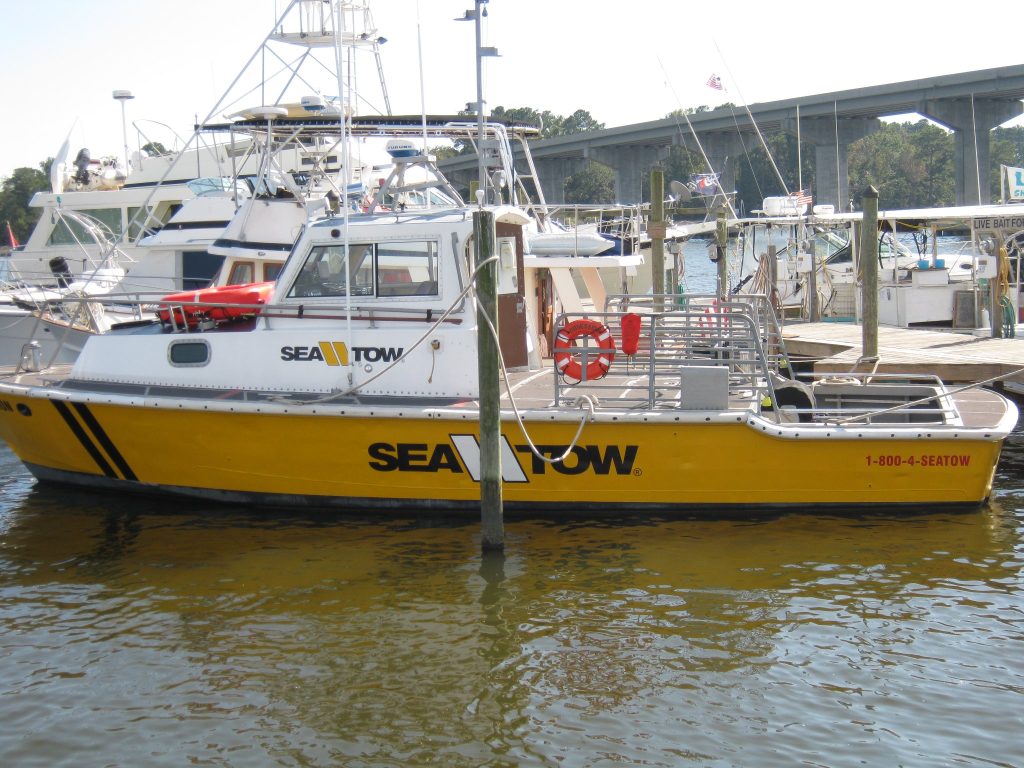
When it comes to boating, the difference between a close call and a catastrophe often comes down to preparation—and that starts with having a well-equipped boat safety kit. Few people understand that better than Captain Walt Bohn. With over two decades of service as a Sea Tow captain and a background in firefighting and port safety, Bohn brings real-world experience to a topic too many boaters still treat as an afterthought: safety.
A Lifetime Committed to Safety
Captain Bohn’s journey began in the mid-1990s as a firefighter in Phoenixville, Pennsylvania, where he rose to the rank of Captain and participated in dive team operations. That early emphasis on safety never left him. After serving as a safety manager at the Port of Philadelphia—one of the busiest freshwater ports on the East Coast—he eventually transitioned full-time into his Sea Tow role, where he’s spent the last 20 years keeping boaters out of danger.
Why Boat Safety Kits Matter More Than You Think
Many recreational boaters underestimate just how fast a good day can turn bad. “Everyone takes it for granted,” Bohn said, referencing numerous calls where the lack of basic safety equipment—like life jackets—nearly cost lives.
One of the most unforgettable rescue stories Captain Walt Bohn shared wasn’t a dramatic offshore incident involving a mayday call—it was something far more quiet and haunting. A 72-year-old commercial clammer had gone missing near Bohn’s hometown. He was an experienced waterman, known locally for his decades of working the bays, but on that night, experience alone wasn’t enough.
It started around 11 p.m., when police and the Coast Guard began searching for an overdue boat. The man’s truck was still at the ramp, but the boat was nowhere to be found. Bohn, also a local volunteer firefighter, recognized the urgency. “It was a rock throw from my house,” he recalled. He suited up, called in another Sea Tow captain, and joined the search of the surrounding waters, braving freezing air and water temperatures hovering in the low 40s.
The missing clammer had made a critical mistake: he left his cellphone aboard the boat, not wanting to risk it getting wet. When his anchor dislodged in shifting winds and currents, the boat floated off, leaving him stranded chest-deep in frigid water. For the next 12 hours, he stood alone, clinging to his clam rake and laundry basket, slowly succumbing to hypothermia.
A Coast Guard helicopter finally spotted his boat grounded in shallow water, unoccupied. At that point, Bohn knew the situation had taken a darker turn. “I looked at my captain and said, ‘This is not good.’”
But just minutes later, a breakthrough: the helicopter moved several hundred yards and spotted movement in the marsh. Bohn and his team followed the spotlight, and through the glare, they saw him, standing upright in less than a foot of water, still holding onto his rake and basket, dazed and barely responsive.
“He had no idea what was going on. He was so hypothermic, he started walking away from us,” Bohn said. They pulled him into the boat with difficulty—his waders were full of water, adding significant weight—and determined that his body temperature had likely dropped into the high 80s or low 90s. Despite that, he survived. Miraculously, he was back clamming days later.
But it wasn’t toughness alone that saved him. As Bohn put it, “If it was anyone else, they wouldn’t have made it.” The man had a lifetime of familiarity with the water, but even that almost wasn’t enough. He had no signaling device. No VHF radio. No waterproof phone case. Just stubborn resolve.
To Bohn, the story is a cautionary tale. It shows how quickly things can go wrong and how simple decisions can cost you your life. “Everything he needed was on the boat,” Bohn said. “And he was 500 yards away, with no way to reach it.”
The lesson? No matter how experienced you are, never let confidence replace preparation.
Core Safety Kit Components: What Every Boat Needs
At a minimum, Bohn stresses that every vessel—regardless of size or distance from shore—should carry:
- Life jackets for every person onboard, correctly sized and in good condition.
- Reliable communication gear, like a VHF radio or a waterproof cell phone in a float bag.
- Navigation and signaling tools, such as electronic flares and radar reflectors.
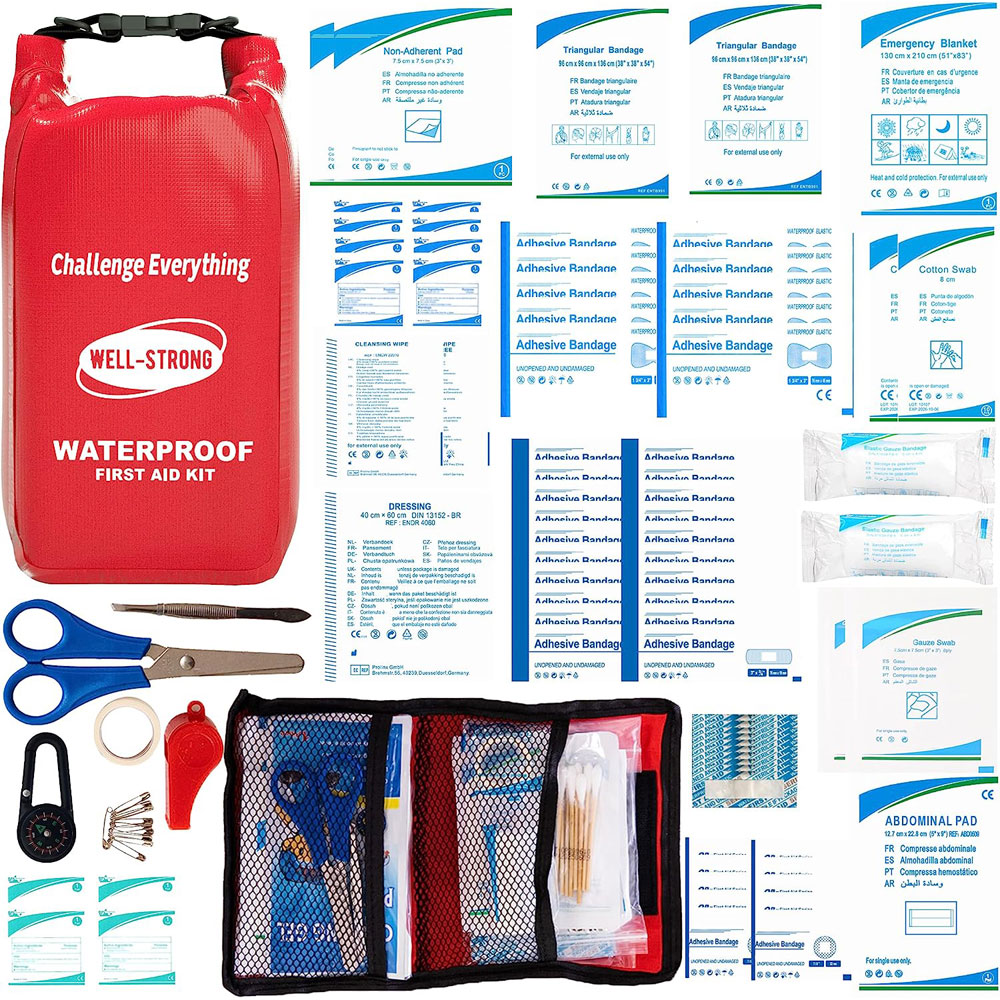
- A well-stocked first aid kit, built for more than just minor cuts.
- An emergency pump, such as a portable bilge pump with battery clips and a discharge hose.
Each of these items serves a critical function, and none should be overlooked. “If you don’t have enough life jackets, don’t even leave the dock,” Bohn warned.
Beyond Bandaids: Building a Better First Aid Kit
When it comes to first aid, Bohn is adamant: don’t rely on the kits sold at the register.
“Most boats have first aid kits that are barely better than glove-box packs,” he said. “You need gear that can actually buy you time until help arrives.”
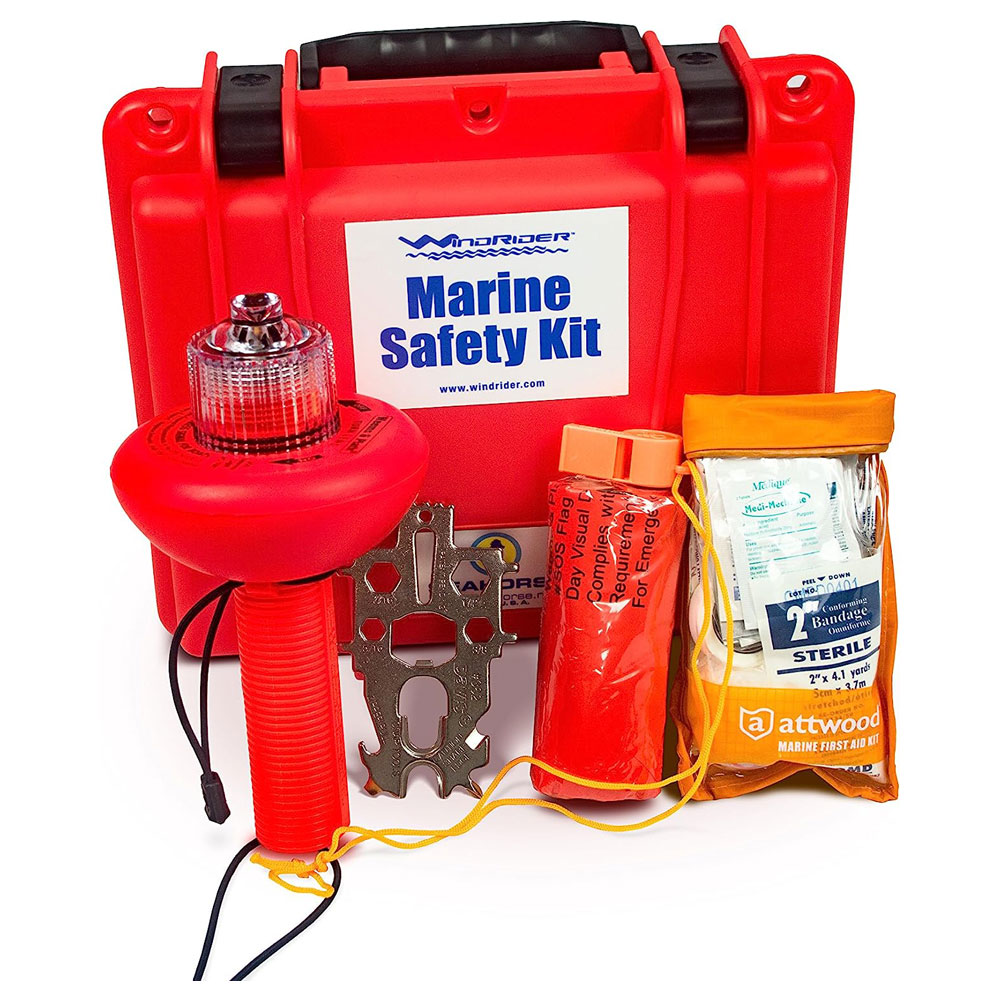
Here’s what Bohn recommends for a real-world-ready first aid kit:
- Gauze, tape, and antiseptic for larger wounds—not just band-aids.
- Burn dressings, antihistamines, and anti-nausea meds for common on-the-water ailments.
- Elastic wraps and splints for sprains and breaks.
- CPR mask, gloves, tweezers, and a basic instruction guide—for those moments when someone has to step in.
- Mylar emergency blanket for hypothermia, especially critical in early spring and late fall.
- Aspirin and glucose tablets for heart and diabetic emergencies.
- Optional but strongly encouraged: a tourniquet and a SAM splint for more serious trauma, particularly when going offshore.
Bohn also urges boaters to include basic over-the-counter meds, like ibuprofen, and to store everything in a waterproof container that’s easy to locate and grab in an emergency.
Inshore vs. Offshore: How Needs Change with Location
Safety requirements vary dramatically depending on where you’re boating. Inshore boaters might get away with lighter kits, but offshore runs demand serious planning.
“Help’s not coming fast,” Bohn explained. Offshore anglers should, in addition to the basics mentioned, consider:
- Satellite messengers or EPIRBs (Emergency Position-Indicating Radio Beacons).
- Life rafts, especially for multi-hour trips far from shore.
- Additional pumps and dewatering tools for emergencies.
- Water and food rations for extended waits.
- AEDs (automated external defibrillators)—which cost around $1,000 and can save lives during medical emergencies offshore.
What Boaters Forget (and Regret)
According to Bohn, the most frequently forgotten items include:
- First aid kits with more than just band-aids.
- Charged and accessible communication tools.
- Properly sized life jackets—not adult jackets on kids.
- Knowledge of how to use onboard safety systems.
He also emphasized regular gear checks. Batteries die. Radios corrode. Flares expire. “Do your maintenance,” he said. “Otherwise, when you need that equipment, it won’t be there for you.”
Beyond Gear: Sea Tow as a Resource
While boat safety kit gear is critical, Bohn emphasized that Sea Tow isn’t just about towing. It’s a support system.
For just $250 a year, Sea Tow members gain access to on-water assistance services and, more importantly, professional advice. New to an area? Call and ask for local tips. Boat not starting? A Sea Tow captain might be able to help troubleshoot over the phone before they have to even leave the dock.
“We’d rather help you correct a problem than tow you home,” Bohn said.
Final Thoughts: Safety Starts with Mindset
For new boaters, Bohn’s advice is simple: start slow and stay prepared. Practice docking. Go out on windy days to learn control. Run drills. Make checklists. Teach your passengers how to use emergency gear.
“Slow is pro,” he said. “There’s no shame in taking it slow if it means being safe.”
In boating, confidence comes not from experience alone, but from preparation, and that starts with building the ultimate boat safety kit.