

Corn is an Old English word broadly interpreted as “any grain or small, hard particle.” In early English usage, corn referred to the primary cereal crop of a particular region. It commonly referred to wheat in England, while in Scotland and Ireland, it referred to oats. When English settlers arrived in North America, they encountered maize, a crop native to the Americas, and started using the word “corn” to describe this grain. Over time, this usage became the standard term in American English.
Yellow corn has a rich history dating back thousands of years. First domesticated in southern Mexico around 10,000 years ago, maize traveled northward through indigenous trade networks. Native American tribes, including the Iroquois and Cherokee, cultivated various corn varieties that displayed a range of colors, including white, blue, red, and yellow.
European colonists quickly adopted corn cultivation upon arrival in the New World, learning planting techniques from indigenous peoples. However, by the 18th and 19th centuries, as agricultural practices advanced in North America, farmers began using yellow corn as a primary feed for their livestock due to its high energy content and adaptability to different growing conditions. By the 20th century, agricultural advancements and hybridization increased yields and disease resistance in yellow corn, securing its place as a dominant crop in North American agriculture.
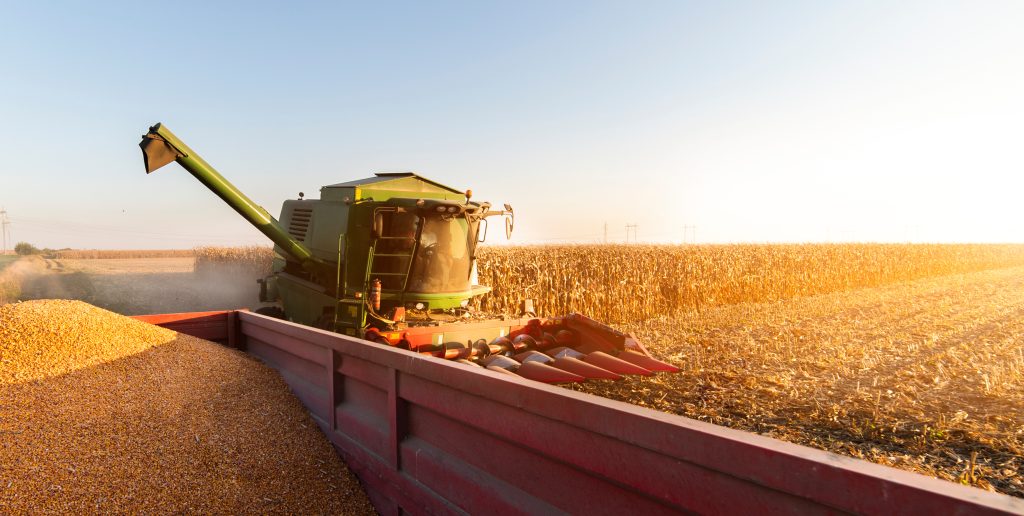
These newly developed varieties also had increased nutritional value, making them a crucial part of modern livestock feed. Today’s yellow corn remains a critical component in animal husbandry as it provides the necessary carbohydrates and energy for cattle, pigs, poultry, and, more recently, wildlife.
A short time ago, I spoke with Seth Koehn of Southern Feed & Seed. Seth’s late father, Roger, began their family-owned and operated business 41 years ago by cleaning seeds for local farmers in the Mississippi black-belt region. Roger also cleaned feed corn for local farmers using a three-stage process and soon afterward began bagging, labeling, and selling his locally grown Triple Clean Corn to the public. Seth Koehn said that even though they have automated much of the process, they still rely on local farmers to supply the high-quality corn, and many other seeds produced in the nearby fertile Blackbelt region surrounding their business in Macon, Mississippi.
What is Triple-Cleaned Corn?
Koehn said Southern Feed & Seed originally developed this industry-standard way of cleaning and testing their deer corn products. Their Triple-Clean corn undergoes a thorough cleaning process that involves three stages to remove impurities such as dirt, cob fragments, and other debris. These extra cleaning steps ensure a higher-quality product that is ideal for various uses, including supplemental feed for livestock, birds, and other wildlife.
- Initial cleaning removes larger debris such as stones, husks, and other contaminants that often get mixed in during harvesting.
- Secondary cleaning involves a more detailed process targeting smaller particles such as dust, chaff, and broken kernels. It can also include separating immature or underdeveloped kernels.
- Final cleaning includes a fine-tuned process that ensures the corn is free from any remaining small particles and impurities, including mould.
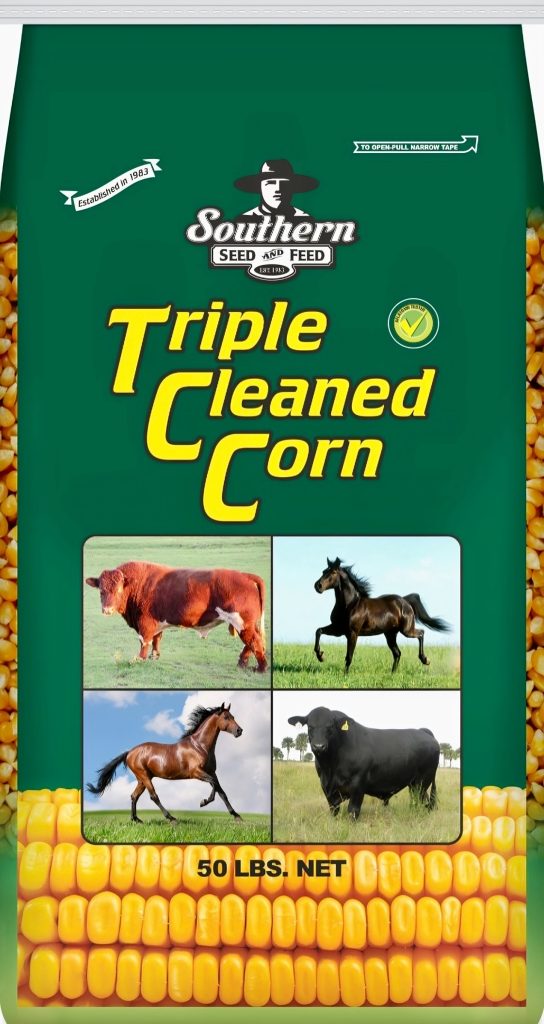
This procedure also controls moisture content and includes mould testing before packaging in poly bags for transportation. This rigorous cleaning and testing process guarantees premium quality, ensuring their product provides essential nutrients and flows smoothly through gravity and mechanical feeders.
Benefits of Triple-Cleaned Corn
Koehn said their cleaning process ensures their corn is much cleaner and has a reduced risk of danger from Mycotoxins like Aflatoxin and Fumonisins, ensuring increased quality and safety. Removing these contaminants and debris also reduces the chances of spoilage and extends the shelf life of the deer corn.
One of the benefits of triple-cleaned corn is that it is a high-energy source. Corn is carbohydrate-rich and provides quick, easily digestible energy, which is especially important during the fall and winter months. During these times, deer accumulate fat reserves to survive winter’s colder temperatures, periods of natural food scarcity, and the rut.
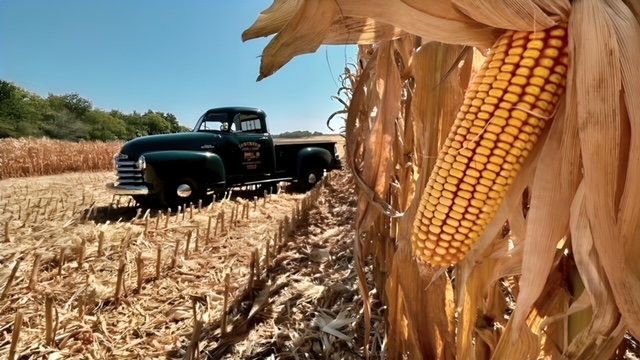
Additionally, because Southern Feed & Seed tests their corn for mould, and is free from dust, and other contaminants, it reduces the risk of digestive problems or illness caused by these contaminants. It also reduces the risk of mycotoxins contaminating the surrounding soil and endangering other wildlife.
Comparing Triple-Cleaned Corn to Regular Deer Corn
Triple-cleaned corn can be more expensive due to the additional processing and testing. However, removing impurities ensures mold-free kernels, a more consistent product typically favored for wildlife, and a high-quality livestock feed where animal health is more closely managed. The result is purer deer corn that is safer for consumption, particularly for wildlife or animals with sensitive digestive systems, and reflects added safety, reduced risk, and better nutritional outcomes for animals.
Regular corn typically contains impurities such as dust, dirt, broken kernels, and foreign materials (small stones, stalks, or other debris). It may also have a higher risk of mold or moisture contamination, particularly if not stored properly. This type of corn is generally less expensive due to the minimal processing involved. It is widely available and typically used when there is a need for large quantities of feed at a lower cost. Farmers and feed suppliers often choose regular corn when budget is a priority, and a small level of impurity is acceptable for certain livestock.
The choice between the two often depends on the specific feeding goals and the importance of purity and health in the animals that feed on it. You can find bags of Southern Seed & Feed’s “ORIGINAL Triple Clean Corn” at dozens of retailers across the southeast, or you can go to their website and click on the “where to buy” feature to locate the nearest dealer.
The Impact on Wildlife and Hunting
Deer typically gravitate to food sources with the highest protein, nutrient content, and digestibility. Triple-cleaned corn provides a purer and safer food option that whitetails seem to recognize. Providing a better quality, cleaner, and mold-free corn can affect deer behavior by encouraging regular feeding patterns since the corn is more palatable and nutritious.
Health benefits may include reduced risk of digestive issues and exposure to harmful toxins, such as aflatoxins commonly found in moldy corn, which can lead to liver disease, reproductive problems, poor growth, weight loss, and even death. Providing deer with premium-quality corn can boost their energy levels and improve their overall well-being, promoting better herd health.
Using triple-cleaned corn in wildlife management provides several long-term benefits. First, it ensures a healthier food source for whitetails by eliminating unhealthy contaminants. Healthier deer populations are more likely to thrive, with improved survival rates, reproduction, and increased size. Providing higher-quality supplemental feed over time contributes to a more stable and sustainable wildlife population.
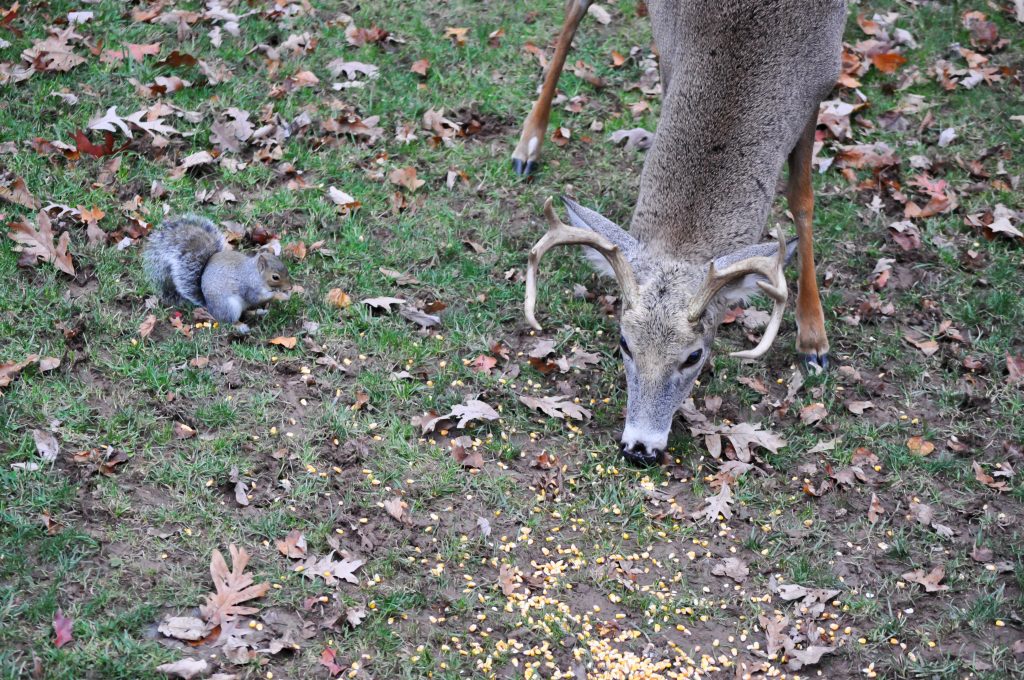
Providing triple-cleaned corn can also help establish consistent feeding areas where deer are more likely to return. Supplemental feeding sites can lead to predictable movement patterns, making it easier for hunters to camera-track and monitor deer populations more effectively. In the long term, healthier herds and population management contribute to a balanced ecosystem, ensuring better wildlife conservation and enhanced hunting opportunities.
Final Thoughts
Providing good quality supplemental feed for wildlife in the form of food plots and via feeders has become the norm in today’s deer hunting world. We now know that managing our wildlife populations involves more than harvesting a few animals every season. Monitoring the overall health of your wildlife population is vital for an effective long-term management plan, and providing clean, high-quality corn that won’t clog your feeders is a primary means of drawing your deer to specific areas for observation or harvest.
Strategically placed corn feeders allow hunters to monitor the majority of the deer population on their hunting lease. They are an excellent, cost-effective tool for implementing a hunting strategy that keeps deer on your property and close enough to your blind location to make an ethical shot.
If you hunt in Alabama, or anywhere else in the Southeast, just be sure to purchase a “Bait Privilege License” before hunting near that Triple Clean Corn.