

In the southern United States, largemouth bass, crappie, and bream have traditionally dominated pond stocking. However, rainbow trout—a species typically suited to the cooler waters of northern climates—has become increasingly popular among pond owners looking to expand their fishing options during the winter months. Although rainbow trout won’t survive year-round in southern waters, they offer an exciting seasonal addition. Below, we cover everything you need to know before exploring live trout fish for pond stocking.
Why Stock Rainbow Trout in the South?
Rainbow trout are well-known for their thrilling fight, quick growth, and excellent flavor, making them a compelling option for pond owners in the South. “Rainbow trout are the ‘Bass of the Winter,’” explains Norman Latona, founder and president of Southeastern Pond Management(SE Pond). “They open up a whole new opportunity to fish your pond during the cold weather. They’re active, they fight hard, and they’re easy to catch—plus, they’re fantastic to eat.”
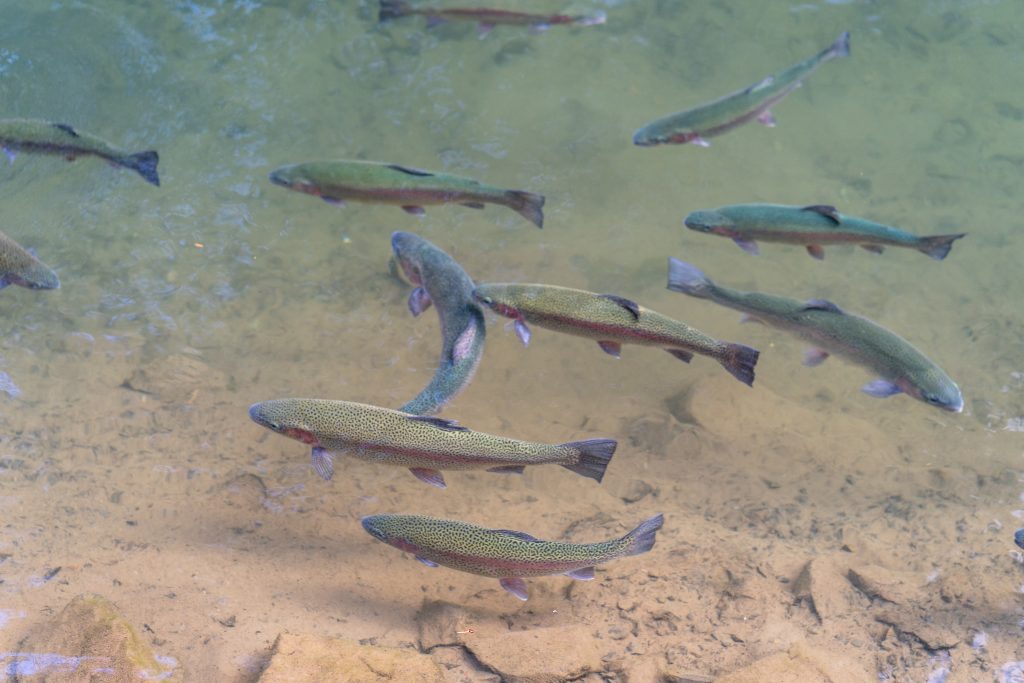
Rainbow trout are a “put-and-take” species in the South, meaning they are stocked for seasonal enjoyment and typically won’t survive past spring. Warmer water temperatures, reaching the mid-70s Fahrenheit, will eventually cause stress and decline. This seasonal lifespan allows pond owners to enjoy fishing during colder months when warm-water species are less active.
Key Considerations for Stocking Trout
For pond owners looking to stock rainbow trout, timing, stocking rate, and size considerations are essential.
- Timing: SE Pond Management stocks trout in November, as water temperatures fall into the 60s. “We try to get as many customers taken care of before Thanksgiving as possible,” says Latona, noting that holiday gatherings at cabins and properties with ponds make early to mid-November a popular time for stocking.
- Stocking Rate: Recommended stocking rates vary by pond size. Smaller ponds of three to eight acres may be stocked with up to 30-100 pounds of trout per acre, depending on fishing frequency and budget. Larger lakes may see lower rates of around 10-20 pounds per acre. “On smaller ponds, we’ll often stock them more densely because of affordability,” Latona says, “so a five-acre pond may receive up to 30 pounds per acre.”
- Size of Trout: Rainbow trout are stocked in two main categories: “small” trout, weighing around three-quarters to one and a quarter pounds, and “large” trout, weighing upwards of five pounds or more. For most pond owners, small trout are more cost-effective, as they offer more catch opportunities. “The cost is essentially the same per pound,” Latona explains, “but with smaller fish, you get more to catch, so most opt for the smaller size.”
Feeding and Growth
Southern pond owners are often delighted by how quickly trout grow. Rainbow trout respond well to high-protein pellet feed, with feed conversion rates close to 1:1, meaning each pound of feed can translate into nearly a pound of body weight gain. Trout are also conditioned to eat pellets from an early age, making them compatible with the same feeders used for bream. For owners looking to maximize growth, adding “trout chow”—a richer, protein-packed feed—can help trout gain even more weight over the winter.
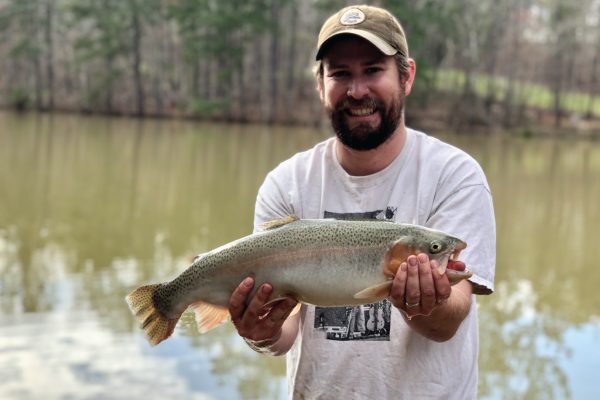
“It’s not unusual to see a one-pound trout stocked in November reach two pounds by early spring,” Latona notes. “They grow like crazy in the wintertime, feeding on pellets and other forage fish, adding up to three pounds over the season.”
Angling and Enjoyment
Trout are aggressive feeders, often striking at anything that hits the water’s surface, making them easy to catch for both novice and seasoned anglers. From fly fishing to small crankbaits, spinners, and worms, rainbow trout can be caught using a variety of lures and techniques. Their active behavior provides thrilling catches, especially on lightweight gear.
“We have folks that fly fish for them, catch them on jigs, spinner baits, even rattle traps and worms,” says Latona. “They put on quite a show if you catch them on a fly rod or a lightweight spinning setup.”
Cost and Practicality
The cost of live trout fish for pond stocking in the South varies based on the trout’s size and market conditions. Trout fall within the food industry supply chain, meaning prices are influenced by market fluctuations. The smaller trout, which cost between $7 and $9 per pound, are often preferred because they provide a greater number of fish for the price, leading to more fishing opportunities. The larger trout, though not as efficient in feed conversion, are still an option for those seeking trophy fish.
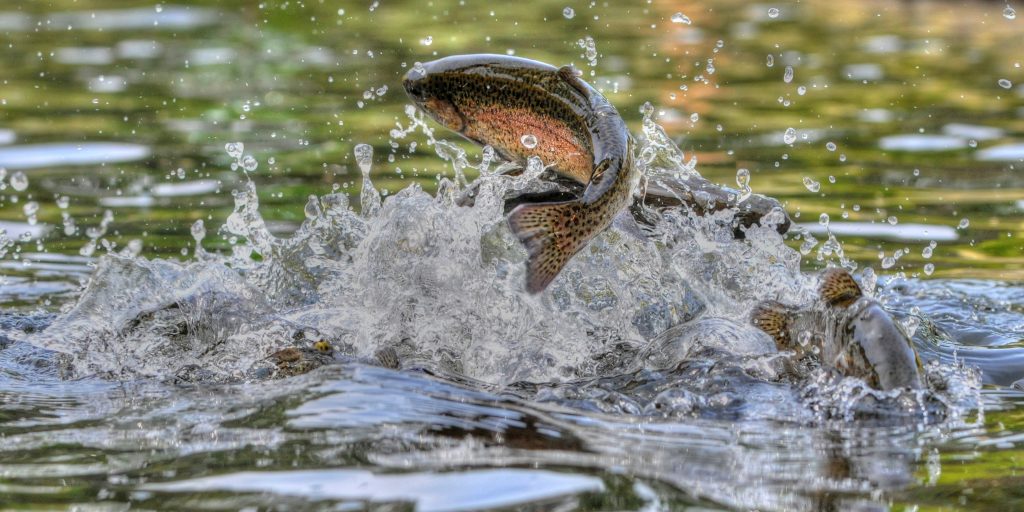
As Latona puts it, “The cost per pound is nearly the same, but if you go with smaller fish, you get more to catch. Some of our customers even opt to stock a few larger trout as trophies.” In some cases, pond owners have successfully caught trout up to 11 pounds, providing a rare thrill for southern anglers.
Additional Considerations: Trout as Prey
An interesting dynamic exists between rainbow trout and largemouth bass. Smaller trout, especially those weighing less than a pound, are occasionally preyed upon by larger bass. “For those interested in growing trophy bass, stocking smaller trout as forage can be an option,” Latona explains. “It’s a bit pricey, but there isn’t a better way nutritionally to grow big bass.” When trout begin to struggle with warming temperatures in spring, they become particularly vulnerable, providing an easy meal for bass.
A Seasonal Addition Worth Trying
While rainbow trout will not survive year-round in the South, their seasonal presence provides unique benefits: winter fishing opportunities, thrilling fights, and quality food. “Rainbow trout are conditioned to eat pellets from a young age, so they’re active and easy to catch in the winter,” Latona shares, “and they’re fantastic to eat.”
For southern pond owners, stocking trout offers a rare chance to enjoy winter fishing akin to northern waters, albeit briefly. As the water temperature rises in late spring, trout will succumb to the warmth, often becoming forage for larger bass. But in the meantime, they make for an exciting and rewarding addition to any pond.
Whether you aim to catch smaller fish more frequently or seek a few trophy trout, live trout fish for pond stocking could be a worthwhile choice for your pond this winter. With proper stocking rates, timing, and feeding, pond owners can enjoy this unique fishery all season long.