

Creating a healthy pond habitat is crucial for sustaining a flourishing ecosystem that supports fish and other aquatic life, such as amphibians, insects, plants and beneficial microorganisms. A balanced environment helps to regulate water quality, preventing issues like algae blooms, stagnant water or toxins that can harm fish and plant life. Healthy habitats also encourage biodiversity, which reinforces the resilience of the pond ecosystem against pests, disease, and environmental stressors. By nurturing a stable habitat, you’re not only safeguarding your fish’s well-being but also contributing to your pond’s overall health and sustainability.
Justin Hodges with Texas Hunter Products says it’s worth investing time and effort into improving your pond’s habitat because it leads to healthier fish populations and great enjoyment of your pond.
“Supplemental habitats support higher productivity, resulting in more available food, which leads to better growth rates. Improved habitats also encourage multiple species to thrive. Diverse habitats provide niches for different fish species, promoting a balanced ecosystem. This diversity leads to more resilient populations so they can better withstand changes in the environment,” Hodges said.
Fish play crucial roles in nutrient cycling, controlling algae growth, and supporting other wildlife. By fostering robust fish communities, habitat improvements can enhance these ecological functions and make fishing more enjoyable and successful by increasing fish visibility and activity.
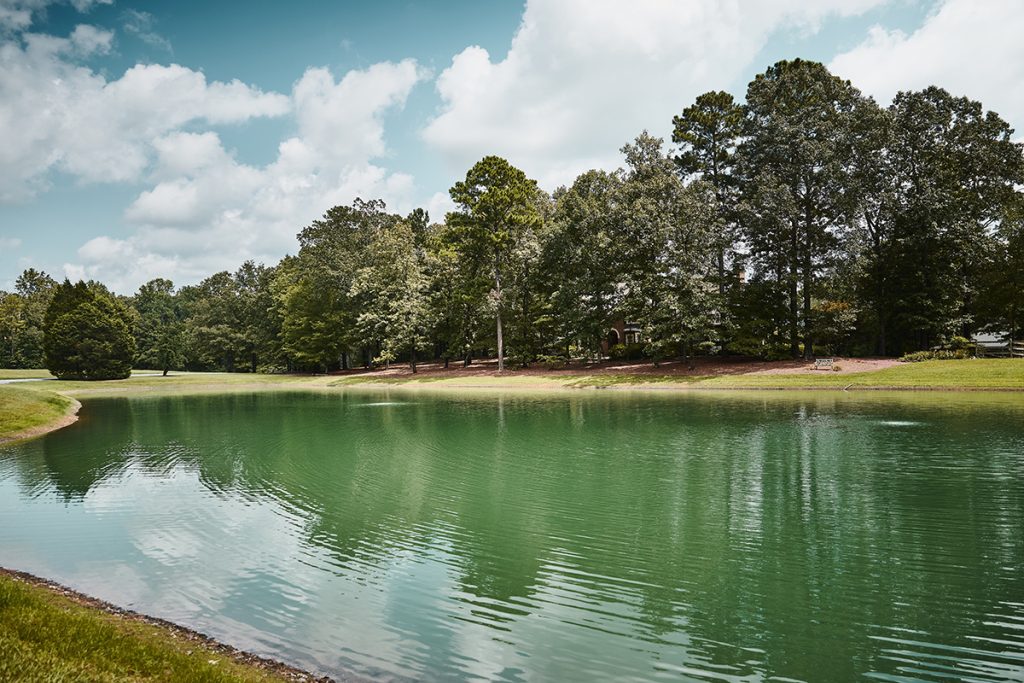
Assessing Your Pond’s Current Condition
Norman Latona, owner of Southeastern Pond Management, a leader in pond and lake management services since 1989, explains that evaluating water quality is extremely important.
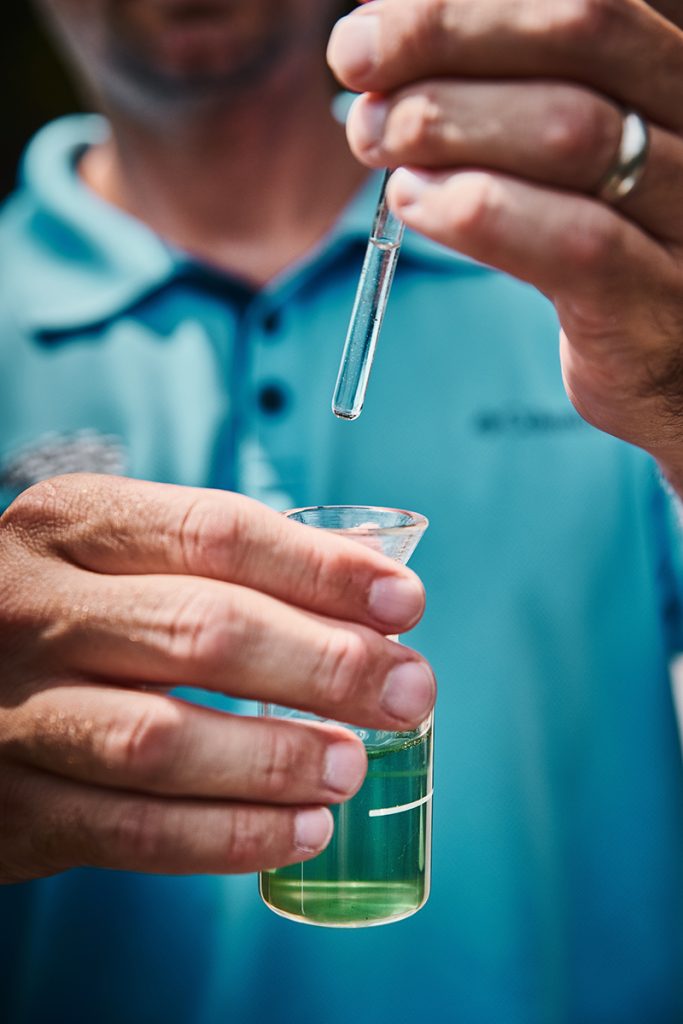
“When evaluating the water quality, you’ll look at a number of factors. One of the primary things we analyze in Southeastern ponds is alkalinity, which is the measure of acidity in the water. Our soils are very acidic in the Deep South, which can compromise the overall water quality. It affects a number of things, such as oxygen levels and water clarity. It affects the ability of pond to be naturally productive and for phytoplankton to grow in the water,” Latona said.
Alkalinity can be measured with a test kit, which can help the pond owner determine how much agricultural limestone to apply. Latona says one ton of lime per acre per year is what’s required to maintain alkalinity in desirable range. In a five-acre pond, you might put 25 tons of lime, which can hold it over for five years.
Vegetation and Structures
Hodges explains that identifying existing vegetation and underwater structures in your pond is also a vital step toward establishing a healthy environment. Vegetation and structures provide essential habitats for fish, offering shelter from predators and spawning grounds. Aquatic plants and structures attract insects and other organisms that serve as food for fish, supporting their growth and reproduction.
“Vegetation helps maintain water quality by filtering pollutants and stabilizing sediments, creating a healthier environment for fish. Plants provide shade, helping regulate water temperature, which is crucial for fish survival and activity. Aquatic plants contribute to oxygen levels in the water, necessary for fish respiration,” Hodges said.
Latona says determining the current fish population and species before you begin a habitat improvement plan is necessary as well.
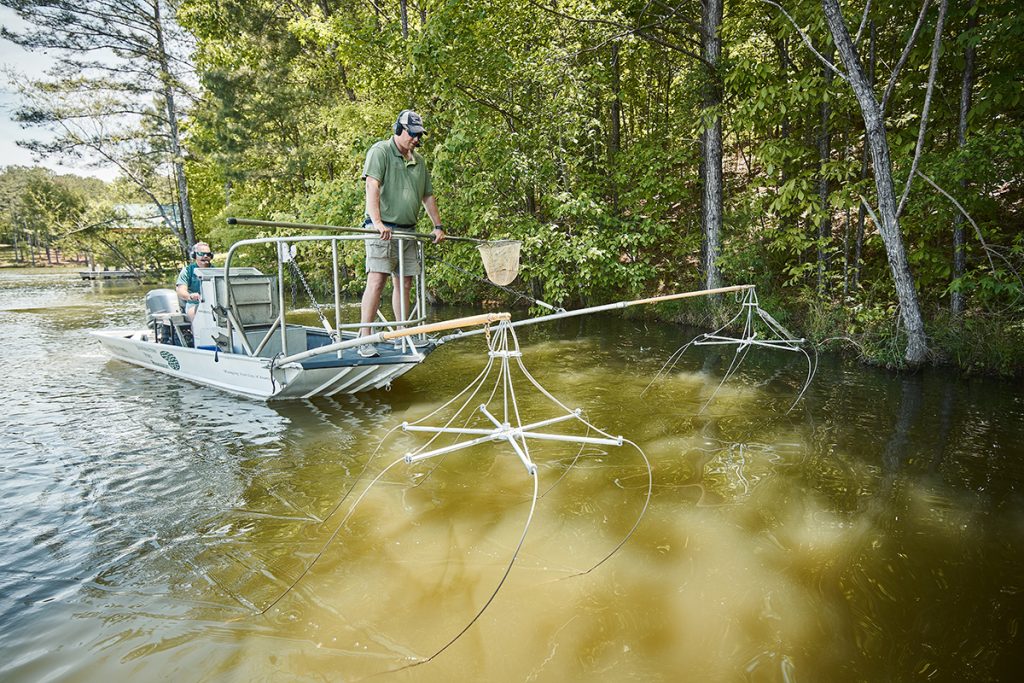
“We spend a lot of time with our electrofishing boat doing fish population assessments — determining species composition, the current population and balance of predators versus prey. That balance is awfully important. Usually, the problem is too many predatory fish and too little prey. Sometimes, the predatory fish, such as bass, become so abundant that they eat themselves out of house and home. Then they quit growing in size. That’s why it’s important to offer prey fish, such as bream, a healthy natural habitat full of cover. They need safe places where they can get away from predators and defend themselves. Design your pond’s habitat with that in mind. Create nooks and crannies where prey species can hide,” Latona said.
Enhancing Structure for Fish
Underwater structures like rocks, fallen trees, and brush piles provide hiding places and shelter for fish and other aquatic organisms, protecting them from predators. Many fish species use these structures as spawning sites, which help ensure healthy populations. They create habitats for insects and smaller organisms, serving as a food source for fish. Natural structures can help stabilize sediments and improve water quality by supporting beneficial microorganisms. The variety of structures contribute to a diverse habitat, supporting a wider range of species and promoting ecological balance. Anglers love these features as they create prime fishing locations, attracting fish seeking shelter and food.
“Artificial structures are a good choice. The Texas Hunter Products fish habitat is artificial, so it will last a lifetime, never deteriorate and requires zero maintenance unlike natural trees and brush piles,” Hodges said.
To strategically place structures to offer shelter and spawning areas, you must first assess your pond. Evaluate the pond’s depth, water flow, and existing vegetation. Identify areas that may benefit from additional structures. Select appropriate materials such as rocks, logs, brush piles, or artificial structures. Ensure they are natural and safe for aquatic life. Different species have specific habitat preferences. Research the target fish species to determine their spawning and shelter needs. Place structures at various depths to cater to different fish and aquatic organisms.
“Shallow areas are often good for spawning, while deeper areas can provide shelter. Arrange structures to create cover without overcrowding. Leave gaps for fish to swim freely and access various areas. After placement, monitor the effectiveness of the structures and be prepared to adjust their positions or add more if necessary,” Hodges said.
Managing Aquatic Vegetation
Weed control is also an important factor in maintaining a healthy pond habitat.
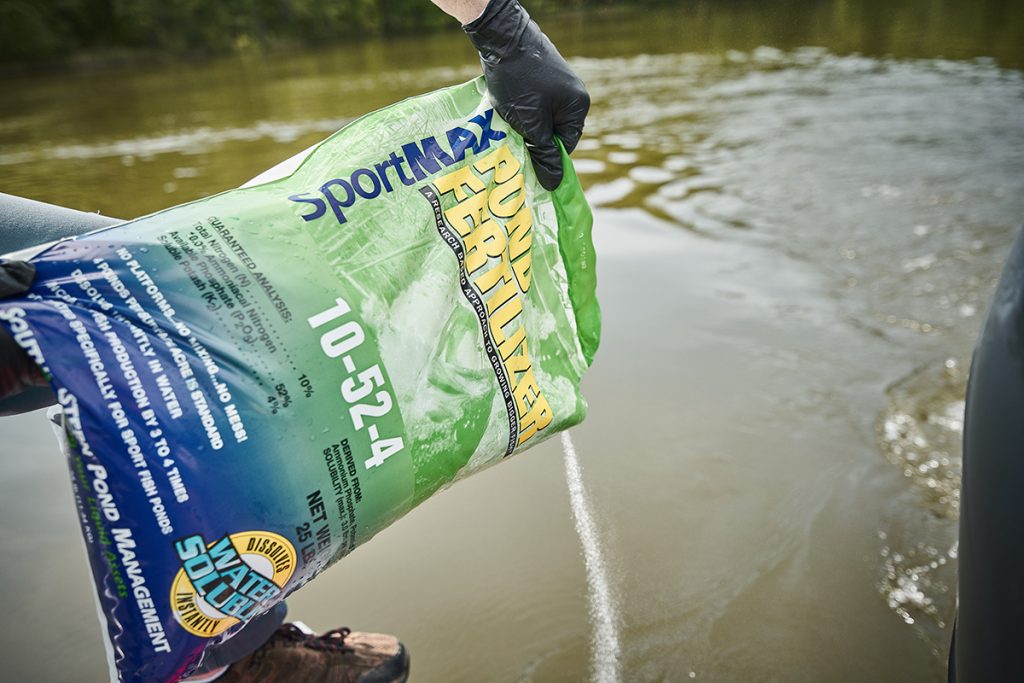
“Weed control is important for few reasons. It’s unsightly. It can attract pests and snakes and collect debris. It can be a real nuisance to anglers when a pond is choked by weeds because you can’t get your fishing boats or lures through it. Most importantly, when a pond is inundated with vegetation, that vegetation becomes the primary leach of nutrients. Nutrients in the water determine the natural food production. When there is a terrible vegetation problem, the water stays clear because there’s not a lot of natural food production,” Latona said.
Balancing Fish Population
When the prey/predator balance is off, both the prey and the predators suffer. If there are too many predatory fish, which is usually the problem, the prey fish, such as bluegill and shellcrackers suffer with poor numbers and the predatory fish, such as bass, become stunted in their growth.
Latona says selecting the right species in the right amount of numbers and strategically stocking them over a period of time is critical to a balanced fish population.
“You want a forage/prey fish that will reproduce and grow at a fast rate. You want it to be hearty as it will become the primary food source for the predatory fish. We most commonly stock bluegill and shellcrackers for that purpose. After we give them a few months to reproduce and grow, we’ll stock largemouth bass. The predators and prey keep each other in check if they’re at a healthy ratio. We typically stock between 20 to 40 prey fish per one predatory fish,” Latona said.
When it comes to managing overpopulation and ensuring biodiversity, Latona says the key is harvest – particularly the harvest of bass.
“They are the ones that eat themselves out of house and home. If you let them stockpile, they just stop growing. They grow at a much slower rate. You’ll end up with a pond full of small- to medium-size bass. They won’t grow rapidly,” he said.
Improving Water Quality
Maintaining good water quality is essential, but aeration systems are not necessary for most smaller sportfishing ponds. The water will get enough oxygen from the air because of the expansive surface area. The air is sitting there right against the pond.
“If the oxygen level gets low, the water will pull oxygen in from air. Aerators are used more for commercial fishing ponds,” Latona said.
Most ponds will naturally maintain good water flow as the wind helps break up the surface tension. Sometimes, debris, such as dust pollen can cause a bit of stagnation. If so, you can install a small surface agitator or small fountain to break it up.
Algae Growth
Controlling algae growth and maintaining clear water is important to maintaining water quality.
“There’s a couple of different types of algae. Planktonic algae (phytoplankton), which are made of millions and zillions of tiny aquatic plants, makes ponds look green. That type of plant is good. It’s the base of the food chain and you want to encourage the growth of that type of algae. Filamentous algae is the bad stuff. It’s what many people know as ‘pond scum.’ It’s that slimy and stringy stuff and it’s not desirable. It messes with fishing and leaches nutrients out of the water.”
“You can control in a few ways. If you can get your pond to grow planktonic algae, it can shade out the bottom from sunlight and help prevent other types of algae from growing from the bottom. Vegetarian fish, such as grass carp can also help. If grass carp and healthy algae don’t help fix the problem, you can use a herbicide which is approved for use in aquatics,” Latona said.
By preserving water quality, controlling invasive species, maintaining a healthy predator/prey balance and promoting native vegetation, you can ensure that your pond is a vibrant and resilient environment that can house a healthy fish population and provide enjoyment for years to come.