
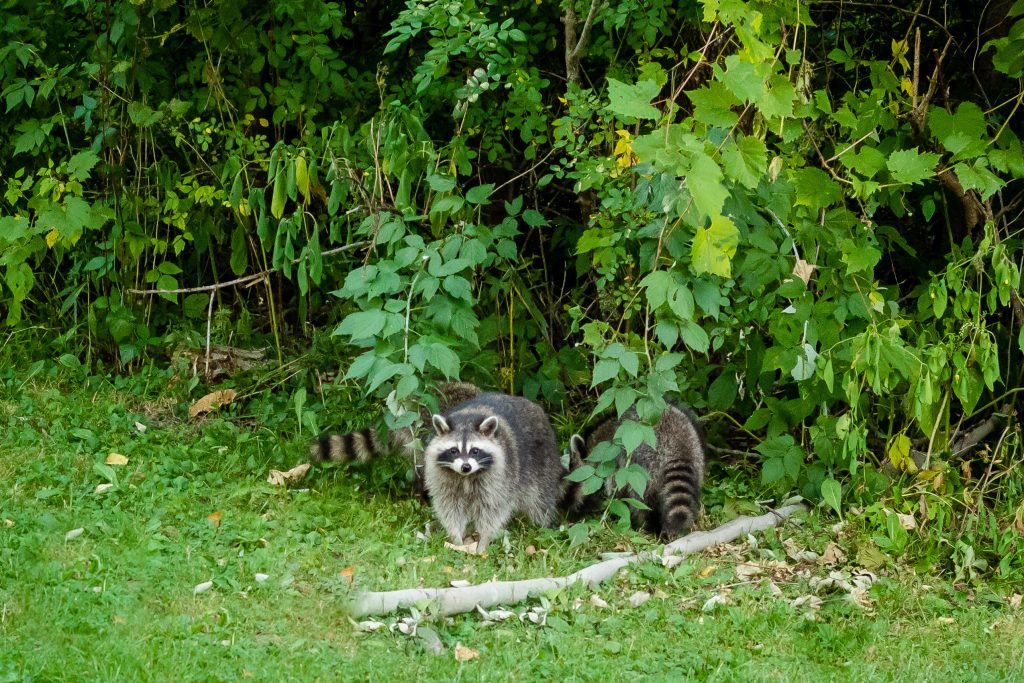
When you think of predator management, raccoons might not be the first species that comes to mind. Coyotes often dominate the conversation, but raccoons are quietly causing havoc, especially for turkey and upland bird populations. Their appetite for eggs and chicks makes them significant nest predators, and managing their numbers can have a profound impact on wildlife conservation. For predator hunting expert Geoff Nemnich, raccoon calling has become a thrilling way to address this issue. “Calling in raccoons is just plain fun,” he says. “It’s not the most efficient way to thin out their numbers, but when you’re out there, watching them respond to the call—it’s exciting, and it gets the job done.”
Why Manage Raccoons?
Raccoons are opportunistic feeders with a knack for raiding bird nests, which puts them at odds with hunters and landowners trying to support turkey and upland game bird populations. Nemnich explains, “Raccoons can have a big impact on turkey numbers. Every raccoon you take out is one less predator hammering nests during nesting season.”
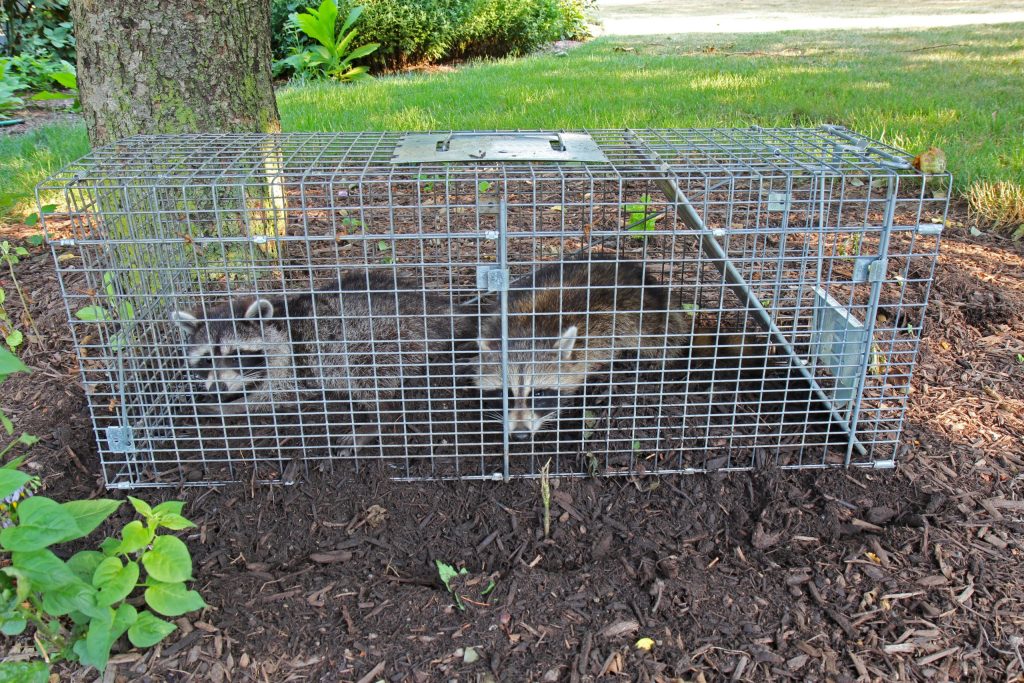
While trapping is a more effective way to control large raccoon populations, calling offers a unique alternative for hunters who value the excitement of active pursuit. “It’s about the experience,” says Nemnich. “There’s something rewarding about outsmarting a predator and seeing them respond to your call.”
What is Raccoon Calling?
Raccoon calling involves using electronic calls to mimic the sounds of raccoons fighting or in distress. The sounds trigger their natural aggression and curiosity, drawing them out of their dens or hiding spots. “You’re tapping into an instinct,” Nemnich explains. “When raccoons hear a fight or distress call, they come to investigate—it’s like they just can’t help themselves.”
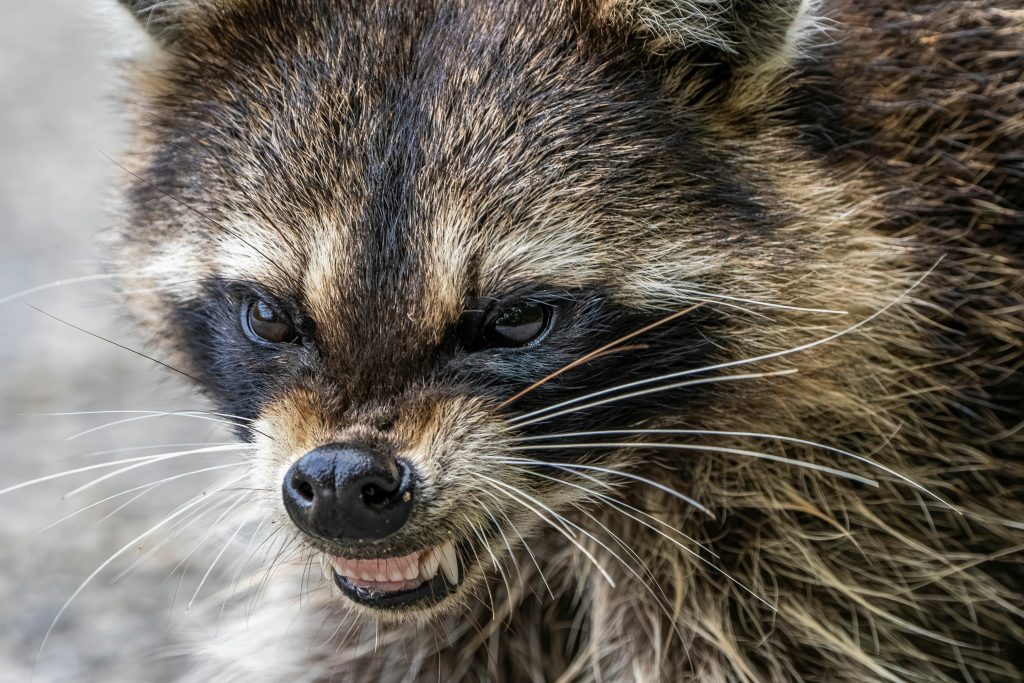
Though the practice has been around for decades, it has gained new attention thanks to platforms like YouTube, where hunters can watch raccoon-calling in action. Nemnich recalls how he first got hooked: “A buddy of mine, Rick Paillet, introduced me to it about eight or nine years ago in eastern Kansas, where raccoon populations are heavy. We’d be out hunting coyotes, and when the wind picked up or coyote hunting slowed down, we’d switch gears and call in raccoons. It’s incredible how aggressive they can get—it’s like watching mini grizzly bears charge in.”
The Appeal of Raccoon Calling
One of the biggest draws of raccoon calling is its accessibility. Unlike other hunting methods, which are often tied to early mornings or late evenings, raccoon calling can be done any time of day. “You don’t have to worry about first light or last light,” says Nemnich. “You’re going to where the animals are, and they’re either going to respond or they’re not—it’s fast-paced, and there’s no sitting around.”

Nemnich also points out how raccoon calling makes an excellent introduction for kids or beginner hunters. “If you’re looking for a way to get kids involved in hunting, this is it,” he says. “It’s action-packed, it doesn’t require long waits, and the raccoons’ reactions are just flat-out entertaining.”
Where to Find Raccoons
Raccoons tend to hide in specific spots during the day, and Nemnich highlights three main types of locations to target:
- Old, Abandoned Buildings: “Run-down houses, barns, or sheds are raccoon magnets,” Nemnich explains. “They’ll hole up in chimneys, under floors, or in attics. Sometimes, you’ll see them poke their heads out of windows or doors in response to a call—it’s a sight to see.”
- Brush Piles: Large piles of wood or debris left by farmers provide excellent cover for raccoons. “They burrow into brush piles during the day, making them perfect spots to target,” says Nemnich.
- Den Trees: Hollow trees, especially large oaks or trees with visible holes, are common raccoon dens. Nemnich notes, “Even if it’s not obvious, bigger trees often have hidden cavities where raccoons bed down.”
In areas where these specific features aren’t present, Nemnich suggests “carpet bombing” creek bottoms or wooded areas by making multiple stands. “We know they’re in there somewhere,” he says. “It’s just a matter of moving until you find them.”
How to Set Up and Call
Raccoon calling is a straightforward and accessible hunting method that doesn’t require a lot of specialized gear, but understanding how to set up effectively can make all the difference. Geoff Nemnich, who has spent years perfecting predator hunting techniques, breaks it down into manageable steps, explaining the key equipment, positioning, and tactics needed for success.
Electronic Calls: The Heart of the Hunt
The primary tool for calling in raccoons is an electronic call, commonly referred to as an “e-call.” These devices play pre-recorded sounds designed to mimic raccoon fights or distress calls, which provoke an aggressive or curious response from raccoons nearby. Nemnich emphasizes the importance of volume and sound quality:
“You want a call that can get really loud,” he says. “Raccoons don’t come from far away—usually within 100 yards—but for some reason, the louder the sound, the more it triggers their instincts to investigate. It’s almost like the volume annoys them, and they can’t resist checking it out.”
Nemnich recommends Lucky Duck electronic calls, which he uses regularly in his predator hunts. He highlights models like the Lucky Duck Revolt and Riot, which come preloaded with raccoon-specific sounds such as “Raccoon Distress” and “Raccoon Fight.” These models also offer strong speakers and easy-to-use remotes, making them perfect for raccoon hunting. “With a good call, you can try different sounds on the fly, switching from a distress call to a fight sequence in seconds if one doesn’t get a response,” he explains.
For those on a budget, entry-level e-calls can still be effective, though Nemnich cautions that lower-priced models may lack the volume, clarity, and remote range of higher-end options. “You don’t need to break the bank to get started,” he says, “but if you find yourself really getting into it, investing in a better call will be worth it.”
Setting Up Your Call
Positioning the e-call correctly is critical. Nemnich advises placing it as close as 10 to 30 yards from likely raccoon hideouts, such as abandoned buildings, brush piles, or hollow trees. Unlike coyote calling, where animals may come in from long distances, raccoons are much closer—often hiding right in front of you.
“When you walk up to an old house or a brush pile, think about where the raccoons will come out,” Nemnich says. “Is there a broken window, a hole in the roof, or maybe a busted-out front door? You want your call placed where they’re likely to exit so you can get a clean shot.”
One of the advantages of raccoon calling is that it doesn’t require you to be overly quiet. “We’re not talking ninja-level stealth here,” Nemnich jokes. “You can pull up to a spot in your truck, hop out, and set up fairly quickly. Just be mindful of the wind—raccoons don’t rely on their noses as much as coyotes, but if they smell you, they might turn tail and run.”
Decoys: Optional but Fun
While not essential, Nemnich occasionally uses a decoy with his e-call to add an extra visual element. “Some e-calls, like the Lucky Duck Revolt, come with built-in decoys, like a spinning tail or fur attachment,” he explains. “It’s not a dealbreaker if you don’t have one, but I think it adds to the excitement, especially if a raccoon gets close enough to see it.”
Choosing the Right Firearm
When it comes to shooting raccoons, Nemnich recommends a combination of firearms: a shotgun for close-range, fast-moving targets and a rifle for precision shots.
- Shotguns: For raccoons charging in on the ground or darting out of buildings, a shotgun is the ideal tool. “A shotgun loaded with birdshot, like #6 or #7, is perfect for raccoon hunting,” Nemnich says. “You don’t need anything fancy—a 12-gauge or even a .410 will do the job when they’re at close range.”
Nemnich often sets the e-call just 15 yards away, making it easier to hit fast-moving raccoons with a shotgun. He also notes that using a shotgun is a great way to introduce kids or new hunters to the sport, as it’s forgiving and effective.
- Rifles: For situations where raccoons peek out of trees, windows, or holes without fully committing to the call, a scoped rifle is the better option. “We use .22s, .223s, or even .243s for those longer, more precise shots,” Nemnich says. “A raccoon peeking out of a den tree at 50 yards is a perfect target for a small-caliber rifle.”
However, Nemnich cautions that .22s may require very accurate shots to ensure clean kills. “If you’re using a .22, aim for the head. Raccoons are tough animals, and you want to avoid wounding them.”
- Pistols and Bows: For hunters looking for an extra challenge, Nemnich has experimented with pistols and bows. “We’ve shot them with pistols and even tried bows a few times,” he says. “It’s all about how much fun you want to have.”
The Process: What to Expect on Stand
Once you’ve set up the call and positioned yourself, the action happens quickly. Nemnich recommends running the e-call at full volume and starting with a raccoon distress sound.
“You’ll usually know within a minute or two if there are raccoons in the area,” he explains. “If nothing happens, switch to a different sound, like a raccoon fight. Sometimes the first sound doesn’t trigger them, but the second one will.”
The fast-paced nature of raccoon calling is one of its biggest appeals. “This isn’t like sitting in a deer blind for hours,” Nemnich says. “If a raccoon is going to come, it’ll come fast. And if nothing shows up within three or four minutes, pack up and move to the next spot.”

In some cases, raccoons may respond in ways you don’t expect. “You might see one poke its head out of a hole or step into a window just to look around,” Nemnich says. “In those moments, having a rifle on hand is key for making those precise shots.”
A Flexible Approach
The beauty of raccoon calling is its simplicity and adaptability. “You don’t need a ton of gear or hours of preparation,” Nemnich says. “Find a good spot, set your call, and let the sounds do the work. If nothing bites, you move on to the next location. It’s easy, exciting, and effective.”
With the right setup, gear, and approach, raccoon calling can provide hours of entertainment and contribute to effective predator management. “There’s nothing quite like the rush of seeing a raccoon charge out of a tree or building,” Nemnich says.
Ethical Considerations
For some hunters, the question of what to do with the harvested raccoons can be a sticking point. With fur markets in decline, raccoon pelts often have little to no value. Nemnich is candid about this reality: “Honestly, we’re pitching most of them in a hole. There’s no market for fur right now, but that doesn’t mean the effort is wasted. You’re still helping reduce predator pressure on turkey nests and other wildlife.”
He acknowledges that not all hunters are comfortable with this approach but encourages them to consider the broader ecological benefits. “Even if you’re not using the fur, you’re doing a service,” he says. “Every raccoon you take out is one less predator competing for nests and food.”
For those looking for alternatives, Nemnich suggests reaching out to local hobbyists or taxidermists who might want the animals.
A Thrilling Opportunity for Hunters
Raccoon calling offers an exciting, fast-paced way to contribute to predator management while honing your hunting skills. “It’s not about killing hundreds of raccoons,” Nemnich says. “It’s about having a great time in the field and making a difference for the wildlife you care about.”
For Nemnich, the thrill of the hunt is part of what keeps him coming back. “When a raccoon comes barreling out of a tree or house, it’s like watching a little bear charge in. It happens fast, and it’s just plain fun,” he says.
Whether you’re an experienced hunter looking for a new challenge or a beginner seeking an engaging way to start, raccoon calling is worth exploring. As Nemnich puts it, “If you can have that much fun while doing something good for the ecosystem, why wouldn’t you try it?”