

For many hunters, turkey hunting in the wind presents a unique challenge. Gobblers seem harder to hear, and confidence in the hunt can dwindle. Some hunters are tempted to skip those days altogether. But is that a mistake? To get expert insight, I sat down with Dave Owens of the Pinhoti Project, a dedicated turkey hunter who spends countless days in the field, rain or shine.
Owens, who just recently was crowned the winner of the highly coveted Grand National Calling Championship in the Senior Division, shared his strategies for tackling windy conditions, from scouting and setup adjustments to calling techniques. If you’ve ever struggled with turkey hunting in high winds, this deep dive into his approach may change your perspective.
Understanding Turkey Behavior in Windy Conditions
A big question many hunters ask: Do turkeys gobble less on windy days, or is it just harder to hear them? According to Owens, it depends on the region.
“In areas where wind is common, turkeys don’t miss a beat. Out west, it’s windy every day. But in the eastern woods, especially in thick vegetation, moving foliage makes them nervous. I do think they gobble less in those conditions,” Owens explained.
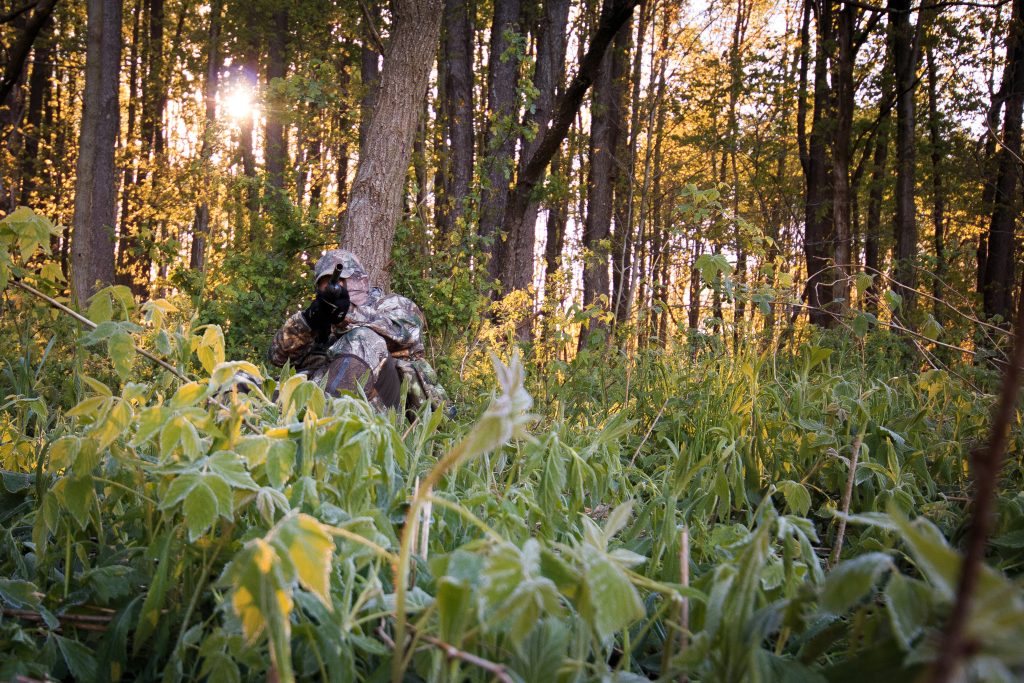
Wind reduces their primary defense—their eyesight. With trees and brush constantly moving, turkeys can become more cautious. However, this disadvantage also forces them into more open areas where they can rely on their vision. This means hunters can adjust their tactics accordingly.
Key Strategies for Hunting Windy Day Gobblers
1. Use Wind to Your Advantage
Instead of seeing wind as an obstacle, Owens encourages hunters to find its weak points.
“Every weather condition creates a weak link. On calm days, turkeys hear everything. On windy days, their eyesight is less effective, meaning you can get away with more movement,” he explained.
Wind often pushes gobblers into fields, clearings, and logging roads where they can see better. These are prime areas to scout and set up.
2. Position Yourself for Sound Advantage
Listening for gobbles becomes much trickier in windy conditions, so Owens stresses the importance of positioning.
“You want to be downwind of known roosting areas in the morning. Sound travels further with the wind, so this helps you hear birds more effectively,” he advised.
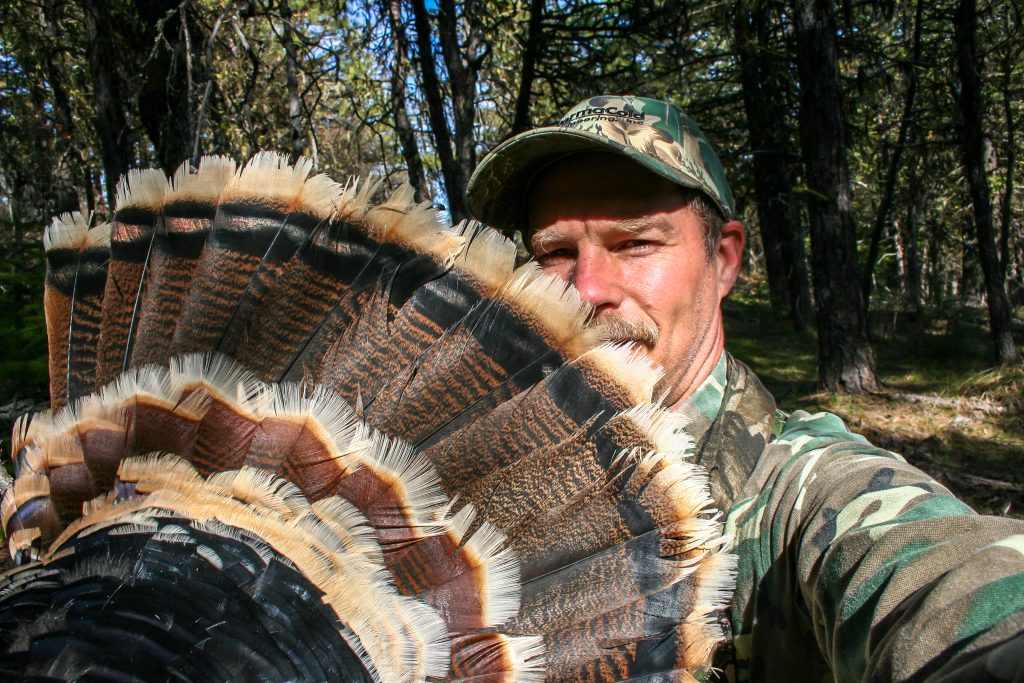
However, this presents a trade-off. While downwind positioning helps with hearing, it can make it harder for your calls to reach the birds. If you’re actively calling, being upwind can help project your sound further.
3. Call More Frequently While Moving
One of the biggest mistakes hunters make when turkey hunting in the wind is assuming a bird isn’t responding when in reality, they just can’t hear it. Owens’ solution? Increase call frequency when covering ground.
“If I’m moving, I’ll call more often—every 50 yards instead of 150. That way, if a gobbler hears me but I don’t hear him, I have a better chance of striking him before he gets too close and spots me,” he said.
4. Adjust Your Calling Techniques
Louder, higher-pitched calls cut through wind better than soft, low-frequency sounds. Owens recommends:
- Glass calls with a carbon striker – High-pitched and sharp, these are great for getting a distant gobbler’s attention.
- Tube calls – Another high-volume option that can pierce through background noise.
Once a bird is in close, Owens advises dialing it back. “If he can hear you, just give him enough. There’s no need to blow his ears out just because it’s windy,” he said. Subtle leaf scratching and soft clucks remain effective once a gobbler is within range.
5. Take Advantage of Increased Mobility
Wind creates movement in the woods, which means hunters can get away with more than usual. “On a still day, crunchy leaves can give you away from a mile off. But on a windy day, you can slip in much closer without being detected,” Owens noted.
In fact, he’s used wind to get right into a gobbler’s zone, creeping through tall grass and staying low while using wind gusts to mask movement.
6. Scout and Gather Intel
Even if a windy day doesn’t seem promising for a kill, Owens sees it as an opportunity to gather valuable intel.
“If conditions aren’t great, I’ll use the time to scout new ground, check for tracks, strut marks, or other signs. That way, when the weather improves, I already have a game plan,” he said.

This approach maximizes every hunt, ensuring even tough days contribute to future success.
Should You Ever Skip a Windy Day Hunt?
For Owens, skipping a morning hunt is rare. “Very rarely will you catch me missing a sunrise,” he admitted. That said, he recognizes extreme wind can limit effectiveness.
“If I feel like I’m doing more harm than good—just spooking birds instead of learning something—I might pull back and glass from a distance. But if the wind lets up later, I want to be in position,” he added.
This mindset is a key takeaway for hunters: even if the morning seems hopeless, conditions can shift. Wind can die down mid-morning, opening a critical window of opportunity.
Final Thoughts
While turkey hunting in the wind may not be the ideal, it’s far from a lost cause. By understanding how gobblers react to high winds and adjusting strategies accordingly, hunters can still find success. Owens’ key lessons include:
- Position yourself downwind for better listening, but upwind if calling is the priority.
- Look for gobblers in open areas like fields, food plots, and logging roads.
- Use higher-pitched calls that cut through wind noise.
- Call more frequently while covering ground to strike birds you might not hear.
- Take advantage of increased mobility and use wind gusts to cover movement.
- Scout and gather intel on tough days to set up future success, and use this as a chance to be there in case the wind dies down for a spell.
As turkey season approaches, Owens’ insights remind us that any day in the woods is a chance to learn, improve, and—if luck and preparation align—fill a tag. So the next time a windy morning rolls in, don’t sleep in. Get out there, use the wind to your advantage, and see what happens.