Aging wild game meat has long been a practice. Regardless, it’s been a very popular method for many decades now, and hunters have two great options to choose from. The first is dry aging, which is an older method, and wet aging, which is a newer version of aging meat. So, which is better or right for you, dry aged or wet aged venison? Let’s find out.
Aging Meat. What Is It?
To understand wet or dry aging, one must first learn what general aging means.
“Aging is the process of letting meat rest over an extended period of time so that naturally occurring enzymes break down the connective tissues, tenderize the meat, and in some cases, add flavor,” said Michael Pendley, who is an expert wild game chef and author of Realtree’s Timber 2 Table blog.
Wet Aging Defined
According to Pendley, this is a process where the meat is sealed in a plastic bag — which is usually vacuum sealed — and placed in a refrigerator. This process requires a temperature ranging between 33-38 degrees, and the complete process takes up to three weeks.
“Unlike dry aging, there is no moisture loss with wet aging,” Pendley said. “Wet aging can go for as short a time as three days for small cuts like backstrap roasts, or two to three weeks for entire quarters.”
This method has its benefits. Pendley says it tenderizes the meat without moisture or meat loss. With dry aging, the outer layer dries out and must be trimmed, but this isn’t necessary with wet aging.
“With wet aging, the enzymes break down the connective tissues, but the weight of the meat stays the same,” Pendley noted. “Wet aging can be done in a standard home refrigerator and doesn’t require a walk-in cooler or specific weather conditions to occur.”
Despite this obvious upside, it doesn’t come without tradeoffs. With wet aging, the enzymes break down the connective tissues, but it doesn’t produce the same flavor as dry aging.
Dry Aging Defined
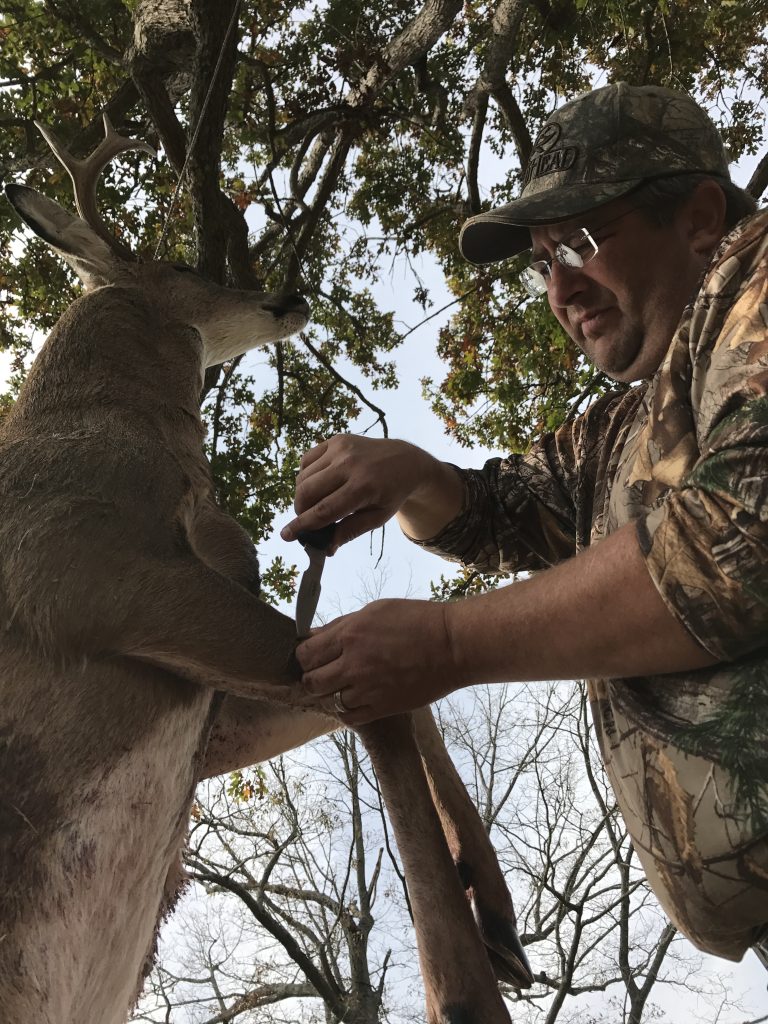
According to Pendley dry aging usually consists of hanging meat up. Oftentimes, the animal is still whole, but it might be quartered, especially with larger game, such as elk or moose. Unlike wet aging, this does not involve a protective coating, such as an air-tight bag. However, this too can take up to three weeks.
“In a perfect world, the aging chamber will hold a consistent temperature and humidity level,” he said. “Temperatures for proper dry aging should range from 33 to 40 degrees Fahrenheit but a few degrees above or below that range for short periods is fine. Besides tenderizing the meat, the process of dry aging leads to moisture loss in the meat, concentrating the flavors in a way similar to aged cheese. The process of enzymes breaking down the muscle also adds new flavors to the meat as the amino acids react with compounds in the meat.”
The benefit of dry aging is obvious — more flavor. Pendley describes it as a richer, meatier version of the original meat. This route produces tenderizing enzymes that are allowed to be more active and productive.
As previously noted, it does have its downside, though.
“Dry aging dries and molds the outer surface of the meat to the point that it needs to be trimmed and discarded,” Pendley explained. “This can lead to a significant percentage of meat loss on an entire animal. Small cuts can lose as much as 50% of the meat total to trimming. Speaking of small cuts, always remove the tenderloins before aging. Any percentage of loss on these small cuts is too much. They are tender enough to start with and don’t need additional help.”
So, to Age, or Not to Age?
Those who decide to wet age or dry age their wild game will make such decisions based on numerous circumstances. Questions to ask include:
- Do I have the tools necessary to dry or wet age venison?
- Do I prefer the flavors that are associated with dry or wet aging?
- Do I have the time and space to dedicate to dry or wet aging?
- Do I have the right cuts of meat best associated with dry or wet aging?
- Do I have the knowledge to safely, effectively dry or wet age venison?
Once you’ve asked these questions, and more, it’s time to make the call. Will you dry age your wild game? Will you wet age it? That’s your call. Determine what’s right for you.
Sidebar
Tips and Things to Know for Wet Aging Meat
Venison lovers who plan to wet age their bounty of wild game should follow certain practices. There are a number of tips and things to keep in mind.
- Wet aging is a newer process than dry aging and is ranked ahead of the older method by most experts.
- A vacuum sealer, refrigerator thermometer, and refrigerator are necessary for properly wet aging meat.
- This technique is much better for smaller and leaner cuts that aren’t suitable for dry aging.
- Wet aging can be done between the freezer and cooking it if it wasn’t wet aged before placing it in the freezer.
- No moisture is lost, which can lead to a juicier product.
- No meat trimming is necessary after using this technique.
Tips and Things to Know for Dry Aging Meat
Those who plan to dry age their hard-earned venison and other wild game should follow best practices. There are certain tips and things to keep in mind.
- Dry aging meat makes it more tender, leading to meat that’s easier and better for consumption.
- Dry aging can make a lesser cut of meat much better, but these are more susceptible to excessive dehydration.
- Enzymes break down the meat’s carbs, proteins, and even its fats.
- These same enzymes convert the meat’s carbs, proteins, and fats into flavorful sugars.
- Properly-aged meat is easier to cook and caramelize.
- All that is required for basic dry aging is a refrigerator, shelf system, and something to place the meat on.
- Using some salt helps to amplify the dry aging process.
- Some might prefer to brush the meat with certain rubs or spices before dry aging.
- A wire rack is better than a flat pan, as it optimizes air circulation around the meat.
- Use a sheet or pan underneath the wire rack to catch drippings.
- Dry-aged meat from a market can cost double or triple the same cut of meat that hasn’t underwent that process.