
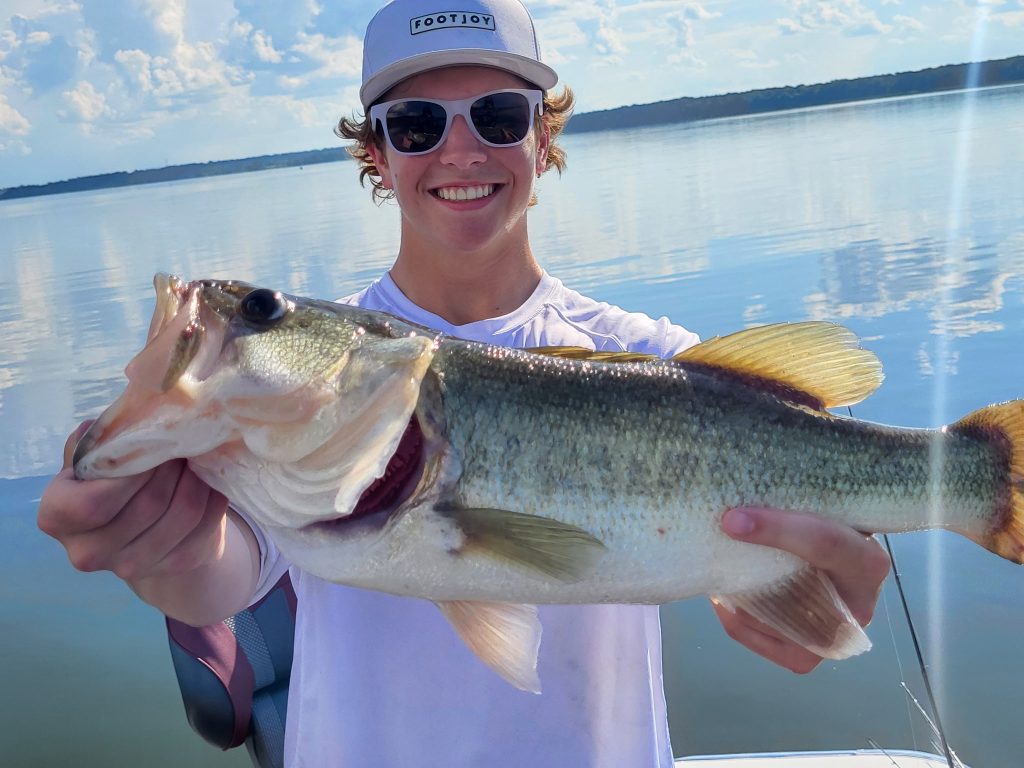
For the most dedicated anglers, winter isn’t the time to stow rods and reels—it’s prime season for catching trophy bass. Steve Graziano, an experienced guide on Alabama’s Lake Eufaula, knows this firsthand. Graziano, or “Graz” as he’s known, has spent decades refining his approach to landing the biggest bass during the colder months. Recently, he shared why winter fishing is worth braving the chill and how even beginners can land a big catch this season.
A Lifelong Passion for Fishing
Few anglers rival Graz’s experience when it comes to chasing big fish. His fishing journey began in the early 1970s, casting lines into the flooded quarries of Columbus. Over the decades, he’s honed his skills and witnessed the evolution of fishing techniques and technology. Today, his expertise is well-documented, with personal bests including a 10.7-pound bass in January 2000 and a 12-pounder in 2006. Both were caught in the early morning hours—a detail that’s central to his success.
“When I was just starting out, it was all about trial and error,” Graz says. “But what I learned is that consistency comes from understanding fish behavior—and winter is when they’re most predictable.”
Why Winter?
Winter presents a unique and often underestimated opportunity for anglers to catch trophy bass. According to Steve Graziano, the colder months of December through February can be the most productive time of year for targeting big bass. Contrary to the belief that bass are sluggish and inactive in the winter, Graz emphasizes that large fish not only feed during this time but are also more predictable and concentrated in specific areas, making them easier to locate and target.
One of the key reasons winter is so effective for catching big bass is the fish’s biological need to feed before the spawn. Female bass, in particular, are actively feeding to build energy reserves in preparation for reproduction. This pre-pre-spawn feeding period occurs as water temperatures drop into the 50s and persists through late winter, especially in southern lakes like Eufaula. Graz explains, “These females know they need to feed up, and this drive makes them more aggressive and easier to catch during the colder months.”

Another advantage of winter fishing is the reduced fishing pressure. While many anglers turn their attention to hunting or stay indoors to avoid the cold, Graziano sees this as an opportunity. Fewer boats on the water mean less disturbance, allowing bass to settle into more predictable patterns. Graz notes that this lack of pressure is particularly noticeable early in the morning when the water is at its coldest and other anglers are reluctant to head out. “People think it’s too cold for fish to bite, but that’s a myth,” he says. “If you get out there at first light, when the big fish are most active, you’ll see the difference.”
Winter also encourages bass to gather in specific locations, making it easier for anglers to identify prime spots. During this season, bass tend to stay close to deeper water where they can retreat quickly if necessary, often staging near creek mouths, ditches, and other structures that provide easy access to both deep and shallow zones. This concentrated behavior contrasts with the more dispersed patterns bass exhibit during warmer months, when they can spread out across a lake.
Graziano highlights another unique aspect of winter fishing: the ability to target bass using reaction baits like tail spinners, jigs, and blade baits. These lures capitalize on the fish’s instincts, mimicking prey like crawfish or baitfish that are still active during the colder months. This combination of a hungry fish population and effective lure options increases the chances of hooking a trophy bass.
Finally, winter offers the potential for big rewards with fewer challenges from competitors or environmental distractions. Graziano finds the season particularly satisfying, not only for the opportunity to catch a double-digit bass but also for the peacefulness of being on the water without the crowds. “The next few months are the best time of the year,” he says. “If you’re willing to tough it out, they’re out there.”
In summary, winter fishing provides the perfect storm of conditions for catching big bass: hungry fish, predictable behavior, reduced competition, and effective lure strategies. For anglers ready to embrace the cold, the season holds unparalleled opportunities to land the catch of a lifetime.
Breaking Down Graziano’s Winter Strategy
Steve Graziano’s approach to winter bass fishing is a blend of preparation, observation, and adaptability, built on years of experience. Before hitting the water, he relies on topographical maps and electronics to locate key areas where bass are likely to congregate. Creek mouths, ditches, and drains near deep water are prime locations, as bass use these zones for feeding before retreating to deeper areas when inactive. Modern tools like side-scan and forward-facing sonar can help anglers identify baitfish and structures such as submerged timber or hard bottoms, offering them a clearer picture of where the action might be.
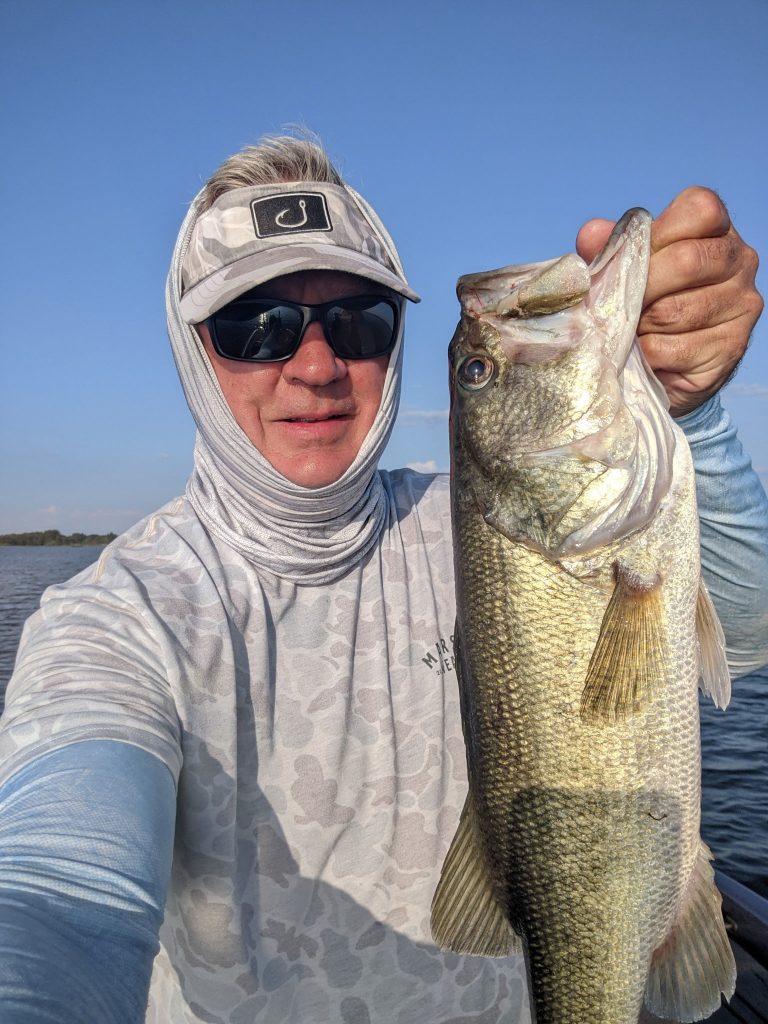
Water temperature plays a crucial role in Graziano’s strategy, with bass becoming particularly active in the high 40s to mid-50s. He continuously monitors this variable, as warming trends can draw bass into shallower waters to feed, while cold fronts often push them deeper. Understanding these patterns allows him to adapt his approach to current conditions.
When it comes to bait selection, Graziano emphasizes versatility. Jigs are a staple in his arsenal, especially those that mimic crawfish, which remain active during colder months. Tail spinners and flutter spoons are his go-to choices for deeper water, as their erratic movements imitate injured baitfish, triggering predatory strikes. Another reliable option is the blade bait, which produces a flash and vibration that works well in clear, cold water. Graz also finds success with Carolina rigs, often using larger creature baits like the Magnum Zoom Ultra Vibe Speed Craw, which can be dragged slowly along the bottom to entice larger, more cautious bass.
Patience is another cornerstone of Graziano’s strategy. He typically spends 20 to 30 minutes at each location, carefully observing his electronics for signs of baitfish or activity. If no bites come but there are signs of fish in the area, he adjusts his presentation before deciding to move. However, if the spot seems inactive, Graz moves to one of the other areas he has scouted, covering several prime locations in an hour if necessary.
Adaptability is essential, as winter weather can be unpredictable. In stained or muddy water, Graz opts for darker or more visible lures like June Bug or black plastics, which stand out better in low visibility. For clearer water, he sticks with natural colors like green pumpkin or subtle whites. Incoming rain or cold fronts can also heavily influence fish behavior, requiring adjustments in depth, lure choice, or presentation.
Timing plays a critical role in Graziano’s success, particularly in the early morning hours. He has found that the largest bass are most active just before and during sunrise. By being on the water at daybreak and fishing his best spots early, he capitalizes on this prime feeding time. While winter bass may have shorter feeding windows compared to other seasons, Graz ensures he is ready to maximize these opportunities, especially during warming trends.
By combining meticulous preparation, flexibility in technique, and an understanding of fish behavior, Graziano has crafted a winter fishing strategy that consistently produces results. His methods demonstrate that with the right approach and mindset, anglers can overcome the challenges of cold-weather fishing and potentially land the bass of a lifetime.
Overcoming Winter’s Challenges
Winter fishing comes with its own set of hurdles. Graz stresses the importance of preparation, particularly when it comes to safety. “Dress in layers, but don’t overbundle,” he advises. “Mobility is key, and always wear a life jacket—especially in the cold.”
Mental toughness is just as important as physical preparation. “You’ve got to love the craft,” Graz says. “It’s not just about the fish; it’s about understanding their behavior and outsmarting them. That’s what keeps me coming back.”
Advice for Beginners
For anglers hesitant to venture out in winter, Graz has simple advice: don’t let the cold hold you back. “The biggest bass of your life might be waiting out there,” he says. Start by finding baitfish and focusing on deeper water near structures. Most importantly, stay persistent.
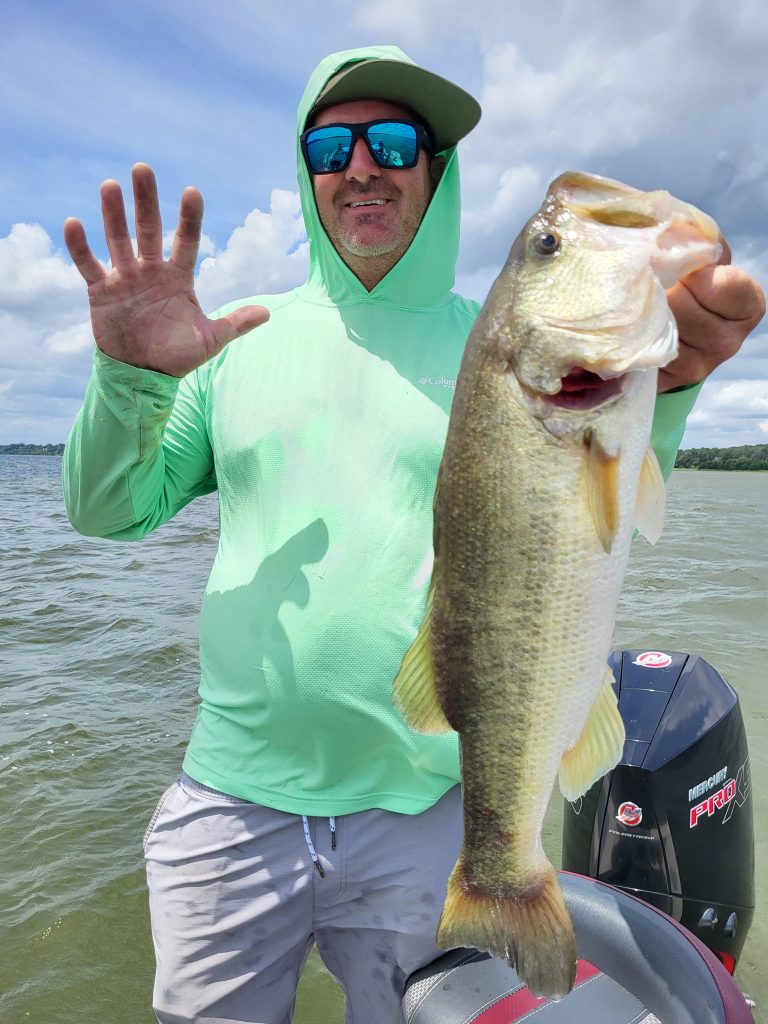
“Winter bass fishing isn’t easy, but the rewards are worth it,” he adds. “If you put in the time and learn as you go, you’ll be amazed at what you can accomplish.”
Before indulging in freshly-caught bass, it’s crucial to check fish consumption advisories in Alabama. Elevated mercury levels in these fish (particularly the older, larger individuals) poses significant health risks. The Alabama Department of Public Health (ADPH) issues annual advisories based on extensive testing of fish from various water bodies across the state.
Mercury, a toxic heavy metal, can accumulate in fish tissue and pose serious health risks, especially to pregnant women, nursing mothers, and young children. Consuming fish with high mercury levels can lead to neurological and developmental problems. Therefore, understanding and adhering to these advisories ensures that you and your family can enjoy the benefits of fishing without compromising your health.
The ADPH 2023 advisories include 216 health warnings, many specifically targeting largemouth bass. Some advisories recommend limiting consumption to a few meals per month, while others advise against eating any fish from certain contaminated areas. Utilizing resources such as the Fish Guide hotline and the interactive map managed by Coosa Riverkeeper provides anglers with up-to-date information on safe fish consumption practices. You can call the Fish Guide hotline at 1-844-219-RISK to hear current advisories, or visit the Coosa Riverkeeper’s website for more details and to view the map of affected areas.
Final Thoughts
Winter fishing offers a golden opportunity to land trophy bass. Graziano’s decades of experience prove that success comes from preparation, adaptability, and an understanding of fish behavior. Whether you’re chasing a personal best or seeking a fresh challenge, the colder months are worth the effort.
“The next few months are the best time of the year,” Graz says. “If you’re willing to tough it out, the reward is waiting.”
For a guided trip with Graziano on Lake Eufaula, visit Graz’s Guide Service or call 706-593-4192.