
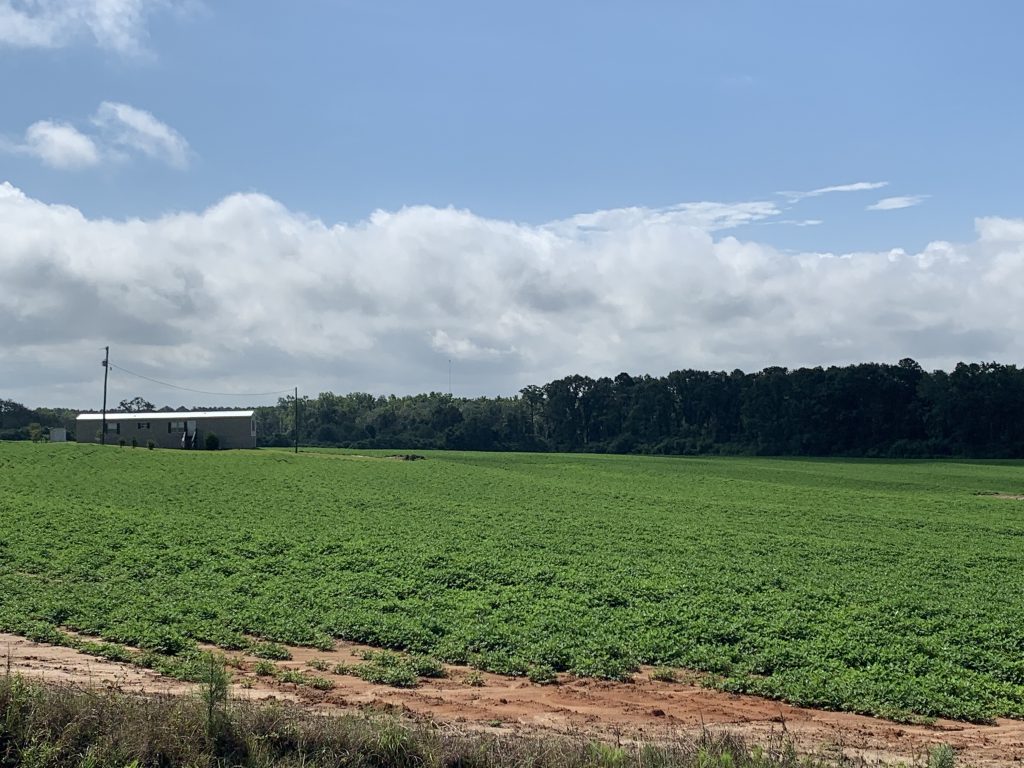
For most hunters and anglers, the idea of owning land starts the same way. It’s a picture in your head. Maybe it’s a small tract with a pond where you can catch bluegill in the summer and watch wood ducks drop in during the winter. Maybe it’s a piece of hardwood bottom where you can hang a stand and know you’re the only one hunting it. Or maybe it’s just a quiet place to take your kids and let them experience the outdoors without the pressure of public land. But once that idea turns into a serious search, most people run into a hard truth: they don’t actually understand what goes into financing hunting land, and that’s where things start to get complicated.
According to Brandon Simpson of First South Farm Credit, that misunderstanding is one of the biggest hurdles new buyers face. “One of the biggest challenges that I have with talking to new land buyers is educating them on how land financing is not the same as what you see advertised on television every day for a residential home loan,” he said. What most people bring into the process is their experience buying a house, and that mental model just doesn’t translate cleanly. The process might look similar on the surface, applications, paperwork, and financials, but the structure underneath is completely different.
Why Land Loans Are Different Than Home Mortgages
One of the first things buyers notice is that land financing requires a different level of commitment upfront. While it’s possible to buy a house with very little money down, land typically requires a more substantial investment at the beginning. “Generally speaking, there is more of a down payment, and generally speaking, rates are a little bit higher,” Simpson explained. That difference alone forces buyers to approach the process more intentionally, because you can’t rely on the same low-entry financing options that are common in residential real estate.

Interest rates also behave differently, largely because land is treated more like a commercial asset than a primary residence. That means the rates you see advertised for home loans don’t apply here, and expecting them to can lead to frustration early in the process. But Simpson is quick to point out that focusing only on rates misses the bigger picture. “There is so much more to a loan than a rate,” he said. The way a loan is structured—how long you plan to hold the property, whether you intend to improve it, and how flexible you need the terms to be—can matter just as much as the number attached to the interest.
What You Need to Have Ready for Your Lender
Once you move from daydreaming to actually talking with a lender, the conversation gets real pretty quickly. At that point, it’s not about what you want to buy anymore. It’s about proving what you can realistically afford.
When financing hunting land, that means coming to the table with a clear picture of your financial situation. According to Simpson, being prepared here doesn’t just speed things up. It can be the difference between getting approved and getting stuck.
At a minimum, most land lenders are going to ask for a handful of core documents that tell the story of your income, your assets, and your overall financial health.
You should expect to provide recent financial statements that outline what you own and what you owe. This includes things like bank account balances, investment accounts, and any outstanding debts. Lenders use this to get a snapshot of your net worth and liquidity—basically, how much cash you actually have available and how stable your finances are.
You’ll also need income documentation, usually in the form of recent tax returns and pay stubs if you’re a W-2 employee. If you’re self-employed, that typically means two to three years of tax returns along with profit and loss statements that show how your business is performing. This is where land loans can feel a little more like commercial lending, because the lender is digging deeper into consistency and reliability of income rather than just checking a salary box.
In addition to that, most lenders will want a personal financial statement. This is a more detailed breakdown that pulls everything together—assets, liabilities, income, and expenses—into one document. It helps them understand not just what you make, but how you manage money over time.
Credit history is another piece of the puzzle. While you don’t physically “bring” this, it’s something the lender will pull, and it plays a big role in how your loan is structured. Strong credit can open up better terms, while weaker credit may require a larger down payment or more conservative loan structure.
Finally, be prepared to talk through your down payment. That goes back to Simpson’s earlier point about having cash you can deploy quickly. In many cases, lenders will want to see proof of funds—meaning bank statements or account balances that confirm you actually have the money you say you do.
None of this is complicated on its own, but it does require some organization. The buyers who move through the process smoothly are usually the ones who take the time to gather these documents ahead of time and walk into that first conversation ready to answer questions.
Because at the end of the day, the lender isn’t just evaluating the property. They’re evaluating you—and the clearer picture you can provide, the easier it is for them to help you structure a loan that actually works.
The Most Important Question You Can Ask Yourself
Before you start looking at listings or talking seriously about financing hunting land, Simpson says there’s one question every buyer needs to answer honestly. “How much money do I have that I can dispose of in thirty to forty-five days and not miss it?” It’s not a fun question, but it’s the one that sets the boundaries for everything else. That number determines your budget, your acreage, and often your location. It’s the foundation the entire process is built on.
Once that number is clear, the rest of the picture starts to come into focus. “If somebody tells me ‘I’ve got thirty thousand dollars’ I know right off the bat that we’re looking at about a two hundred thousand dollar purchase price,” Simpson said. From there, it becomes a matter of aligning expectations. In some areas, that budget might only buy a few acres. In others, it could stretch much further. The key is understanding that your financial reality and your land goals have to meet somewhere in the middle.
Matching the Loan to Your Vision for the Property
One of the biggest advantages when financing hunting land is the ability to work with a land-focused lender who can tailor the loan around what you actually want to do with the property. This isn’t a one-size-fits-all process. It’s a conversation. “I’ve got to know what you want to do before I can tell you the answer,” Simpson said. That means digging into your long-term plans in a way most buyers don’t expect.
Are you planning to build a country home or cabin down the road? Do you want to manage timber? Is this a place you’ll hold for decades, or something you might sell or upgrade later? Those answers shape everything from loan structure to repayment strategy. “It’s not me telling you, here’s option A and B,” Simpson explained. “It’s me asking you questions and trying to figure out how to structure it, because there are hundreds of ways to do it.” That level of customization is where experienced land lenders separate themselves from more conventional options, especially for buyers who are thinking beyond just the purchase itself.
Thinking Realistically About Improvements
It’s easy to get caught up in what a property could become. A road here, a pond there, maybe a barn or a small cabin. Those ideas are part of the appeal of owning land, but they need to be approached with some financial realism. Simpson doesn’t sugarcoat that part. “If you’ve got to worry about how you’re going to get power and water for a property, you don’t need to buy the property,” he said.
That doesn’t mean improvements aren’t possible—it just means they need to make sense within the bigger financial picture. On smaller tracts, financing minor improvements can be inefficient once you factor in loan costs and fees. But on larger properties, especially those with timber value, there are often opportunities to let the land help pay for itself. “They plan to thin or cut timber, and they want to improve a road, build a pond, build a barn,” Simpson said. “We’ll manage and oversee that timber operation, and pay that money out to the contractors.”
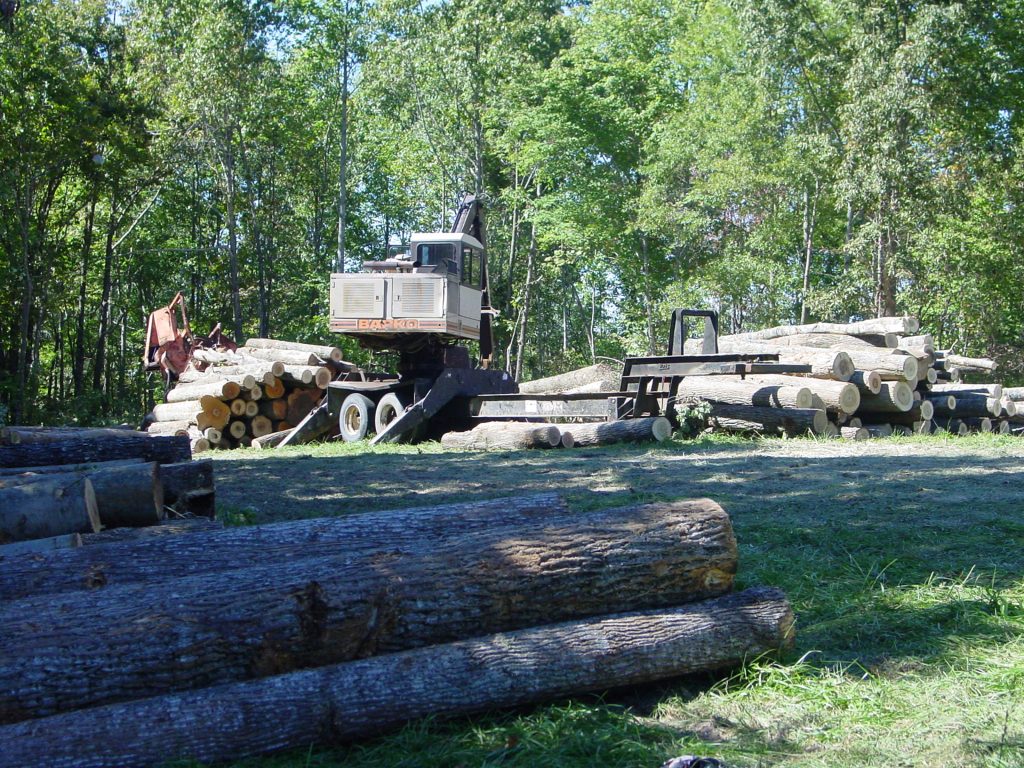
That kind of support is something many buyers don’t even realize is available, and it highlights the difference between simply financing land and actually understanding how to manage it.
Why the Right Lender Matters More Than You Think
One of the more subtle, but important, differences when financing hunting land is how the relationship with your lender works over time. In the residential world, loans are often sold off, and borrowers may end up dealing with a completely different company just a few months after closing. Land lending, especially through organizations like First South Farm Credit, tends to work differently. Loans are funded and serviced internally, which creates a more consistent, long-term relationship.

That continuity can make a real difference, especially as your goals evolve. Simpson shared the story of a client he first worked with as a young man buying ten acres. Years later, that same client is now purchasing hundreds of acres and a lodge. “To me, man, that is what makes the world go around for what I do every day,” he said. It’s a reminder that land ownership is often a long game, and having someone in your corner who understands that can be invaluable.
Start Early, Ask Questions, and Think Long-Term
If you’re thinking about financing hunting land in the next couple of years, the best thing you can do right now isn’t to start scrolling listings, it’s to start asking questions. Figure out what you can realistically afford. Think about what you want the property to be, not just today but ten years from now. And most importantly, talk to someone who understands the land side of the equation as well as the financing.
Because the sooner you get clear on those pieces, the smoother the process becomes, and the more likely it is that the land you end up with is actually the land you wanted in the first place.
And when that happens, that daydream starts to look a whole lot more like a plan.