

I’ve always enjoyed fishing for bass with live bait. When I was a small boy fishing with my dad, the water would boil only a few inches from the top of an old cypress boat we’d rented for $1 per day. I’d sit on a cushion in the boat’s bottom to catch smallmouth bass with threadfin shad. I had to use a Penny’s dog food can to bail water from the boat.
Even today I remember the excitement of fishing that live bait, a giant bass breaking my line high in the air, right off the stern of the boat, and that fish soaring high and coming so close that I thought I could jump out of the boat and catch the bass with my bare hands in mid-air.
Bass Like Live Bait
Bass are reactionary predators, so, always use hooking techniques and rigs that keep the live bait alive as long as possible by hooking the bait through the back, just above the spine, but not far enough back to puncture internal organs. Then the bait will exhibit wounded movements, attracting bass.
Live Bait as Food
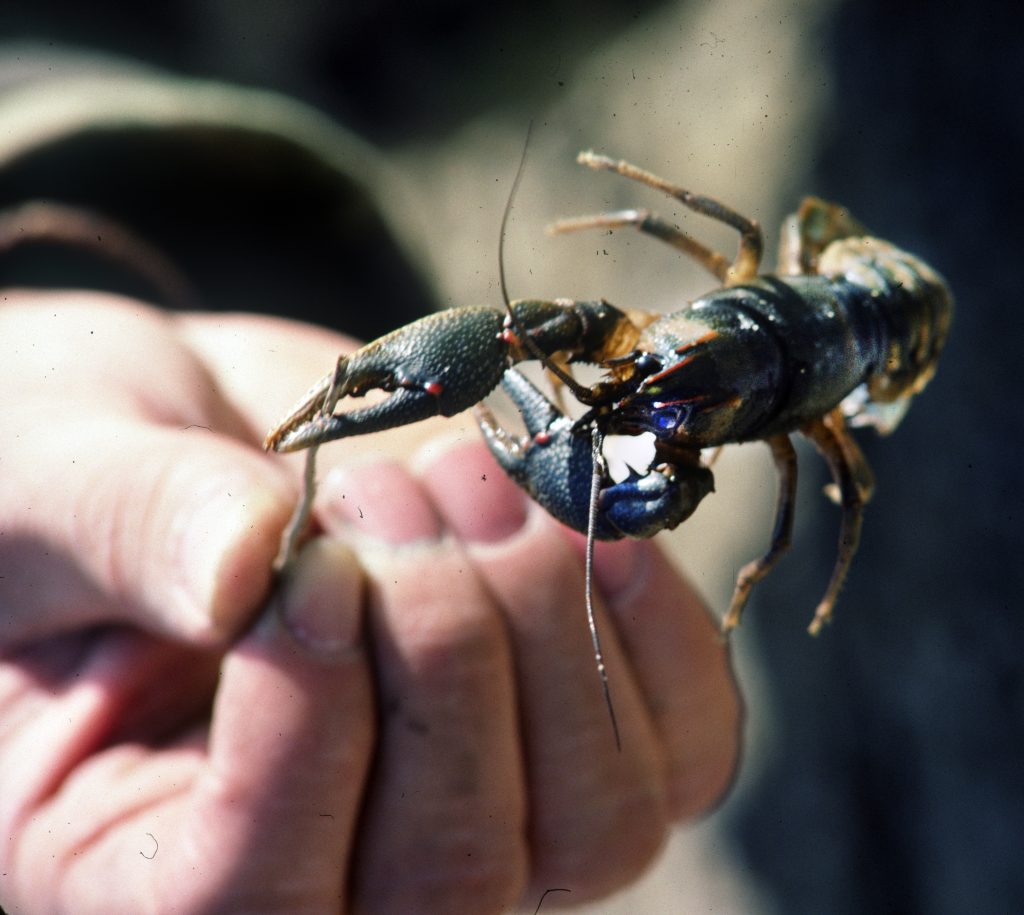
Some of the most-common live bait for largemouth bass include: small crustaceans such as crayfish; mollusks like snails; annelids such as worms; insects from above and below the water’s surface – dragonflies, grasshoppers, crickets and caterpillars; small fish such as minnows, shad, bluegills both small and large where legal to fish; and amphibians like frogs. (Always check your state’s restrictions about fishing with bluegills.)
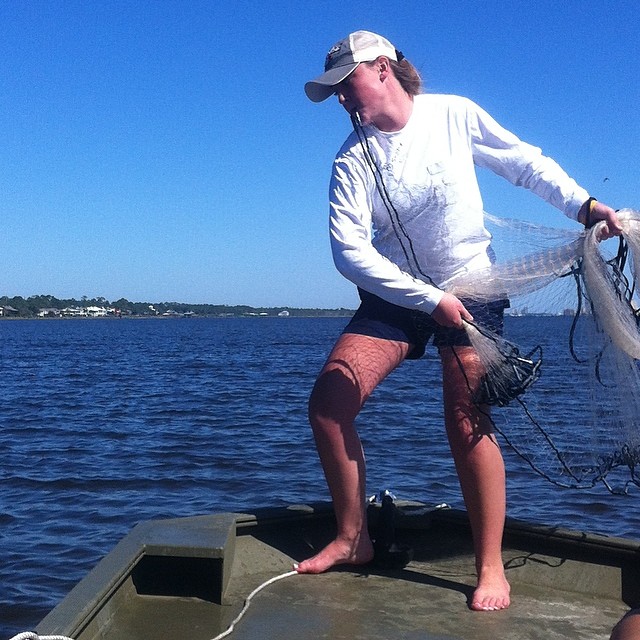
Minnows and shad are small baits that can remain alive easily during a fishing trip to attract bass. Many anglers prefer using minnow traps in creeks and cast nets in open water to catch minnows or shad. Always check your state’s regulations. For bait, you also can hook live frogs with their terrific action by running the hook through both of the frog’s lips with the pointed hook up and away from the frog’s head. You can target grasshoppers for their action, worms that are general-purpose live baits and small insects – all items that you can catch or buy from bait stores. One avid Texas angler even reports that he’s caught bass before that had in their stomachs – snakes, lizards and one time even a barn swallow and a baby duck.
In a study conducted after bass stomachs’ contents were pumped in the spring, these contents consisted of 57% being fish, 33% crawfish and 7% invertebrates. A Texas biologist also has determined that bass will attack and kill anything that fits in their mouths – depending on how big they can open their mouths.

Ways to Handle Live Bait for Bass
Live bait, especially shiners and shad, must be handled properly and be kept at the correct water temperature, after learning the baseline temperature. Many anglers recommend that if you must change the water’s temperature that you do so gradually. Aeration is very important to the longevity of bait too. Continue to pump your livewell or bait bucket with plenty of oxygen throughout the day. Bass seldom attack baitfish that can’t swim away from them.
Equipment
Hooks
Live bait anglers have specific reasons they prefer certain hooks. Some of those mentioned most by fishermen are Daiichi, Eagle Claw, Gamakatsu, Mad Katz, Mustad, TruTurn, Owner and VMC. Often the hooks have unusual names, including octopus and blackbird sabretooth. While some live-bait hooks include thin wire hooks that minimize bait damage, others offer a natural action with wide-gap hooks for better hook sets on larger fish and circle hooks that often produce hook-up ratios on larger fish. Sharp points that last ensure penetration, secure holds that keep your live bait longer and reduce the chance of losing fish. Too, anglers must consider using hooks with non-reflective finishes to keep from spooking fish.
When considering hooks to use, live bait anglers often recommend fishing a 3-inch-long bait with a 4/0 hook. With shiners 8-10 inches long, they possibly may use a 5/0- or a 6/0 hook. Some anglers prefer adding weed guards to their hooks – but generally only when necessary in heavy cover.
Tackle, Reels and Line
Always use equipment that matches the bait size. Many live bait anglers recommend generally fishing a 7-foot heavy-action rod with a soft tip. Then you can cast easily, while still having the backbone to turn a trophy bass when needed. People like spinning reels or sometimes baitcasting reels. Most anglers with whom we spoke had preferences to fishing with equipment from many of the big rod and reel companies, like Penn, Shimano, Bass Pro, Okuma, Daiwa, Quantum, Rapala, Abu Garcia and Lew’s.
A favorite of many open area lake anglers is 20-30 pound Big Game line, while others prefer 30-65 pound braided line.
Bobbers
Small bobbers are very important to fishing live bait. Bobbers will help you keep up with what the shiners are doing, and how far they’re swimming. Most anglers have found that bobber color isn’t important. Some fishermen prefer not to fish with balloons, since they’ll often pop, come untied or break-off, harming the environment and possibly the fish.
Rigs
Free-lining shiners is the most-popular tactic of fishing live bait in running water. Drop shot rigs are a favorite year-round. This tactic enables you to position your bait in a specific location and not swim out of the strike zone. Don’t forget to hook your live bait properly. Always hook a shiner through its bottom lip and come out through its nostrils. Don’t go through the middle of the nostrils because the brain is located there. Also be careful not to break the shiner’s neck when placing the hook, so as to insure a lively bait.
Boat Position and Anchoring
Always check for wind direction first, and then set your boat up properly so as not to spook the fish. Three ways to anchor include using conventional anchors, poles or the Spot Lock’s electronics and GPS. When anchoring with conventional anchors, put one on the rear of your boat and another off the bow. Use adequate rope and heavy-enough anchors to hold the boat steady and in position. Many anglers say to put rope out equal to three times the water’s depth. So, if the depth is 4-feet deep, let out 12 feet of rope for each anchor.
Bait Presentation and Casting
The correct bait presentation and casting are very important to successfully fishing live bait. Sidearm casting and/or underhand pitching prevent the live bait from hitting the water hard and will keep the bait’s scales intact. In other words, you’re hoping to lob the bait rather than cast it. Always realize the importance of patience and concentration.
Hook Setting Techniques
Using the proper hook-setting technique is important in any kind of fishing but especially important to your success when live bait fishing for bass. Often anglers wait too long to set their hooks and/or set their hooks too hard. Once you get a strike, and the fish starts to run with the line, get ready. Start reeling in all the slack in your line. When you feel the fish on the other end of your line, set the hook – to keep the bass from feeling you too early. Keep the rod tip low, while reeling in the line, and set the hook overhead.
For anglers looking to stock their ponds with live bait for bass, Southeastern Pond Management offers a great solution. They provide a variety of live bait options, including fathead minnows, threadfin and gizzard shad, golden shiners, and bluegill—all excellent choices for enticing bass. Whether you’re setting up your pond to support a thriving bass population or just want to ensure you always have quality bait on hand, Southeastern Pond Management can help you get started. With their expertise, you can ensure that your pond is not only stocked with the right bait but also managed in a way that promotes the health and growth of your bass. Their team is ready to assist with selecting and delivering the perfect bait to meet your needs, helping you create an environment where bass can thrive and anglers can enjoy consistent success.
If you’re fishing a highly-pressured lake, you’ll know that those bass have seen almost every lure ever invented presented to them. Fishing live bait may cause you to develop a new fascination and success with bassing and enjoyment for fishing slowly.