
Of all the upgrades that enhance life on the water, few match the practical value and enjoyment offered by a thoughtfully designed dock. More than just a parking spot for your boat, a well-built dock can serve as a hub for relaxation, gear storage, swimming, and even entertaining. And with storms and saltwater always working against dock longevity—especially along the southern coast—smart design is about more than aesthetics. It’s about durability, function, and building something that lasts.
Design with the Big Picture in Mind
Daniel Miller of Chattanooga Dock Builders emphasizes that good design starts with understanding the site and the owner’s goals.
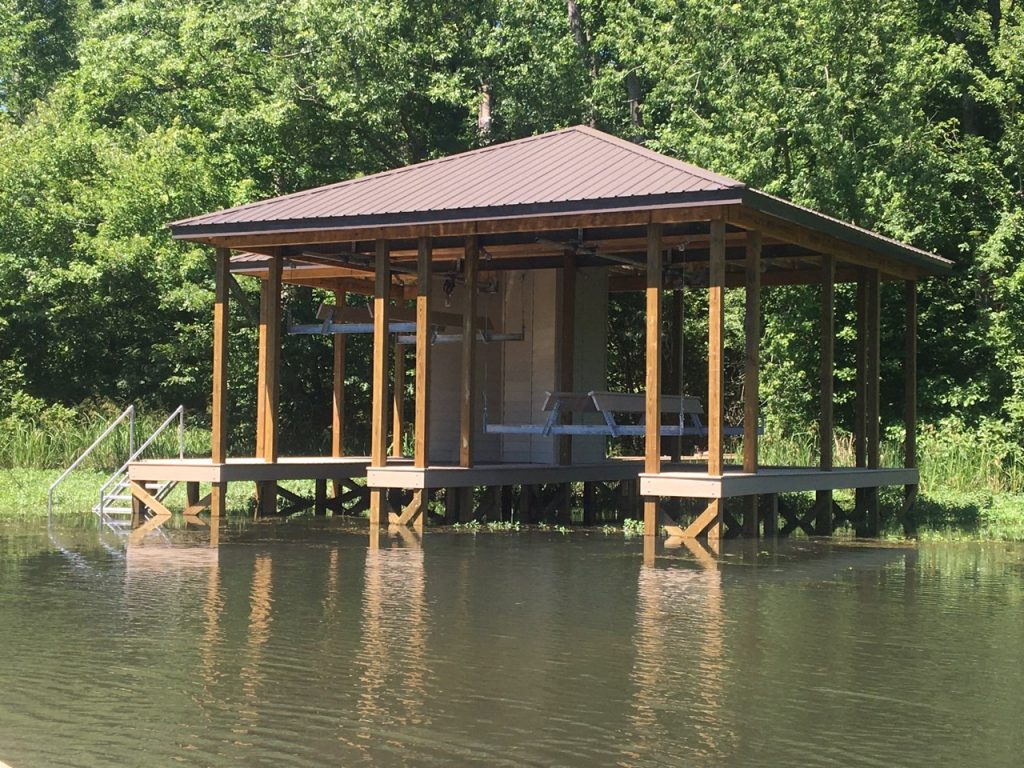
“Taking a step back from all assumptions to determine the big picture of what our client is trying to achieve is the first step,” Miller explains. Many homeowners come in with a dream dock idea, but reality starts with understanding the constraints—like water depth, shoreline composition, and local regulations from agencies like the Army Corps of Engineers or the TVA.
Ignoring these can lead to costly mistakes, like installing a floating dock in water too shallow for a lift or building too close to navigation channels. Everything from bottom composition to sun exposure should factor into your plan.
Smarter Materials = Stronger, Safer Docks
Dock building has evolved far beyond the days of untreated lumber and guesswork. “At a minimum,” says Miller, “it is imperative to select pressure-treated lumber and pilings rated for the specific environment.” He also recommends using copper naphthenate on end cuts and isolating steel hardware to prevent corrosion.

For even longer-lasting builds, Miller favors modern materials like WearDeck composite decking and EcoPile pilings—engineered to resist moisture, UV exposure, and marine organisms.
The KillerDock Difference
No conversation about modern dock design is complete without mentioning KillerDock, a company that started by solving a personal problem—how to clean fish without destroying a wooden table in the Gulf Coast sun—and grew into a leading name in durable, coastal-ready dock gear.
“We wanted to fix something that we personally dealt with,” said Jay Williamson, co-founder of KillerDock. “It started with just a couple of tables we sold out of the back of a truck at boat shows. Now we’re building full-scale products used in marinas and resorts across the country.”
That growth has been fueled by demand for quality. KillerDock’s marine-grade aluminum furniture and fish cleaning stations are designed to withstand the harshest conditions. “We had a customer in Tampa Bay text us after two hurricanes hit. She said our furniture was the only thing still standing,” said Josh Tidmore, KillerDock’s Customer Experience Manager.
Clean Fish—Don’t Fight the Table
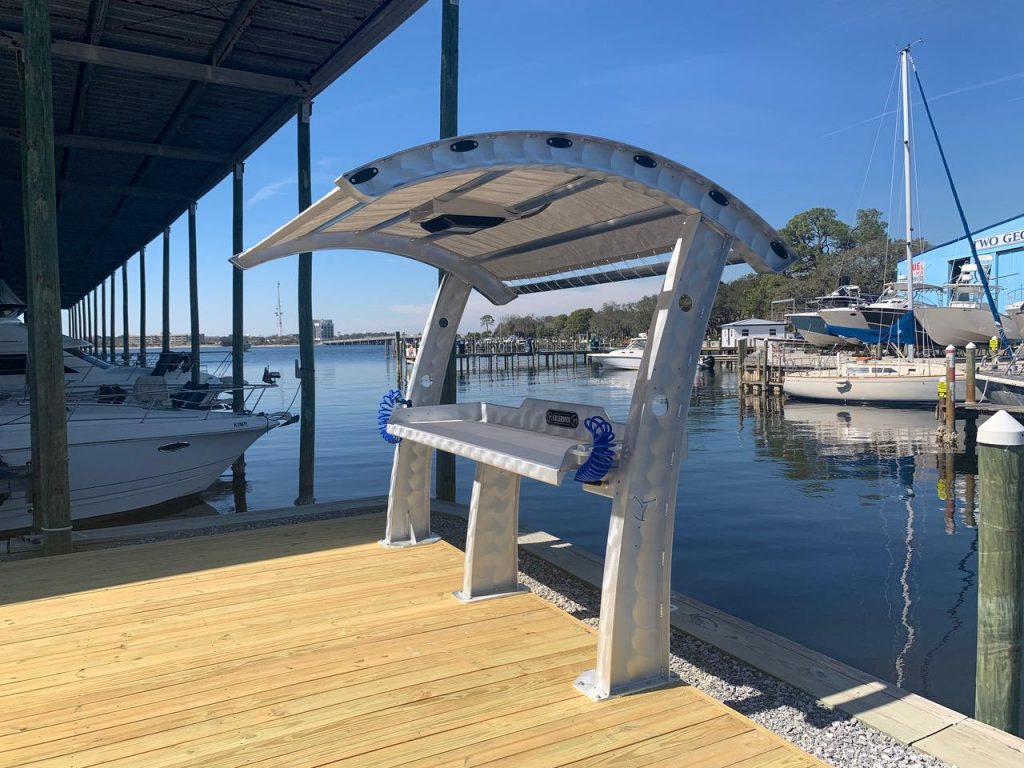
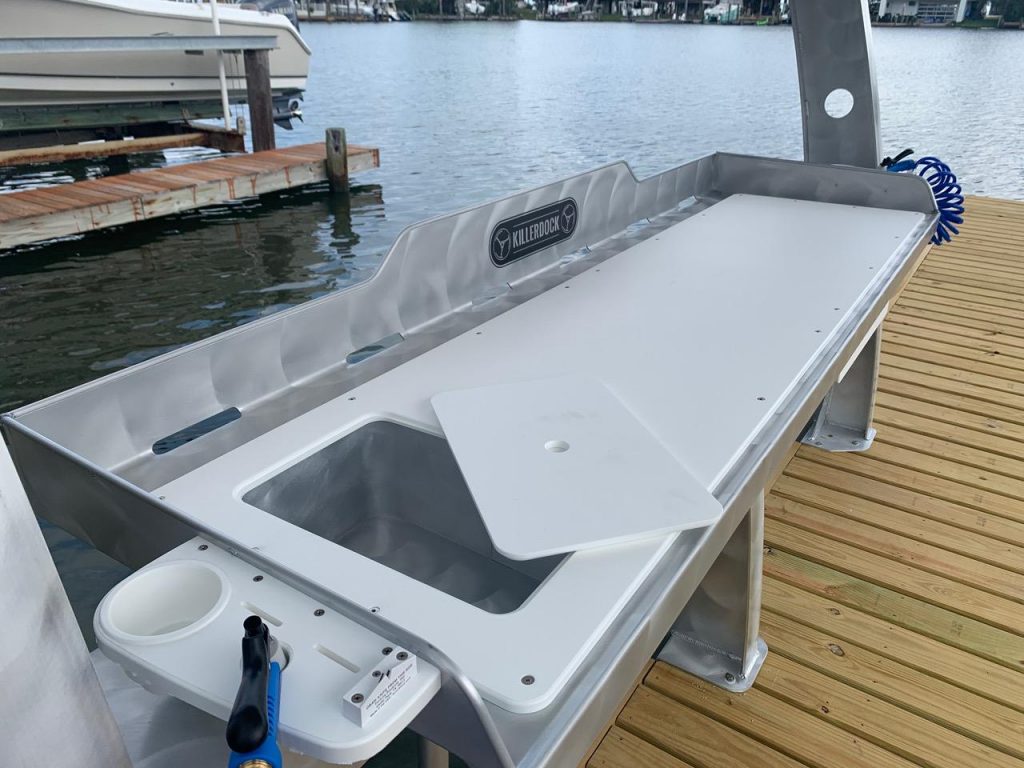
Anyone who’s gutted a cooler full of fish on a splintered wood table knows how miserable that can be. KillerDock’s cleaning stations are purpose-built for serious anglers—engineered with UV-resistant HDPE cutting surfaces and corrosion-proof frames.
“They mount to wood, concrete, or seawalls, and they even come with hose stations, drawers, sinks, and patented drainage systems,” says Tidmore. “They’re sanitary, they last, and they’re designed to overhang the water so they don’t take up precious dock space.”
Furniture That’s Built to Stay Put
Dock furniture has traditionally been an afterthought—flimsy wood benches or cheap metal chairs that get dragged off by the first summer storm. KillerDock flipped the script.
“Our dock furniture is storm-proof without being immovable,” Tidmore explains. “It’s heavy enough to stay put in high winds, even if you don’t bolt it down, but not so heavy that you can’t reposition it.”
Made with the same materials as their fish cleaning stations, KillerDock benches and cabanas are also resistant to mold, mildew, and saltwater corrosion. And they look good doing it.
“We started with a design that was beefy, but maybe too rugged-looking,” said Williamson. “After listening to feedback, we refined the style—sleeker, but still strong. Now it’s a classic design that blends strength and elegance.”
Modular Options and Custom Brackets
KillerDock has expanded beyond just furniture and fish cleaning stations. One clever innovation? Their dock box brackets, which mount heavy storage boxes just over the water to save valuable dock space.
“These brackets are seriously overbuilt,” Tidmore says. “People use them for dock boxes, bait tanks—you name it. They’re compatible with everything from West Marine boxes to high-end Mazarin models.”
The team has also rolled out ADA-compliant stations and custom setups for municipalities like the Fairhope and Orange Street piers. Even resorts like Hawks Cay in the Florida Keys are installing multiple KillerDock setups in their redesigns.
Final Thoughts
Whether you’re planning a simple personal dock or a full-blown marina upgrade, the best boat dock design starts with understanding the site, setting smart goals, and choosing the right materials. And with innovations like KillerDock’s heavy-duty furniture, fish cleaning stations, and space-saving brackets, it’s easier than ever to build a dock that holds up to the weather—and looks good doing it.
From Jay Williamson’s backyard to international installs as far as Belize, KillerDock’s evolution has mirrored what great dock design should be: functional, durable, and always ready for what the water throws at it.
As Williamson puts it, “It started as a fun project. Now it’s something real—something people count on.”