

When your boat is stranded, grounded, or storm-damaged, calling for help can feel like hitting the panic button. Between the stress of the situation and the urgency to act, most boaters just want someone to come fix the problem. But not all boat salvage companies operate the same way, and what you don’t know in that moment can turn a rescue into a financial nightmare.
The key to avoiding surprises, says Captain Joseph Frohnhoefer III, CEO of Sea Tow Services International, is asking the right questions before you agree to service. Whether your boat is taking on water, hard aground, or drifting toward danger, the decisions you make in those first few minutes can have lasting consequences.
1. What Kind of Service Is This—Towing or Salvage?
This is the most important question a boater can ask, because it sets the stage for everything that follows. If your vessel breaks down on a calm day and you’re safely anchored, that’s a towing job, which in most situations is covered under Sea Tow memberships. But if you lose power in rough weather and start drifting toward rocks, you’re now “in peril” under maritime law. Recovering a vessel in peril is salvage, and that’s billable outside your towing plan.
Understanding this critical line between towing and salvage can save you from huge confusion later. Frohnhoefer says that 95% of what Sea Tow handles falls under standard membership coverage, but the small percentage that qualifies as true salvage is where boaters are most often caught off guard.
2. How Will You Charge Me—and Who Pays?
Salvage is billed differently than towing because it’s a risk-based service, not an hourly rate. Under centuries-old maritime law, salvors are entitled to a “salvage award,” which is a percentage of the property saved. “If a $500,000 boat is sinking and we save it, the salved value is whatever remains after damages,” Frohnhoefer says. “The salvor’s award is based on that amount.”
That might sound like an old-fashioned concept, but it’s still how courts decide salvage compensation today, from 19th-century fires like The Blackwall case to modern incidents such as NASA’s 1994 shuttle tank rescue. The reason for this system, Frohnhoefer says, is simple: “Salvors are private operators. We’re not the Coast Guard. We have to keep boats, gear, and trained crews ready 24/7, and that readiness comes at a cost.”
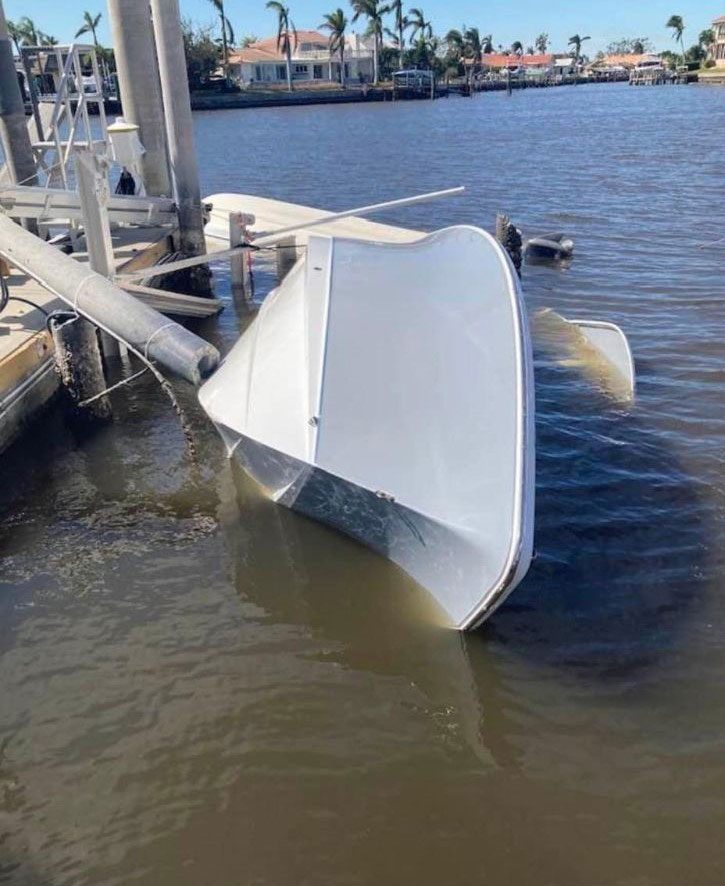
Before authorizing any service, ask for a written estimate or contract that clearly outlines rates, terms, and how charges will be calculated. If possible, contact your insurance provider before signing anything. “If you have time, always call your insurance agent or underwriter,” Frohnhoefer advises. “They’ve dealt with this before and can help coordinate the response.
3. Does My Insurance Cover This?
This is one of the most misunderstood parts of the process. Many boaters assume that if they have insurance, they’re covered for any emergency, but that’s rarely the case. Many policies only include limited salvage coverage or cap payouts at a small percentage of your boat’s insured value. Others might not cover the costs that come after the recovery, like transport, storage, or environmental cleanup.
“You want comprehensive hull coverage,” Frohnhoefer says. “Not just for the initial rescue, but for what comes next: the hauling, transport, demolition, and environmental cleanup if necessary.” He adds that this isn’t the kind of thing you want to discover mid-crisis. “I’ve seen plenty of claims denied for small details. I’ve seen cases where someone was just a few miles outside their navigational limit during hurricane season and their insurance refused to pay,” he says.
A good rule of thumb is to talk directly with your insurer before storm season and ask them to walk you through real-world scenarios. What happens if your boat sinks in a storm? What happens if it’s grounded in a remote marsh? How about if a salvage company needs to demolish the hull for environmental reasons? Knowing how your insurer answers those questions ahead of time can make the difference between peace of mind and a very expensive surprise.
4. What Happens to My Boat After the Salvage?
The “after” part of a salvage operation is where many hidden costs appear. Once your vessel is recovered, it has to go somewhere, and that can add layers of expense depending on where it ends up. Some salvors will take it to the nearest marina, others to a designated yard, and some may simply bring it ashore for later pickup.
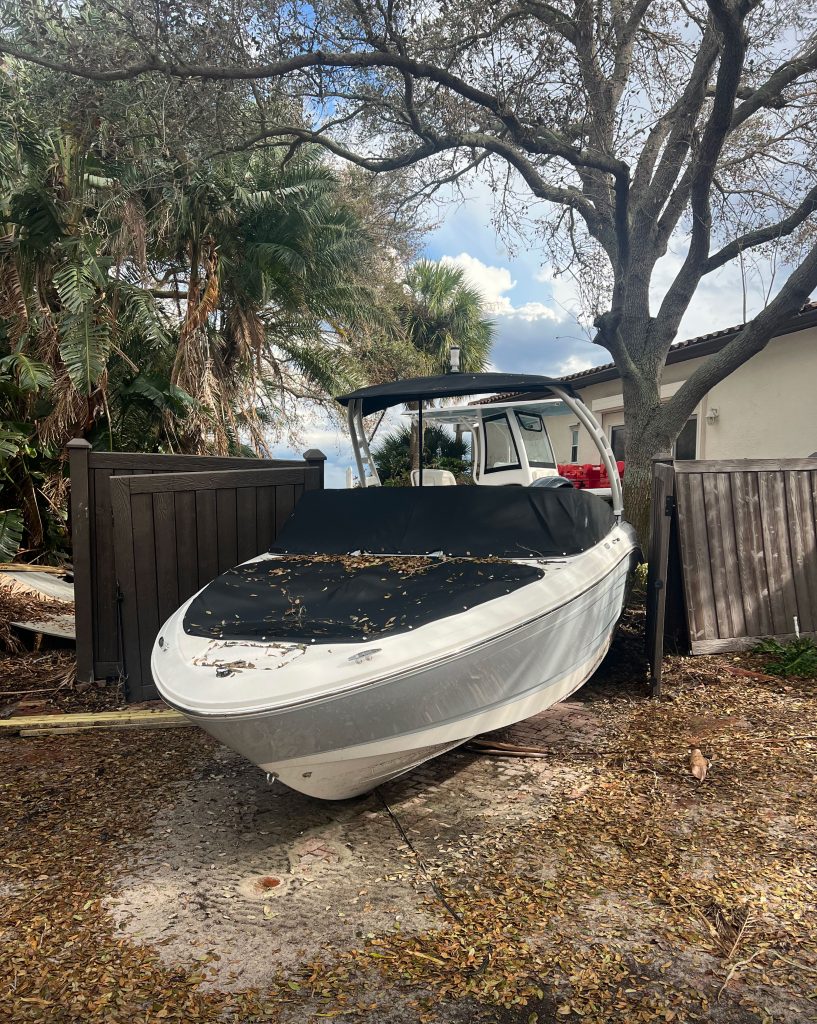
“Where the vessel ends up can affect the claims process,” Frohnhoefer explains. “If it’s not at the right service facility, it may need to be moved again, and that’s another expense.” Boaters should ask not only where their vessel will be taken, but whether storage is included, what security measures are in place, and how long they’ll have before additional storage fees kick in.
He recommends discussing this with both the salvor and your insurance provider before the boat is even moved. “Ask: How will you recover my boat? Where will it go? What will happen next? A professional salvor will have no problem walking you through that,” Frohnhoefer says. It’s also smart to ask if environmental mitigation or debris cleanup will be part of the service, especially if your vessel leaked fuel or oil.
5. What Paperwork Am I Signing?
This step can feel like a blur in the heat of the moment, but it’s one of the most important. In most cases, you’ll be presented with a “salvage agreement,” which is a contract that defines the terms of service and your legal relationship with the salvor. Most salvage agreements require disputes to go to arbitration rather than federal court, which Frohnhoefer says “has worked very well for both boaters and salvors. It keeps things fair, efficient, and handled by people who understand maritime law.”
Still, you should never feel pressured to sign something you don’t understand. “If someone’s telling you, ‘Just sign here,’ or won’t answer your questions, that’s a red flag,” Frohnhoefer cautions. “Take the time to read it, call your insurance agent, and make sure you understand what you’re agreeing to.”

It’s worth knowing that, under maritime law, you’re obligated to take reasonable steps to preserve your boat’s value, but that doesn’t mean you have to act blindly. The right salvor will take time to explain the paperwork, outline the costs, and make sure you’re comfortable with the plan before moving forward.
A Little Preparation Goes a Long Way
If all this sounds like a lot to be thinking about while your boat is taking on water, you’re absolutely right. In the moment of peril, you’re focused on safety and immediate action, not on contract language and coverage limits. That’s why these conversations should happen long before there’s an emergency.
Start by reviewing your insurance policy line by line and making sure it includes boat salvage coverage. Then, take time to learn who the trusted salvors are in your area. Call them before you ever need them. Ask about their practices, their response times, and how they handle billing and communication.
Having those conversations in advance means that when something does go wrong, you’ll know exactly who to call, what to expect, and how to keep the situation under control.
Frohnhoefer sums it up best: “Have a plan and have the proper insurance, and prepare early. Even if you lose a weekend of boating, it’s better than waiting until the storm is three days out.”