
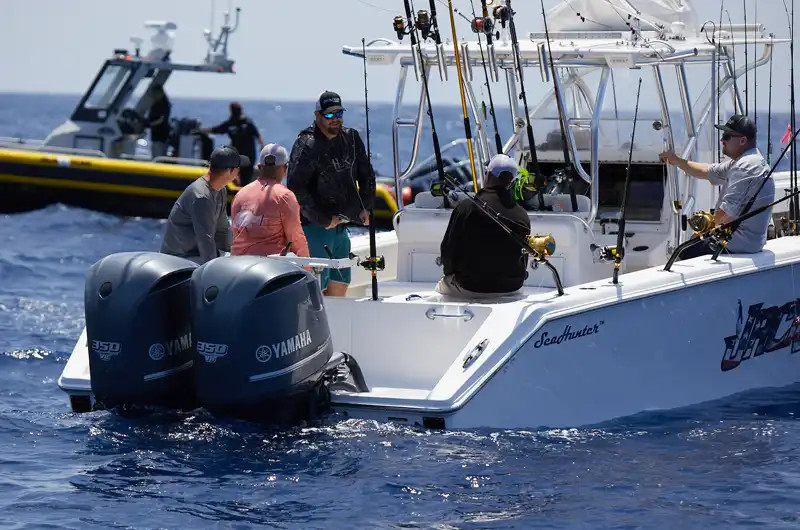
Offshore boating is exhilarating—but it demands more than a love for open water. It demands readiness. Ask any seasoned captain and they’ll tell you: when things go wrong offshore, they unravel fast, and far from help. That’s why having a solid boating contingency plan is just as essential as your safety gear. This article outlines eight real-world scenarios that veteran captains have faced and the contingency plans they now swear by. Learn from their experiences so your next offshore trip stays memorable for all the right reasons.
The insights in this article come directly from seasoned professionals who live and work on the water. These aren’t hypotheticals—they’re hard-earned lessons from years of real emergencies, tight calls, and daily problem-solving offshore.
Captain Walt Bohn is a Sea Tow veteran with a 20-year background in firefighting, public safety, and port operations. He brings a unique blend of emergency response training and marine experience to the job. Whether he’s plucking hypothermic clammers out of freezing shallows or running rescue operations in pitch-black waters, Walt knows how quickly offshore situations can spiral—and how preparation saves lives.
Captain Harris Scruggs is a full-time offshore charter captain in the Gulf of Mexico, with extensive experience running long-range trips 100+ miles out. He’s seen the effects of dehydration, gear failure, weather misreads, and bad planning—and built his entire program around not letting them happen again. His approach is thorough, methodical, and battle-tested.
Captain Bart White has spent over two decades running Sea Tow operations on the Chesapeake Bay with his father and brother. With a coverage area that spans the entire state of Virginia, he’s seen just about every breakdown, mistake, and mishap that can happen to a recreational boater. From engine failures and gas runs to storm rescues, Bart’s advice is steeped in thousands of real-world service calls.
Together, these three captains represent different regions, vessel types, and operational focuses—but they share one philosophy: when you’re offshore, redundancy, a solid boating contingency plan, and overall readiness aren’t optional. They’re survival tools.
Scenario 1: Engine Failure Offshore
Your engine cuts out 30 miles from shore. What now?
According to Capt. Bart White of Sea Tow, engine failures are more common than most boaters expect, especially on inboard-outboard setups. “You basically got a car engine in a saltwater environment,” he says, adding that overheating and bad water pumps are frequent culprits.
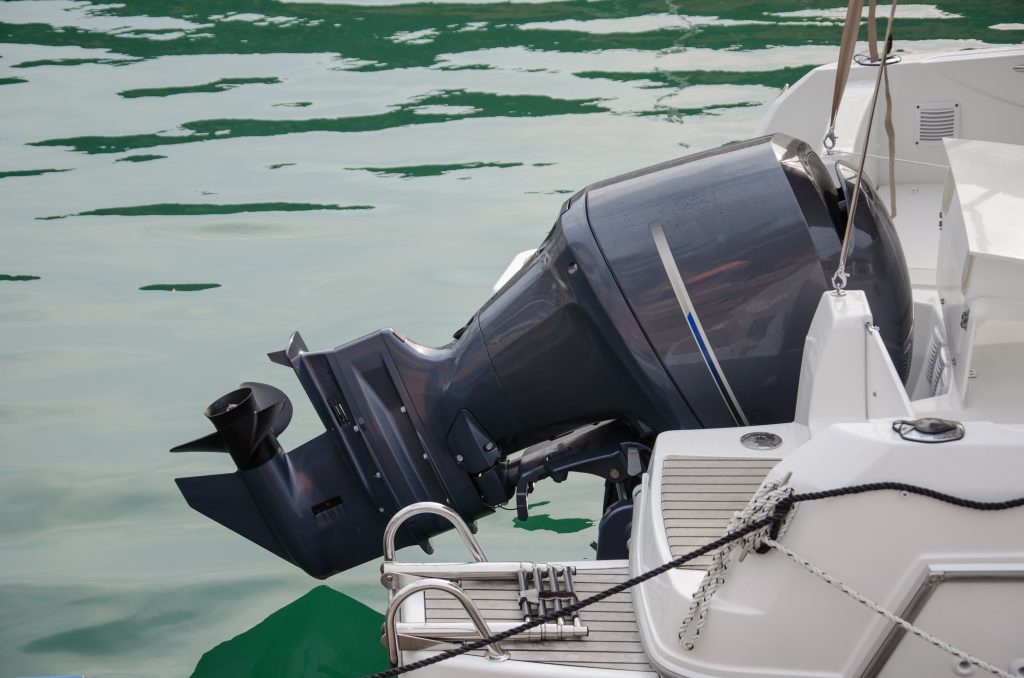
To do what you can to prevent stranding, always carry: a portable jump box, spare belts, fuel filters, and spark plugs, and tools to make quick fixes—socket set and wrenches (metric and SAE if needed), flathead and Phillips screwdrivers, needle-nose and channel-lock pliers, wire cutters and electrical tape, zip ties, hose clamps, spare fuses, a knife or multi-tool, JB Weld, duct tape, and marine-grade sealant for emergency repairs. Keep everything in a waterproof, rust-resistant case or bag. A second power source—like twin engines or a kicker motor—can help you limp in.
In addition to tools and spares, Capt. Walt recommends setting up an emergency equipment box with items like flares, a VHF radio, and backup communication devices. Keep it waterproof and in one known location.
Step-by-step:
- Diagnose—check safety lanyards, neutral gear positioning, and kill switches first.
- Communicate—use VHF (Channel 16) or a satellite device to call for help. If your boat is without a chartplotter, mobile phone GPS can help Sea Tow pinpoint your location if you’ve downloaded their app.
- Anchor if possible—Capt. Bart warns, “You don’t want to be two or three miles away from your coordinates when we finally get there.”
Scenario 2: Medical Emergency Onboard
Injuries can escalate fast offshore—especially without proper preparation.
Capt. Walt recalls a man who suffered a heart attack nearly 50 miles out. His crew performed CPR for two hours until the Coast Guard arrived. “If you’re going offshore, someone on board needs to know CPR,” he urges.
Recommended gear includes a comprehensive first aid kit (not the cigarette-pack-sized ones), alcohol, iodine, medical tweezers, hook-removal tools, and an AED (automated external defibrillator) for longer offshore runs. Capt. Harris Scruggs emphasizes the need for quick cleaning and treatment of even small cuts due to the high bacteria load from bait and fish. “If it’s not cleaned in 30 minutes, you’re inviting trouble.”
Take a basic first aid course. As Walt notes, “My 13-year-old knows CPR. It’s not hard to learn, and it can save a life.”
Scenario 3: Rapidly Changing Weather
Weather can flip in minutes, and bad decisions compound quickly. Captain Bart says weather is the most overlooked danger: “We see people going out when it’s blowing northeast 15 to 30, and we’re like, what are these guys doing?”

To stay ahead, use NOAA’s marine forecast, WindFinder, and onboard radar. Monitor VHF for weather alerts, and download wind and wave apps with hourly predictions. Harris Scruggs tailors his route to match wind patterns. “I’ll take it off the port bow in the morning so my crew gets a smoother ride home with the following seas.” Never be afraid to call off a trip. Risking it isn’t worth endangering your passengers—or the rescuers who may have to come get you.
Scenario 4: Fuel Miscalculation or Loss
Running out of gas offshore is surprisingly common.
“Boat fuel gauges are notoriously unreliable,” warns Bart White. “We carry gas to stranded boaters all the time.”
Stick to the rule—1/3 out, 1/3 back, 1/3 reserve.
Captain Harris adds another layer: account for extra weight—ice, fish, gear, and people reduce fuel economy. Know your true burn rate.
Redundancy helps: carry auxiliary tanks or transfer pumps, install flow meters if possible, and maintain a Sea Tow membership (or know who nearby can help).
Scenario 5: Electronics or Navigation Failure
What happens when your screens go black? Capt. Walt tells of a boater who had a working VHF and didn’t know it. “He had cigarettes, but no water and no clue how to call for help.”
Essentials include redundant navigation tools like paper charts and a compass, backup GPS units (even old-school handhelds), and the ability to navigate using landmarks. Capt. Harris drills this in daily: “I’ll look at the compass and say, when I’m at this buoy, I can run 60° and hit the next one dead on. Know your headings. Don’t rely solely on electronics.”
Scenario 6: Person Overboard
Too few crews practice man-overboard scenarios, until it’s too late. Walt shared a chilling story: a 72-year-old clammer got separated from his drifting boat in freezing water. He stood in the bay for 12 hours, waving for help. “If it was anyone else, they wouldn’t have survived,” Walt said. “He was so hypothermic he didn’t realize how bad off he was.”
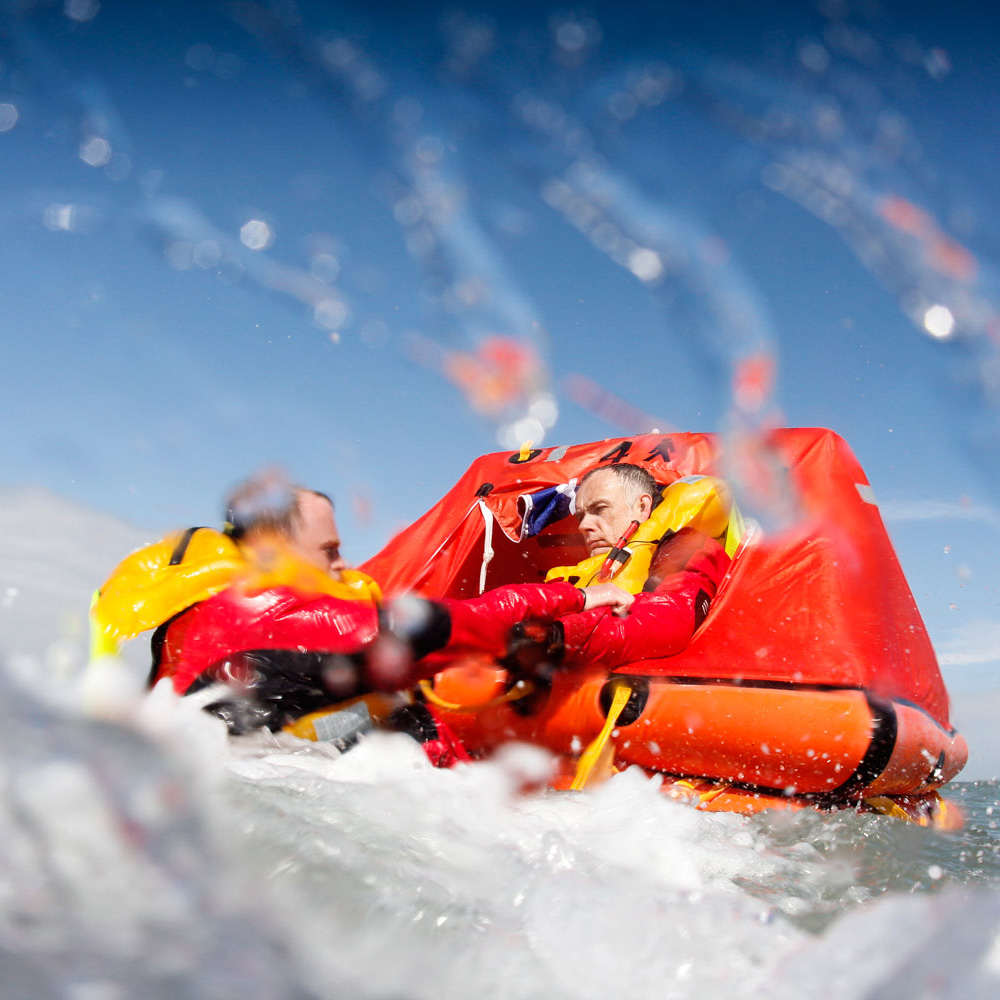
Life jackets are non-negotiable. Crew should be trained to use AIS MOB devices and throwable recovery aids. Practice regular man-overboard drills. “Have gear in one known place,” Walt advises. “We use an orange ammo can with a VHF, flares, and first aid kit—grab-and-go if anything goes sideways.”
Scenario 7: Fire Onboard
Fires are terrifying offshore—and they escalate fast. “Most are caused while fueling,” says Walt. “Turn on your blowers. Seal hatches. Basic steps can save your boat.”
Plan ahead by inspecting fire extinguishers and knowing what types they are, keeping flammable materials stored correctly, and teaching your crew where extinguishers are—and how to use them. A solid boating contingency plan should also include a well-stocked first aid kit and clear emergency protocols. Walt once treated a kid whose fingers were nearly severed by a bluefish. The head boat had a very basic first aid kit. That’s not just inadequate, it’s dangerous.
Scenario 8: Taking on Water
Water intrusion can happen in the blink of an eye—and your bilge pump may not be enough.
Capt. Walt Bohn carries multiple backup pumps on every boat, including a high-capacity 3,000-gallon-per-minute pump with a 25-foot cord and gator clips that attach directly to the battery. “Let’s say your bilge pump fails, or you’re taking on more water than it can handle—now you’ve got another option,” he explains. “You just clip it on and go. It can make the difference between losing your boat and making it home.”
Having this kind of portable dewatering gear can also make you a lifesaver. “How many times are you offshore and someone else needs help?” Walt asks. “If they’re taking on water, you can throw that pump to them, and they can start dewatering while you coordinate more help.”
Don’t rely on your factory-installed bilge alone. Build in redundancy with a secondary pump, and consider carrying a dedicated dewatering kit in addition to your usual safety gear. A solid boating contingency plan should account for equipment failure, water intrusion, and the ability to assist others in distress. Offshore, time matters—and so does flow rate.
Conclusion: Preparedness Is Seamanship
You can’t predict what the ocean will throw at you—but you can prepare. These eight scenarios aren’t hypothetical; they’ve happened to real captains, real crews, and real people. Good seamanship means thinking ahead, training often, and planning for every “what if.”
Run drills with your crew. Keep your safety gear updated. Know how to use your equipment—and where it is. Have a boating contingency plan for everything from engine failure to man overboard. As Capt. Walt said, “There’s a Plan A through G on every trip. It’s a moving target. Be ready to pivot.”
Because offshore, your best tool is preparation.