
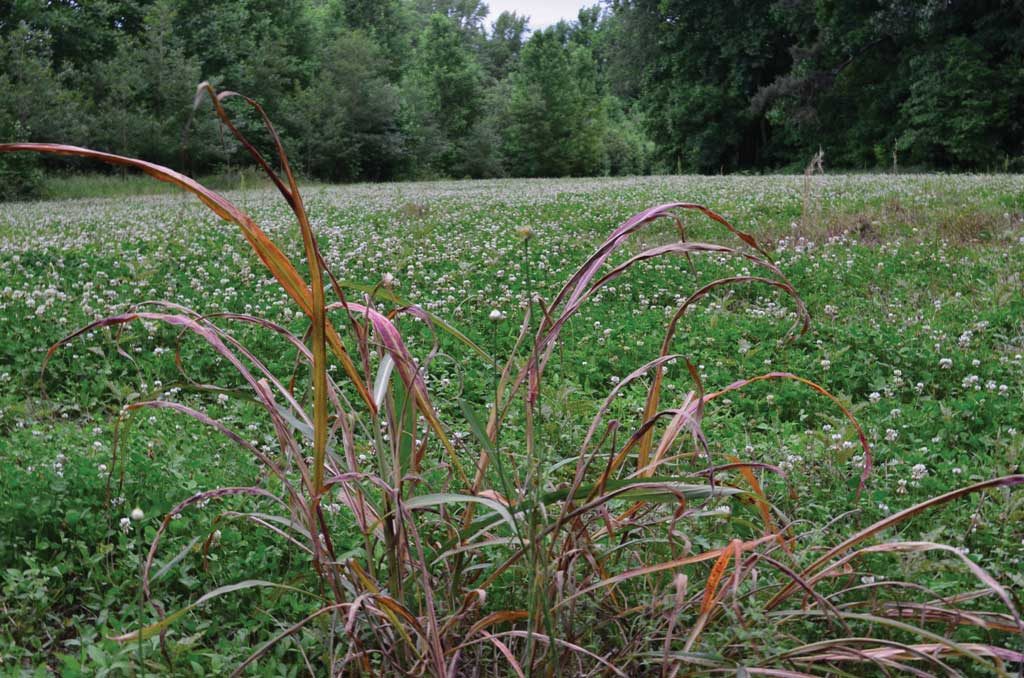
Every hunter knows the feeling: you put in the sweat equity to get a clover plot established, and for a while, it looks like a lush, green carpet. It’s perfect forage for spring and the best way to bridge the gap between seasons. But clover rarely stays pure for long. Before you know it, ryegrass, crabgrass, or volunteer cereals start creeping in. Left unchecked, that productive plot turns into a crowded, stemmy mess that overshadows what you planted the clover for in the first place. That is where clethodim can become a valuable tool for controlling unwanted grasses without sacrificing the clover you want to keep.
It’s tempting to just disk the whole thing under and start over, but that’s a waste of time, seed, and fuel—not to mention the moisture you’ll lose. Plus, you’re removing food that’s still feeding your herd. This is where you need to get smart about herbicides. You don’t always need a nuclear option like glyphosate to fix a weed problem.
Enter clethodim. This stuff is a “graminicide,” which is just a fancy way of saying it kills grass but ignores broadleaf plants. If you’re managing clover, chicory, soybeans, or alfalfa, clethodim is your best friend. It lets you surgically remove the grass competition without touching your expensive forage.
Dr. David Russell from Auburn University puts it simply: selective herbicides let you pick winners and losers. While glyphosate kills anything green it touches, clethodim gives you a precise tool to save a plot that’s being overrun by grass.
The Grass Trap
Why is grass such a headache? Because your soil has a “seed bank”—thousands of dormant seeds just waiting for a little sunlight and a break in the canopy. Even if you plant a clean nurse crop like oats or wheat, those grasses can eventually crowd out the clover you actually want to keep through the summer. Some annuals die off naturally, but others, like ryegrass, are aggressive. They steal moisture, block the sun, and develop massive root systems that can eventually choke out your broadleaf plants. You have to handle them before they take over the neighborhood.
As Dr. Russell notes, ryegrass is particularly robust. Once it develops that fibrous root system, it’s a lot harder to kill. You aren’t just trying to make the leaves look sick; you need the herbicide to travel down and kill the engine room of the plant.
The Secret to Timing
Clethodim is systemic, meaning it gets absorbed by the leaves and hitches a ride through the plant’s internal plumbing. For this to work, the plant needs to be actively growing. If the grass is stressed by drought or cold, it won’t pull the chemical in, and you’re just wasting money.
This is why most guys fail with clethodim: they wait too long. You want to hit grass when it’s young and “juvenile”—ideally under six to eight inches. Once ryegrass starts heading out and going to seed, its metabolism slows down, and it might just shrug off a herbicide treatment that would have killed it weeks earlier.
Getting the Mix Right
If you’re using clethodim, you almost always need an adjuvant—usually crop oil concentrate. Without it, the chemical just beads up on the waxy leaves of the grass instead of soaking in. Check your label, because using the wrong oil or skipping it entirely is the fastest way to get zero results.
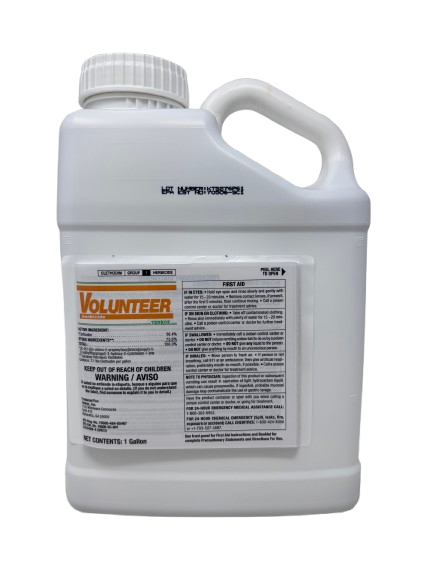
Also, take ten minutes to calibrate your sprayer. Whether it’s a backpack unit or a 50-gallon tank on your UTV, you need to know exactly how much water you’re putting down per acre. If you’re too light, the grass survives; too heavy, and you’re throwing cash into the wind. And watch the weather. Wind over 10 mph is a recipe for drift, and rain shortly after spraying will wash your hard work away. Most clethodim labels want a few hours of dry time to be “rainfast.”
What It Won’t Do
Keep in mind, clethodim is a specialist. It won’t touch broadleaf weeds like pigweed or ragweed. If those are your problem, you’ll need a different tool and a different strategy. It also won’t distinguish between “bad” grass and “good” grass. If you have a mix of clover and winter wheat and you spray clethodim, you’re going to kill your wheat.
Use it when you want to “release” your clover. Once your cereal grains have done their job as a nurse crop and you want the clover to take over for the summer, that’s when you pull the trigger on the grass.
Final Advice
At the end of the day, clethodim is about longevity. It’s about keeping that $100 bag of clover seed working for two or three years instead of just one. It’s a tool that makes long-term management realistic for hunters who don’t have all week to spend on a tractor. If you’re having trouble finding it locally, check out outfits like Chemical Warehouse online. They usually have the specific adjuvants, surfactants, and clethodim products you need in quantities that make sense for a food plotter. And they deliver them right to your door, so you don’t waste time searching the local co-ops to find something the cashier has never heard of. Just remember: identify the grass, check your timing, and always—always—read the label first. Do that, and you’ll spend less time disking and more time watching deer over a clean plot.