

Going on any adventure in the wilderness can bring about unexpected emergencies. People get into trouble yearly while hunting, fishing, camping, and hiking. Unfortunately, many learn the hard way that they weren’t adequately prepared. Stuffing a first aid kit in the camper or boat and hoping for the best is not enough. Building a proper emergency preparedness kit isn’t as difficult as it seems. It just takes some critical thinking about what is needed for the outdoor recreation you enjoy. This is the best way to build a kit that will never disappoint you.
Essential Items for Any Emergency Preparedness Kit
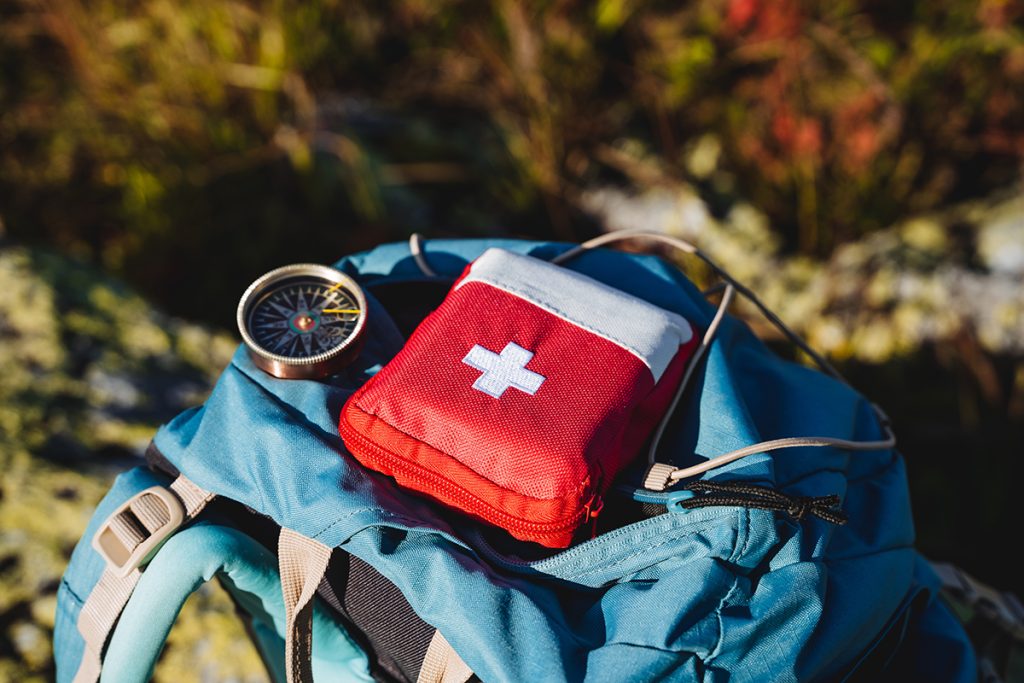
Many people buy a pre-packed survival bag or first aid kit and call it good. These are good starting points, but the first time the kit is opened shouldn’t be an emergency. Nothing is more frustrating than needing a specific bandage or other first aid item, only to find the kit doesn’t have it. Inspect all the contents to ensure there is a variety of bandage sizes. Every kit should have some form of antiseptics or alcohol wipes for cleaning wounds.
One often overlooked necessity for any first aid kit is simple pain medications like Aspirin and Tylenol. Even if it isn’t an emergency, it’s nice to have it when a sudden headache or back pain starts far from civilization. Ensure the kit has sterile medical gloves for the person administering the first aid. The kit should have more than one pair. Gloves help keep the wound clean and prevent further spread of germs.
One last item of note. Any kit should contain a blood clotting or trauma agent for treating severe wounds. It doesn’t take long for a person to bleed out if it isn’t stopped.

Hydration and Nutrition
These aspects of an emergency preparedness kit are often overlooked. A person can last for weeks without food, but water is a different manner. It varies depending on age and weight, but most people can only last about three days without water. However, drinking water without purifying or filtering first can be dangerous due to bacteria and waterborne diseases. Sometimes, the water can contain hazardous parasites. It’s not a bad idea to double up on water purification methods. Include water purification tablets and a filtration system such as a LifeStraw or Sawyer filter.
When it comes to food, it’s best to keep it simple for an emergency preparedness kit—preferably something that doesn’t need to be cooked. Ready-to-eat MREs and nutrition bars don’t have the best taste. However, they have a long shelf life and provide the necessary protein to survive a stressful situation. Still, it’s worth doing some taste tests of these products so cracking one open for the first time is not an unpleasant surprise.
If the kit has extra space, consider adding luxury snack items like jerky, trail mix, peanut butter, dried fruit, or energy bars. These provide energy and can lift morale in a survival scenario.
Navigation Tools
Having an updated map of the area is always a good idea. Something with topographical lines to indicate elevation and major rivers is vital. Maps with major towns and roadways marked are also helpful. Ensure the map is current because old logging roads can get grown over, and rivers can change course.
Include a compass in any emergency preparedness kit. It’s best not to go cheap on a compass. Buy something with a bezel and degree markings—these help with getting a bearing.
Another good idea is a GPS unit with road and topo maps. My current favorite is the Garmin GPS Map 64sx. It’s a hiking GPS with extensive trails marked in North America. I’ve only run across a few trails that weren’t on it. The only main worry here is having enough battery to keep it in running order.
If you’re wandering far into the backcountry without a cell signal, consider a SPOT-style messenger GPS. These devices help the user stay in touch and provide precise-3 locations in a medical emergency.
Weather Protection
The elements can be just as dangerous as a lack of food or water. Fortunately, emergency mylar ponchos and tents are cheap and readily available. These products are usually lightweight, only weighing a few ounces at most. Most also don’t take up much room in an emergency bag. Go with a poncho that’s a highly reflective color, like yellow or orange. That will be easier for emergency responders to spot.
Sun protection is another crucial thing people don’t consider. Consider adding some sunblock to the emergency preparedness kit for a little extra comfort. I burn easily, so always having a little extra stowed away in my vehicle’s emergency kit has saved my skin more than once.
Communication Tools
Every emergency preparedness kit should have some way of signaling to rescuers. Compasses will often have a built-in signal mirror. A simple plastic whistle takes up minimal space in the kit but can help rescuers zero in on your position. I like to have a flashlight with automatic SOS signaling mode in my kit. It takes all the guesswork out of how to signal distress.
One good idea for boaters is to include a signal flare in their emergency preparedness kit, especially when venturing onto the ocean. The waters there are vast and far-off ships aren’t likely to spot smaller boats in distress without something to grab their attention.
Finally, another good idea is to buy a battery bank for cell phones. A simple 5000mAh battery bank cost as little as $25. However, it can recharge a cell phone repeatedly. Some even come with a small solar panel to keep topped off on multi-day trips away from electrical service.
Personalizing Your Emergency Preparedness Kit
As I’ve mentioned, buying a pre-packed kit and never opening it is not a good idea. Go through the contents carefully. I’ve upgraded small things like scissors, knives, and flashlights with better-quality items. However, it goes beyond that. Each preparedness kit should be assembled to the user’s specific needs.
For example, pack extras of any life-critical prescription medications. An extra EpiPen or similar allergy treatment is always a good idea, especially for anyone sensitive to bee stings. Most pre-packed kits also do not include items for personal hygiene, like wet wipes or feminine hygiene products. Products such as calamine lotion, antacids, and anti-diarrhea meds are good if space allows. Medications to treat the effects of poison ivy can also make life more comfortable in a survival situation.
I’ve become a big fan of portable shower wipes this year for van life. These wipes could provide some additional comfort in a survival scenario. They are usually packed in flat packaging that slips neatly and easily into a bag.
Customizing for Climate and Trip Length
Including heavy insulated gloves in a kit in southern Florida doesn’t make sense. Likewise, including some emergency fishing gear likely won’t make sense in the desert. Every ounce counts when packing a kit like this, especially on foot. Some items, like insect repellent, make sense for multiple climates but consider the season. There won’t be many mosquitoes during a winter hunt in Alaska.
I like to pack a few extra insulated items like socks and hats during winter. Primary clothing can quickly get wet even if an emergency doesn’t happen. Having a backup makes things more comfortable for the trip.
Try to pack a little more than what’s needed for the intended trip length. Getting lost or stranded in the wilderness can quickly become a multi-week affair. Having a little bit extra can buy extra time in places rescuers have a hard time searching.
Fire-starting materials are a good idea for any trip, regardless of length. Include a good Ferro rod and a fixed-blade knife with a 90-degree spine to spark it. I prefer a knife with a full tang for this chore. Longer knives can also be used to split wood via the baton method. These knives are heavy but can be a lifesaver in extremely remote environments.
Tailoring an Emergency Preparedness Kit for Specific Activities
It never hurts to carry a bit extra ammunition while hunting. However, hunters should be conscious of the additional weight. Hikers and hunters planning trips in bear country should take a can of defensive bear spray. Check the expiration date before heading out because the stuff loses pressure after a while.
Boaters should ensure their emergency preparedness kit is in a container that floats and is made of a high-visibility color. This will make it easier to find if a boat sinks suddenly or is hit by a rogue wave. Including basic fishing gear in any boat emergency kit is never bad.
Consider each trip’s potential dangers ahead of time and the environment of each adventure. Knowing that makes planning and packing an emergency preparedness kit easier.

Beyond the Kit: Doing Your Best to Prepare
Once an emergency preparedness kit has been customized for outdoor activities, it must be updated frequently. Medications and food rations can expire, and a flashlight in a kit is pointless if the included batteries are dead. These items need to be checked regularly and replaced when they reach their expiration dates. I find it easiest to periodically set calendar reminders on my phone to check the kit. This is crucial, even if you don’t have a trip planned. It’s far too easy to forget in the excitement of planning the next hunting or fishing adventure. I’ve read far too many survival stories where something was wrong in the kit to leave this to chance.
Weather Conditions and Hazards
It’s essential to check weather forecasts before a trip and pack accordingly. However, conditions can change quickly, especially in the ocean or mountains. Weather radios are lightweight and extremely cheap. Most have solar panels and a crank device to charge the battery, making them an excellent addition to any emergency preparedness kit. These radios are especially helpful in areas where there is no cell signal.
Heed warnings from the National Weather Service or any park rangers encountered along the way. Blizzard and wildfire warnings are no joke. People die every year because they don’t heed these types of warnings. It’s vital to research the area of your next trip to learn what natural dangers there are. Situational awareness goes a long way to preventing disaster.
Leave a Plan
One common thread with the most harrowing survival stories is someone failing to inform their loved ones where they were headed. For any backcountry adventure, leave a written hike or float plan with dates and exact locations you plan to visit. It makes a search and rescue operation much easier for the searchers to have a definitive starting point. Once again, we highly recommend a SPOT cellular device to stay in communication. You don’t need to check in every single day in most cases, but being able to get a message out could save a life.
Covering an Emergency
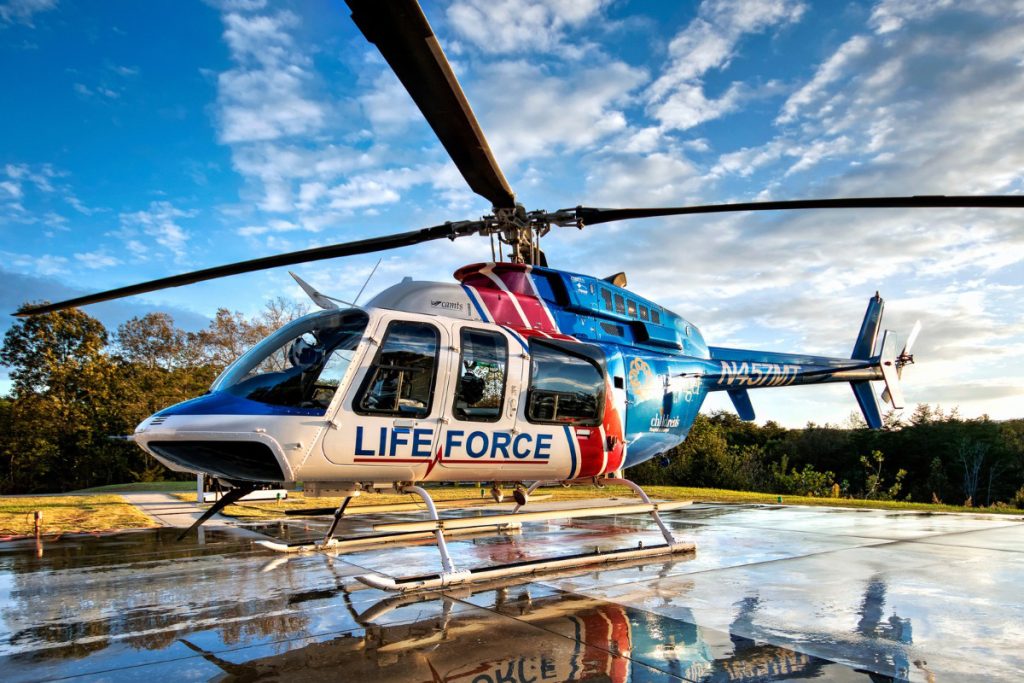
We last wanted to note that medical emergencies are frequent in the backcountry. Before I wrote exclusively about the outdoors, I did hard news. When I worked at a newspaper in Wyoming, I wrote many stories about hunters being airlifted. Often, a helicopter is the only way to reach a remote location in the mountains.
The expenses for these flights are not cheap, and they are often not covered by regular health insurance, either. Subsequently, we highly recommend a service like AirMedCare. They have an extensive network covering hundreds of locations across 38 states. This service will cover the flight cost if emergency responders call for air ambulance transport. It can save thousands of dollars, even for a short, 20-minute flight.
AirMedCare’s plans start at $79 for a one-year membership. They offer multi-year memberships for as low as $399. Seniors can enjoy a discounted rate on all plans. It’s a small investment that can give a little extra peace of mind for all backcountry adventures this year.