

There’s one universal truth in fishing: if you catch a memorable fish, you’re going to want a photo. But as Nick Haddad of Return ‘Em Right explains, capturing that perfect shot shouldn’t come at the cost of the fish’s survival, including the risk of depredation, a key concern for reef species like snapper and grouper.
Haddad, who leads education and outreach efforts for Return ‘Em Right, is on a mission to help anglers become more efficient, responsible stewards of the ocean — especially when it comes to reef species like snapper and grouper. These fish are particularly vulnerable to barotrauma, a condition caused by rapid pressure changes when they’re brought to the surface. And while most anglers release fish they can’t keep, poor handling during those release moments can still be deadly.
So how do we get that brag-worthy photo without hurting the fish? Let’s dive in.
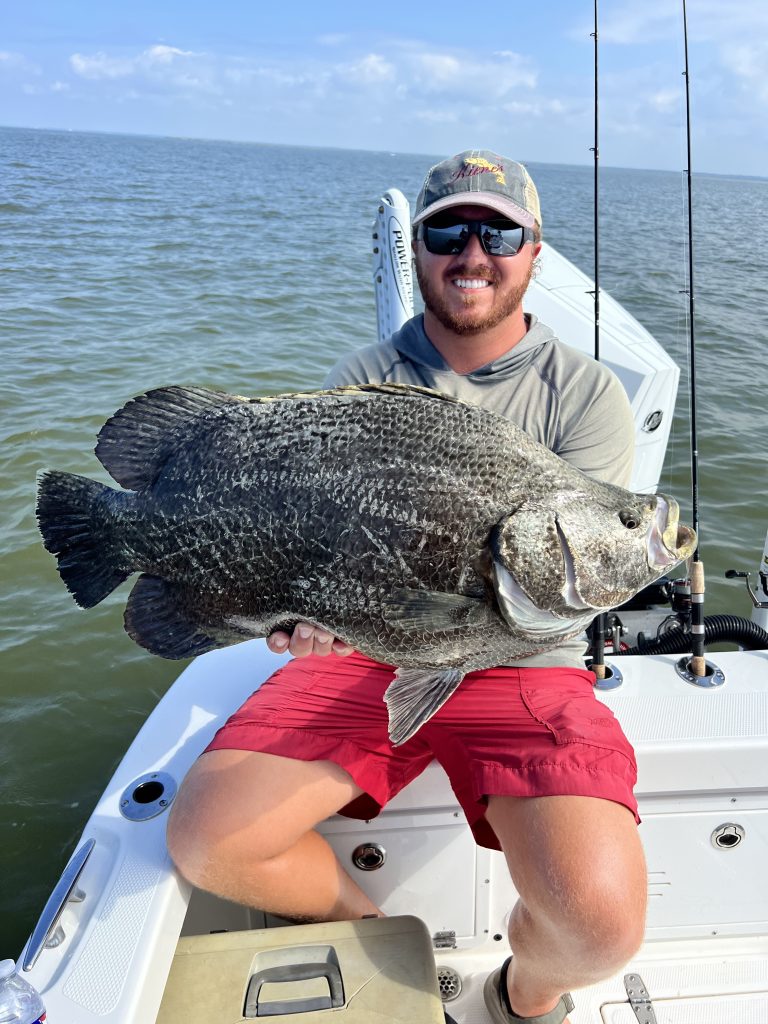
Why Ethical Fish Photography Matters
Ethical photography plays a crucial role in reducing depredation, as improper handling can lead to unnecessary stress and injury, ultimately reducing the fish’s chances of survival.
Return ‘Em Right focuses primarily on barotrauma mitigation, but Haddad emphasizes that ethical photography is part of the broader picture of responsible fishing. He puts it simply: “If we’re going to take photos of fish we release, let’s make sure we’re not sacrificing the fish for the shot.”
Common Mistakes Anglers Make
According to Haddad, one of the most common mistakes is careless handling, which can contribute to depredation. . Dropping a fish multiple times on the deck, squeezing it too tightly, or using poor grip techniques can injure it or remove its protective slime coat — all of which reduce survival odds.
Another misstep: using lip gaffs. These tools can easily puncture vital organs, especially in fish suffering from barotrauma, where internal anatomy may be displaced. “Even a centimeter off with a lip gaff can be fatal,” Haddad warns.
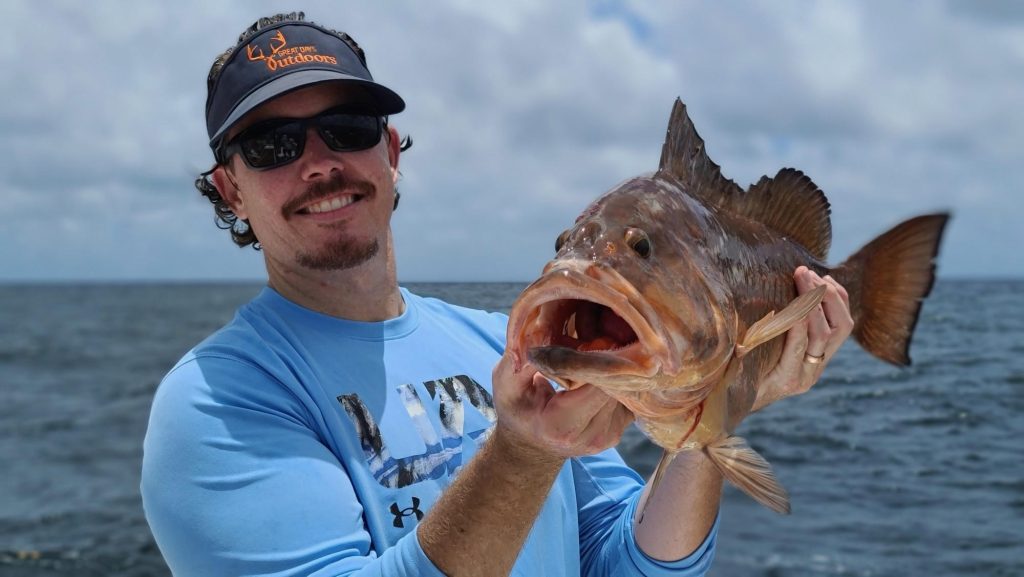
The Basics of Ethical Fishing Photography
Key Principles for Handling Fish Safely
There are three things to pay special attention to when handling fish. One, minimize air exposure, as time out of water is one of the most important factors affecting a fish’s survival, according to Haddad. The old rule of thumb—keep the fish out no longer than you can hold your breath—remains valid. Two, support the fish properly by avoiding vertical holds that strain the jaw; instead, use both hands to cradle the belly and tail or use a Boga Grip or similar device for a safe, secure hold. Three, when possible, keep the fish wet during handling. If conditions allow, take photos with the fish partially submerged to reduce stress and preserve its slime coat.
Equipment and Techniques for Fast, High-Quality Shots
While professional cameras have their place, Haddad is a big fan of smartphones — particularly for social media-bound images. They’re fast, accessible, and plenty capable for the average angler’s needs.
For faster results that look good every time, do these three things. First, keep the sun behind the photographer, so it lights the fish and angler. Second, minimize body coverage. Try not to block parts of the fish with your hands or arms — the whole fish should be visible. Third, pick your shot spot. Designated photo spots on boats can help speed things up and reduce fumbling, especially in rough offshore conditions. Additionally, there won’t be the need to clear out other items, like rods, gaffs, coolers, that take away from the picture.
The Impact of Bad Photography Practices
Improper fish handling and photography can significantly increase depredation rates, harming fish through barotrauma, slime coat damage, and added stress that can undermine conservation efforts. But there’s good news; research shows survival rates as high as 88% for descended red snapper caught at common offshore depths.
Changing the Culture Around Fish Photography
There’s a growing awareness in the angling community about the impact of depredation and how social media helps hold anglers accountable for better practices, reducing unnecessary fish mortality.
“I’ve seen people get roasted for posting photos with floating dead fish in the background,” says Haddad. And rightly so. He sees this cultural shift as a sign of progress. “That conservation ethic is finally making its way offshore.” To help others, Haddad recommends starting with kindness online. “Compliment the catch first, then offer advice,” he says. “That might be someone’s first trophy fish — it’s a big moment.”
What Return ‘Em Right Is Doing
Return ‘Em Right provides a range of educational resources, including a quick 15-minute training module that covers everything from gear to technique. Their focus is on real-world solutions developed with input from anglers, charter captains, and fisheries scientists. They’ve even included fishing photography in their best release practices manual — because they understand it’s part of the fishing experience. You can explore their work at ReturnEmRight.org, and follow them on social media for release tips, underwater videos, and bite-sized science breakdowns.
Final Thoughts
“We’re never going to tell people not to take fish photos,” says Haddad. “We just want them to do it in a way that helps, not hurts, the fishery.” So the next time you land a keeper — or even a quick-release beauty — take the shot. Just do it smartly, quickly, and responsibly. Your future self (and your fish) will thank you.