

Where you live shapes how you care for your vessel and determines how to winterize a boat properly. For northern boaters, freezing temperatures and long winters make winterization an annual ritual. For those along the Gulf Coast, the challenge is the opposite, as boats run year-round through heat, humidity, and salt. To explore how geography affects upkeep, I spoke with two Sea Tow captains who know the extremes better than anyone: Captain Ethan Maass of Massachusetts and Captain Christian Orfanello of Louisiana. Their advice offers a full-spectrum look at what it takes to keep boats running reliably from Boston to the Bayou.
The Northern Off-Season: Preparing for a Hard Freeze
Up north, boating season comes with an expiration date. Maass, who operates Sea Tow Boston and Sea Tow South Shore between Cape Cod and Gloucester, says that when the leaves turn and kids go back to school, the water starts to quiet down. “People neglect their boats once fall hits,” he said. “They stop visiting them, the batteries get weak, and suddenly they’re rushing to winterize right before the first freeze”.
For Maass, the key to winterizing is simple: get ahead of the cold. “It’s not one night of freezing that hurts you,” he explained. “It’s when you get several nights of hard freeze—twenty-eight or twenty-seven degrees—for three or four nights in a row. That’s when water expands in places it shouldn’t and cracks something expensive.” Those cracks might form in outdrives, cooling jackets, or even freshwater lines running to sinks and heads.
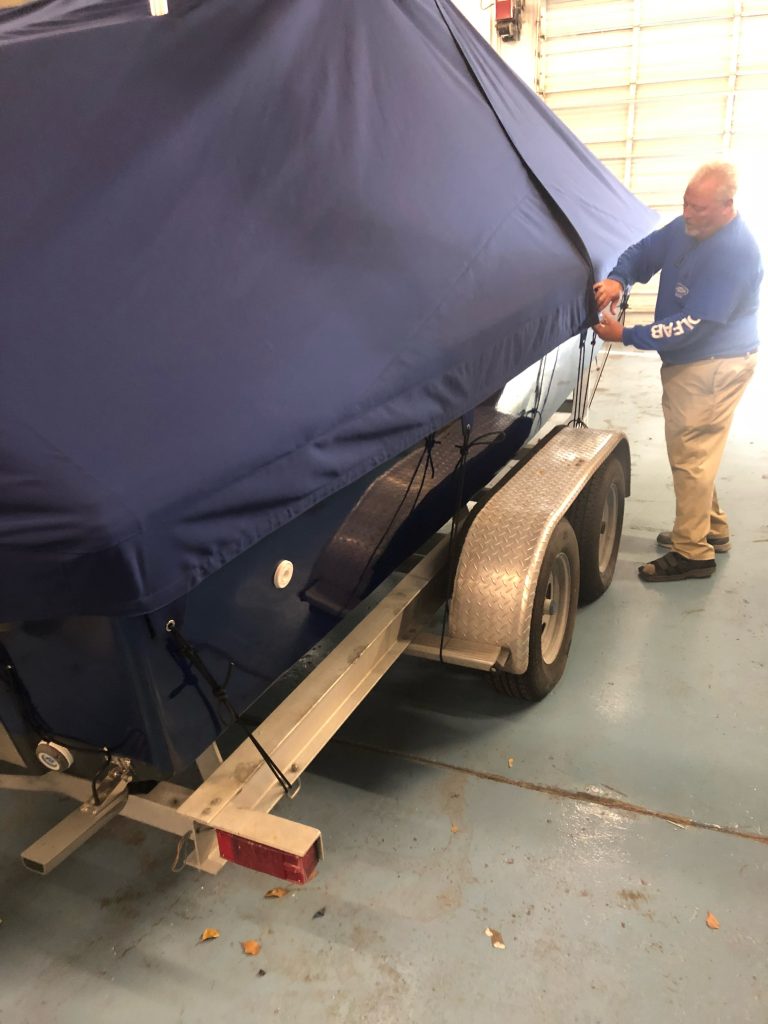
Winterizing, he said, is about more than freeze protection. Corrosion is an equally big threat. Replacing the water in the cooling system with antifreeze not only prevents freezing, it coats metal surfaces to stop rust. “You want antifreeze in there for the anti-corrosion protection as much as the freeze protection,” he said. He also stressed the importance of stabilizing fuel before long storage, since untreated gas can break down and draw in moisture that causes rust or clogs injectors.
When asked about mistakes, Maass didn’t hesitate: “Putting it off,” he said. “People wait until it’s too late.” That delay can lead to cracked blocks and ruined gearcases—repairs that can cost thousands. His best advice was to treat the process like preventive maintenance rather than a chore. “Preventing a catastrophe to your boat will save you money in the long run,” he said. “Pulling it out and letting it sit without doing anything is a gamble.”
The Southern Grind: Year-Round Use, Year-Round Maintenance
A thousand miles south, Captain Christian Orfanello’s boats don’t get a break. He runs Sea Tow New Orleans, where the boating calendar doesn’t really have an “off” season. “We don’t winterize down here,” he said. “Our maintenance is year-round. I do everything every hundred hours—oil, gear lube, fuel-water separators, greasing, everything”.
Even though freezes are rare in Louisiana, Orfanello still takes precautions when the mercury dips. “If you do get a freeze, make sure your engine is trimmed all the way down so any water drains out,” he said. “If water freezes in the lower unit, it can crack seals or expand a shaft seal and cause leaks later.” Those brief cold snaps may be infrequent, but as he pointed out, “It only takes one to ruin an outboard.”
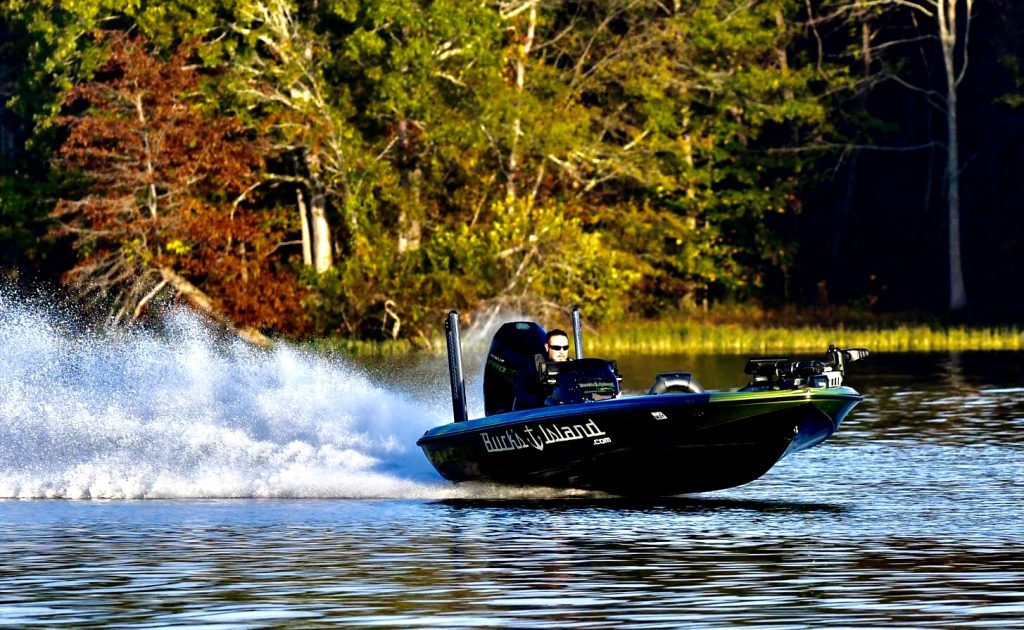
Heat, sun, and salt are his real enemies. “Nothing will eat the inside of a motor faster than salt water,” Orfanello said. “The best thing you can do is flush the engine after every use, hose down the whole motor, and rinse your trailer too.” He makes it a habit to rinse his boats before leaving the ramp, not after getting home, because corrosion starts when saltwater dries in contact with air. “The quicker you can get fresh water on it, the better,” he said.
That attention extends to trailers and electrical systems. He carries spare parts, checks hub temperature at every stop, and keeps a written maintenance log for every boat. “I’m old-school,” he said. “I have a notebook, and every time I do something, I write it down. I even date filters with a Sharpie.” It’s an obsessive level of care, but he hasn’t had a fuel-water issue since switching to a 100-hour service schedule. “Those separators cost twelve bucks. Change them three or four times a year, and you’ll never have water in your fuel,” he said.
Orfanello’s philosophy is that frequent use doesn’t excuse neglect. “A running motor is a happy motor,” he agreed, “but that doesn’t mean you skip maintenance. The guys who fish for a living or love it enough—they can’t afford downtime. Preventive maintenance is what keeps them on the water.”
Two Coasts, One Common Thread
Though their climates and challenges couldn’t be more different, both captains came back to the same principle: neglect costs more than maintenance ever will. Whether it’s fighting corrosion from road salt in Massachusetts or salt spray in Louisiana, the same rule applies—boats left unattended don’t get better with time.
Maass summed it up like a seasoned New Englander who’s seen one too many cracked blocks. “You could pull your boat out and leave it in the driveway and maybe it’ll be fine come spring,” he said. “But you don’t know. Taking a few steps now to prevent a catastrophe will only save you money.”

Orfanello, who’s spent decades pulling stranded boaters out of Louisiana’s marshes, had a similar take: “Having Sea Tow is peace of mind,” he said with a grin. “But nobody really wants to have to use it.”
In the end, whether you’re draining antifreeze through an engine in Cape Cod or flushing brine from a motor in the bayou, good maintenance is the key to keeping your next outing fun and uneventful.