
A hunter takes the shot with an unsafe backdrop, and someone gets hurt. A firearm malfunctions, which could have easily been avoided. An ATV rolls over, which didn’t have to happen. A hunter falls from a stand, because they weren’t following safety precautions. These and more are among the most common hunting accidents. Here are the top 12 most common hunting accidents, in no particular order, with ways to avoid them.
#1. Careless Weapon Handling
Archery and firearm equipment are only as dangerous as those who handle them. Unfortunately, some aren’t knowledgeable or careful enough around these hunting tools. Instead of being safe and making good decisions, they wield these in a manner that isn’t safe for them or anyone around them.
Solution: Wield bows, guns, and knives safely. Point weapons in safe directions. Don’t place them in unsafe places. Do everything the right way, and everyone will be safer.
#2. Weapon Failures
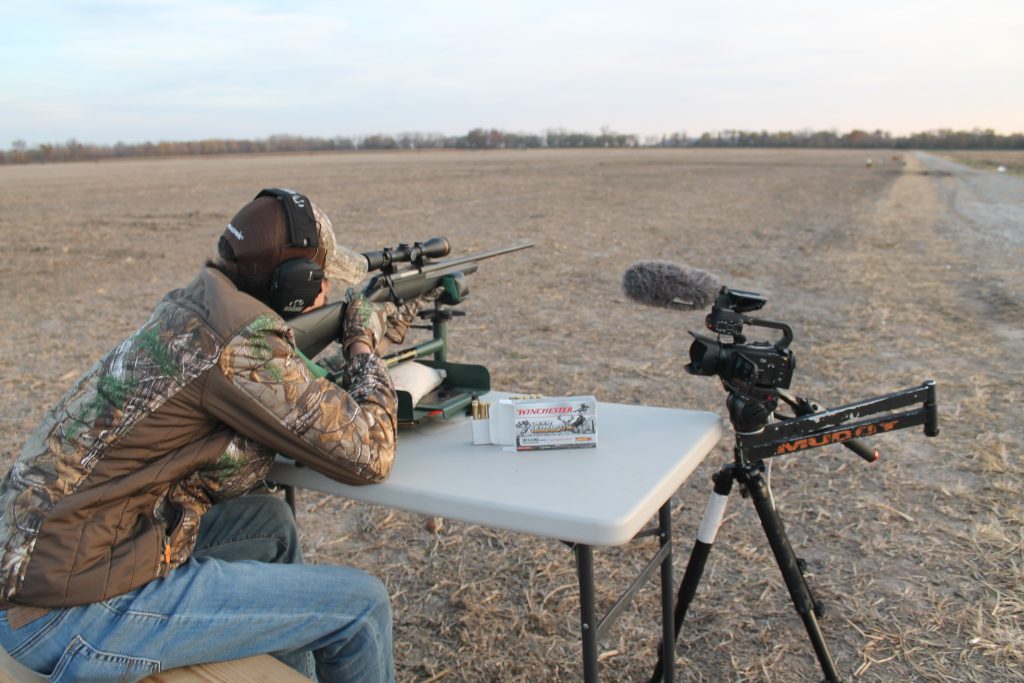
Although quite rare, weapons can fail. Usually, this is a result of a manufacturing defect, damage from use, damage from improper use, and more. Of course, a manufacturing flaw might be an improperly threaded rifle barrel, incorrect assembly, and more. Self-inflicted issues are more common, though.
These and more are causes for weapons failures:
- Failing to treat every gun as if it’s loaded.
- Failing to point it in safe directions.
- Not using the safety correctly.
- Failing to store the gun properly.
Solution: Failures rarely happen because of a manufacturing defect. However, it’s good practice to inspect the weapon when buying a bow or gun, especially if it’s in used condition. For example, with bows, check for cracked or splintered limbs, damaged risers, worn strings, etc. With guns, inspect for pitting in the barrel, cracked barrel or receiver, cross-threaded rifling, loose bolts and screws, and more.
#3. Accidental Firearm Discharges
An accidental firearms discharge can lead to significant problems, too. This can happen in a lot of ways. But failing to treat a firearm with respect is the primary cause. Forgetting to treat it as if it’s loaded can lead to problems quickly. Leaving a gun loaded when it shouldn’t be. Driving, walking, or crossing obstacles with a loaded gun. Placing your finger on the trigger at improper times. And other big mistakes can lead to sudden accidental discharges.
Solution: Avoid common hunting accidents. Treat every firearm as if it’s loaded. However, keep it unloaded unless actively hunting. Keep fingers away from triggers. Keep the safety on. Don’t place the gun in a position where another object could engage the trigger. Do these things, and more, and it will minimize risk of accidental firearm discharges.
#4. Misidentifying Targets
Another unfortunate occurrence is misidentifying targets. Thinking a target is a game animal, when it isn’t, can lead to grave mistakes. Pulling the trigger without completely identifying the target is a big mistake, even if it doesn’t lead to a negative outcome. Sadly, sometimes it does, though.
Solution: Be 100% certain of your target before pulling the trigger. Don’t risk taking a shot at something you aren’t sure of. Completely identify your target as the correct game animal. Other safety checks precede and follow that, but it’s an important step in the shooting process.
#5. Shooting Without Safe Backdrops
Shooting at a game animal without a safe backdrop can also lead to hunting accidents. For example, a deer standing on a hilltop, with nothing but skyline behind it, doesn’t provide a backstop for the bullet or arrow. Taking that shot risks hitting non-target objects beyond the target animal. Hunters taking these shots have led to other people, pets, and livestock being injured or killed.
Solution: Ensure a safe backdrop beyond your target. Do not take shots at game that are sky-lined along hill tops. Don’t take unsafe shots if anything is beyond them (people, livestock, vehicles, roads, homes, buildings, etc.). Only take the shot if there’s bare ground and no other objects downrange.
#6. ATV and UTV Accidents
Wrecking an ATV or UTV is another risk. Operating these vehicles in unsafe manners are causes for significant issues. Driving these in reckless manners includes traveling too fast, traversing unsafe terrain, riding without a helmet and other safety equipment, and more. It’s easy to wreck in the simplest and seemingly safest of situations.
Solution: Read the ATV or UTV manual and follow guidelines. Use proper safety equipment, including a helmet. Ride at safe speeds along safe terrain. Don’t haul or carry loads that are too large for the vehicle.
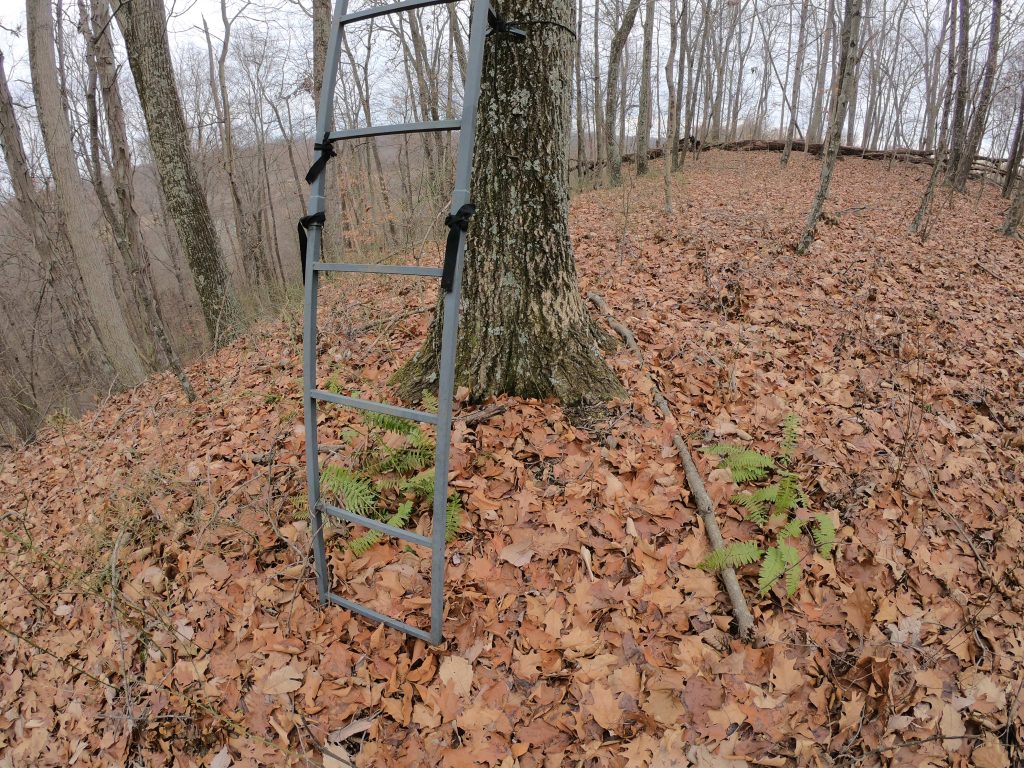
#7. Treestand Falls
The most common hunting accidents aren’t ATV, UTV, or weapons related. They are tied directly to treestand use. The most common cause for injury and death while hunting is a fall from a treestand, or other elevated hunting platform. Improper use and maintenance of treestand equipment is the primary cause for this.
Solution: Wear a safety harness. Furthermore, install safety lines for each treestand location. (Use a safety harness and lineman’s belt until the safety line is in place and ready for use.) This system ensures you are tied in while climbing up the tree, stepping onto the treestand, sitting or standing in the treestand, stepping back onto the ladder or steps, and climbing back down.
#8. Falling from Other Heights
Treestands, tree saddles, and elevated hunting blinds aren’t the only fall-related challenges. Falling from other heights poses risks, too. Examples include mountain bluffs, steep ridge lines, slippery creek beds, wet rocks, and more. A myriad of risks can lead to falls in the outdoors.
Solution: Study hunting apps, such as HuntStand, for steep, dangerous topography. Be knowledgeable of your hunt area. Don’t walk anywhere for the first time in the dark. Go into new areas in daylight to better understand the lay of the land.
#9. Getting Lost
Getting lost isn’t as common as it once was. Today, most hunters have GPS units, and maybe even maps. These make it less likely to occur than before the dawn of modern hunting technology. That said, it still happens, and getting lost can lead to serious illness, injury, or death, while hunting.
Solution: With modern GPS hunting tools, such as HuntStand, it’s less likely people get lost. However, it can still happen. Always carry a GPS-based tool during the hunt. Furthermore, tell someone the general area you plan to be. That way, if you do get lost, they’ll know where to start looking.
#10. Hypothermia
One of the more common hunting accidents is suffering from hypothermia. This is when the body temperature drops too low, and ultimately, you freeze to death. The body temperature falls to below 95 degrees. If this continues for extended periods, it can lead to permanent damage or even death.
Solution: Stay out of water. Try not to sweat too much. Carry first aid items, such as fire starter, emergency blankets, and more. End the hunt and call for help the moment you start feeling off.
#11. Severe Cuts and Lacerations
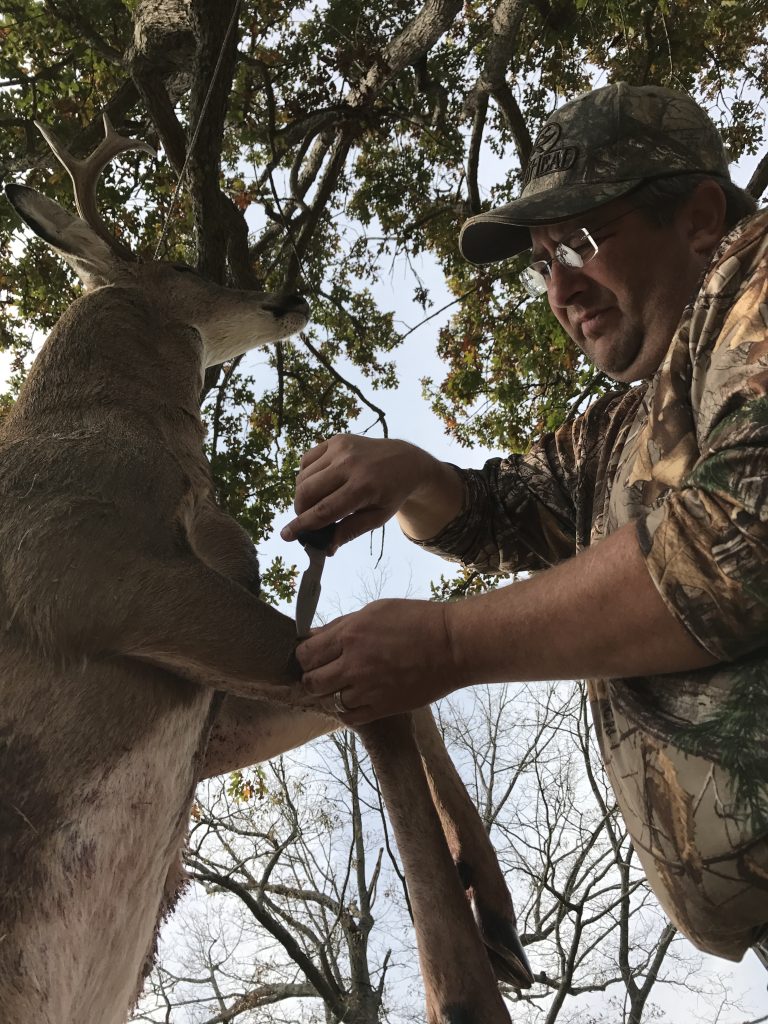
Any number of things can cause severe cuts and lacerations. Hunting knives, skinning knives, broadheads, sharp sticks, sharp rocks — the list is endless. Without question, severe cuts and lacerations are very real possibilities. These pose big risks.
Solution: Handle knives safely and with protective gloves. Be careful around sharp objects, such as broadheads, broken sticks, pointed rocks, and more.

#12. Animal Attacks
One of the rarest on this list, animal attacks do contribute. This is especially true for areas that house a lot of predators. Grizzly bears, black bears with cubs, mountain lions, wolves, snakes, and others, can attack one or multiple members of a hunting party.
Solution: Carry bear spray in your hunting pack. This should help with most animal attack situations. Of course, keep an eye and ear out for those pesky venomous snakes.
Tips to Stay Safe
As you can see, there are a plethora of things that can go wrong during the course of a day afield. While the odds of any particular thing happening may be low on a given day, risks stack. The more time you spend in the woods, the greater the chance of “having your number called.” Luckily, there are some relatively simple ways to mitigate risks.
Hunter’s Education
Take a hunter’s education course. Learn the nuances of safe weapons handling. Learn the ins and outs of proper shot taking. Understand how to use treestands safely. Ultimately, archery education and hunter’s education are safety-based courses that teach hunters vital information. Get certified in these areas, and find a mentor, before going hunting.
Wilderness First Air
Taking a wilderness first aid course can also be invaluable for anyone planning to spend time in remote areas. The Red Cross offers several courses, including the Online Basic First Aid class and the Wilderness and Remote First Aid Course. These programs provide essential knowledge and skills for wilderness well-being and effective treatment of illness or injury. Additionally, part of any wilderness trip should include creating a detailed trip plan that is given to a responsible person who can notify authorities if you do not return as expected or if an emergency arises.
AirMedCare Membership
Lastly, joining a reliable and efficient air ambulance and evacuation service can be a lifesaving step for those who venture far afield. AirMedCare is a program that provides evacuation services for those in need due to an accident or illness. Membership is a small price to pay for the assurance of a quick, safe trip to medical facilities when needed. AirMedCare Network (AMCN), the country’s largest air ambulance membership provider, ensures that when you are treated and transported by their network’s highly qualified emergency medical crews, you pay nothing out of pocket for this life-saving service.