

As a landowner, you most likely have plans on how you would like to see your property developed. Maybe you just purchased a few acres to build that country homestead. Maybe you bought a larger parcel with hopes of doing some farming, timber harvesting, building a pine-straw business, a hunting camp, or simply a country retreat. You may have plans to construct a pond or even build that barndominium or dream home. Whatever your objectives, you will most likely have to invest in improvements to make the property conform to your needs and meet its potential. And to do so, you may need land improvement loans to carry out that vision.
Those improvements might look like road construction so you can reach the far corners of the property, upgrades to an existing bridge, or clearing and thinning to open up crop ground or food plots and then replanting what you removed. It could be running utility lines, building a pond, or tackling habitat work that makes the place more usable and more valuable at the same time.
Seeking A Financial Institution For Land Improvement Loans
1916 was an interesting year for the USA. We were in the middle of World War I overseas, and less than a year away from entering it ourselves. General “Black Jack” Pershing was down in Mexico chasing Pancho Villa, and Woodrow Wilson had just been reelected to a second term. That same year, Congress created the Farm Credit System, a network built specifically to serve rural America.
Today, First South Farm Credit operates within that Farm Credit System and focuses on financing for rural landowners and ag customers across Alabama, Louisiana, and Mississippi. In recent reporting, First South has described a network of 44 branches serving about 11,000 member borrowers, with loans outstanding totaling more than $2.9 billion.
To get the inside track on how First South Farm Credit can assist landowners who want to improve their property I interviewed Taylor Hart, the manager of the FSFC office in Opelika, Al.
“If you are playing or working in the dirt, we want to be in there with you as long as you are improving the value of that dirt, which is the collateral for the loan,” Hart said. “Whether it be roads, barns, ponds, timber management as in thinning or clear-cutting, controlled burns, or establishing wildlife habitat. We also finance the construction of homes and even barndominiums.”
Hart explained that each land improvement application is unique and is evaluated on an individual basis. Based on the circumstances, terms and rates may vary. Still, a basic rule of thumb is that First South Farm Credit, depending on the project and the specifics, can typically finance for up to 30 years and loan up to 85% of the value.
“We can either use a cash contribution or, if you own the property free and clear, we can use the land as collateral in lieu of a down payment for the loan,” Hart said. “It really all depends on the nature, scope, and intricacies of the project.”
According to Hart, typically, the shorter the term of the loan, the lower the interest rate is going to be. With big-ticket items, the longer term may be more attractive in order to keep the payments a bit more manageable. On smaller loans, shorter terms allow for a quicker payoff. There is also no prepayment penalty with this type of loan for improvements on the land.
What Can Be Financed For Land Improvement Loans
Road Construction and Repair
“’The road, trail, or even small bridge construction, or repair, may increase the value of the property by allowing easier access, increasing the utility of the parcel and expanding the opportunity to take advantage of the recreational opportunities,” Hart pointed out. “If you have a piece of property with no internal road system the only way to move around the property is on foot. Opening up some roadways is an opportunity for increased access which adds value to a property.
Timber Management and Property Clearing
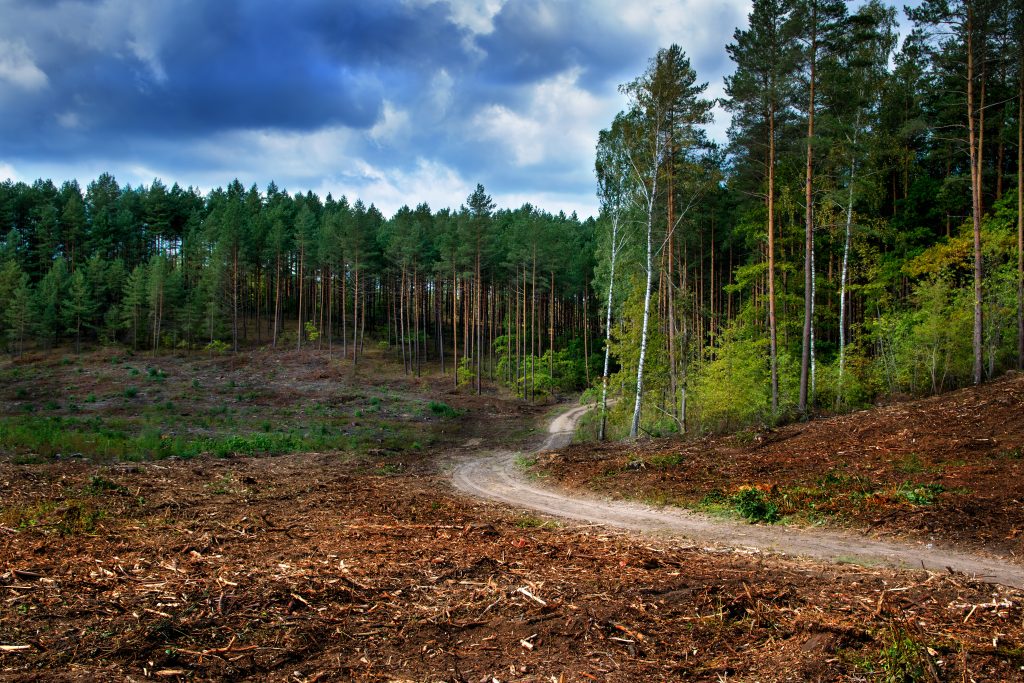
If you own an appreciable amount of timber you may want to use it as a long-term renewable revenue stream and harvest that wood either on a specific section basis or by selective cutting. If you go forward on a clear-cutting basis, you can turn that timber-harvested acreage into agricultural land, food plots, or replant seedlings.

In addition, regardless if it is clear-cut or selectively harvest your timber, that “staging area” or loading ramps where trees were loaded onto log trucks once everything is cleared out are perfect spots for wildlife food plots.
Pond Construction
First South can also finance the building of ponds. “The general thought is that any type of water feature increases the value of a property whether it is for fishing, duck hunting, or irrigation of crops. Water has a way of relaxing people. We typically look at the cost as well as the value that will be added by the water feature,” Hart said.
Collateral Improvement
When I use the term “collateral” I am referring to things of value on a tract of land. It may be pine straw harvest, replanting of seedling trees when you selectively harvest trees, clear cut to open up areas for agriculture or food plots, controlled burns, or even creating fire lanes.
“In terms of pine straw harvest, typically you have to have longleaf pine and the implementation and management of the operation increases the value of the property because you have developed a stream of income,” Hart pointed out.
“Replanting isn’t going to visually enhance the property and it will be based on a long-term investment basis which is most likely going to be a 30-year program. It can add value to a property and, depending on the specifics, we can provide financing,” Taylor said.
“Conducting controlled burns which gets rid of the underbrush and puts carbon back in the soil benefits tree growth and wildlife habitat and we can support that effort,” Hart explained. “Most of our control burn people have access to government programs to enhance and improve timber stands.”
Home Construction
Regardless of whether you want a “brick and mortar” home or a “Shouse / barndominium” First South Farm Credit can help. Depending on the individual profile and the amount of equity in the property FSFC can typically loan up to 85% of the value with terms to be decided based on the creditworthiness of the borrower.
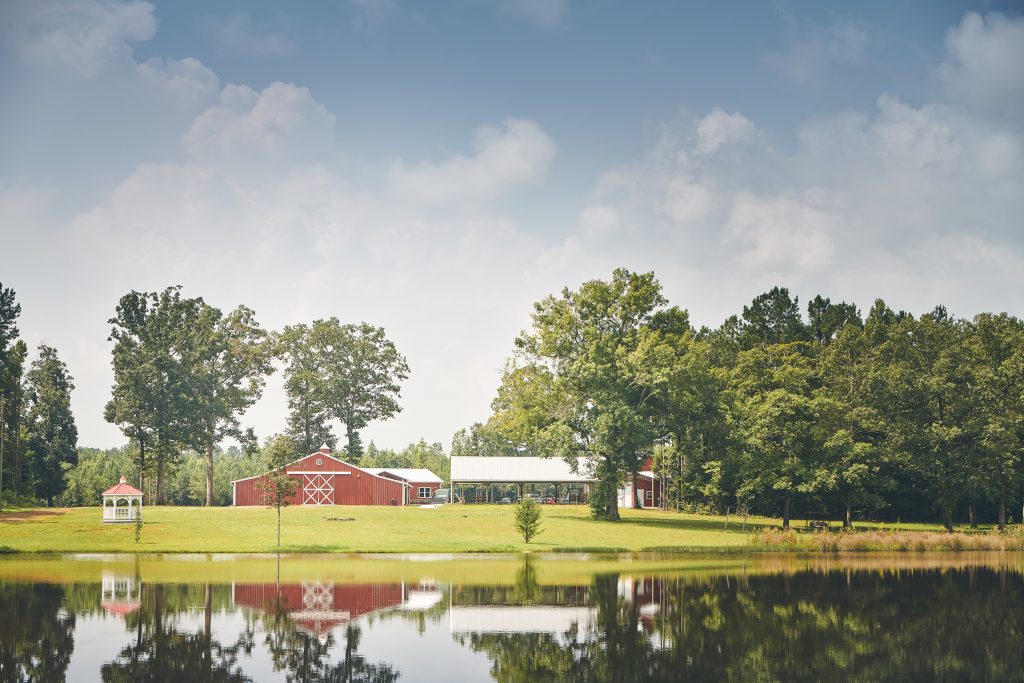
Over the last few years, more buyers have looked hard at rural living and country property, whether it’s for space, privacy, recreation, or the flexibility to live farther from town than they once would have considered.
Standard Financing Terms
A 15% down payment can take the form of cash or the actual owned “free and clear” property. First South will typically take the whole tract unless the land owner wants to survey out a smaller portion. This usually comes with a cost the landowner does not want to incur.