

For many buyers, the first experience with borrowing money comes through a home mortgage. They know the basic rhythm. Find a house, make an offer, gather pay stubs, tax documents, bank statements, and W-2s, then work through the process with a lender until closing day. Loans for land can look similar on the surface, but buying land is not the same transaction.
A piece of rural land is not just a house without a house on it. It may be a hunting tract, timber investment, future homesite, small farm, poultry operation, pasture, row crop property, recreational getaway, or a few acres outside town where a family can spread out. It may have road frontage, timber value, poor access, water issues, title problems, old family ownership complications, or income potential. It may be bought for enjoyment, business, investment, or some combination of all three.
That is why the question of who makes land loans matters.
Taylor Hart, who runs a branch for First South Farm Credit and has been with the company since 2011, said land lending can cover a wide range of buyers and property types. Before joining First South, Hart sold rural real estate with Mossy Oak Properties, which gave him a background in the kind of land many rural buyers are looking for.
When someone calls about a land loan, Hart said the first job is not just to quote a rate or ask for a purchase price. It is to understand what the buyer is trying to do.
“Some folks are looking for land with timber potential,” Hart said. “Some folks are buying it for recreational purposes. We have some guys that want to buy a piece of property and start a poultry farm business. All the way down to, ‘Hey, I just want to buy five or ten acres out in the country and build my home and do my thing.’”
That wide range is what makes land financing different. The property itself matters, but so does the buyer’s plan for it.
Not Every Lender Looks at Land the Same Way
Many banks and lending institutions may be able to make a land loan. But that does not mean every lender approaches rural land the same way.
Hart said companies like First South specialize in land loans. That specialization matters because rural property is not a side category for them. It is the core of what they do.
“There are some companies like us who specialize in land loans,” Hart said. “That’s our wheelhouse. That’s what we do. That’s what we’ve always done.”
A commercial bank may still make a land loan, but Hart said some lenders may require more money down simply because rural land is not their comfort zone. A lender that primarily handles houses, commercial buildings, or in-town properties may not have the same feel for timberland, farmland, hunting land, rural appraisals, road access, title work, or local land values.
For Hart, the comparison is simple.
“If you have heart problems, you’re not going to go to the chiropractor,” he said. “If you have heart problems, you want a heart doctor, right?”
In other words, a land buyer may be better served by working with someone who deals with rural property every day. A lender who works in that world regularly may be more familiar with how land is valued, what problems slow down closing, what kinds of appraisals are needed, and how to structure the loan around the buyer’s actual purpose.
“We understand the intricacies of it,” Hart said. “We understand the value of it. We understand the potential problems. We have our own appraisers that do rural property. We understand the title search process.”
A Land Loan Starts With the Buyer’s Goal
One of the first things a lender needs to know is what the buyer plans to do with the property.
A family buying 10 acres for a future home has different needs than a farmer expanding a row crop operation. A buyer purchasing timberland as a long-term investment is not the same as someone who wants their own place to hunt this deer season.
Hart said that intended use helps guide the conversation.
“It’s good for us to know if a property is going in for either a purchase or investment for recreational purposes and enjoyment versus if they’re going into this to try to make a living by either poultry or cattle or row cropping or whatever they’re going to do,” he said.
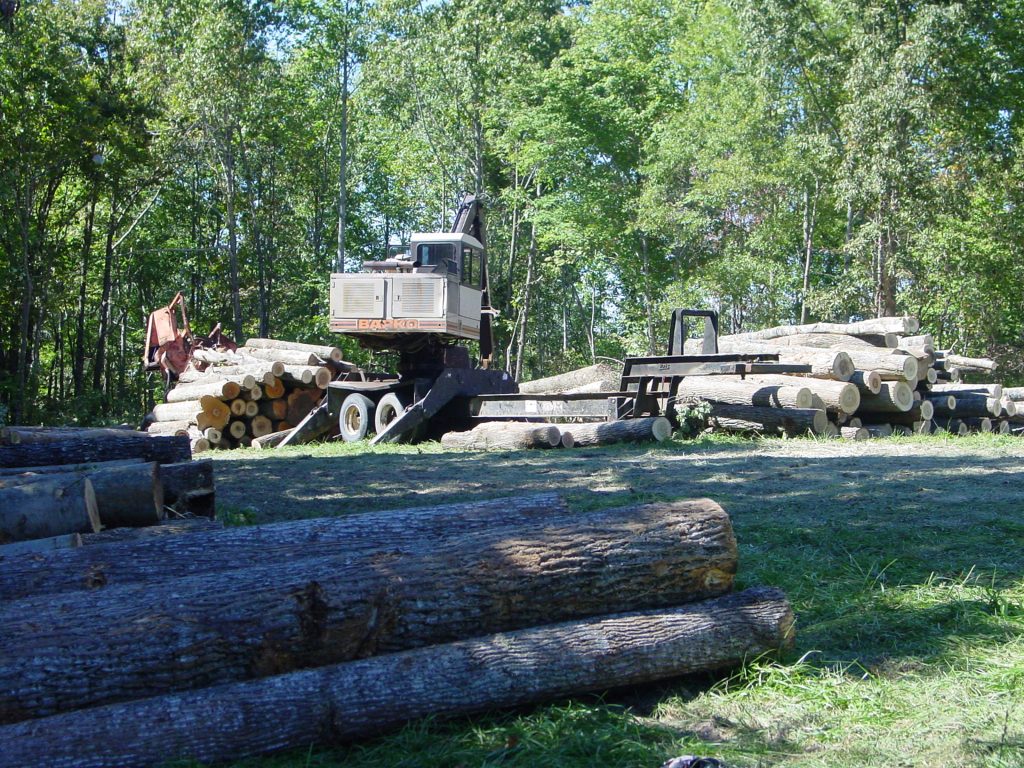
The biggest question is repayment. If the land is mainly recreational, the lender is likely looking at the buyer’s outside income and overall financial strength. If the land is supposed to produce income, the lender has to look at whether the buyer has experience, whether the operation is realistic, and whether there is enough income to support the loan.
Hart gave the example of someone who wants to buy land for a poultry operation without any poultry experience.
“If you show up today and want to buy one hundred acres of real estate here as a poultry person, but you’ve never worked in the poultry business, it’s going to be difficult,” he said.
That does not mean a buyer cannot pursue a farm business. It means the lender is going to ask more questions. Does the buyer have experience? Is there an off-farm job that can support the payments until the farm begins generating income? Does the plan make sense? Where will repayment actually come from?
“It all gets back to the old ability to repay,” Hart said. “How are we going to get that repayment? Where is that going to come from?”
For land buyers, that is an important point. The dream matters, but the numbers still have to work.
Talk to a Lender Earlier Than You Think
A buyer does not have to wait until a property is under contract to talk to a lender. There are clear advantages to talking with a lender before spending months looking at property. Hart said most real estate agents want buyers to already have some relationship with a lender before they start making offers. A prequalification can help the buyer understand what price range or acreage range is realistic.
It also keeps everyone from wasting time.
“If you are out here looking at four or five hundred acres, but you need to be looking at fifty to one hundred acres, you are wasting a bunch of people’s time,” Hart said. “If you know that your price point is at one hundred acres, then you don’t go looking at things that you can’t touch right now.”
That may sound obvious, but it is easy for land buyers to get carried away. A listing catches their eye. The photos look good. The road system is in place. There is a creek, a pond, good timber, and plenty of deer sign. But if the property is far outside the buyer’s real budget, the excitement is not useful.
A lender can help narrow the search before the buyer falls in love with the wrong tract.
What Buyers Should Bring to the First Conversation
The first conversation with a land lender is partly about the property and partly about the buyer. Hart said he wants to understand what the buyer wants to do, what their goals are, and what kind of land they are looking for.
“What you’re going to use, what your dreams are,” Hart said. “And then as I listen to that and get a feel for what you’re wanting to do, then I know which way we need to take the conversation.”
From there, the process starts to look more familiar to anyone who has borrowed money before. A lender will need an application and financial information. That may include tax returns, pay stubs, bank statements, financial history, and other documents depending on the size and type of loan.
For a buyer with a regular paycheck and simple finances, that part may be fairly straightforward. For someone who owns businesses, has multiple LLCs, or earns income through several different entities, the paperwork may be more involved.
Hart said a buyer with multiple companies should be ready to provide financial information for any entity where they may have a contingent liability.
“Multiple LLCs that own different types of businesses,” Hart said. “In those situations, they should be prepared to provide financial information on anything where they may have a contingent liability.”
That may include business tax returns or records for companies that own property, borrow money, or create obligations that affect the buyer’s overall financial picture. The point is not that business owners cannot get land loans. The point is that they should come prepared for a lender to ask for a fuller view of their finances.
Title and Access Can Slow a Loan Down
Most buyers think first about price, down payment, interest rate, and monthly payment. Those things matter, but Hart said one of the most common reasons a land loan gets delayed is title trouble.
“Number one is if it has title issues,” he said.
Title work is the legal process of making sure the seller actually has the right to sell the property and that the ownership history is clean enough for the transaction to close. Hart said attorneys may look back 40 or 50 years.
In rural areas, title issues can come from old family land, deaths that were not handled properly through probate, or property that passed informally through generations without the legal cleanup needed to sell it.

“Sometimes, if there has been a death in the family and the family has not done their due diligence to probate a will correctly, then you have a family member trying to sell a piece of property that they really don’t own because they didn’t get it cleaned up when somebody died years ago,” Hart said.
That kind of problem can take time to fix. In some cases, it can stop a sale completely until the legal issues are handled.
Access is another common problem. A property may look attractive, but if there is no legal way to get to it, the loan and sale can become more complicated.
For buyers, this is another reason to work with rural real estate agents, attorneys, and lenders who understand land. A cheap tract with bad access or messy title may not be the deal it appears to be.
Keep Your Financial House in Order
One of the biggest mistakes Hart sees has nothing to do with the land itself. It is buyer timing.
A buyer may be financially capable of buying land, but then make a large purchase right before applying for the loan. A new truck, a new house, a co-signed loan for a family member, or large credit card balances can change the picture.
Hart said he has seen buyers come in to borrow money for land, only for the lender to discover a recent major debt.
“They just bought an eighty-five-thousand-dollar truck a month before and didn’t tell anybody,” he said. “Or they just purchased a house, or they helped their kids purchase a house that we didn’t know about.”
Those may not be bad decisions on their own. But timing matters. If a buyer is about to apply for a land loan, new debts can affect credit, debt-to-income ratios, and the lender’s view of repayment ability.
“You just need to make sure that your financial house is in order,” Hart said.
That means buyers who hope to purchase land in the next year or two should start preparing early. They should watch their credit, avoid unnecessary debt, save for a down payment, gather financial documents, and talk with a lender before making big financial moves.
Do Your Homework Before You Buy
A land buyer should not start with only a vague idea of wanting acreage. Hart said buyers need to think through what kind of land they want, where they want it, and how they plan to use it.
“If you come to me and say you are going to buy a piece of land in the next year or two, I am going to say, ‘Do your research, do your homework. What type of land do you want? Where do you want that land to be? How far are you willing to travel to get to work if you intend to live their full time? Or how far are you willing to travel to go enjoy the land if it’s a weekend retreat?’”
That homework matters because land is not just a financial purchase. It is a lifestyle purchase.
A hunting tract three hours away may sound fine until the buyer realizes they rarely have time to use it. A future homesite may look perfect until the family thinks through school, work, hospitals, groceries, and daily driving. A farm dream may be exciting until the buyer looks closely at the experience, equipment, time, and income needed to make it work.
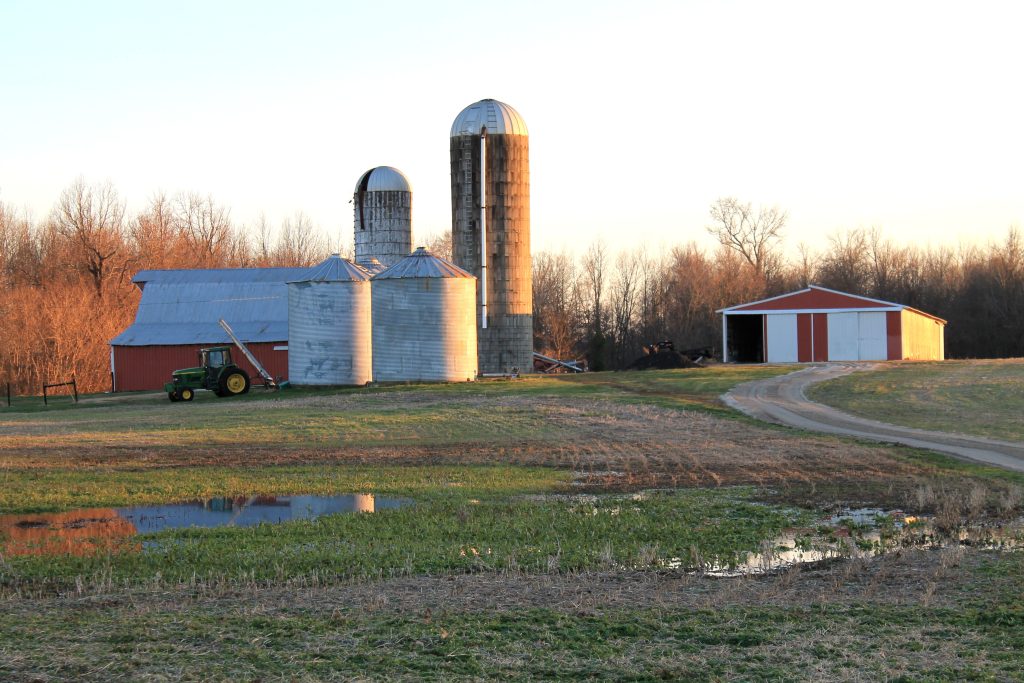
Hart also recommends using the knowledge of rural real estate agents.
“Rural real estate agents are already familiar and can answer a lot of questions that an individual may not even know how to ask yet,” he said.
That may be one of the most useful pieces of advice for a first-time land buyer. There are professionals who work in rural land every day. Lenders, agents, attorneys, foresters, and appraisers may all see things a new buyer would miss.
“Use that knowledge,” Hart said. “Figure out who’s got the knowledge and go pick their brain. Don’t try and figure it out all by yourself, because you probably don’t know what questions you need answers to if it’s your first time.”
Involve the Family
One of Hart’s strongest pieces of advice has little to do with lending paperwork. He said buyers should involve their family early, especially if the land is being bought for recreation or enjoyment.
“I’ve seen guys go buy a piece of property, and they don’t involve anybody else in their family,” Hart said. “But I think if you are buying it for enjoyment, I mean…the whole family’s going to be the one enjoying it, so get them involved early.”
That can be easy to overlook. A buyer may be thinking about deer, turkey, timber, a pond, a future cabin, or a place to get away. But if a spouse or children do not enjoy the property, do not feel safe there, or do not want to spend weekends that far from home, the land may not serve the family the way the buyer imagined.
Hart called land one of the biggest investments many people will make.
“If you are putting a pile of money down on a piece of dirt, you need to make sure everybody’s on board,” he said.
That is especially true when land is being bought as a family legacy. The best tract is not always the biggest tract. It may be the one the family will actually use, care for, and enjoy together.
The Main Lesson for Land Buyers
The biggest mistake a buyer can make is treating land like a simple version of a home purchase.
Land has its own language. It has its own risks, values, and opportunities. A buyer needs to understand access, title, intended use, appraisal, improvements, income potential, and financing options. They also need to understand themselves. What kind of land do they really want? How far are they willing to drive? Who will use it? Is it for recreation, income, investment, family, or a future home?
The financing process does not have to be intimidating. Hart said a land loan can often be simpler and more streamlined than buyers expect, especially when they work with people who understand rural property.
But the process works best when the buyer starts early, asks questions, keeps finances clean, and leans on professionals who deal with land every day.
A good land purchase begins before the contract. It begins when the buyer figures out what they want, what they can afford, who can help them, and whether the land truly fits the life they are trying to build.