
In hurricane-prone regions, your roof is your first line of defense. High winds, heavy rain, and flying debris can destroy a weak roof in no time, leading to serious damage inside the home. Choosing the right roofing material, such as metal roofs vs shingles, can make a big difference when storms hit.
The Hurricane Challenge: What Roofs Are Up Against
Hurricanes bring a brutal mix of challenges: winds often topping 100 mph, rain that gets shoved sideways and upward, and flying debris that turns everyday objects into missiles. Roofs have to stand up to wind trying to rip them off (uplift resistance), rain trying to sneak under edges, and impacts that can punch holes through weaker materials.

In coastal regions, building codes now demand roofing systems that can resist extreme wind and water forces. But even among materials that meet the minimums, some stand out more than others when the pressure’s on.
Metal Roofs: Strengths and Weaknesses
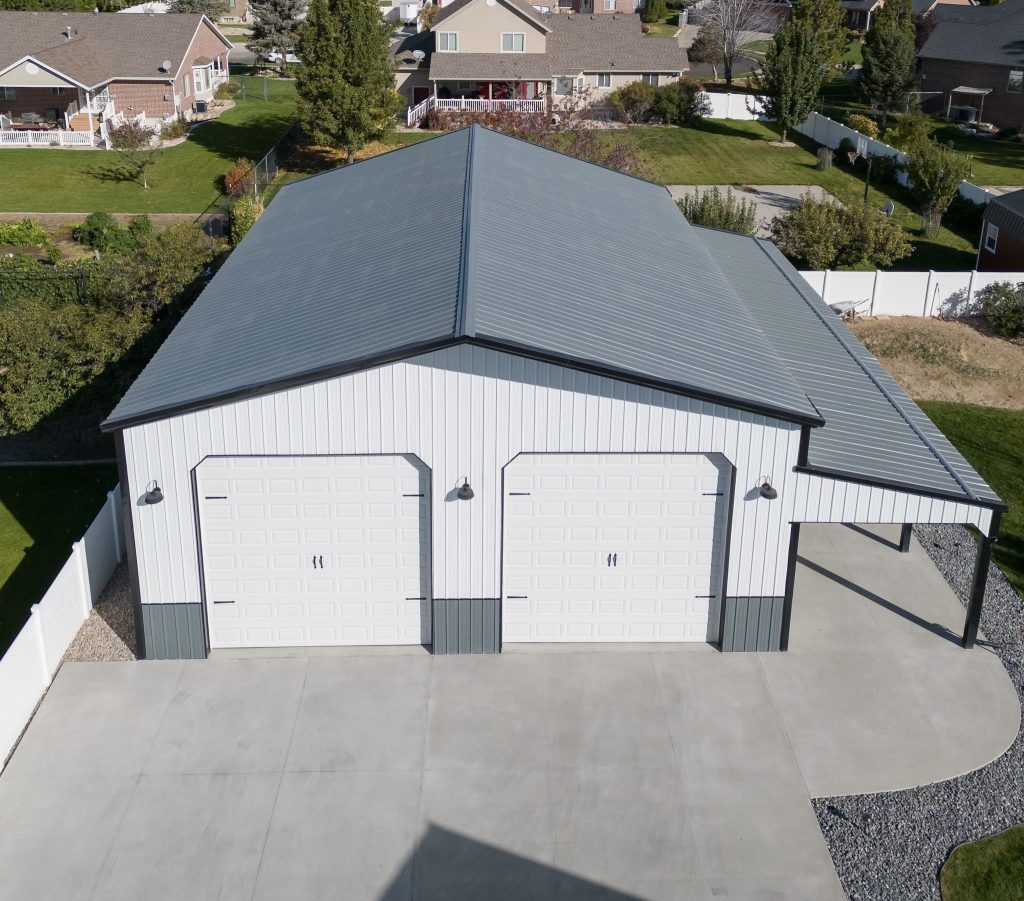
Metal roofing has a reputation for toughness, and it’s well-earned. One big advantage is wind resistance: many modern metal roofs can handle gusts up to 140–150 mph when properly installed. The interlocking panels leave fewer edges for wind to grab, and when fastened correctly, they’re incredibly hard to peel off. Metal also sheds water quickly, thanks to its slick surface and raised seams that keep wind-driven rain from sneaking in. Plus, metal roofs have a long lifespan — often 40 to 70 years — and are naturally resistant to fire, mold, and rot.
However, metal roofs come with a higher upfront cost — often significantly more than asphalt shingles, depending on the metal type, roof complexity, and installation requirements. Installation is trickier, too, requiring skilled labor to account for expansion, fastener placement, and flashing details. Without proper attic insulation, a metal roof can sound noisy during rainstorms, although modern homes usually dampen this. Another consideration near saltwater: choosing the right type of coated steel or aluminum to avoid corrosion over time.
Shingles: Strengths and Weaknesses
Asphalt shingles are still the most common roofing material across the country. Their biggest advantage is cost: they’re far cheaper to install than metal and much quicker, too. Shingles are easy to find, easy to repair, and come in just about every color you can imagine. High-quality architectural shingles can even mimic the look of wood shakes or slate.
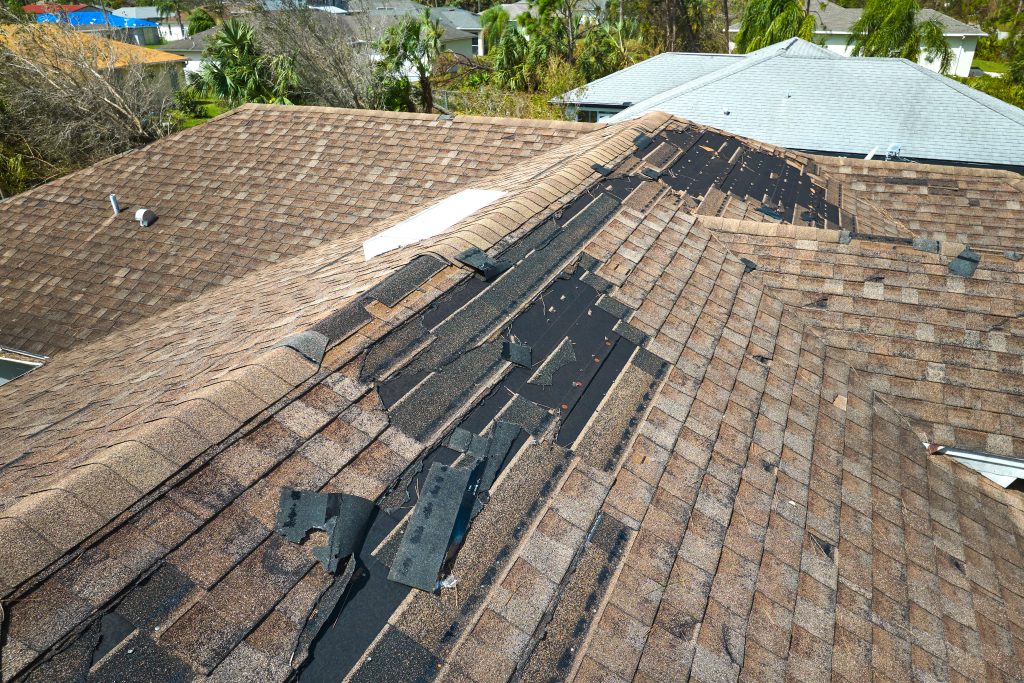
But in a hurricane, shingles can struggle. Each shingle is an individual piece, and if wind gets under even one edge, it can rip up sections quickly. Older or poorly installed shingles are especially vulnerable. While some premium shingles are rated to withstand winds up to 130 mph, standard shingles often start having problems at lower speeds. Once shingles are damaged or missing, water can easily seep through and cause bigger problems underneath. Shingle roofs also have a shorter lifespan — usually around 20–30 years — and tend to need more maintenance over time, especially after storms.
Cost-Effectiveness: Upfront Investment vs. Long-Term Value
When it comes to cost, shingles win the battle at the start. A new shingle roof might cost half, or even a third, of what a metal roof costs. That can be a big deal for families watching their budgets. But when comparing metal roofs vs shingles over time, the picture changes. A shingle roof may need replacement once, maybe even twice, in the time a metal roof lasts. Factor in potential hurricane damage and insurance premiums, and metal often looks smarter for the long haul.
Insurance companies sometimes offer discounts for stronger roofs. In Alabama and other Gulf states, having a metal roof or a fortified shingle roof can earn you wind mitigation credits that lower your homeowner’s insurance bill. Insurance companies sometimes offer discounts for stronger roofs. In Alabama and other Gulf states, a FORTIFIED Roof designation, impact-rated shingles, or properly rated metal roofing may qualify homeowners for wind mitigation credits, depending on the carrier and policy. Contact your insurance agent before choosing a roof system so you know what discounts may apply. Over 20 or 30 years, those savings can really add up.
In Alabama, homeowners may also want to look into the Strengthen Alabama Homes program, which helps eligible homeowners upgrade to the FORTIFIED Roof standard.
The bottom line: if you plan to stay in your home for decades and can afford the initial cost, metal often wins on value. If you’re likely to move in a few years, or if budget is tight, a high-quality shingle roof can still be a smart choice — just make sure it’s properly rated and installed.
Maintenance and Repairs: What to Expect Over Time
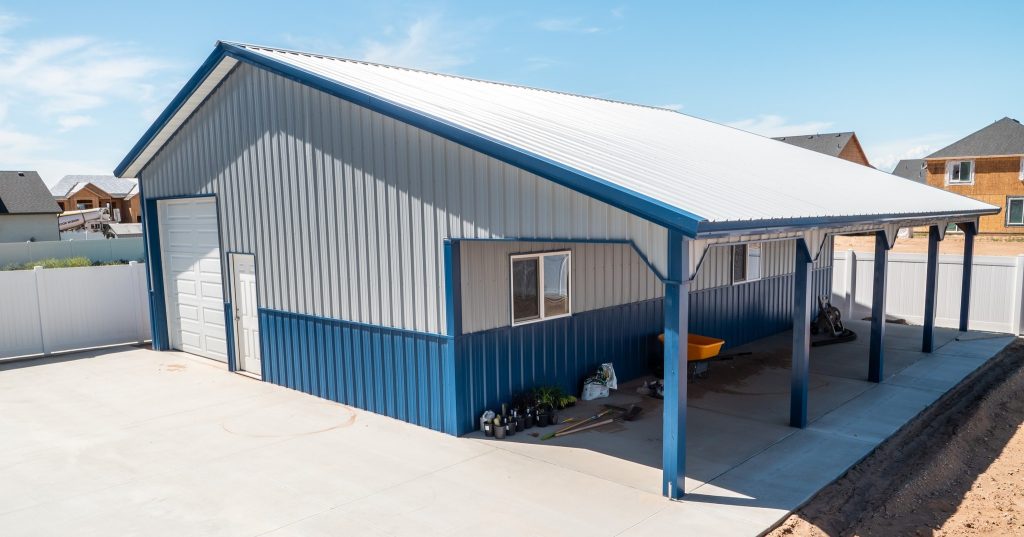
Both types of roofs need some upkeep, but metal generally asks for less. Homeowners with metal roofs should check for loose fasteners, worn coatings, or debris buildup once or twice a year, especially after a big storm. Otherwise, there’s not much to worry about.
Shingle roofs, on the other hand, need closer watching. High winds can lift shingles, and small problems can quickly turn into leaks. Regular inspections — especially after storms — are important. Look for missing or curling shingles, and keep gutters clear so water doesn’t back up onto the roof edge. In humid areas, algae and moss can grow on shingles, so occasional cleaning might be needed. If your roof suffers even minor damage during a hurricane, getting it patched quickly can save a lot of money later.
Choosing the Right Roof for Your Home
At the end of the day, both metal roofs and shingles have their place. Metal offers unmatched durability, wind resistance, and longevity — but costs more upfront. Shingles are more affordable and still offer solid protection if you choose high-quality materials and a skilled installer.
If you live right on the coast, plan to stay long-term, and want maximum peace of mind during hurricane season, metal is probably your best bet. If you’re inland a bit, budget-conscious, or planning to move in a few years, a high-quality shingle roof built to FORTIFIED Roof standards may be a smart choice.
Either way, the key is working with local pros who understand hurricane construction standards—folks who know how to match the right materials to the conditions your home will face. Around the Gulf Coast, that often means teaming up with suppliers who specialize in storm-ready products and know the ins and outs of local codes. Choosing between metal roofs vs shingles, for instance, requires insight into durability, wind resistance, and long-term maintenance. For many Gulf Coast builders and roofers, Dixie Supply is one of the names that comes up again and again.
In hurricane-prone areas, the roof covering is only part of the equation. Proper fastening, flashing, edge details, underlayment, and a sealed roof deck can be just as important as the material itself.
About Dixie Supply
Dixie Supply and Baker Metal has built a reputation across the Gulf Coast as the go-to source for hurricane-ready roofing materials. Whether you need wind-rated shingles, custom metal panels, or all the little extras like flashing and fasteners, they’ve got you covered. Builders who work with Dixie know they’re getting top-quality products that meet the strict standards needed for storm-prone areas. Plus, with their knowledgeable team and strong ties to manufacturers like Baker Metal Works, Dixie Supply helps make sure homes are built to stand strong when hurricanes come calling.
Conclusion
No matter which roofing path you choose—metal roofs vs shingles—remember that a strong roof isn’t just a home improvement; it’s a layer of protection between your family and the worst weather the Gulf can throw at you. The storms will come, but the damage doesn’t have to. Choosing the right material, working with trusted professionals, and investing in products built for our unique coastal challenges can make all the difference when the wind starts howling. In hurricane country, peace of mind starts at the top.