

When it comes to protecting your investments, rust is one of the biggest threats to the long-term health of cars, boats, UTVs, and tractors. Whether you’re dealing with road salt in the winter or saltwater exposure on your boat, rust can creep in and weaken the structural integrity of your machines. This guide will take you through everything you need to know about rust prevention, helping you keep your vehicles and equipment in top condition for years to come.
Understanding Rust: How and Why It Forms
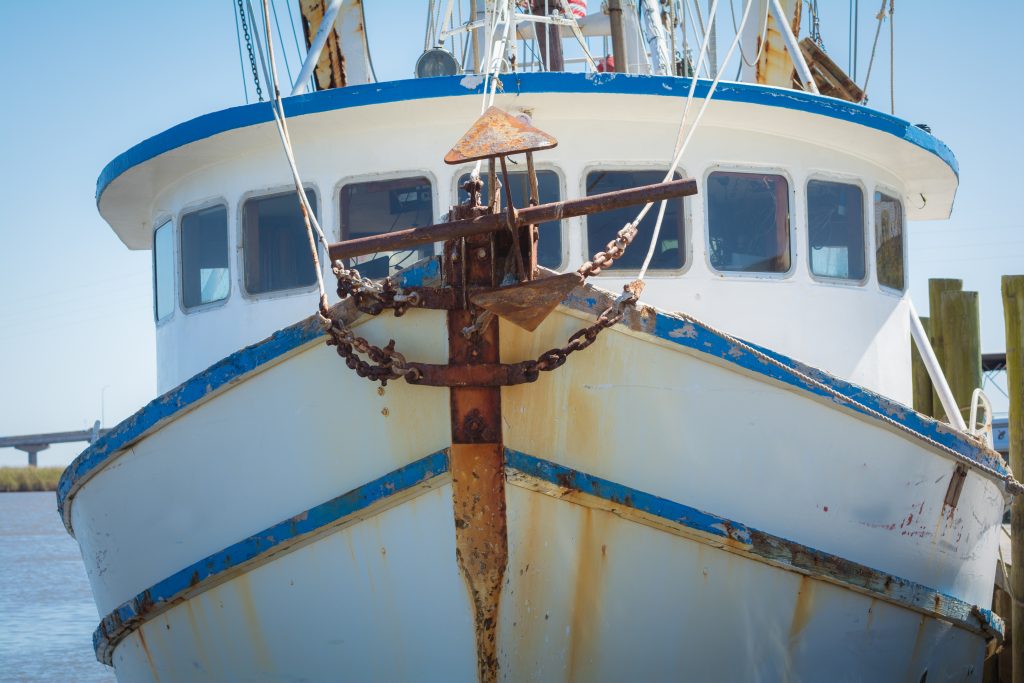
Rust, technically known as iron oxide, forms when metal is exposed to water and oxygen over time. Environmental factors like humidity, road salt, and saltwater accelerate this process. Rust doesn’t just affect the aesthetics of your equipment; it eats away at the metal, leading to mechanical failure and safety risks. Vulnerable areas include the undercarriage of cars and trucks, T Tops, motors, aluminum and numerous other places on boats, exposed metal on tractors, and off-road vehicles like UTVs that see frequent mud and water exposure.
Essential Rust Prevention Techniques
To combat rust, you need to take proactive steps. Prevention is always cheaper and easier than repairing damage after it has set in. Here are the key techniques to protect your equipment.
Regular Cleaning and Maintenance
One of the simplest yet most effective ways to prevent rust is regular cleaning. After a drive on a salted road or a trip offshore or inshore on your vessel, salt residue sticks to the surface of your vehicle and continues to corrode the metal long after you’re back home. That’s where a salt neutralizer like Salts Gone comes in. It neutralizes salt, preventing it from eating away at your equipment. Use it as part of your routine wash—especially for vehicles exposed to salty environments. It’s safe for all surfaces, including paint, glass, and metal, so you can use it liberally without worry. Specifically, Salts Gone also incorporates a surfactant, a fancy name for saop, into it’s formula which means that it can replace your boat soap while neutralizing the corrosion causing salts that wreak havoc on your equipment.
Protective Coatings
Applying a protective coating to your vehicle is one of the best defenses against rust. Wax or ceramic coatings on cars can act as a barrier between metal and the elements. For more heavy-duty equipment, like UTVs and tractors, consider undercoating with specialized rust-preventive sprays that seal exposed metal parts.
For boats, applying a marine-grade wax or ceramic coating can help protect the hull from saltwater. Combine this with a regular rinse using Salts Gone to neutralize saltwater after every outing. The combined protection keeps your boat’s metal parts from rusting over time.
Use of Rust Inhibitors
Rust inhibitors are chemical solutions designed to prevent the formation of rust. There are various types available, from sprays to wipes, that create a thin, protective layer on metal surfaces. After thoroughly cleaning and drying your equipment, applying a rust inhibitor helps seal in that protection. This is especially important for UTVs, tractors and tractor implements such as spreaders that see fertilizers and other corrosive granules. Also, off-road vehicles that see rough terrain, mud, and water exposure.
Proper Storage Practices
Where you store your vehicles and equipment can make all the difference in preventing rust. Keeping your machinery in a dry, covered space is ideal. For long-term storage, make sure to clean and apply rust-prevention products before covering them up. Boats and vehicles parked outside should always be shielded with a cover that allows airflow to prevent moisture buildup.
When storing your boat and trailer after a season of saltwater exposure, wash it down with a salt remover but make sure that salt remover is safe for all materials on your boat. Some products remove salt that causes corrosion but are not safe for upholstery, fishing tackle, or coatings like wax and ceramic. Taking this step will ensure no salt remains trapped in crevices and this will prevent rust from forming while the boat is in storage.
Specialized Tips for Different Equipment
While the basic principles of rust prevention apply to all types of vehicles, each has its unique considerations.
Cars and Trucks
Winter driving means your vehicle is constantly exposed to road salt. Washing your car regularly is essential, especially focusing on the undercarriage where salt collects. Use a nozzle that allows you to inundate the frame as part of your wash routine to neutralize salt. Consider applying an undercoating to your car to provide extra protection during the harsh winter months.
Boats
Boats face the dual threat of moisture and saltwater, which can quickly corrode metal parts. A routine that includes flushing the engine and washing the boat, top to bottom, after every trip is essential. A product like Salts Gone after each outing will remove all traces of saltwater, protecting the hull and metal fittings from rust. IT’s especially important for reaching into hard to access places. Additionally, consider applying a ceramic coating to the hull for long-term protection.
UTVs and Off-Road Vehicles
UTVs and off-road vehicles are often exposed to mud, water, and dirt, all of which can lead to rust if not properly cleaned off. After each use, wash down your UTV, paying close attention to the undercarriage and any exposed metal parts. Adding Salts Gone to your cleaning routine will help neutralize any hidden salts or corrosive elements in the dirt, ensuring a longer lifespan for your vehicle.

Tractors and Heavy Equipment
Tractors and farm equipment are often exposed to the elements year-round, making them particularly vulnerable to rust. Whether it’s rain or pelletized lime and fertilizer, corrosion can quickly form on tractors and implements if preventive measures aren’t taken. Regularly clean your tractor and treat it with rust inhibitors. If your tractor is exposed to salt or other corrosive substances, Salts Gone is an excellent way to remove harmful residues before they can do any damage.
Rust Removal: What to Do If Rust Appears
Even with the best prevention methods, rust can still appear. Catching it early is key to minimizing damage. Inspect your vehicles regularly, especially in areas prone to rust. If you find small spots of rust, sand them down and treat the area with a rust converter, which stops the rusting process. After removing rust, it’s essential to protect the area from future damage. Apply a rust inhibitor, touch-up paint if necessary.
Long-Term Prevention: Building a Rust-Proofing Routine
Rust prevention isn’t a one-time deal. It’s something that needs to be incorporated into your regular maintenance routine. For cars and trucks, especially in winter, make cleaning and applying a rust inhibitor a regular part of your post-drive routine. For boats, give them a thorough rinse after each trip and apply protective coatings seasonally, don’t forget your trailer either. UTVs and tractors should be checked frequently, and rust inhibitors should be re-applied as necessary to keep them in top shape.
By making rust prevention a habit, you’ll save yourself from costly repairs and extend the life of your equipment.
Conclusion
Rust is a serious threat to the longevity of your vehicles and machinery, but it doesn’t have to be inevitable. With proper care and cleaning you can stop rust in its tracks and keep your investments running smoothly for years to come. Start incorporating these techniques today, and you’ll see the benefits in the long haul.