

For a long time, I thought ryegrass was just part of food plotting. It was cheap, it sprouted fast, and when you’re trying to get something green in the dirt before hunting season, it felt like an easy win. I can’t count how many bags of ryegrass I’ve broadcast across fields in Alabama. I didn’t realize at the time that I was planting one of the most counterproductive plants you can introduce into a deer and turkey property. The problem isn’t that it won’t grow. It will. The problem is what it does once it’s there.
According to Dr. Will Gulsby of Auburn University, “Once ryegrass gets established, it’s almost impossible to get rid of without a really concerted effort.” And more importantly, ryegrass works directly against two of the biggest goals we all share as land managers: improving deer nutrition and supporting wild turkey reproduction.
Ryegrass Doesn’t Feed Deer the Way We Think It Does
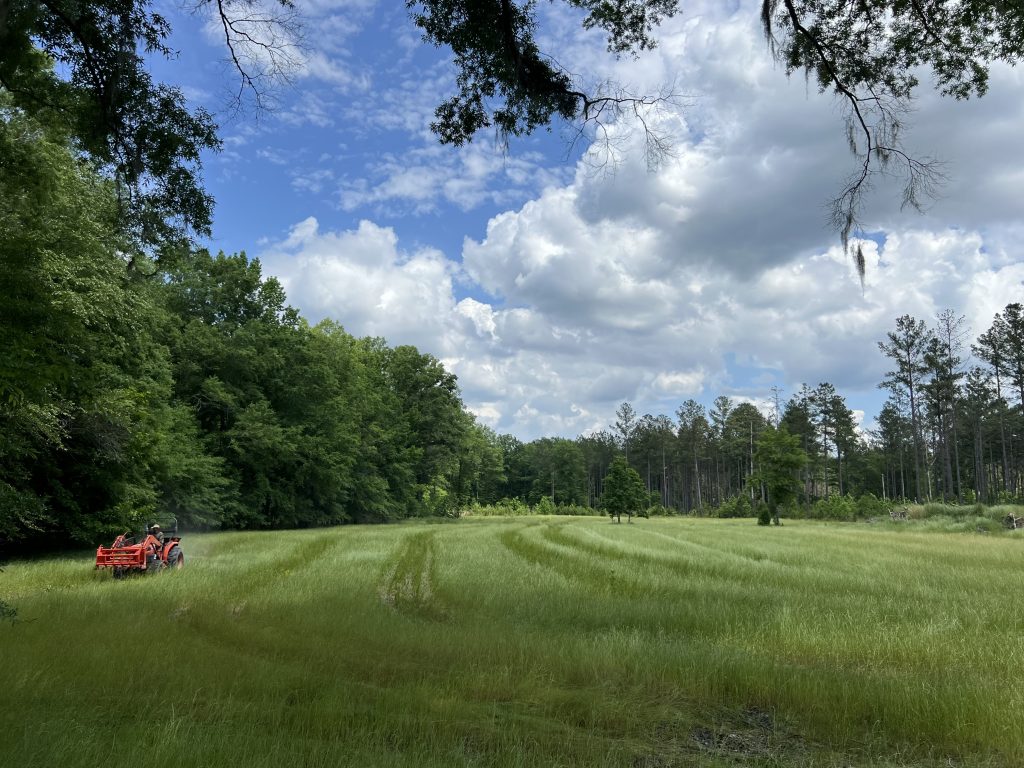
Ryegrass looks lush, but the nutritional return is extremely low. Gulsby points to research comparing ryegrass to cereal rye and winter wheat. “Ryegrass produces less forage per acre,” he explains, “and deer consume it at a much lower rate than cereal rye or wheat.”
In those trials, deer ate only about 10% of the available ryegrass, while 50% of cereal rye and 65% of winter wheat were consumed. That means even when the plot looks green, the deer aren’t gaining much from it. The forage is there visually, not nutritionally.
When you consider the cost of lime, fertilizer, fuel, and your own time, planting a crop deer don’t actively want to eat doesn’t make sense.
The Bigger Impact: Ryegrass Is Bad for Turkeys
The real damage comes in the spring when ryegrass bolts. It sends up a dense, tall, matted stand that immediately eliminates brood habitat. “Hens will nest in ryegrass,” Gulsby says, “but once poults hatch, they can’t move through it.”
Young turkeys rely on open, bug-rich areas where sunlight reaches the soil surface. That’s where insects are most abundant, and that’s where poults learn to feed. When ryegrass forms a tight carpet over the ground, those spaces disappear. “That area becomes unusable for turkeys during a critical time when they need open, bug-rich habitat to survive,” Gulsby explains.
Across much of the Southeast, the lack of brood-rearing habitat is one of the strongest limiting factors on turkey populations. When ryegrass dominates the few open acres available, we lose one of the most important components of a successful turkey property.
Ryegrass Spreads Easily — Even When You Didn’t Plant It
Many landowners never intentionally plant ryegrass. It often shows up in seed blends labeled only as “Rye,” which can mean cereal rye or ryegrass depending on the manufacturer. It also spreads on tractor tires, disks, and bush hogs just like other invasive grass species. Once a field produces seed heads, the seedbank may persist for years.

The result is a long-term problem that usually starts by accident.
How to Get Rid of Ryegrass the Right Way
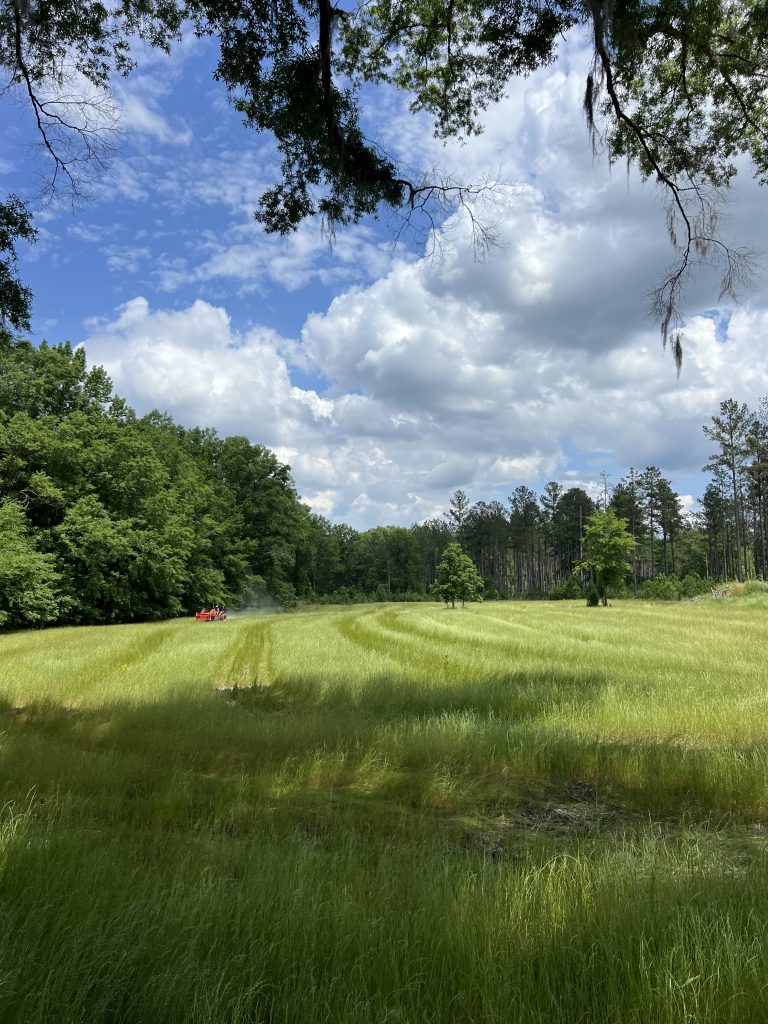
Controlling ryegrass is a multi-year process. The goal is to hit it while it is young, before it bolts and reseeds.
The best herbicide option is clethodim, a grass-selective herbicide that kills ryegrass without harming clover and other broadleaf forage. “Clethodim targets grass species without harming broadleaf plants like clover,” Gulsby says, which allows the desirable portions of your food plot to remain intact.
The key is timing:
- Spray when ryegrass is actively growing
- And under 6 inches tall
If the ryegrass in your plot is already tall or mature, mow or terminate the stand first, allow it to dry down, then burn to remove the thatch. When the next flush of young ryegrass emerges, that is when clethodim is most effective.
Clethodim is readily available online through suppliers such as Chemical Warehouse, which carries both generic and branded formulations.
Because ryegrass stores seed in the soil, expect to treat for 2–4 years to fully break the cycle.
Better Alternatives for Deer and Turkeys
There are simple, proven blends that outperform ryegrass in every way:
- Cereal rye and crimson clover
- Wheat and clover mixes
- Or cereal grains paired with arrowleaf clover for spring carryover
These options put more nutrition in front of deer and create the open, insect-rich structure that poults need in May and June.
And for properties with thin soils or limited budgets, Gulsby recommends leveraging native plant communities. “Many native forbs, like ragweed, have protein levels comparable to clover,” he says. A light disturbance such as late-fall disking can stimulate valuable native growth—with no seed cost at all.
The Bottom Line
Ryegrass may look green, but it leaves your food plots empty when it comes to feeding wildlife. It produces less deer forage, deer don’t prefer it, and it eliminates brood habitat that turkeys absolutely depend on.
If you’re going to invest the time, fuel, and resources into planting food plots, it’s worth planting species that actually move the needle for wildlife.
Ryegrass isn’t one of them.