
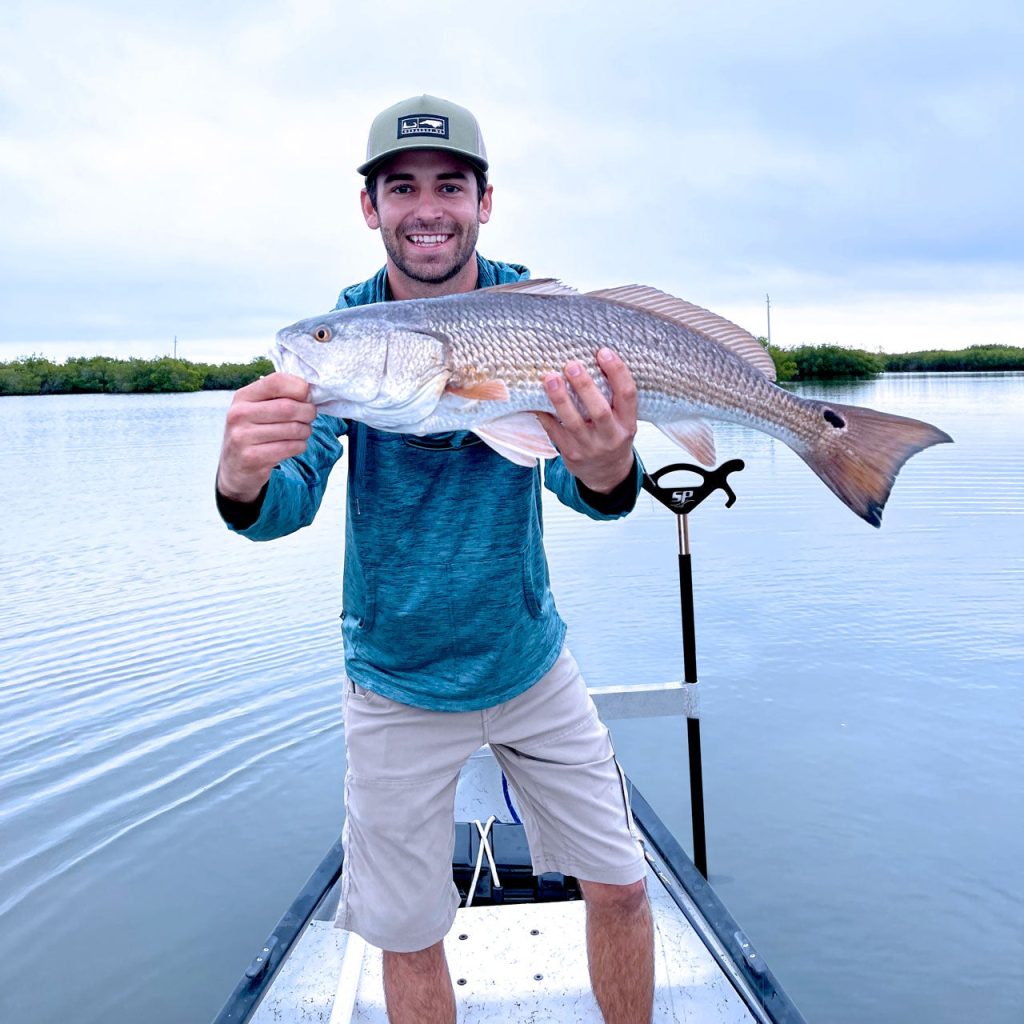
Boat control can be the difference between a banner day and a frustrating one. When the tide is pushing, the wind is swirling, and spooky fish are holding tight, your ability to stop quietly and stay put can mean everything. That’s where a shallow water anchor comes in. But here’s the question weekend anglers should ask: Do you really need to spend four or five thousand dollars on powered systems?
According to seasoned Gulf Coast anglers, the answer is no. Manual stake-out pole systems, like those made by Stayput, are proving to be a smarter choice for the recreational angler who doesn’t need tournament-level automation.
The Case Against Old-School Anchors
For many anglers, the least enjoyable part of a day on the water used to be dealing with the anchor. As Joe Baya recalled, “When I was a kid, the worst part about going fishing was dealing with an anchor. It was always a constant source of argument between my brother and I, who had to pull up the anchor this time. And, you know, it was necessary, but it wasn’t fun.”
That frustration is exactly why shallow water anchors have become so valuable to fishermen. They eliminate the noise, hassle, and mess of traditional anchors while giving anglers precise control over boat position. With the push of a button or the slide of a pole, you can stop exactly where you want to fish, hold steady without spooking the water, and get back to casting instead of wrestling with rope and chain.
Why Hydraulic Isn’t Always Better
Hydraulic shallow water anchors like Power-Poles and Minn Kota Raptors are popular for a reason. As Butch Thierry explained, the ability to drop your poles with the push of a button is a big deal. “It’s a pretty big deal, not just for fishing, but for whenever you pull up to the dock to get fuel or to go get the trailer. It’s nice to be able to push a button and put the poles down,” he said. The immediate response is convenient, especially when you hook a fish in tight quarters or need to stop quickly without fumbling for gear.
Butch also noted that the push-button simplicity adds peace of mind for anglers who fish alone or juggle a lot on the water. For guides or tournament fishermen, that split-second advantage can be worth every penny.

The trade-offs, however, start to stack up. Hydraulic systems aren’t cheap—Butch’s dual Power-Pole setup would cost about $4,500 new. And then there’s the upkeep. “My pumps are in the bilge, which is constantly wet and humid,” he said. “I’ve had problems with both of the circuit boards. I’ve replaced both circuit boards twice, and I currently have one out right now.” Even when the poles themselves hold up, the electronics and brackets demand regular tightening and attention. For Butch, the downtime often stretches to a week or more while waiting on parts or repairs.
There’s also the physical footprint to consider. Power-Poles stick up about five feet above the motor, which can clutter the back deck, rattle loose, and even get in the way of casting. “You’ve got to be cognizant of where you’re casting, because you can definitely whack them pretty easily,” Butch admitted.
All of those issues come on top of the initial price tag. Hydraulic anchors provide the ultimate in convenience, but when you add in ongoing maintenance, replacement parts, and the hassle of lost fishing days, the true cost climbs well beyond the sticker price. For many weekend anglers, that’s money better spent elsewhere.
The Manual Advantage
For many anglers, manual shallow water anchors are an overlooked option. They’re often associated with kayaks or tiny skiffs, and plenty of boaters assume they’re just a cheap, DIY workaround. Joe Baya admitted he used to think that way too. “I just always looked at the stakeout poles as kind of like a kayak thing,” he said. “It seemed like just a ‘getting-by’ type of fix. I don’t think people give them the attention they should for the average recreational angler.”
But once he installed a Stayput system on his own boat, that perception changed. Instead of being flimsy or limited, he found it to be a well-built, durable solution that fit his style of fishing perfectly. “It’s manufactured out of good materials, good powder coating. It looks good. And I felt like it was going to be strong enough to withstand anything I was going to put it through. Best of all, it only took me 15 minutes to install.” Joe explained. The simplicity is the point—no pumps, wiring, or hydraulics to maintain, just a reliable pole that locks you in place when you need it.
There’s another advantage too: silence. Unlike trolling motors that kick up mud in shallow water or hydraulics that whir and rattle, manual poles slide in without a sound. That quietness can make all the difference when you’re stalking spooky redfish or speckled trout in clear water.
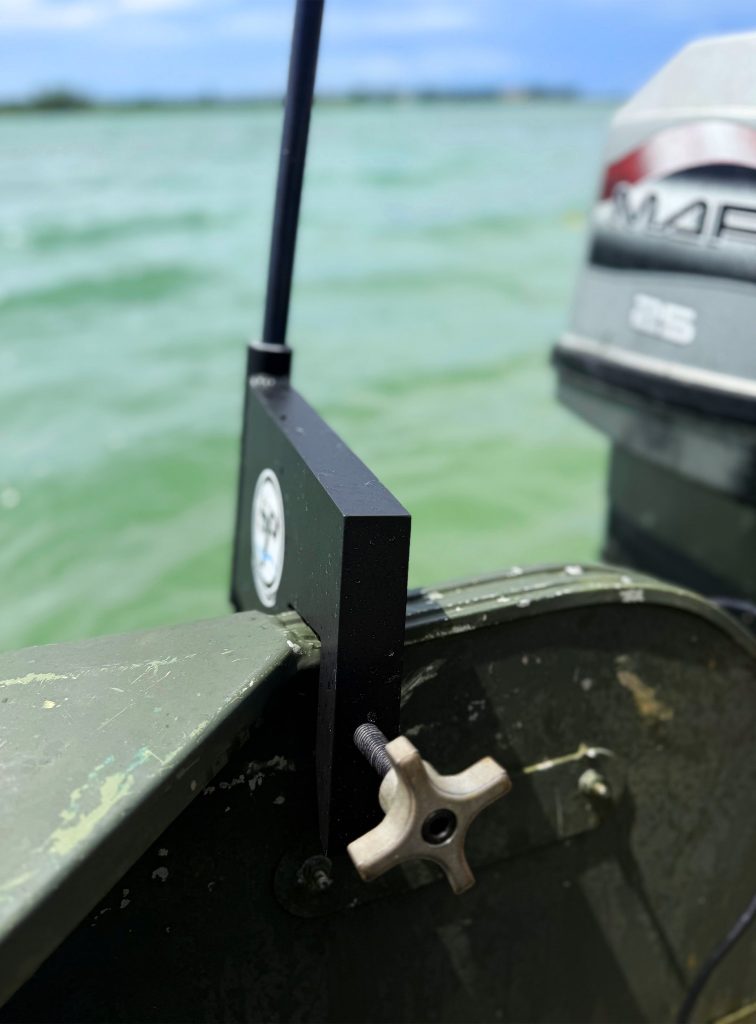
And the savings are significant. A top of the line, dual Stayput setup with upgraded stakeout pole handles runs around $1,000, compared to $4,500 or more for hydraulic systems. “You’re already saving a ton of money by going to a manual stakeout pole,” Joe said. “So there’s no reason to try to fab something up yourself. Use something that’s proven.”
For weekend anglers, that’s the real advantage. Manual systems aren’t just a cheaper alternative to hydraulics—they’re stronger, simpler, quieter, and more reliable. And instead of being “just for kayaks,” they may actually be the smarter choice for most boats that spend time in skinny water.
Who Needs Hydraulics, Really?
Hydraulic anchors shine in a very specific lane. If you’re a guide who fishes every day, or a tournament angler who spends long hours on the water by yourself, then the push-button convenience can be worth the investment. In those situations, shaving a few seconds off boat positioning and having a “deckhand” at your fingertips might actually pay off.
But for the average angler, the numbers just don’t add up. Factor in routine maintenance, replacement circuit boards, and the occasional week of downtime for repairs, and the true cost only climbs higher. That’s a lot of money for something that, in most situations, just saves you from taking a few steps and sliding a pole into the water.
By comparison, a full Stayput manual system costs about $1,000, installs in minutes, and has virtually no maintenance. It’s quieter, takes up less space, and is tough enough to handle anything most shallow-water boats will face. For anglers who fish weekends, keep a buddy on board, and don’t need every ounce of tournament-level convenience, it’s hard to justify spending four times as much for hydraulics—especially when the manual option actually proves more reliable over the long haul.
In short, unless you’re on the water six days a week and need a hydraulic system to function as your extra set of hands, the smarter play is to keep your money in your pocket and go with a simpler solution.
The Shallow Water Anchor Takeaway
At the end of the day, both hydraulic and manual shallow water anchors solve the same problem: keeping your boat exactly where you want it in skinny water. But the difference comes in how much you’re willing to pay for convenience. Hydraulic systems give you push-button control, but they also saddle you with thousands of dollars in upfront cost, constant maintenance, and bulky hardware that can get in the way.
Manual systems like Stayput deliver the same core benefits—quiet, reliable anchoring in shallow water—without the price tag or the headaches. As Joe Baya pointed out, the only thing you really give up is the button. “It’s literally the only thing—you have to do just a little bit more work and walk back there and slide a pole through a hole,” he said. And when that small trade-off saves you thousands up front and even more over time, it’s hard to see it as a sacrifice at all.
For the weekend angler who fishes with friends, keeps their boat in the eight-foot or less range, and just wants to spend more time casting and less time fighting the boat, manual anchors aren’t the “budget option.” They’re the better option.