
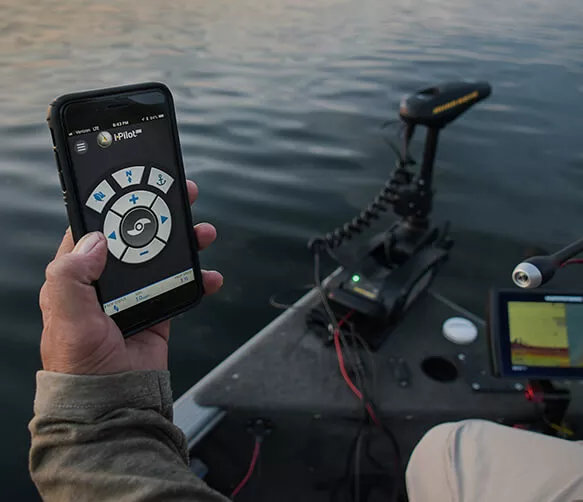
Trolling motors have come a long way, and spot-lock technology has revolutionized the way anglers approach fishing. If you’ve been on the fence about upgrading to a spot-lock trolling motor, you’re not alone. Many experienced boaters hesitate at first—until they try it. Then, like so many others, they find themselves wondering how they ever fished without it.
Whether you’re considering your first spot-lock trolling motor or upgrading from an older model, this guide breaks down everything you need to know—from key benefits and must-have features to the latest advancements in trolling motor technology.
Why Upgrade to a Spot-Lock Trolling Motor?
At its core, spot-lock is a GPS-based anchoring system that holds your boat in place with the press of a button. No more dropping a physical anchor or struggling to maintain position with the outboard motor—spot-lock does it for you.
But beyond convenience, there are practical advantages to having a spot-lock trolling motor:
- More Time Fishing, Less Time Positioning – Instead of constantly adjusting your boat’s position, you can focus on casting, reeling, and landing fish.
- Easier Boat Control for Families – If you fish with kids or less experienced anglers, spot-lock allows you to help them without worrying about boat positioning.
- Hands-Free Holding in Any Condition – Whether you’re fishing in strong current, wind, or offshore swells, a spot-lock trolling motor keeps you in place effortlessly.
- More Productive Fishing – By holding your position over a reef, wreck, or school of fish, you can stay in the strike zone longer and improve your chances of success.
Even if you’re an experienced boater who can hold position manually, spot-lock eliminates the hassle and lets you focus on what really matters—catching fish.
Key Features to Look for in a Spot-Lock Trolling Motor
While all spot-lock trolling motors offer GPS anchoring, not all models are created equal. Here are some essential features to consider when upgrading:
1. Auto-Stow and Deploy
If you fish from a larger boat or have difficulty reaching the bow, a trolling motor with auto-stow and deploy can make a huge difference.
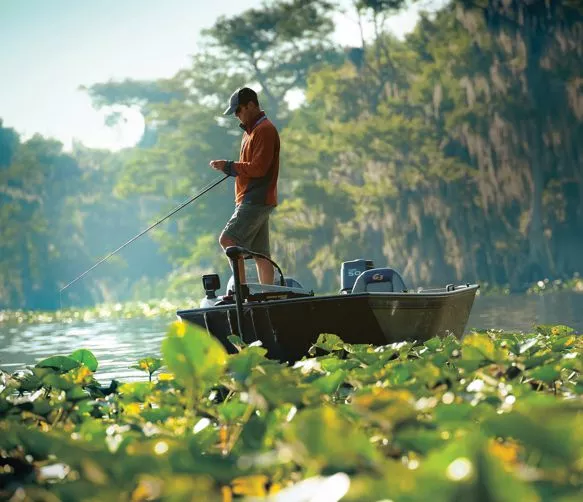
With the press of a button, your motor will lower into the water or retract back onto the deck—no manual lifting required.
2. Jog Functionality
Most modern spot-lock motors allow you to “jog” your boat in 5-foot increments in any direction. If your fish finder marks activity just outside your current position, this feature lets you fine-tune your location without resetting spot-lock.
3. Route Recording and Go-To Navigation
Many high-end trolling motors can record your path and replay it later, allowing you to retrace a productive drift or shoreline. Additionally, with the Go-To feature, you can mark a GPS waypoint and have the trolling motor take you there automatically.
4. Drift Mode for Controlled Drifting
Drifting is an effective way to cover water, but wind and current can make it difficult to maintain control. Drift mode acts like a virtual drift sock, letting you set your heading and speed to ensure a smooth, controlled drift over structure or along a productive bank.
5. Fish Finder Integration
If you want your trolling motor to communicate with your fish finder, look for models that offer full network integration. This allows you to set routes, follow contour lines, and fine-tune positioning based on real-time sonar data.
Brushless vs. Traditional Motors: Should You Upgrade?
The latest innovation in trolling motors is brushless motor technology, which offers several advantages over traditional brushed motors:
✔ 50% More Torque – More power for better boat control in strong current and wind.
✔ 30% Longer Battery Life – More efficient power consumption extends your time on the water.
✔ Quieter Operation – Reduced motor noise means less disturbance for fish.
While brushed motors are still reliable and cost-effective, anglers looking for the best performance—especially those with larger boats—should strongly consider upgrading to a brushless model.
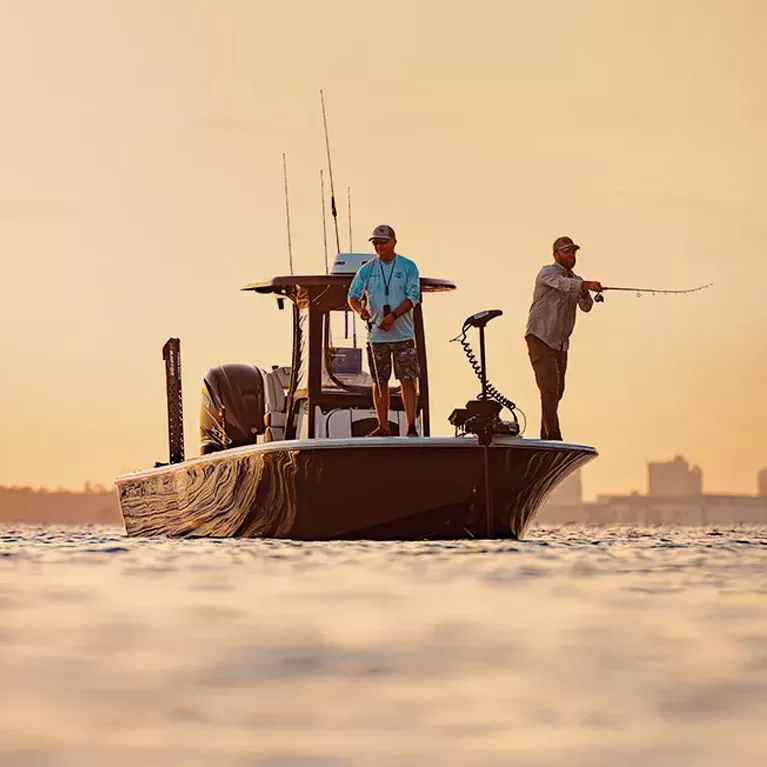
Choosing the Right Spot-Lock Trolling Motor for Your Needs
With many models available, selecting the right trolling motor depends on your boat size, fishing style, and budget. Here’s a quick breakdown of options:
Entry-Level ($1,200 – $2,000)
- Best for smaller boats or budget-conscious anglers
- Standard spot-lock features but may lack network integration or auto-stow
- Example: Minn Kota PowerDrive (great for freshwater applications)
Mid-Range ($2,000 – $4,000)
- Includes foot pedal and remote control options
- Some models feature route recording and fish finder integration
- Example: Minn Kota Terrova (a solid choice for most anglers)
High-End ($4,000 – $6,000+)
- Brushless motor, auto-stow and deploy, full fish finder integration
- Best for larger boats, offshore anglers, and those who want premium features
- Example: Minn Kota Instinct Quest (ideal for big offshore boats)
If budget allows, choosing a trolling motor with room for future expansion—such as fish finder compatibility—can save you from needing another upgrade down the road.
Battery Considerations for Spot-Lock Trolling Motors
Your trolling motor is only as good as the power source driving it. Modern motors can run on lead-acid, AGM, or lithium batteries, but lithium offers several advantages:
- Lighter weight – Reduces the load on your boat.
- Longer lifespan – Many lithium batteries come with 10-year warranties.
- More consistent power – Delivers full voltage until depleted, unlike lead-acid batteries, which gradually lose power.
While lithium batteries come with a higher upfront cost, their longevity and efficiency can make them a worthwhile investment.
Final Thoughts: Is It Time to Upgrade?
If you’re still debating whether to upgrade to a spot-lock trolling motor, consider this: it’s not just about convenience—it’s about maximizing your time on the water. If your goal is to spend less time adjusting the boat and more time fishing, hold position with the press of a button, even in tough conditions and be able to jog, record a route, and drift under control a spot-lock trolling motor is one of the best purchases an angler can make.