

Of all of the things a person who goes out into the wilderness needs, no matter whether that’s far up north or the Everglades, the jungles of South America, or even the back bayous here on the Gulf Coast, having a good set of survival skills just might be the most important element to determine if the wilderness trip is a good one or a terrible time. Knowing what to do helps create a good recovery from an accident. Knowing what to do and how to do it when accidents occur is crucial.
When considering a wilderness trip, the physical fitness of the wilderness-goer can’t be over rated. Just being able to walk a long way, hold up under harsh conditions and heavy physical demands can go a long way toward keeping a wilderness-goer safe. It’s best to be honest here. If a person is out of shape and weak of wind and limb, a readiness program to get fit and ready for long-distance hiking or paddling is the best bet.
Finally, having the mental reliance to know what to do, to perform needed actions, and then have the fortitude to hang in and make things work out is crucial. Being calm and under control is very important to any accident or survival situation. Knowing the basic principals of survival- shelter, water, fire and food can make a bad situation keep from escalating into a very bad situation.
Essential Survival Skills Everyone Should Know
Although we can’t go into detail about everything a wilderness-goer will need to be capable of surviving, there are some basic survival skills you should know:
- Water Filtration Skills: Of all elements of camping or outdoor survival, having safe, clean drinking water is absolutely vital. There are many good lightweight water filtrations systems and chemical treatments available now.
- Survival Shelter Skills: Keeping dry is crucial, even in warm weather. It doesn’t take a massive heavy tent to provide wilderness shelter. A tarp or even a plastic sheet can do a good job of providing shelter from rain.
- Building A Fire Skills: Making and keeping a fire going is crucial. Fire provides heat, cooks food, makes us feel better at night, and is also the best signaling device out there. Lots of good, efficient, light weight fire starters are out there.
- Navigation Skills: Knowing where you are and where you want to go makes life much better when in the wilderness. There are some amazing GPS devices which can tell a camper or boater where things are.
- Signaling/Rescue Skills: Knowing how to let a searcher know where you are can make the difference between a safe rescue and a really bad outcome. Mirrors, flashlights, whistles can all be very effective signaling devices.
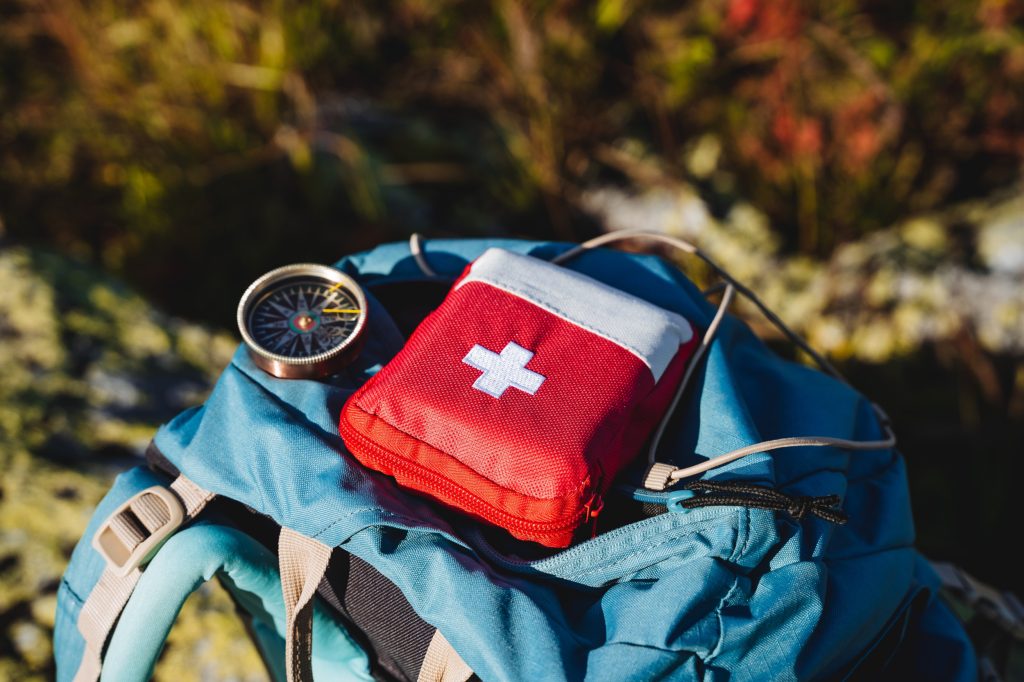
- Medical First Aid Skills: Having basic knowledge of what to do when accidents happen- and they will happen- is very important. It doesn’t take long to learn basic first aid skills, and a small lightweight first aid kit can literally be a life-saver in the wilderness.
- Foraging For Calories: Anyone who goes in the wilderness should have at least some simple, lightweight fishing gear which can provide free and easily obtained calories as well as providing entertainment. Knowing which wild foods are edible is helpful, and some good guides are out there for study.
Key Wilderness Survival Gear to Carry
A wilderness survival gear kit should include a range of basic items to address common injuries and emergencies as well as daily and nightly shelter and nutrition. Here are some essentials to pack:
Survival Tools and Gear
- Navigational tools: A compass and map or a GPS device for accurate navigation. Download maps. Even better, a personal locator beacon to pinpoint your exact location.
- Signal mirror or whistle: This enables you to attract attention in case of an emergency.
- Comprehensive first aid kit: Includes bandages, antiseptics, medications, and other medical supplies.
- Paracord or rope: a paracord bracelet is useful for building shelters, creating traps, or securing items.
- Headlamp or flashlight: Provides hands-free illumination for when it gets dark and you’re trying to find or build shelter.
- Fanny pack: Provides accessibility, mobility, weight distribution, organization, and preparedness by keeping essential items easily accessible on your waist.
- Duct tape: A versatile tool for repairing gear or creating makeshift solutions.
- Personal hygiene items: Toothbrush, toothpaste, toilet paper, and hand sanitizer for cleanliness.
Shelter and Sleep
- Compact and lightweight tent or tarp: Provides emergency shelter bivy sack and protection from the elements.
- Warm sleeping bag and insulated sleeping pad: Essential for a good night’s rest in challenging environments.
- Emergency blanket or shelter: Traps your own body heat and protects from extreme temperatures.
Food, Heat and Hydration
- Lightweight and high-calorie food options: Energy-rich snacks, meal replacement bars, or freeze-dried meals.
- Fishing gear or snares: Allows you to catch fish or small game for sustenance.
- Reliable fire-starting tools: Matches, lighters, or spark starters to ignite fires for warmth and cooking.
- Versatile knife or multi-tool: Aids in various tasks such as cutting, preparing food, sharpening sticks, and more. It is helpful that your multi-tool has a bottle opener on it.
- Water filter or purification tablets: Allows you to instantly purify and drink safe and clean water from sketchy sources.
- Collapsible water container: This allows you to carry and store water efficiently
Although this list of needed gear for wilderness camping seems long, many of the items are small and can be carried easily in a backpack or fanny pack. And all of this stuff is important and needed for a safe trip.
Wilderness First Aid and Medical Preparedness
Let’s face it: Accidents happen. And when they happen to a person who is a long-way away from help, that person must be able to handle things and do what’s right to keep a little mishap from becoming a major problem. First aid is one of the most important survival skills for anyone in the remote wilderness.
The first thing you learn in a wilderness first-aid course is how to evaluate a patient- even if the patient is yourself- which includes the following steps:
- Size up the scene
- Identify life threats
- Do a focused exam: head-to-toe check, vital signs and patient history
- Make a problem list and care plan, which includes an evacuation decision
- Treat the patient, providing both medical and emotional support
- Monitor how the patient is doing
Take Your Meds!
Part of any wilderness survival plan reflects the fact that many of us today have long-term medications which in many cases, our daily health depends on. When we go into the far afield areas, we need to have this medication with us, and we need to take the meds on the same schedule as at home. Whether we’re looking at diabetic meds, pulmonary meds, heart meds- whatever- we need to have them in safe, secure packaging, and we need to take them even when we’re way out in the woods.
Importance of Having a Plan Before Heading into the Wilderness
It’s one thing to jump into the truck and make a quick unplanned trip to the local fishing hole or deer stand for a couple of hours. But it’s an entirely different matter when we go far afield beyond cell phone range or out of easy communications with others. A plan which includes length of trip duration, start location, finish location and stops along the way is crucial to help prevent problems from developing and more importantly, for letting those who might be searching for you have an idea where you might be in case of trouble.
And When Things Go Bad …
None of us who plan on going into the wilderness want to think about the chances of something going really bad to the point where we would need rescue and fast transportation for medical care, but that should be part of any wilderness plan. A very good service- and this is one that might make your loved-ones happy to know that you have – is membership in an emergency air ambulance provider. AirMedCare Network providers can be there for all patients in urgent need, but membership adds another important layer of financial protection.
It’s important to know that your insurance may not cover the total cost of emergency treatment and transport. Even with the most comprehensive coverage, typical out-of-pocket costs like co-insurance and deductibles will still apply. These charges could end up being substantial. Members have added financial peace of mind, knowing their flight expenses are completely covered when flown only by an AirMedCare Network provider.