
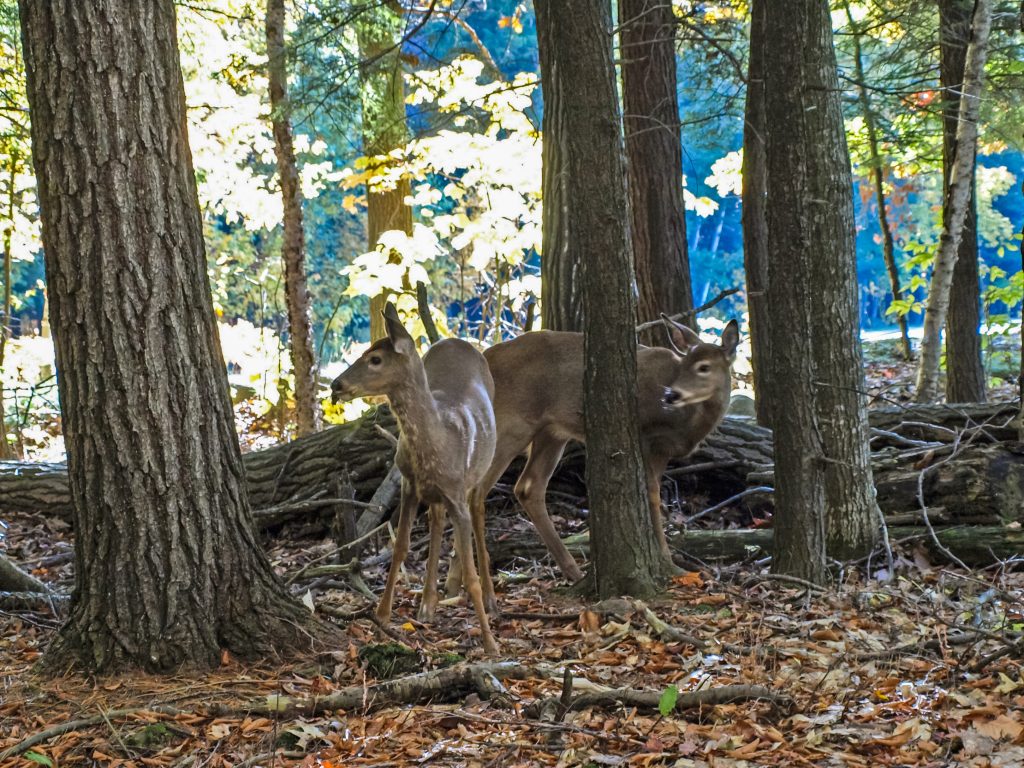
Hunters love the idea of a mature stand of hardwoods. Big white oaks casting shade, leaves rustling overhead, the woods clean and open enough to see a long way. It feels timeless and soothing, almost like what a “perfect” forest should be. But what looks perfect to us is often the opposite of what’s best for deer and turkeys, and that is where wildlife stand improvement comes in. If you can look 150 yards through your hardwoods, you may actually be looking at habitat in decline.
The truth is, many hardwood stands in the South have grown crowded and stagnant. The canopy is too tight, there’s little to no sunlight reaching the forest floor, and the understory is a desert of bare leaves. That means very little native browse, very little nesting or fawning cover, and very little reason for wildlife to spend time in those woods outside of a short acorn window in the Fall.
This is where wildlife stand improvement comes in. If you’ve heard of timber stand improvement, you already know the general idea: selectively remove certain trees to benefit others. But as wildlife researcher and forester Dr. James Kroll (Dr. Deer) explains, WSI prioritizes habitat value alongside timber value. “In timber stand improvement, you do it to maximize timber production,” he says. “In wildlife stand improvement, you optimize timber and maximize wildlife. You’re managing for both, not just one.”
For hunters and landowners, the shift is simple: You don’t have to choose between trophy oaks and better deer and turkey habitat. You can have both but not without thinning the woods.
Why Open Hardwood Stands Fail Wildlife
The hardwoods many hunters admire today are often the result of decades of not doing anything. Big timber looks impressive, but without periodic disturbance, the canopy closes, sunlight is blocked, and the forest floor goes quiet. Dr. Kroll sees this mistake across the country. “A lot of people want their woods to look like a park,” he said, “but that’s one of the least productive conditions you can have for wildlife. You need sunlight reaching the ground, and you need an understory. That’s a functioning ecosystem.”
Sunlight is the engine of habitat. If light doesn’t hit the ground, you don’t get browse. And when there’s no browse, deer are forced to rely almost entirely on food plots or artificial feed and turkeys lose nesting cover and brood habitat.
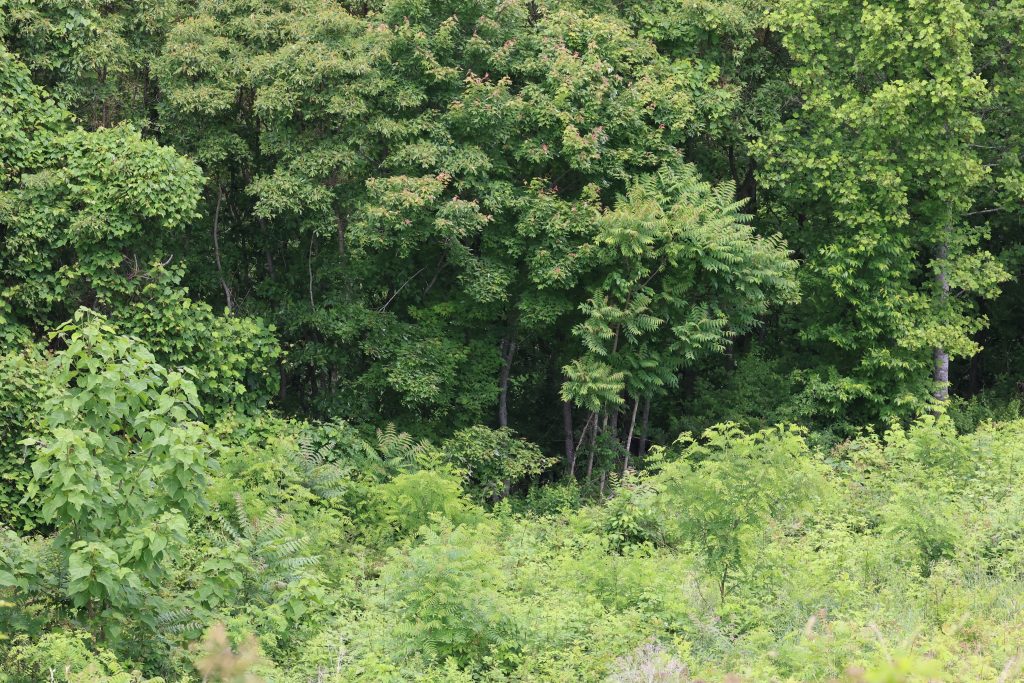
Dr. Kroll was clear about the scale of the problem: “The average hardwood stand is going to have about 27 pounds per acre of choice deer food if it’s not managed.” That’s essentially nothing, especially when a single deer can consume a ton of forage per year.
But the flip side is powerful:
“When you start managing hardwoods and when you get light to the ground and get the density right you can go from 27 pounds per acre to 1200 or even 2000 pounds per acre of browse and mast.”
In other words:
- Closed canopy = almost no food
- Opened canopy = thousands of pounds of natural forage and soft mast
Those “park-like” woods may look healthy to our eyes, but they are functionally food deserts for deer and turkeys. Put sunlight back on the forest floor, and the habitat turns back on.
Releasing Oaks: More Acorns Next Year
One of the simplest, fastest wins in wildlife management is releasing mast-producing trees from competition. In many stands, the valuable white oaks and red oaks that wildlife love for their hard mast are crowded by river birch, sweetgum, elm, maple, or poplar.
Dr. Kroll explains the biological payoff: “The number one factor in acorn production is crown diameter. When crowns touch, the trees are fighting each other above and below ground.” Remove the competition, and the oak’s crown expands, often producing 30 to 50% more acorns in the very next year. Hunters will spend hundreds on food plot seed and protein feed trying to replace the nutrition that’s already sitting in their woods. Sometimes the best “food plot” is simply giving the right oak more sunlight.
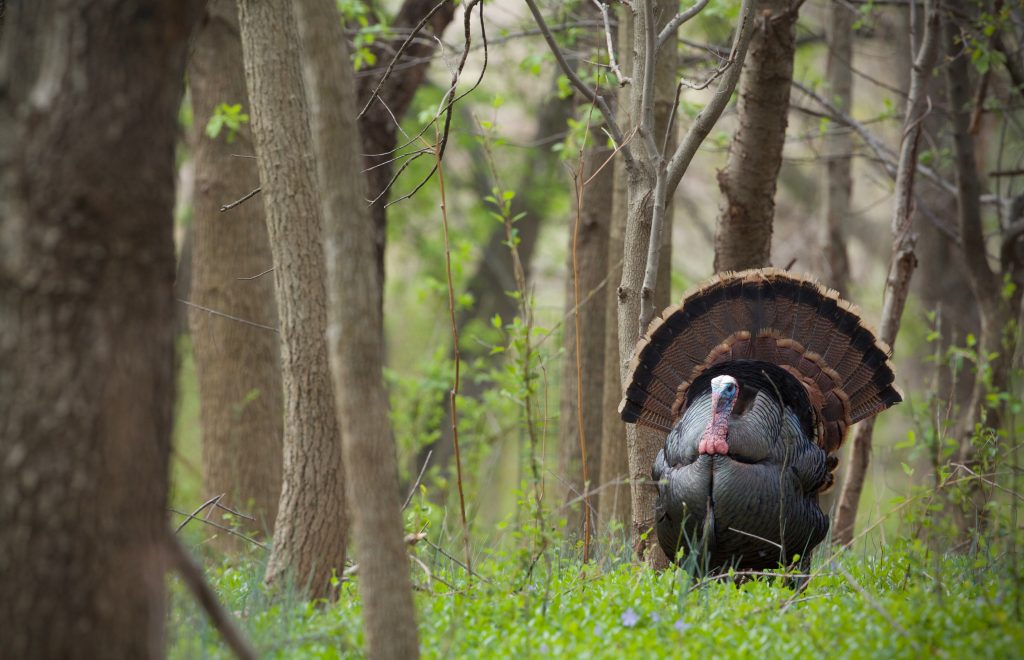
Research also shows that a 60% red oak / 40% white oak composition is ideal for long-term wildlife food availability. Whites feed deer and turkeys in early fall; reds feed them in the hard months of late winter. If your stand is heavy in one group, thoughtful removal and sometimes eventual planting can balance the mix over time.
How to Thin: A Practical System You Can Use
A common mistake is thinning by sight or feel. “Just take a few out here and there” sounds good until you realize you cut the wrong trees. Kroll offers a method that works in real Southern hardwoods with no special equipment:
The D + 10 Method
- Choose a tree you want to keep (a mature, healthy oak with a well-formed crown).
- Measure its diameter in inches.
- Add 10 to that number.
- That number is the radius (in feet) around that tree that must remain free of competitors.
- Any tree within that radius gets removed or treated.
If your oak is 14 inches in diameter, your thinning radius is 24 feet (a 48 foot circle). Clear that ring, then pick the next keeper tree, intentionally choosing species diversity as you go. The result is a stand with natural spacing, varied species, and open canopy gaps where sunlight can reach the forest floor.
Killing the Trees You Remove: Do It Safely and Efficiently
You don’t have to bring in heavy equipment to thin a stand and in many areas, you shouldn’t. Running machinery through wet soils, creek bottoms, or streamside management zones can cause long-term compaction and erosion that’s far more damaging than the trees you’re trying to remove. That’s why most wildlife stand improvement relies on selective tree control using basal bark spray, hack-and-squirt, or girdle-and-treat methods.
Dr. Kroll emphasized this point clearly, noting that chemical thinning allows you to remove the trees you don’t want without harming the ones you’re trying to release. As he explained, “We use triclopyr because it’s not soil-active. I can kill a sweetgum right next to a red oak and not hurt the red oak.” That makes triclopyr one of the safest and most predictable herbicides for wildlife stand improvement, especially when the goal is to release mast-producing oaks.
For younger sweetgum, red maple, and poplar stems, Dr. Kroll recommended the basal bark method: “If you spray the bottom 24 inches with 80% diesel and 20% Remedy (triclopyr), when you walk away, that tree is going to die.” The fuel carrier helps the herbicide penetrate through the bark and into the cambium layer, shutting the tree down without cutting it.
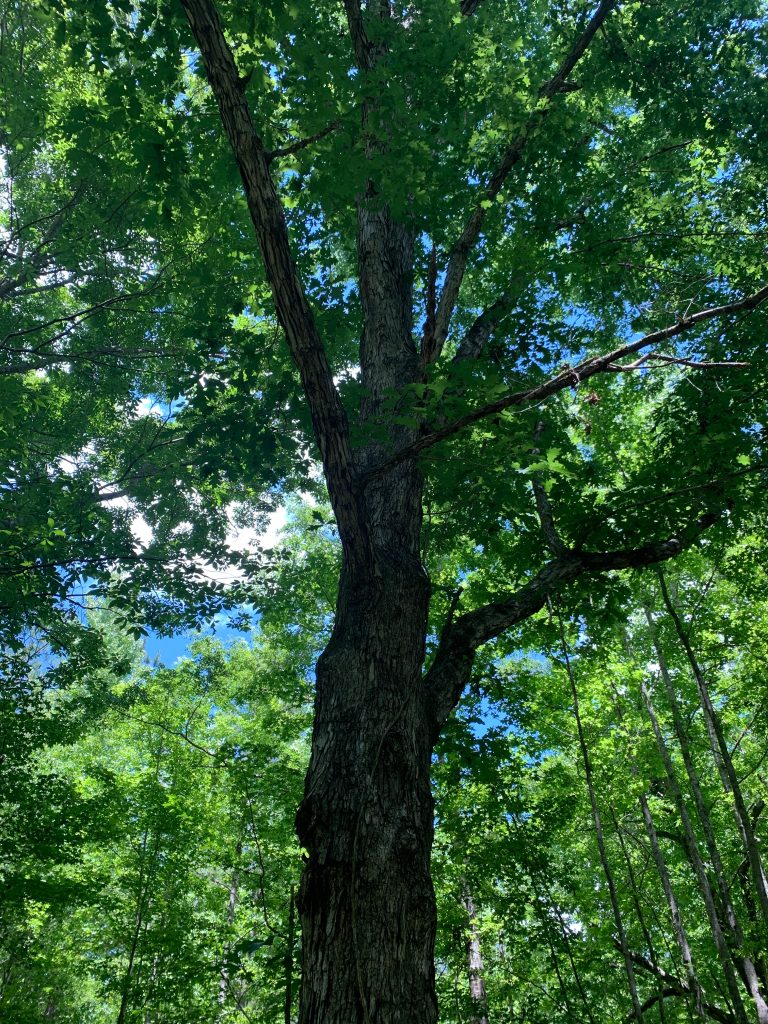
Larger stems don’t need to be felled either. “Hack-and-squirt or double girdling is what we use on the bigger stems,” he said. “You don’t necessarily have to drop them. Just kill the cambium and let them stand.” Letting the tree die standing avoids disturbing soil structure and allows light to reach the forest floor as the canopy opens.
This is where Chemical Warehouse becomes especially useful for landowners. They carry forestry-grade herbicides, like triclopyr formulations used specifically for wildlife stand improvement, and ship them directly to your door in quantities appropriate for private landowners. No need to track down co-op minimums or commercial bulk suppliers.
And while these techniques are absolutely manageable for landowners to perform, Kroll stresses the importance of working with someone who knows the process: “Find yourself a professional you can work with,” he says. “You don’t have to have a degree in forestry to learn this…you just have to want to learn.”
Start Small: One Acre Can Change the Way You See Your Woods
Managing hardwoods all at once is overwhelming and unnecessary. Kroll recommends experimenting first.
“If you’re desperate to do something, take one acre and use it as your test area,” he says. “See how the woods respond. Learn from it. Don’t try to do the whole property at once.”
A one- or two-acre block makes a perfect classroom. You’ll learn how your soil responds, how fast your understory wakes up, and how deer use the newly formed edges and sunlight pockets.
Once you see the difference, you’ll never look at “pretty woods” the same again.
The Long Game is the Reward
Wildlife management isn’t about instant results. It’s about learning your land, adjusting as you go, and building something that outlasts you. “The guy I like,” Kroll said, “is the 85-year-old man planting walnuts. He’s not planting for himself. He’s planting for the future.”
Stewardship is not complicated. It just requires action. And sometimes, the best action is simply making room for sunlight.