

Winter fly fishing for trophy bass offers unique opportunities for those willing to embrace the cold. As temperatures drop, bass behavior shifts, revealing a new side to the sport. For anglers ready to adapt their tactics, winter is a chance to target large, pre-spawn fish in consistent patterns. Stephen Rockarts, a Cahaba River fly fisherman who runs the guide service Fly Fishing Alabama, shares his insights into the intricacies of winter bass fishing, covering essential techniques, gear adjustments, and a deeper understanding of seasonal bass behavior.
Understanding Winter Bass Behavior
In winter, bass undergo significant behavioral changes, calling for a different approach. As water temperatures fall, bass slow down and become more selective, gathering in deeper, sheltered areas like pockets, drop-offs, and boulder-lined sections of rivers. According to Rockarts, winter offers a unique advantage: “Winter fishing is the best time of year to catch a big fish.” With pre-spawn around the corner, bass feed more predictably, giving anglers the chance to catch not only larger fish but also multiple large fish in a single outing.
During this season, bass concentrate in specific spots, especially in rivers with diverse structures that provide both shelter and easy access to food sources. Rockarts highlights the value of scouting these areas early. He recommends scouting in the fall, noting promising pockets for later in the season. “You may not see very many fish there right now,” he says, “but they’re going to be there in six to 12 weeks.”
Knowing seasonal flow patterns is another vital factor. Winter bass often move based on changing water levels and food availability, so understanding where they’ll hold as conditions shift is essential. Rockarts encourages anglers to use tools like the U.S. Geological Survey’s water level reports to monitor water depth at their preferred fishing locations. “Look at the water levels,” he suggests. “Let’s say you’re going to Creek A, and on Creek A, the USGS says the water level is one foot right now. You can go look out there right now in November, when the water is low, and you can identify good pockets and structure on the river floor.” Tracking these patterns can help anglers time their trips for when bass are likely to gather in larger numbers.
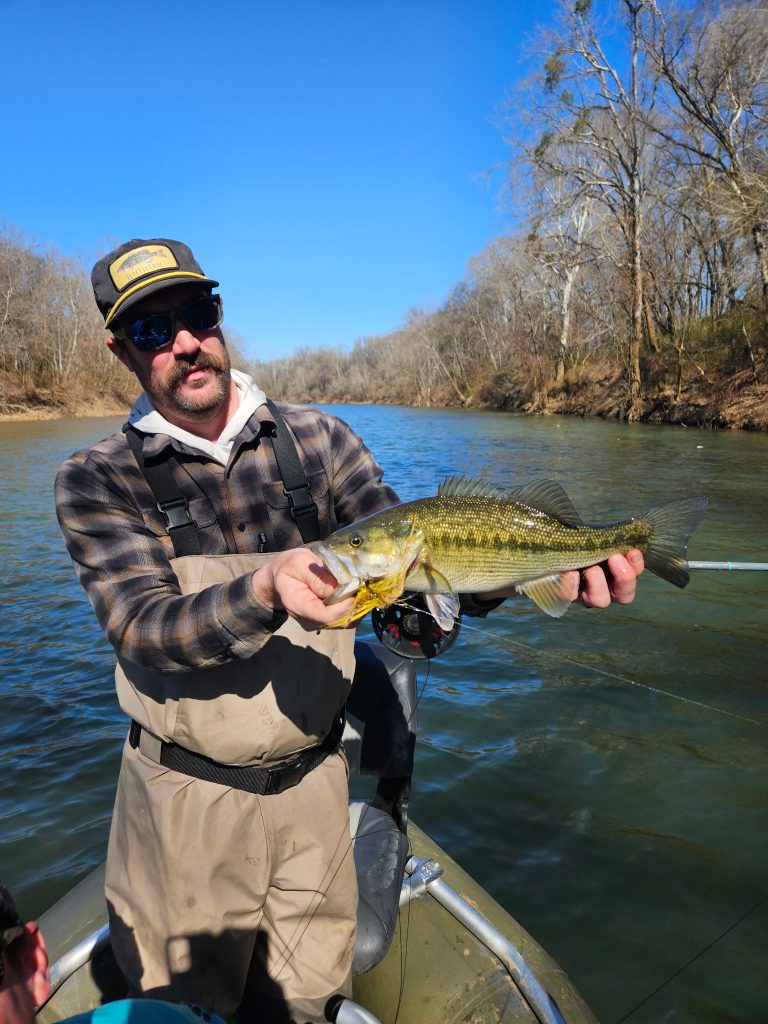
Winter bass tend to school in these deeper pockets, especially where food is plentiful. Rockarts describes this behavior as a major advantage: “You’ll be surprised how many more fish you can pull out of that pocket.” He advises against moving quickly from spot to spot, instead urging anglers to thoroughly fish each area as though it holds multiple bass. By “picking apart” each promising spot with slow, deliberate casts, anglers boost their chances of multiple catches.
Patience, Rockarts stresses, is essential in winter. Bass may shift positions within pockets but typically stay within the same area. “Those fish may start at the beginning of the pocket, and they may cycle back to the back of the pocket,” he explains, suggesting anglers work methodically from front to back. This thorough approach ensures they don’t miss fish lurking deeper or moving forward as the day progresses.
This understanding of winter bass behavior is key to winter fly fishing success. By adjusting to the bass’s slower, more selective feeding patterns and focusing on reliable spots, anglers can increase their winter catch rates and experience the thrill of landing larger, heavier fish during the season.
Adjusting Your Winter Fly Fishing Gear
Winter fly fishing requires specific gear adjustments to suit deeper, colder waters. Rockarts recommends using sink tip or full sinking lines, depending on depth and presentation needs. For instance, a sink tip line is useful for reaching the top of the water column, while full sinking lines help target fish near the bottom without pulling the fly up too soon. “A full sink allows you to stay at that level and retrieve at that level, very, very well,” he says, underscoring the importance of the right line setup for winter fishing.
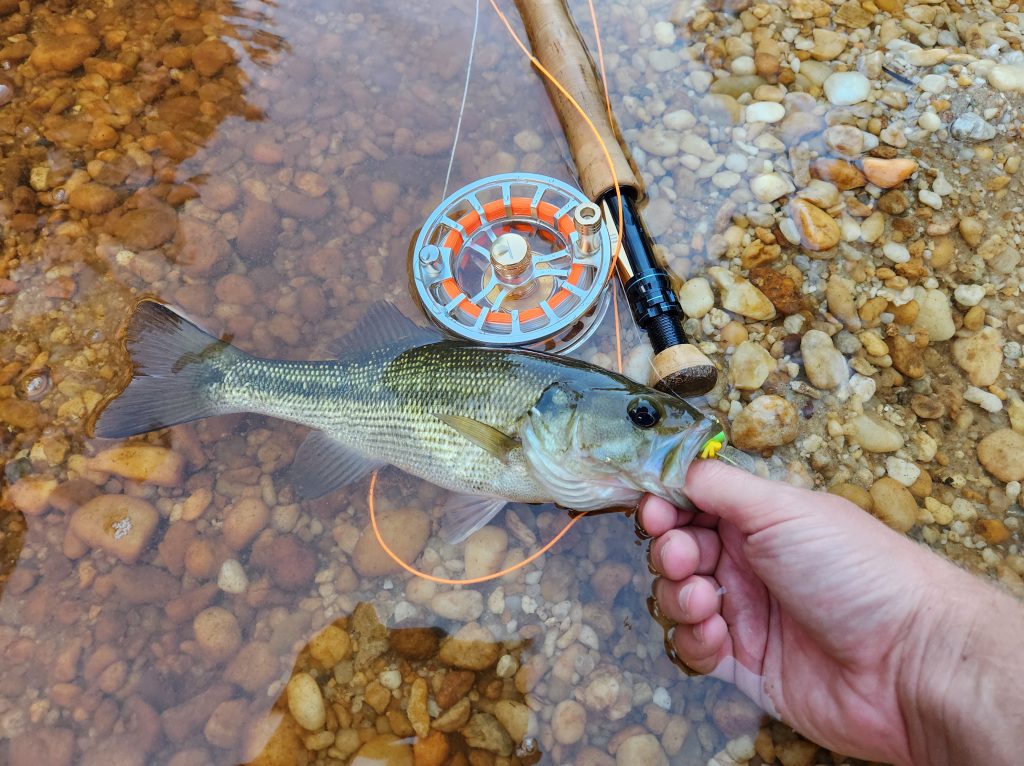
Fly selection is equally crucial, and Rockarts suggests using smaller, heavier flies that match the slower prey movement typical in winter. “I start small, maybe an inch and a half to two inches, and then bump it up if I want to,” he notes. Darker colors, like blacks and purples, work well in dingy or stained water, while lighter shades and reflective patterns are better suited for clear water. For more control over the fly’s movement, Rockarts recommends shorter leaders—about three to four feet—which help maintain sensitivity to subtle bites in cold water.
Staying warm is also essential in winter fishing. Wearing appropriate layers and waterproof gear ensures comfort, allowing anglers to extend their time on the water.
Techniques for Winter Fly Fishing Success
Winter fly fishing calls for a slower, more intentional approach. Rockarts advises adjusting the retrieve to reflect the bass’s reduced pace. “You want your fly to sit naturally in the water as it floats down through the current,” he says, emphasizing long, slow strips that keep the fly in the strike zone longer.
The swinging technique, where the fly drifts naturally with the current, is another method Rockarts recommends. “Let that line fall down in, and mend so the fly is just very slowly floating through the current,” he explains. This approach not only keeps the fly in front of the fish longer but also mimics the slower drift of prey, enticing bites even when bass are less active.
Selecting Effective Fly Patterns for Cold Water
In winter, fly patterns should match the limited forage and changing water conditions. Rockarts stresses the importance of matching fly colors to water clarity: “If it’s a little bit dingier, I’ll go with darker colors,” he says. “If it’s clear or has that ‘wintergreen’ tint, I’ll go with a natural baitfish color.”
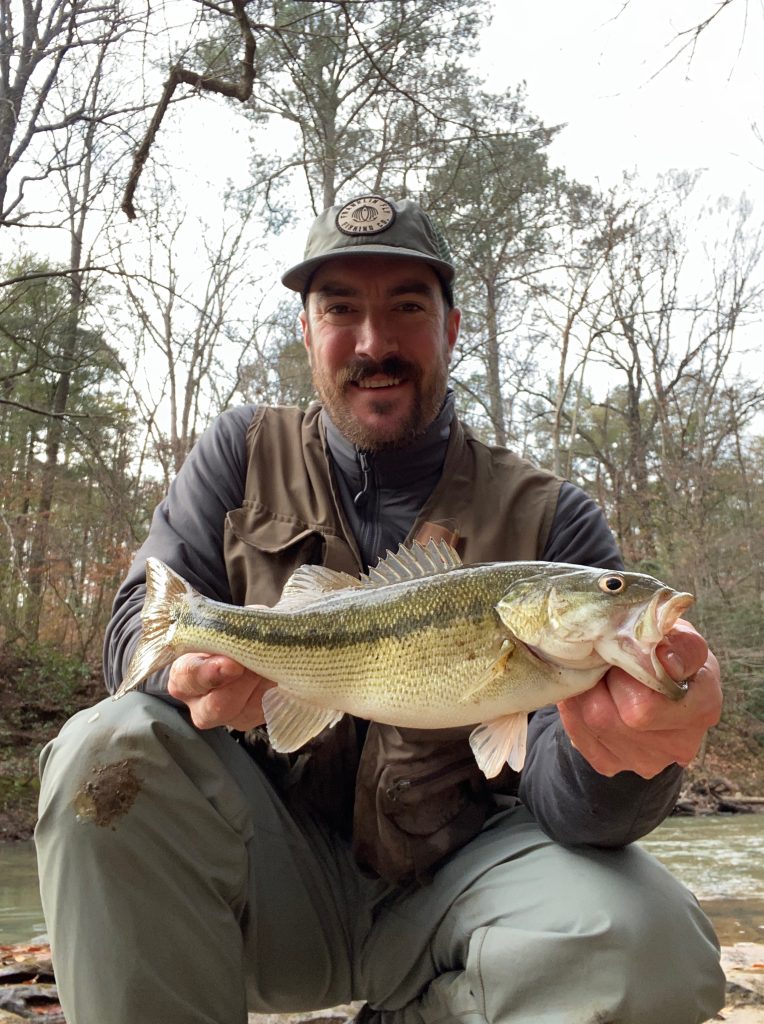
Size also matters. Rockarts advises starting with smaller flies and adjusting based on fish response. He begins with baitfish patterns, such as the classic clouser, around one to two inches and then scales up to larger, articulated flies if the bass show interest. “I start small, then bump it up if I want to,” he adds, allowing anglers to tailor their presentation to the bass’s preferences.
Challenges and Rewards of Winter Fly Fishing for Bass
Winter fly fishing presents its own set of challenges—cold weather and the bass’s slower, more selective behavior—but also brings significant rewards. “If you take the time to do your research, find those holding spots, and pick them apart,” Rockarts shares, “you’ll be rewarded.” The patience it requires and the thrill of hooking a weighty, pre-spawn bass make the experience memorable.
Conclusion
For Rockarts, winter fly fishing is an opportunity to pursue a skill-building, challenging season with big rewards. “It’s all about taking the chance and trying it out,” he says. “I’ll tell you this, most of our biggest fish come out of the water between December and February. Bass that were two pounds in the spring and summer are going to be fattened up to four or five pounds getting ready for pre-spawn. If you’re looking for weight and a good fight, winter is your best bet. But you have to get out there before the water comes up and find where they’re going to be holding.”