

The first time I saw an angler perched on the deck of a bay skiff with a tight-fitting, long-sleeved fishing hoodie pulled up over the brim of his hat, I shook my head. Fashion trends come and go in the outdoor world (the recent resurgence of old, blob-style camo among younger duck hunters is a good example), and I was positive I was looking at the newest flash-in-the-pan fishing fad. But when my dad had to go and have skin cancer removed, I took a second look at my closet. I have always loathed sunscreen and other lotions, but am unfortunately pale-skinned. I also have big ears that seem to have been purposefully designed to catch maximum sun exposure. The idea of a lightweight, breathable, comfortable, UV-resistant garment that covered the back of my neck and ears started to seem more functional than fashionable and thus to quest to find the best fishing hoodies began.
After buying and trying a few, I can say that fishing hoodies may be a fashion trend in the outdoor industry, but they’re also extremely practical. Some more so than others, which is why in this article we’ll be looking at how to evaluate the best fishing hoodies to make sure that you select the perfect garment for your fishing environment. Whether you’re hopping frogs across lily pads in the heat of summer, slow pitch jigging in the Gulf or jigging for open water crappie in the dead of winter, this article will help you select the perfect hoodie to keep you comfortable on the water.
Hot Weather Fishing Hoodies’ Selection Criteria
While it seems counterintuitive to wear long sleeves in the middle of summer, a lightweight hoodie in an appropriate fabric can keep you more comfortable throughout a day of fishing than a short-sleeved t-shirt. But not just any long-sleeved hoodie will work. A good summertime fishing hoodie must be breathable, provide protection from UV radiation, and wick moisture away from your skin in order to keep you cool, dry, and sunburn free.
Breathability
When you’re out fishing in hot conditions, your body tends to heat up quickly, especially if you’re active. A breathable hoodie allows air to circulate close to your skin, which helps to regulate your body temperature. This airflow is vital for keeping you cool and comfortable throughout your fishing trip.
A hoodie that doesn’t breathe well will trap heat and moisture against your skin. This can lead to excessive sweating, discomfort, and even dangerous overheating. In a warm and humid environment (like a lake on a hot, still day), this lack of ventilation can become particularly uncomfortable and can even lead to heat-related illnesses, like heat exhaustion.
A breathable fishing hoodie usually features lightweight materials (such as cotton, bamboo, wool, or a synthetic blend) and a design that facilitates air circulation. These materials often have moisture-wicking properties, which means they can draw sweat away from your body and allow it to evaporate quickly. This wicking action not only keeps you dry but also helps in cooling your body down.
Another aspect of breathability is the prevention of a clammy or sticky feeling against the skin, often experienced with non-breathable fabrics. When you’re spending hours outdoors, comfort is key, and feeling fresh and dry can greatly enhance your fishing experience.
UV Protection
A fishing hoodie with UV protection helps to shield your skin from the sun’s harmful rays. The fabric used in these hoodies is specially designed to absorb or block the majority of the sun’s UV radiation. This protective feature is often measured as UPF (Ultraviolet Protection Factor). A higher UPF rating indicates better protection against the sun’s UV rays. For example, a hoodie with a UPF rating of 50 allows just 1/50th of the sun’s UV rays to pass through, significantly reducing your skin’s exposure.
Wearing a hoodie with UV protection is especially beneficial for anglers because water can reflect and intensify the effects of UV rays. Even on cloudy days, UV rays can penetrate through the clouds, making protection necessary at all times.
Furthermore, UV-protective clothing provides a more consistent defense compared to sunscreen, which can wash off or be applied unevenly. It also covers areas that might be missed or neglected when applying sunscreen, such as the back of the neck or ears.
Moisture-Wicking Properties
As you fish, your body naturally produces sweat to cool itself down. However, if this sweat isn’t properly managed, it can lead to discomfort and even health risks like overheating. This is where the material of the hoodie becomes crucial.
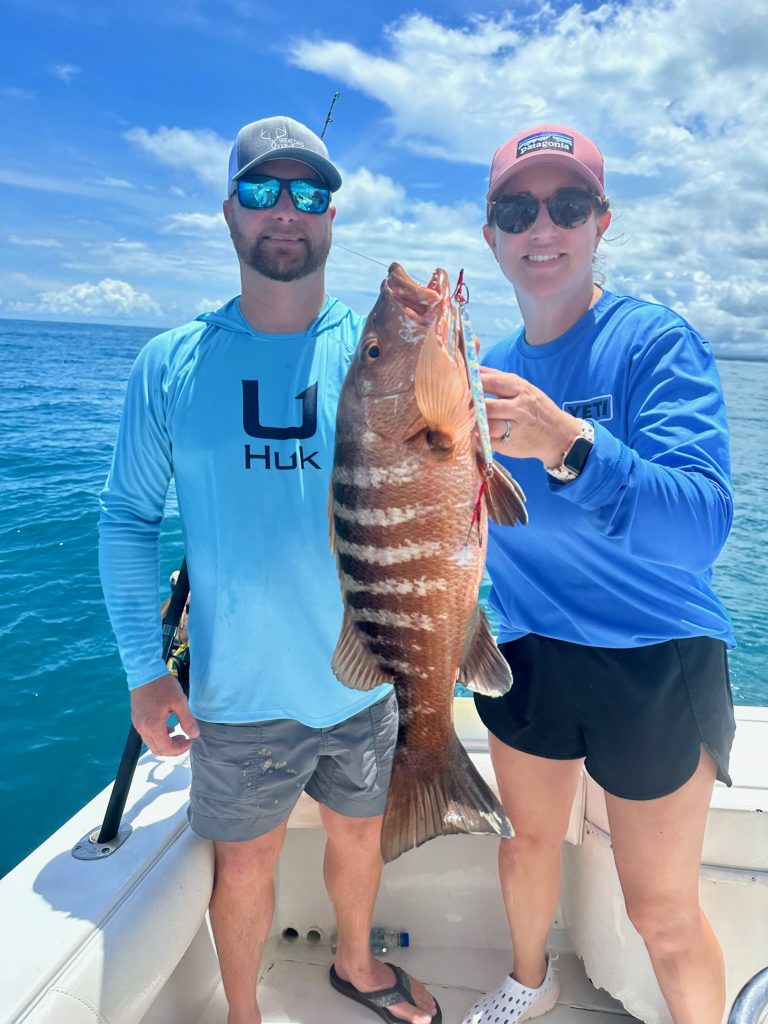
Traditionally, cotton has been a popular choice for its comfort and natural feel. However, cotton absorbs moisture and takes a long time to dry, which can lead to a damp and uncomfortable experience, especially in warm, humid conditions. On the other hand, synthetic fabrics, such as polyester or nylon, are designed to wick moisture away from the skin. These materials are engineered to draw sweat to the surface of the fabric, where it can evaporate more quickly. This keeps you dry and comfortable, even during long hours under the sun.
In addition to synthetics, another excellent material for warm-weather fishing hoodies is bamboo fiber. Bamboo is known for its natural moisture-wicking and antibacterial properties. It’s also incredibly soft, adding to the comfort factor. Unlike cotton, bamboo doesn’t hold onto moisture, allowing it to evaporate more efficiently and keeping you cooler and drier.
Aside from comfort, moisture-wicking fabrics play a crucial role in regulating body temperature. By efficiently moving sweat away from the body and aiding in its evaporation, these fabrics help to cool the body down, reducing the risk of overheating. This is particularly important when fishing in warm climates, where excessive heat can lead to heat-related illnesses.
Additional Features
When selecting a good fishing hoodie, anglers should consider several other features beyond the basics of breathability, UV-protection, and moisture-management in order to enhance their fishing experience.
The hood design, for example, is crucial for both comfort and functionality. A well-designed hood should provide ample coverage without obstructing peripheral vision, which is essential for safety and ease when casting and navigating the fishing environment. Additionally, a hood that is compatible with a hat or a cap is crucial, since most anglers wear headgear for extra sun protection and to shade their eyes.
Thumb holes in the cuffs are another feature that can be extremely beneficial in a fishing hoodie. These holes allow the angler to extend the sleeves over their hands, providing additional protection from the sun without requiring gloves that make it difficult to tie knots and handle fish.
In addition to these features, there are other aspects to consider. For instance, pockets can be highly useful in a fishing hoodie. Pockets that are strategically placed and secure, such as zippered or Velcro pockets, can provide convenient storage for small fishing gear or personal items. Some hoodies also feature special loops or attachments for fishing tools, enhancing practicality.

Another important feature is the overall fit and mobility offered by the hoodie. Anglers often engage in a range of movements, so a hoodie that allows for unrestricted movement without being too loose or baggy is ideal. This ensures comfort and flexibility while casting, reeling in fish, or navigating the boat or fishing spot.
Lastly, durability is key. Fishing environments can be harsh, and gear is often subjected to elements like saltwater, sun, and rough terrain. A well-made hoodie that can withstand these conditions and repeated washes without losing its shape, color, or functionality is a wise investment for any angler.
Cold Weather Fishing Hoodies’ Selection Criteria
While a performance cold weather fishing hoodie may look similar to your old cotton hoodie that you wear around the house on cool days, the similarities are superficial. To keep you warm, dry, and protected on cold, wet boat rides, look for a hoodie that has ample insulation, water resistance, and a wind-blocking membrane.
Insulation
When fishing in cold weather, the body can lose heat rapidly, especially when exposed to elements like wind, moisture, and low temperatures. An insulated hoodie acts as a barrier against cold temps, helping to keep the body warm and functional.
Insulated fishing hoodies are designed to trap and retain body heat, creating a warm microclimate close to the skin. This is crucial because maintaining a stable core temperature is not just a matter of comfort but also safety. Extreme cold can lead to hypothermia, where the body loses heat faster than it can produce it, potentially leading to serious health risks.
Fleece is the most common insulator found in cold weather fishing hoodies, since it is comfortable and moisture resistant. High-loft and “berber” style fleece materials usually provide more insulation than other varieties. Another thing to look for when evaluating fishing hoodies is whether they use a double or single layer of fleece. A double layer will provide more insulation than the oftentimes cheaper single layer hoodies.
Water Resistance
Water resistance is a critical feature in a cold-weather fishing hoodie, playing a pivotal role in keeping anglers dry and comfortable. When fishing in cold conditions, exposure to rain, snow, or even just the damp environment typical of lakes, rivers, and seas can lead to getting wet. A wet hoodie not only causes discomfort but can also drastically reduce the garment’s ability to keep you warm, potentially leading to hypothermia in extreme cases. This is where water resistance becomes vital.
A fishing hoodie with water-resistant properties is designed to repel water, preventing moisture from penetrating the fabric. This ensures that the hoodie remains dry, or dries quickly if it does get wet. One common method used to achieve water resistance in clothing is the application of Durable Water Repellent (DWR) coatings. DWR is a treatment applied to fabrics that causes water to bead up and roll off the surface, instead of soaking in. This not only helps to keep the outer layer of the hoodie dry but also maintains its breathability, as a soaked fabric would hinder the passage of air and moisture.
However, it’s important to note that water resistance does not mean waterproof. While water-resistant hoodies can handle light rain or splashes, they may not hold up under prolonged or heavy exposure to water. For extreme conditions, a waterproof jacket might be necessary, although these can sometimes sacrifice breathability for complete water protection.
Wind Protection
Additional Features (Pockets, Hood Design, Cuff Design)
The design of the hoodie also contributes to its insulating properties. Features like a high collar, snug cuffs, and an adjustable waistband can prevent heat from escaping and cold air from entering. Some hoodies come with a double-layered design or additional insulation in critical areas like the core and the back, offering extra warmth where it’s needed most.
Best Fishing Hoodies: Examples
Ultimately, which fishing hoodie is “best” for you boils down to how you’ll be using it. No one hoodie will keep you comfortable all year. Cold weather in particular usually requires a layering “system” to keep you comfortable as temperatures fluctuate throughout the day.
When fishing in colder temperatures, it’s important to think in terms of base, mid, and outer layers. Respectively, these layers serve to wick manage skin-level moisture, provide insulation, and protect from hard wind and rain. It’s difficult to find one garment that does all of these things at one time, and wearing layers also allows you to add and remove layers depending on various factors, such as time of day, whether you’re stationary or underway, or if you’re in the shade or in the sun. A 40 degree day can feel much colder if you’re riding across the bay under heavy cloud cover, for example, than it does if you’re casting on the deck in exposed sun.
With that in mind, here aresome examples of well constructed fishing hoodies if you’re looking to build a wardrobe that can take you from summer to winter.
Best Warm Weather Fishing Hoodie
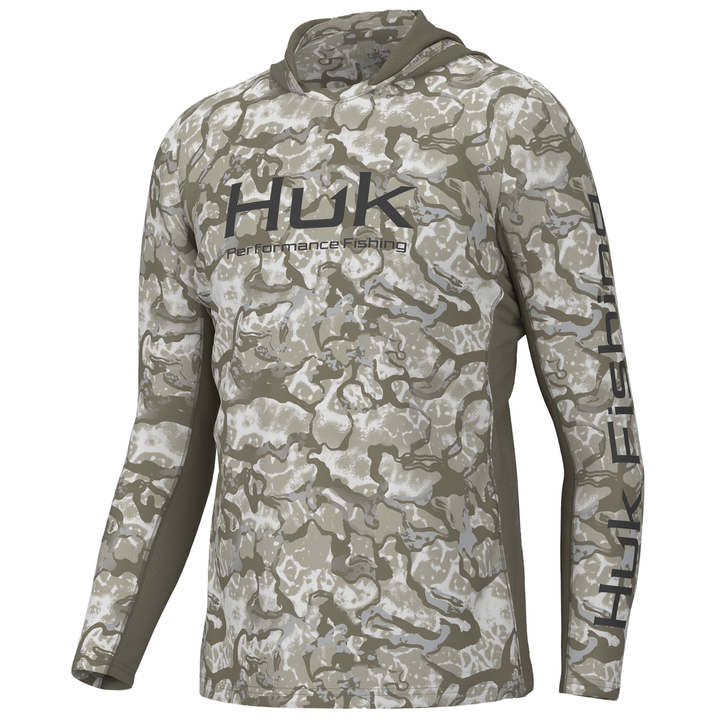
The Huk Icon X Hoodie is an excellent synthetic fishing hoodie with a 50+ UPF rating and a specially woven fabric that is more breathable than your typical polyester material. When field tested off the coast of Costa Rica on hot and humid sun-soaked days, our editors reported that it performed substantially better than other hoodies they packed in terms of how dry and cool it kept them. The Micro perforations in the material weave was a big part of the heat and moisture transfer.
Best Cool Weather Hoodie To Use As A Base Layer

For cooler days or to use as a base layer on cold ones, Huk’s Coldfront Hoodie is tough to beat. It is wind and water resistant, and the 4 way stretch material wears well under other layers. The hollow core fibers also give the garment good weight-to-warmth value without adding unwanted bulk.
Best Cold Weather Fishing Hoodie

For colder days, the Huk’d Up Performance Fleece Hoodie works well by itself, layered over the Coldfront Hoodie, or worn under a wind and waterproof shell. It has the traditional “kangaroo pocket” that you’re used to, and hood drawstrings that allow you to draw the hood tightly around your head to trap warm air.
Best Wind And Waterproof Fishing Hoodie

Hoodies are great, but truth be told, they’re not a be-all, end-all upper-body garment. A wind and water-resistant fleece hoodie will get you through light breezes and the occasional splash over the bow, but on rainy days with driving winds, it’s best to have a good outer shell to throw on over your fleece hoodie.
The Huk Grand Banks Tidal Map Jacket is the perfect jacket to pair with a hoodie for extreme cold weather. It has a water and windproof membrane, as well as a waterproof chest pocket for your phone, keys, and wallet. It also features pit zips that you can use to allow better ventilation if the temperatures start to rise, but the rain keeps falling.
Final Thoughts
While they may not look like your dad or grandad’s idea of “fishing shirts,” technical performance fishing hoodies solve real problems and are here to stay. If you haven’t added a few to your closet, you’re missing out!