
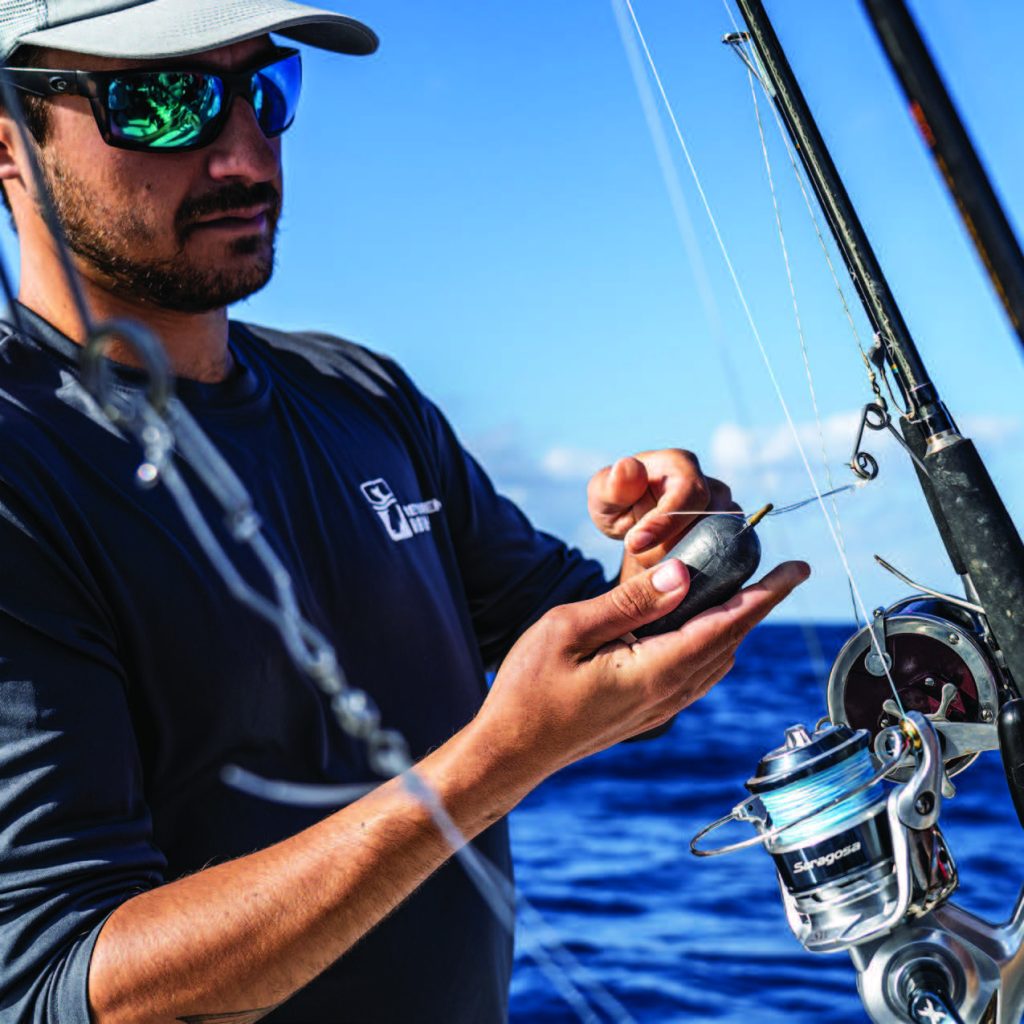
When fishing offshore have you ever experienced fish floating on the surface upon release? Wondering to yourself, “Why won’t that fish go down?” or, “Welp, that’s sharkbait…” Maybe you’ve reeled a fish in from the depths and seen its stomach sticking out of its mouth. This happens when a fish has experienced barotrauma injury. Using a vent tool or fish descending device is the best way to avoid killing fish that could be potential trophy offshore catches, and to prevent needlessly killing a trophy fish that could pass on key genetics. It may not be the law, but it is a good idea to release these fish properly so that the amazing God-given resource we have in the Gulf of Mexico and other systems across the world is never depleted.
For this article, we took the time to discuss descending fish with Return ‘Em Right’s Nick Haddad, who broke down the pros and cons of descending fish and how it can impact the marine sciences as well as our fisheries.
Understanding Barotrauma
Nick gave an amazing explanation and broke down barotrauma and gave some science behind what is happening to the fish as they experience this injury when being reeled in from depth. A key thing to understand is that not all fish species experience barotrauma, such as Tuna, Wahoo, Mahi Mahi, and Mackerel. Barotrauma commonly occurs in reef fish like Triggerfish, Snapper species, and Grouper species as well as deep water species like Tilefish, Bearded Brotula, and Long Tail Sea Bass. Barotrauma is the expansion of gasses inside of the fish’s swim bladder when coming from bottom to surface which causes a rapid decrease in pressure. Signs of barotrauma injury include raised scales and rough looking patterns along the fish’s body, bulging eyes, and the most common, the stomach being pushed out of the mouth. When seeing the large bulge of tissue protruding from the fish’s mouth, most assume this is the swim bladder. But Nick Haddad explains that what is observed is actually the stomach, pushed out of place by the expanded swim bladder.
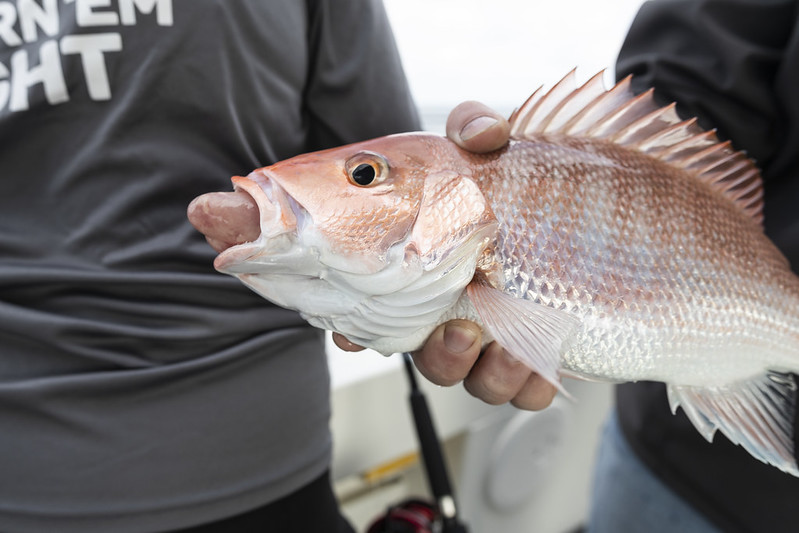
When a fish experiences this expansion of the swim bladder, it cannot swim back down to depth upon release. When the swim bladder expands it’s like trying to swim down with a life jacket. A fish’s swim bladder must be vented in order to release the fish properly.
Ethical Considerations When Releasing Fish
There are several ethical takes worth considering when talking about releasing these offshore fish, especially with a fish descending device. The first of them is avoiding unneeded injury to the fish’s internal organs by venting the swim bladder when a descending device is onboard. A venting tool is an excellent piece of equipment to have on hand, especially when a descending device is not present. However, venting tools poke holes inside the fish’s swim bladder causing injury that changes the fish’s behavior and requires some time to heal until they are back to one hundred percent. Nick Haddad gives some science to support this theory saying that there have been several acoustic telemetry tags that suggest fish after venting will stay on bottom longer than usual waiting on the healing process to occur. Usually, the fish heal up just fine, but there is always risk of infection when injuring the internal organs.
Another thing to consider is stewarding the resource. As highlighted in the intro, we as fishermen are here to steward what was given to us by God and passed on from generations before. It’s our duty to ensure its sustainability, as well as make it better if possible. Releasing these fish properly ensures fish have a higher chance of living to fight another day rather than allowing them to float on the surface for shark bait. Another facet of stewarding the fishery is having the ability to allow trophy sized fish to be released to breed again and pass on their special genetics. Some fish are meant to be harvested and may not release well, but it is important to keep in mind what a healthy trophy fish can do for our fishery if healthy enough for a release. To guarantee a quality release it can be best to have both tools on board, the venting tool and a descending device.
Benefits Of Descending Fish
Let’s go over some of the benefits of descending fish for release rather than using a vent tool or using nothing at all. When a fish that has experienced barotrauma isn’t vented or released properly and an angler does nothing to fix that issue, the fish is guaranteed to float on surface and never make it back down to depth, almost certainly becoming shark bait or bird food. Doing nothing is never the right option.
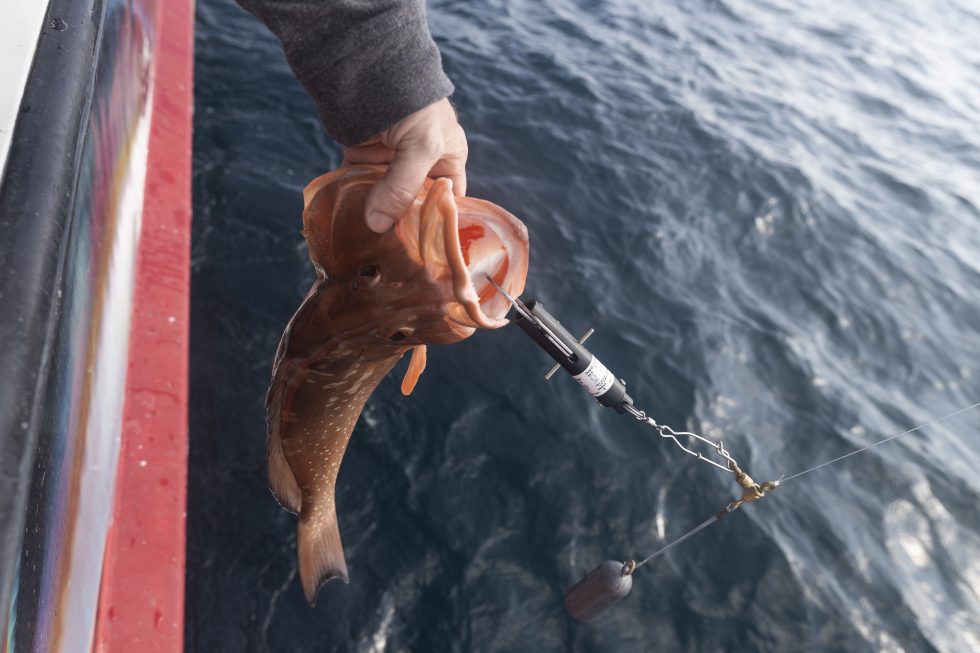
Venting has traditionally been the most popular way of releasing fish that have experienced barotrauma. By poking a hole inside of the fish’s swim bladder with a sharp pointed vent tool, an angler is able to relieve the gaseous pressure the fish is experiencing, allowing it to swim back to bottom where he was retrieved from. Venting is a great method and gives the fish the ability to fight another day, but may cause internal injury or infection as mentioned above.
A fish descending device, on the other hand, prevents further injury to the fish by bringing the fish back to depth without causing bodily injury. The descending tool brings the fish back down to bottom with a weight, which allows it to then regulate its internal pressure and decreases the pressure on the swim bladder thus causing it to regain its ability to swim and guarantees the smoothest release and healthiest release for fish that have experienced barotrauma injury. Another positive of the descending device is that it doesn’t require extra injury to the fish by a possible miss with the venting tool needle on a day with rougher seas.
Techniques For Descending Fish
The four most popular techniques for releasing fish are the venting tool and three different fish descending devices. The first of these descending devices are the Seaqualizer, a lip grip type of gripper rigged on a fishing pole that descends the fish with a heavy weight and opens up when pressure is taken off of the line after descending to bottom.
The second of these are a device that uses the same fishing pole/weighted method with an inverted barbless hook that releases the fish easily. The third of these is a hand made, net-style releasing device that traps the fish with a weighted descent and releases them when the net is retrieved.
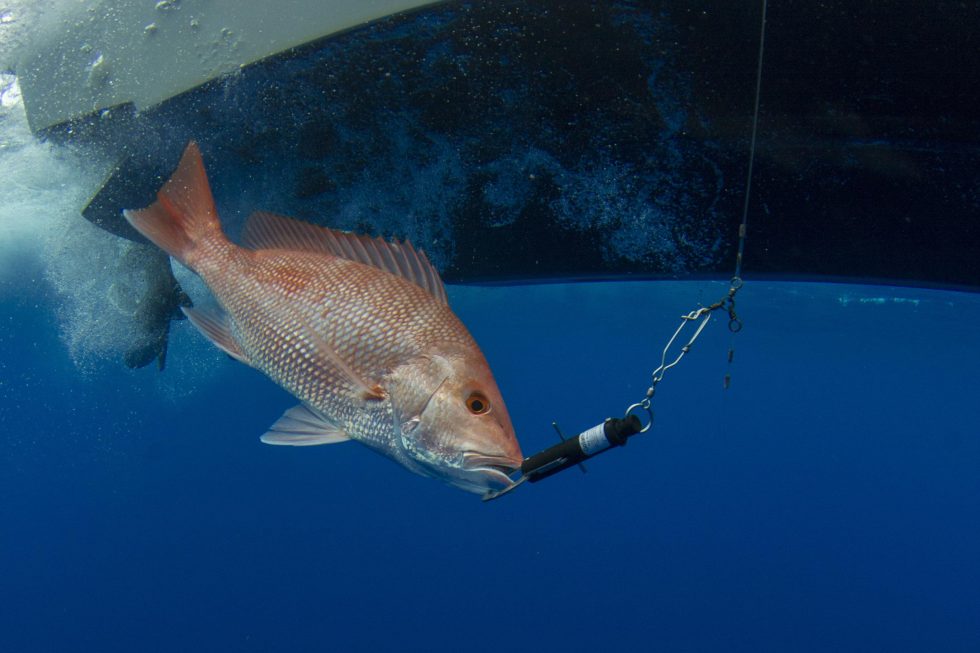
Seaqualizers and inverted hook descending devices can be obtained for free by taking a fifteen minute education video on returnemright.org. This descending device pack has a $100 value and could be a major contribution to properly releasing fish and stewarding your local resource. Return ‘Em Right’s initiative has now deployed over 30,000 descending devices in less than two years and plans to increase those numbers to impact our fisheries for years to come. You can sign up to review the best practices and receive your free fish descending device here.
Final Thoughts
In conclusion, whether or not it is required by law, there is just no reason not to descend a fish. Not only does it guarantee a better release and chance for the caught fish’s survival, but it also gives the angler the ability to contribute to a positive fishery for years to come. It also reduces internal injury to the fish which can be caused by the “old reliable” venting tool. Finally, in addition to preventing barotrauma, a descending device can be used to quickly return a fish to depths where they are safe from sharks and other predators.
The Return ‘Em Right project seems like a positive initiative for all offshore and nearshore anglers to be a part of and could be the reason your next released catch gets a good release and swims back home. Don’t forget to check out returnemright.org to get your free descending device today!