
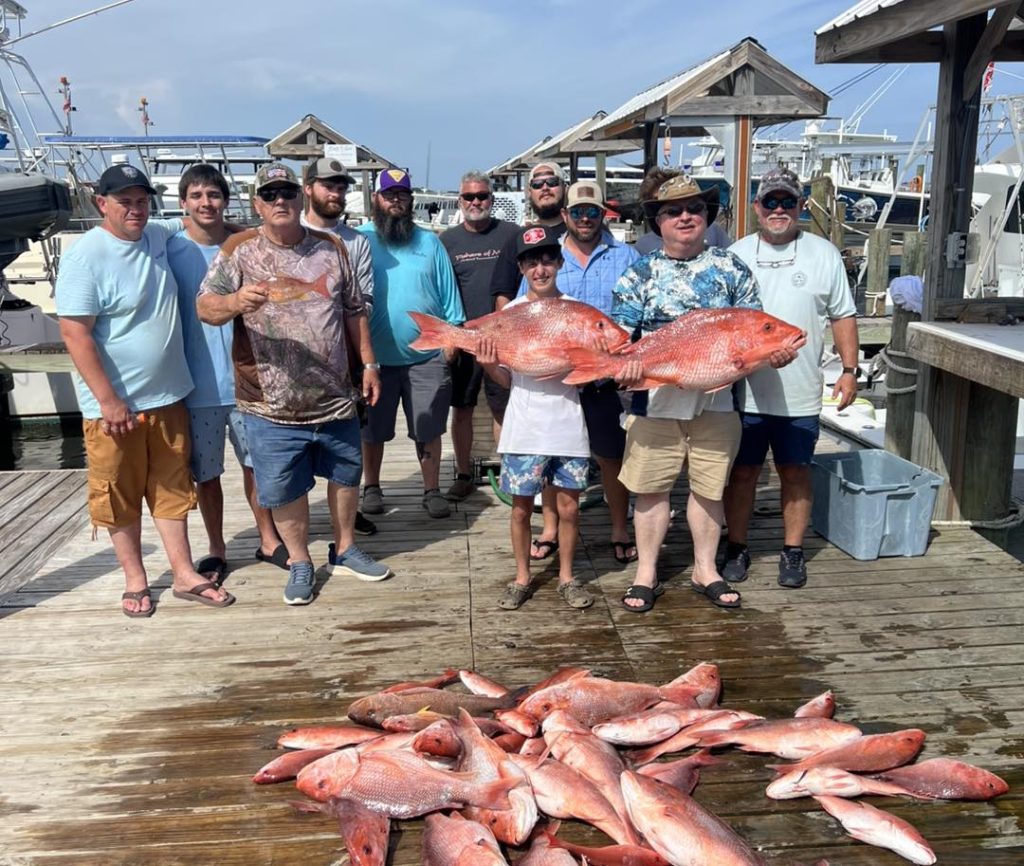
For most anglers, a day trip is the norm. You launch before sunrise, put in your hours, and head home tired but satisfied before dark. But stepping up to an overnight offshore trip is a whole different adventure. It’s not just about catching fish; it’s about watching the sun sink into the sea with nothing but open water on the horizon, staring down into 10,000 feet of black water under the boat, and waking up to another morning bite already lined up. Joe Baya and Butch Thierry have experienced this firsthand with Capt Mike’s Deep Sea Fishing on Dauphin Island, and they’ll be the first to tell you: an overnight fishing trip can be unforgettable, but only if you plan it right.
Why Overnight Fishing Trips Are Special
An offshore overnight fishing trip isn’t just about stretching your fishing hours. It’s a front-row seat to the wild and mysterious Gulf of Mexico, one of the most fascinating and diverse bodies of water in the world. For centuries, these waters off Dauphin Island have shaped the lives of coastal communities, and to spend two nights out there is to see a side of the Gulf that most folks only hear about in stories.
The first thing you notice is time itself. With forty-eight hours to work with, you’re not gambling everything on a single morning bite. If the fish aren’t cooperating early, you’ve got another sunrise, another tide change, and another shot to reset. That freedom means you can push farther—sometimes 60 miles, sometimes 120—into places that day trips simply can’t reach. Out there, you’re not just fishing; you’re exploring.
Then comes nightfall. When the engines cut off and the boat drifts in 10,000 feet of water, the Gulf transforms into something unforgettable. Joe Baya put it best: “For me, it’s when you shut those engines down at night and I got the underwater lights on, and you just never know what you’re going to see. Even though we’ve spent countless nights out there, I feel like I see something new every single time I go.” Under the lights, squid and flying fish swarm. Manta rays as wide as the stern glide silently out of the dark. On some trips, it’s whale sharks standing vertical in the water, gulping plankton as tuna circle around them. Other nights, it’s swordfish crashing baits under the moonlight.
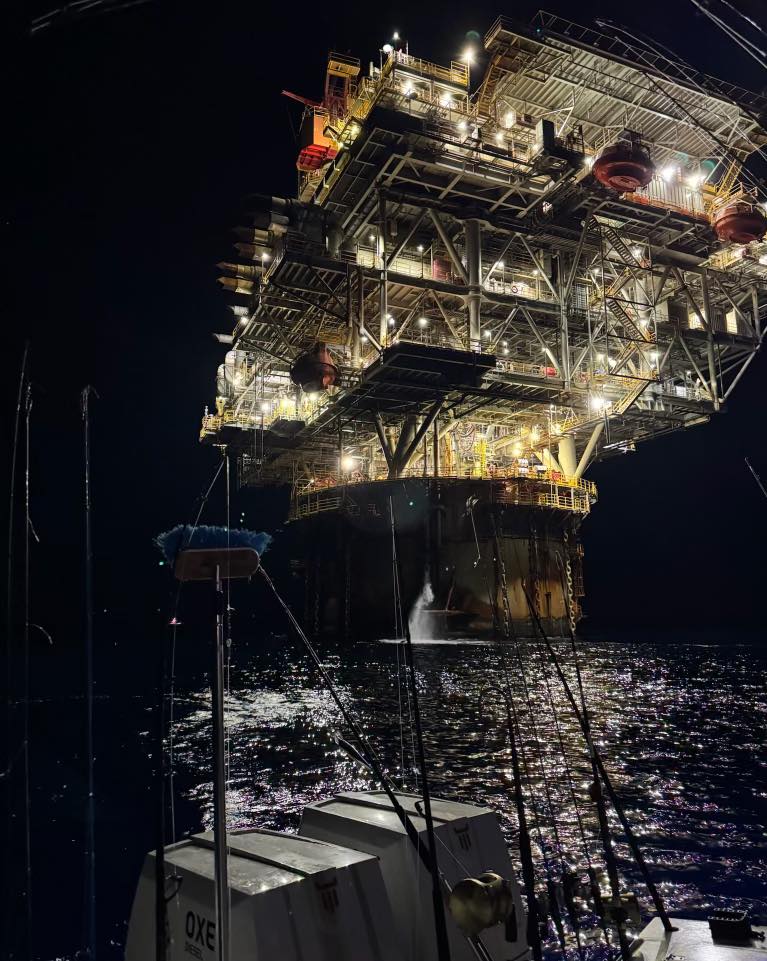
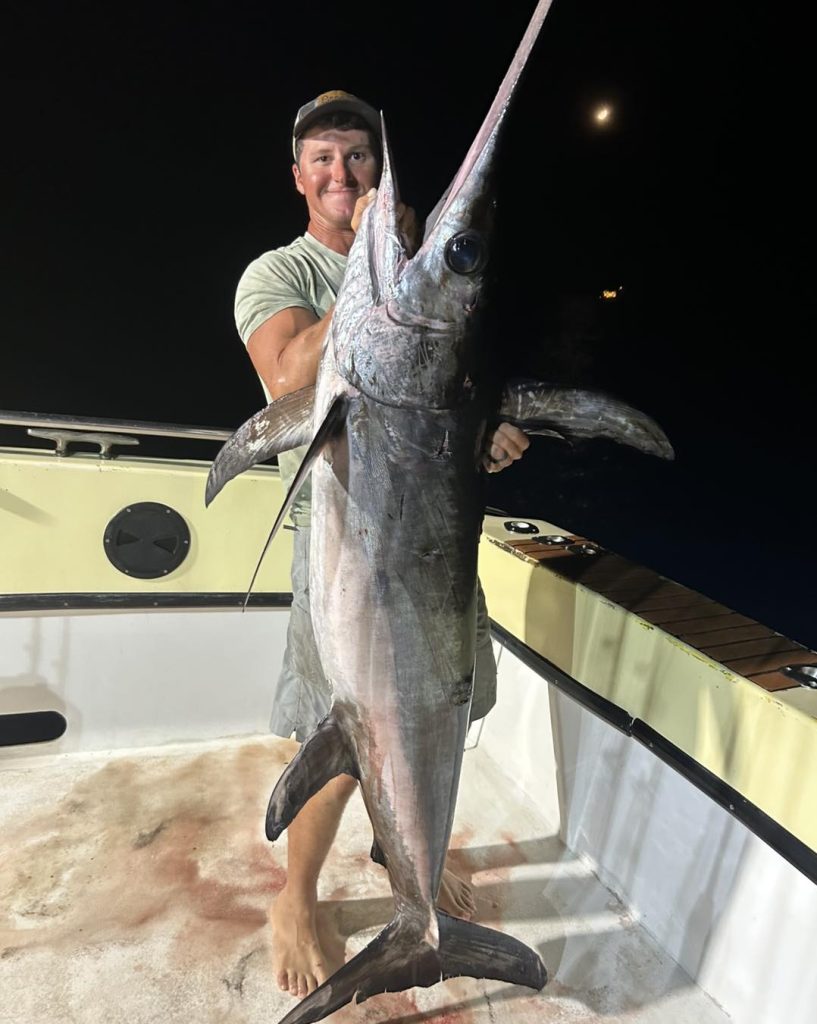
The stories pile up. Butch Thierry remembered battling a giant swordfish with his brother at the helm, the fish leaping under the outrigger in the moonlight. “He spun that boat on a dime, and it was just a really cool experience to get to do that with him,” Butch said. Joe recalled casting for tuna one quiet night when three manta rays, each close to twenty feet across, rose from under the boat and nearly scared him out of his boots. Another time, his wife caught a massive swordfish that lit up the back deck in chaos and excitement. These aren’t the kinds of moments you can plan for—they’re the kind that only happen when you put yourself in the middle of the Gulf with time to let the unexpected unfold.
That’s why overnight trips are special. They give you variety—trolling for pelagics by day, deep-dropping for grouper, and chunking for tuna at night—but they also give you a glimpse of the Gulf’s vast, historic wilderness. Out of Dauphin Island, it’s the perfect way to experience the heart of the Gulf of Mexico, not just as an angler chasing fish, but as a witness to a living, breathing sea that still holds surprises for anyone willing to venture far enough to see them.
Don’t Go It Alone
As thrilling as an overnight Gulf trip sounds, it’s not something to tackle on your own. The Gulf of Mexico may look calm and inviting, but its usually placid waters can turn into squalling tempests with astonishing speed. Anyone who’s lived along the coast remembers names like Camille, Ivan, Katrina, and George—storms that leveled cities and reshaped entire coastlines. Those hurricanes are the most dramatic examples, but even a sudden squall offshore can turn a smooth trip into a fight for safety. When you’re a hundred miles out of Dauphin Island, there’s no marina to duck into. You’re out there in deep water, and the only thing between you and the storm is your crew and your preparation. Joe puts it plainly: “If I didn’t have the experience that I have doing it—and I’m still nervous about doing it on my own—I wouldn’t recommend somebody learn how to do this on their own. It’s too much for the casual angler”.

That’s why choosing the right crew is the most important decision you’ll make. A seasoned captain and deckhands don’t just put you on fish, they keep the trip safe. On a proper boat, someone is awake and on watch 24/7, radar is monitored, backups are in place for everything from engines to generators, and the crew knows how to handle emergencies. Without that level of experience and vigilance, you’re putting yourself and everyone onboard at risk. With it, you can relax, fish hard, and enjoy the ride knowing the boat is in good hands.
Who’s in Charge? Pick a “Dictator”
One of the biggest mistakes groups make is trying to plan an overnight fishing trip by committee. It never works. As Joe puts it, you’ve got to have a dictator—one person who takes charge, makes the calls, and carries the responsibility. That starts with booking the date. Don’t try to get ten friends to agree on their schedules. Pick a weekend, call the boat, and book it. Whoever can go will go.
Once the date is set, the dictator’s next job is money. Nobody wants to hear a laundry list of costs, tips, and fees. Roll it all into one number. Joe’s formula looks like this: a two-night trip for 10 costs about $9,000, plus a 20% tip for deckhands and fish cleaning, and about $900 in groceries to feed everyone. That comes out to just under $12,000 total. Divide it by nine anglers, not ten, and the number you give your buddies is simple: $1,300 each. Drinks are BYO, but water and coffee are covered.
Why divide by nine? Because someone always backs out at the last minute. By charging for nine, you build in a cushion so you don’t have to chase down the rest of the crew for extra money when that happens. If all nine show up, you can cover your own spot for the trouble of coordinating everything, or sweeten the pot with a “big fish pool” where the angler with the heaviest catch wins their trip for free.
Feeding the Crew Right
If there’s one thing that will derail an otherwise great trip, it’s poor planning around food. After long hours of hard fishing, nobody wants to sit down to a can of cold ravioli or eat sandwiches breakfast, lunch, and dinner. As Butch put it, “Years and years of working on charter boats, I’ve seen some pretty poor planning, and I’ve literally had to eat microwave fish out on the boats because no one brought any meat!. And that’s not very fun to be out there and go, who brought the food? Like—what food?”
He remembers another trip that still makes him laugh: “I ate like, 113 double cheeseburgers one weekend because that was all they brought to eat. Literally bought, like, 400 double cheeseburgers for everybody to eat all weekend, breakfast, lunch, and dinner. And I haven’t eaten one in 15 years because of that”. Those kinds of missteps don’t just leave you hungry—they can sour the entire crew’s mood.
The better way is to put someone in charge of meals the same way you put someone in charge of booking the trip. “I can’t stand those trips where it’s like, alright, Jimmy’s bringing the paper plates and the napkins, and Butch has got breakfast for day one. And then somebody forgets the bread, or forgets the meat, and now you’re stuck,” Joe said. “You’ve got to have a “general contractor” for the food, somebody who’s just going to handle it all”.
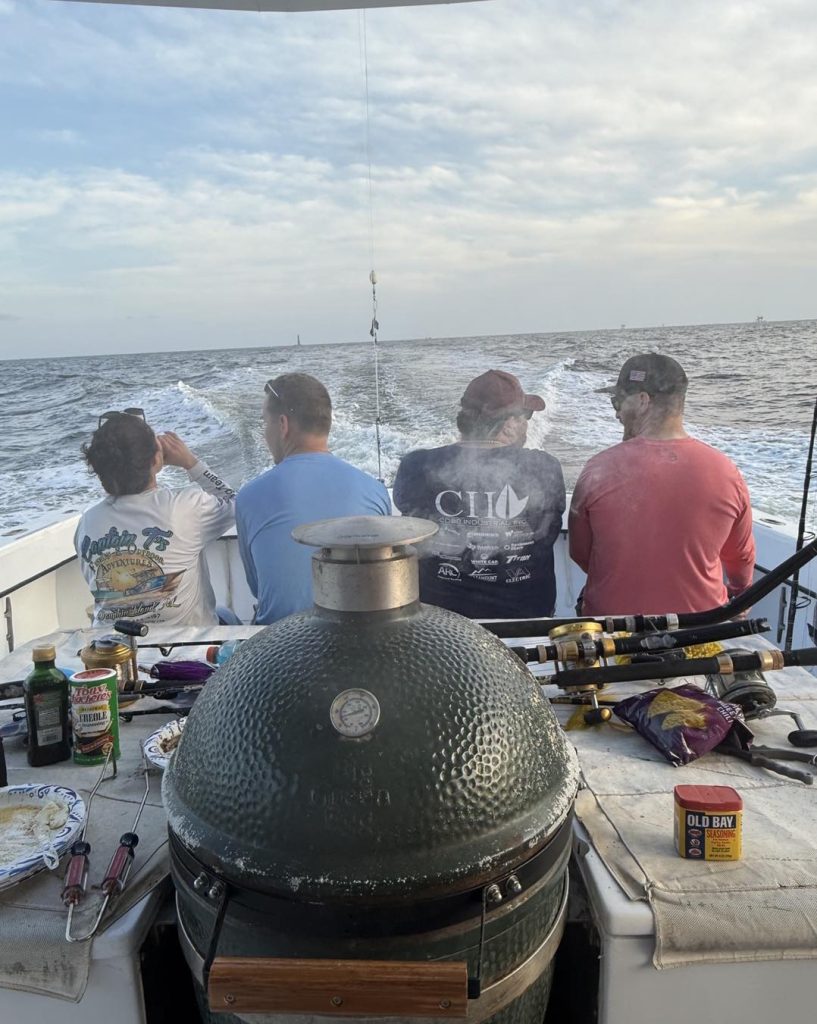
For Joe and Butch, that means shopping together the day before, prepping casseroles and sides, smoking a Boston butt for barbecue, and making sauces ahead of time so meals come together easily at sea. “When we go, we eat good,” Joe said. “I’m out there making fish tacos with fresh, cooked tortillas and cilantro lime sauce. We don’t eat reheated cheeseburgers! It’s vital that your boat has good cooking facilities, like the Big Green egg on the back of the Escape and the Lady Ann with Capt. Mike’s Deep Sea Fishing, the boat I fish on when I go.”
That kind of preparation does more than just keep bellies full. It sets the rhythm of the trip. “When you feed people well, they fish hard. When they fish hard, you catch more fish. And it just all kind of snowballs into a good trip,” Joe explained. With proper meals, crews stay sharp, energized, and focused on fishing instead of scavenging snacks or dozing off. You can’t control the fish biting, but you can control the menu.
What to Pack On An Overnight Fishing Trip
Packing for an overnight fishing trip isn’t like tossing a cooler and a rod in the truck for a Saturday morning run. Once you’re offshore, there’s no turning back for something you forgot. The Gulf is unpredictable, so bringing the right gear can mean the difference between being comfortable and miserable.
Start with clothing. Even in the summer, nights offshore can get damp and chilly. Rain gear is non-negotiable—not just for storms, but for keeping dry on a dew-soaked deck at 1 a.m. A good set of bibs and a waterproof jacket will block the wind and spray, letting you fish through squalls instead of hiding in the cabin. Pack a little more clothing than you think you’ll need, including fresh shirts, socks, and shorts or pants for each day. There’s nothing like pulling on clean clothes after a hot shower to feel recharged. And don’t skimp on bedding: a sleeping bag, a real pillow, and a light blanket make a bunk feel like home and ensure you get the kind of rest that keeps you sharp. It get’s cold in that cabin, so pack enough to stay warm at night.
Lighting is another must-have. Joe admits one of the things he often forgets is a headlamp, but it’s essential. “It’s dark on the inside of that boat at night,” he said. “The last thing you want to do is flip on all the cabin lights and wake everybody up. A headlamp helps you get around without bothering anyone”.
Personal items matter just as much. Pack towels for showers, a dopp kit with toothbrush and toiletries, sunscreen for long days in the sun. Nitrile gloves are handy for whoever ends up cooking—nobody wants “pogy fingers” in their tacos. A hat, sunglasses with retainers, and a buff or gaiter to protect against windburn will all get heavy use.
On the fishing side, most charter boats are fully stocked with tackle, bait, and backups for everything from rods to engines. But if you’re particular about your gear, bring your favorite setups, hooks, and lures. Always store them in waterproof boxes or bags; saltwater has a way of finding every bit of exposed metal.
Finally, don’t forget comfort items. Flip-flops or deck shoes that dry quickly, a hoodie for chilly watches, and snacks you personally like can make a big difference. The boat will have coffee and water, but Joe recommends everyone bring whatever else they want to drink—Gatorade, sodas, beer, or even a bottle of bourbon—so nobody is stuck with something they don’t like.
Walk-On Trips: A Solo Option
What if you don’t have nine buddies ready to commit? That’s where walk-on overnight trips come in. You can book a spot on a larger boat with strangers, and more often than not, the camaraderie is instant. Everyone is there for the same reason: fishing hard and having a good time. Gear and catch are usually shared, so you may not be the one who battles a hundred-pound yellowfin, but you’ll still head home with fresh tuna steaks. And you just might leave with a new friend or two.
Final Thoughts
An overnight fishing trip isn’t something you’ll forget. From fighting swordfish under moonlight to waking up with whales cruising the slick, it’s one of the richest experiences the Gulf has to offer. But the memories only happen if the planning is tight. Pick a date, simplify the costs, feed people well, and bring the right gear. Do that, and whether the fish bite or not, you’ll come home with stories worth telling for years.