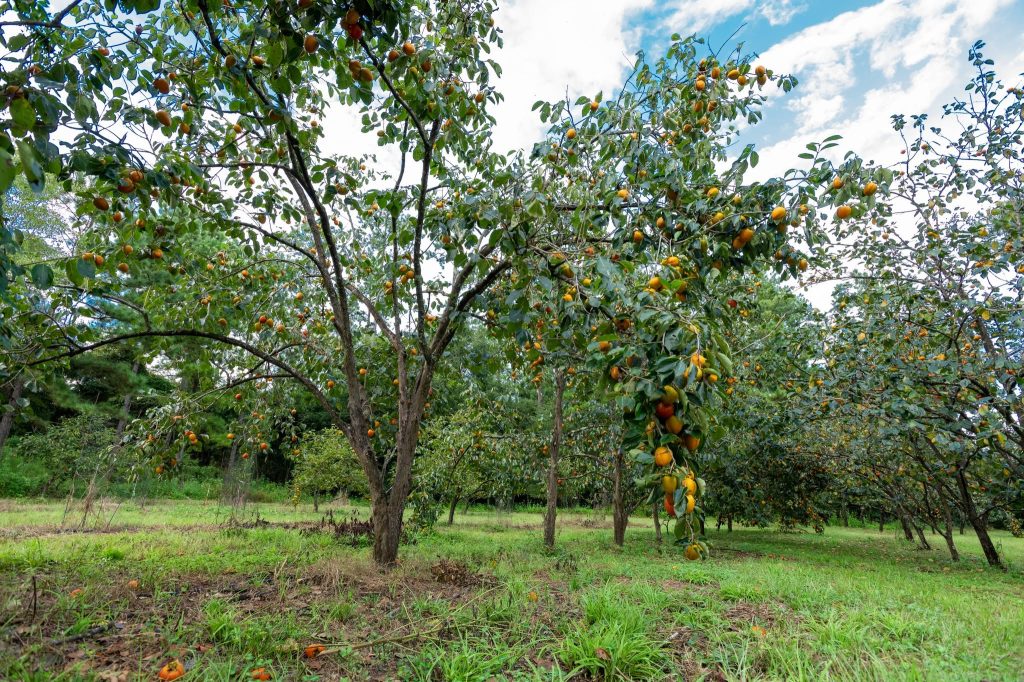
Improving a piece of deer dirt isn’t about a single silver bullet. We talk a lot about food plots, native browse, and the acorn crop, but selecting the best fruit trees for deer should be part of the conversation too. If you want to truly anchor deer to your property, you have to give them a reason to visit year-round. A well-executed soft mast plan has to be part of that effort. It creates a recurring pattern of movement that deer and their offspring rely on season after season.
The biggest pitfall for most landowners is the “shotgun approach”, tossing a few random fruit trees in a corner and checking a box. To see real results, you have to think like both an orchardist and a hunter. The real key to choosing the best fruit trees for deer is not just picking a few popular species. The goal is to build a “fruit calendar” consisting of pockets of high-quality food that drop at different times. This ensures there is always something worth checking, turning your property into a primary destination rather than just a pass-through.
I recently caught up with Iain Wallace of Chestnut Hill Outdoors to talk about this very strategy. His answer was simple: in the South, a year-round mast plan is not some far-fetched dream. “For us in the South, we can definitely have fruit available on the property for 12 months of the year,” Wallace said. “All the way through the winter you can have citrus, and then starting in the early spring through the summer, and then into the really heavy mast-producing time in the fall.” While Chestnut Hill’s specific fruit calendar is centered on North Florida, timing that works well from South Texas over to the Atlantic coast, the principles scale. As you move north, the window simply tightens, starting a bit later and wrapping up sooner.
This creates a massive opportunity to supplement your fall acorns with a diverse menu. From early mulberries and summer plums to late-season persimmons and even citrus in the subtropics, the key is variety. You need to select the right species, ensure you have enough trees for cross-pollination, and understand exactly when each “kitchen” opens up for the deer.
Why Soft Mast Belongs in a Deer Plan
While hard mast like white oaks and chestnuts get the glory in October and November, soft mast is your bridge. It pulls deer into predictable patterns long before the first acorn hits the ground and sustains them through the late winter lulls. It’s about building a predictable routine in the deer’s daily life. That is why the best fruit trees for deer are not always the ones that produce the biggest fruit or the fastest crop. They are the trees that fill gaps in your property’s annual food cycle and give deer a reason to keep checking the same areas.
Wallace is quick to remind us that these plantings aren’t just for the deer. A diverse orchard feeds the entire ecosystem, including turkeys, songbirds, pollinators, small mammals, and your own family. “I don’t just think about deer specifically,” Wallace said. “Your family may want to pick fruit throughout the year too, but also your local habitat can benefit from this. Birds and squirrels, rabbits, bear, insects, I mean the whole ecosystem.” There’s something special about a property where you can pick a handful of blackberries or a fresh pear with your grandkids while you’re out checking cameras. That human connection makes the long-term work of land management much more rewarding.
Deer are creatures of habit. If a doe learns she can find mulberries in April and pears in August in the same drainage, she’s going to raise her fawns there. By the time bow season rolls around, those deer aren’t just visiting; they live there. You’re building a multi-course meal that keeps them frequenting your soil.
March and April: Start Early With Mulberries
In the South, mulberries are the starter pistol for the year. In Florida, they can drop as early as March. For the land manager, their value is in their timing—they provide a high-energy food source when most other mast is non-existent. They are heavy producers, often dropping enough fruit to satisfy everything from the birds in the canopy to the deer on the ground.
Mulberries are also remarkably hardy and fun for the family. They bridge the gap between the end of winter browse and the start of spring green-up. If you want to start the “habitual visit” early in the year, mulberries are a non-negotiable addition to your edges and orchard corners.
April Through June: Plums, Peaches, Nectarines, and Early Apples
As spring heats up, plums and peaches take center stage. Chickasaw plums, in particular, are a Southern staple. They are perfectly adapted to our climate and provide that critical early-summer soft mast. Wallace emphasizes that variety selection is everything here. You can’t take a tree bred for Michigan and expect it to thrive in the humidity of coastal Mississippi.
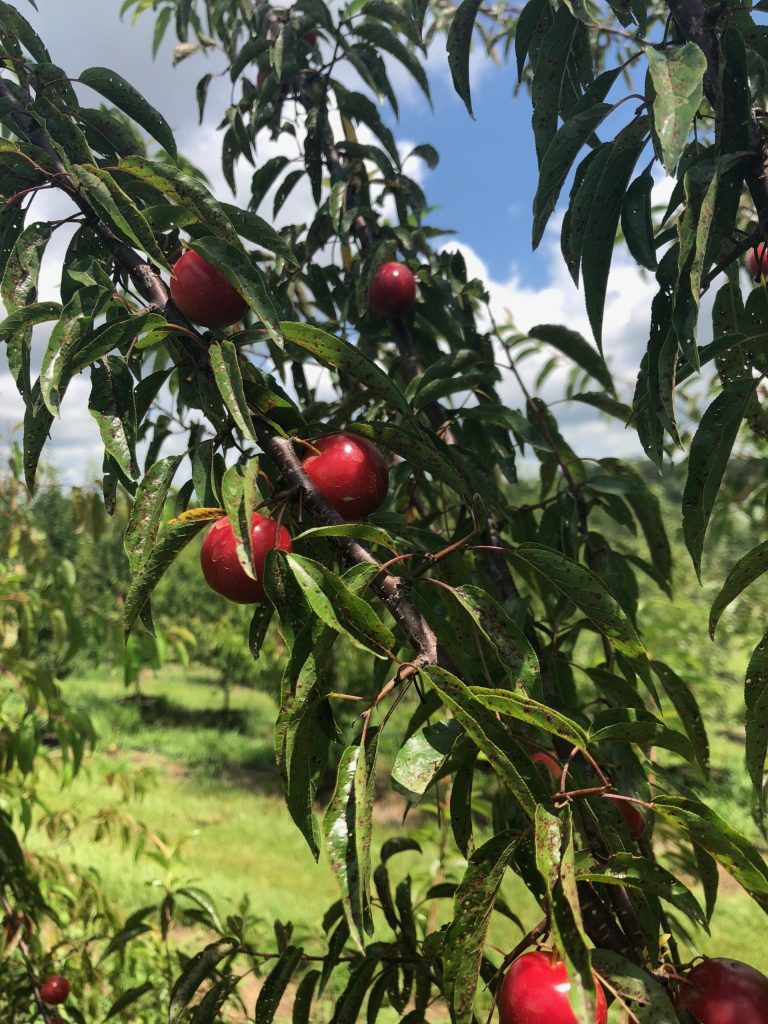
Southern landowners need varieties that can handle our specific “chill hour” requirements and soil pests. This is especially true for apples. While many think of apples as a northern crop, low-chill varieties like Anna and Dorsett Golden, especially when grafted onto Southern crabapple rootstock, do exceptionally well in the heat. These trees bridge the mid-summer gap perfectly.
June and July: Berries, Figs, and Summer Forage
By June, the “scrub” becomes a grocery store. Blackberries, blueberries, and dewberries provide essential forage and thick edge cover. While we don’t always think of these as “deer trees,” they are foundational to a healthy habitat. They keep the property “busy” during the summer months when bucks are growing antlers and need high-quality nutrition.
Figs and pomegranates also fit this window. Figs, in particular, have a long fruiting season and are a favorite for both wildlife and people. Planting these near bedding cover or along shaded travel corridors creates a low-pressure way to observe deer patterns during the summer without blowing them out of the area.
July Through September: Pears, Muscadines, and the First Big Shift Toward Fall
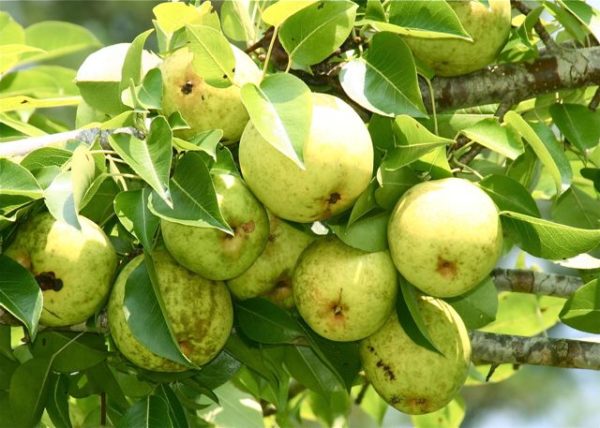
Pears might be one of the best fruit trees for deer, especially for landowners who want dependable production during the late-summer transition into fall. They are prolific producers and, depending on the variety, can drop from July all the way into October. This overlap with the late-summer transition is vital. As deer begin shifting their patterns toward fall ranges, a heavy-dropping pear tree is a magnet that can simplify your early-season scouting.
Don’t overlook muscadines and scuppernongs. These native Southern grapes hit their stride in August and September. While you likely have native vines, adding improved varieties to your fence lines or trellised edges adds another dense layer of attraction. They are a favorite of everything from big bucks to longbeards.
September Through November: Persimmons, Oaks, and Peak Attraction
For the Southern hunter, persimmons are the gold standard. When the persimmons are hitting the ground, everything else is secondary. Because timing can shift based on rainfall, a mix of early and late-drop varieties is the smartest play. These trees are surgical tools, they pull deer into tight, predictable spots before the madness of the rut begins.
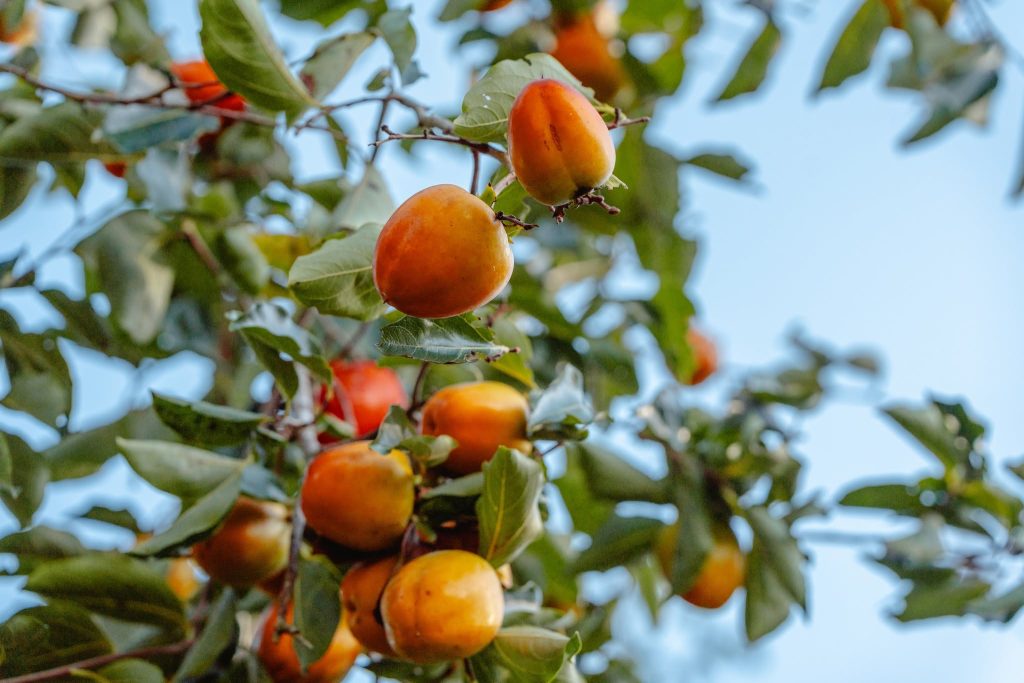
The goal isn’t to compete with your native oaks but to enhance them. If you have a ridge that deer use for acorns in November, plant your soft mast on the approach routes. Give them a reason to spend more time on your side of the fence before they ever reach the big timber. You’re layering attraction, creating a sequence of events that keeps deer on your property longer.
November Through Winter: Late Persimmons, Pears, and Citrus Where It Fits
As the leaves fall, your soft mast plan doesn’t have to end. Late-drop persimmons and winter-hardy pears can keep the calories coming. In the coastal South, citrus can even play a role. Wallace has seen deer browsing on citrus well into the winter months. It’s all about knowing your local micro-climate and filling the gaps when other sources are exhausted.
By mid-winter, your property should be the place deer “remember.” If they’ve been finding food there since March, they aren’t going to leave just because it got cold. You’ve established a pattern of success for them. A diversified planting isn’t just about nutrition; it’s about psychological anchoring.
How Many Trees Should You Plant?
When choosing the best fruit trees for deer, don’t get hung up on a magic number of trees. Whether you have ten acres or a thousand, the principle remains: plant for pollination, plant for the calendar, and plant for production. With chestnuts, Wallace said landowners should remember that one tree is not enough. “With a chestnut, you need at least two to cross pollinate,” he said. “That being said, we tend to recommend at least three chestnut trees at planting.” He also said he has started leaning toward mixed pockets instead of single-species blocks. Rather than planting five or 10 chestnuts in one place and five or 10 persimmons somewhere else, he likes the idea of planting “a few different tree types in one area” to create a longer-lasting attraction point.
Think of your orchard like a high-quality food plot blend. You wouldn’t just plant one type of clover and hope for the best. You use oats for early draw, brassicas for late-season energy, and cereal grains for durability. Your mast plan should be no different. From mulberries to red oaks, every species has a role to play in the annual cycle.
Planting Time, Care, and the First Few Years
Success in the first three years is all about the basics: water and protection. Wallace said watering is the first thing he asks about when someone calls Chestnut Hill with a struggling tree. “Watering within that first couple years, consistently, is crucial,” he said. Remote plantings make that harder, but the point still stands. If you can’t get water to a remote planting, use moisture-retaining products, time your planting around cooler weather, and take advantage of rain when you can. There’s no substitute for getting a young tree through that first establishment window.
Finally, protect your investment. Deer, rabbits, and even your own mower can kill a young tree in seconds. Cages made of heavy fencing and sturdy posts are worth every penny compared to cheap plastic tubes. Give those trees a chance to get their heads above the browse line, and they’ll reward you for decades. Fertilize once a year to keep them pushing, and you’ll see production much sooner than you think.
At the end of the day, choosing the best fruit trees for deer is about more than planting a few trees and hoping they produce. It’s a legacy project. It’s about building a living system that makes your land better every single year. You’re not just “sweetening” a stand site; you’re creating a destination that feeds the soul of the property. When the deer learn the habit, and your family learns the harvest, you’ve truly succeeded as a land manager.